Destination Camping
Beach Camping: Best Spots, Seasons and
Falling asleep to waves and waking up to sunrise over the water is the whole draw of beach camping, but it also brings tides
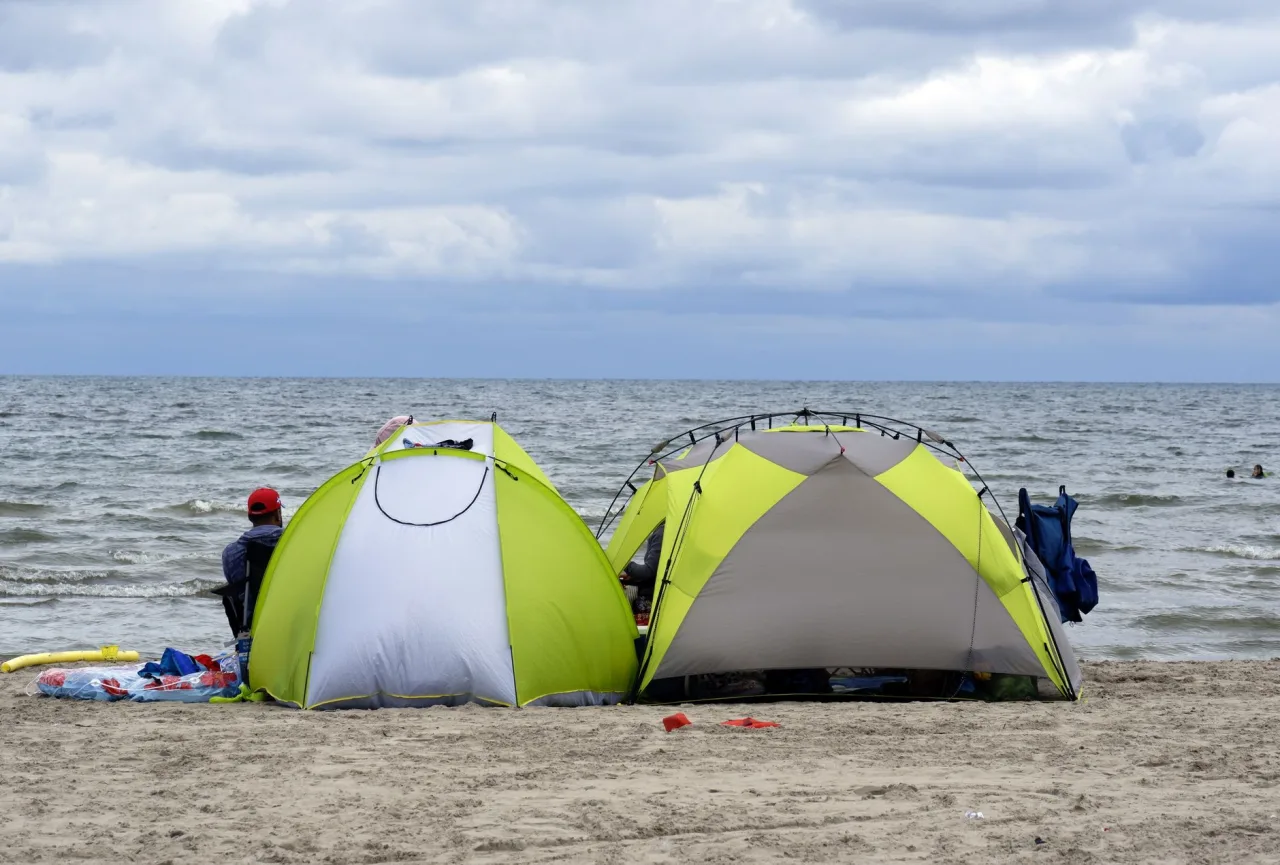
Falling asleep to waves and waking up to sunrise over the water is the whole draw of beach camping, but it also brings tides, wind and sun that ordinary campsites do not. This guide covers the kinds of places you can camp near the coast, the best seasons, the rules and permits to expect, and exactly what to pack. It focuses on how to find and choose a good beach site rather than pushing a fixed list of named spots.
The short version
- Beach camping ranges from developed coastal campgrounds with facilities to primitive sites on national seashores, each with different rules.
- Shoulder seasons often beat high summer: fewer crowds, milder sun and lower prices, though you should confirm rates and openings when you book.
- Many public coastal sites need reservations or permits, and some limit campfires and vehicle access, so check the managing agency before you go.
- Pack for sun, wind and sand: extra stakes and guy lines, shade, water, and a way to keep sand out of everything.
What beach camping actually involves
Beach camping is a broad label. At one end are developed campgrounds set behind the dunes with toilets, showers, drinking water and marked pitches. At the other end are primitive or dispersed coastal sites where you carry in everything and leave no trace. Between them sit state park campgrounds, private beachfront parks, and permit-only backcountry beaches. Each type has a different booking process, price and rule set, so the first job is working out which kind of experience you actually want.
In the United States, many of the finest stretches of protected coast are national seashores and lakeshores managed by the National Park Service. The Park Service's overview of camping in national parks is a good starting point for understanding developed versus primitive options and the responsible-recreation basics that apply on fragile coastlines. If you are choosing between coast, lake and inland options, our guide to lake camping near you is a useful comparison.
How to find good beach camping spots
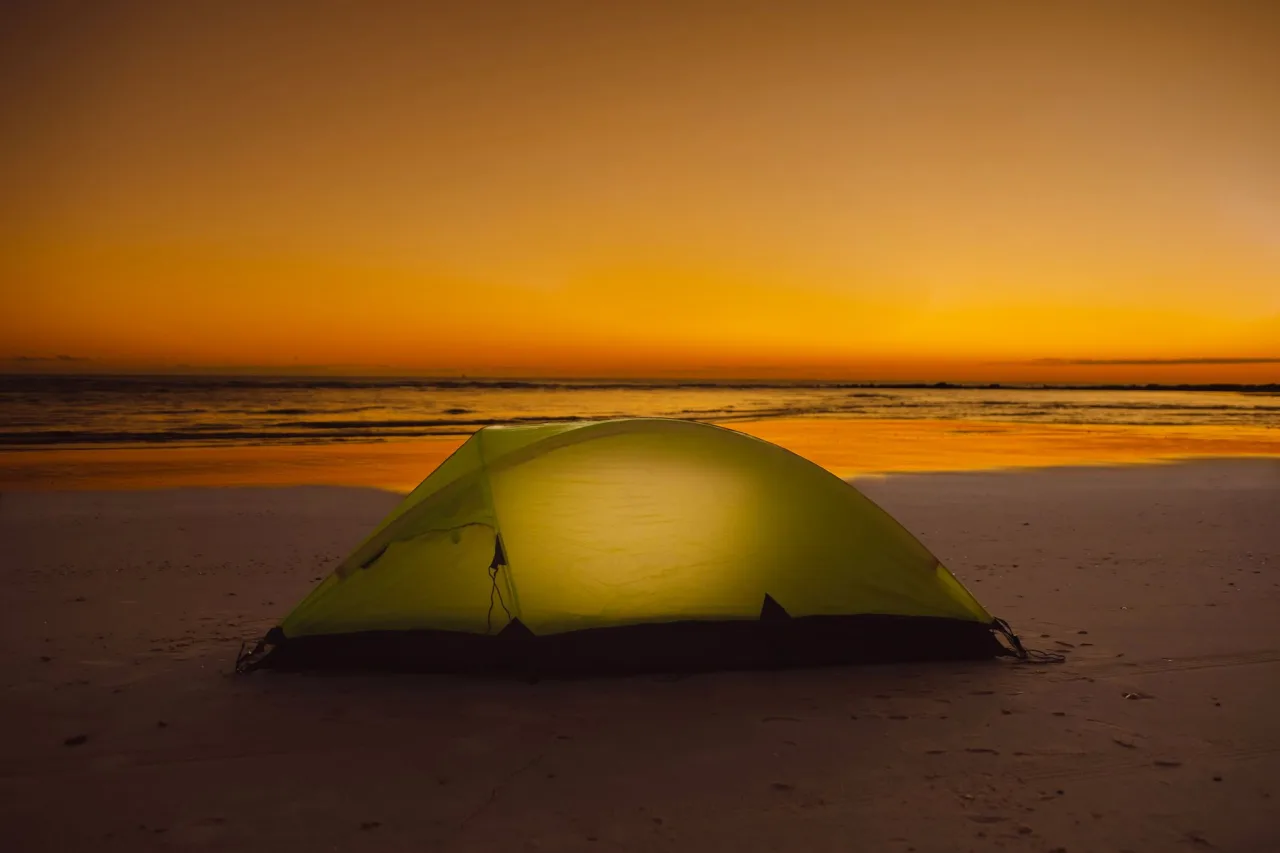
Rather than trusting a single ranked list, build your own shortlist from reliable sources and judge each option on the same criteria.
- Managing agency sites: national and state park pages give official rules, seasons and reservation links straight from the source.
- Federal reservations: in the US, many public campgrounds are booked through Recreation.gov, which lets you search and reserve pitches on federal lands.
- Recent reviews: read the newest reviews for real detail on wind exposure, sand access, noise and cleanliness.
- Maps and tide tables: check how close pitches sit to the high-tide line and how far you must carry gear from parking.
Score each candidate on location, facilities, exposure to wind and tide, price and cancellation policy, then pick the best fit for your trip. Our directory-style guides to beach campgrounds and beach camping near you walk through this comparison in more depth.
Best seasons for beach camping
The right season depends on your coast, but a few patterns hold widely. High summer brings the warmest water and longest days, along with the biggest crowds, highest prices and strongest sun. The shoulder seasons of late spring and early autumn often give the best balance: pleasant days, cooler nights, thinner crowds and lower rates. Winter beach camping can be wonderfully quiet on milder coasts, but expect strong winds, short days and many facilities closed.
Whatever the season, treat any price you read as a starting point and confirm current rates, openings and reservation windows when you book, because coastal sites vary a lot by season and demand. Popular seaside pitches for peak weekends can book out months ahead.
Tip: Check the tide table for your dates before you choose a pitch, and set up well above the high-tide line. On many beaches the difference between a dry night and a flooded tent is just a few metres and a couple of hours, so give yourself a wide margin.
Rules, permits and safety
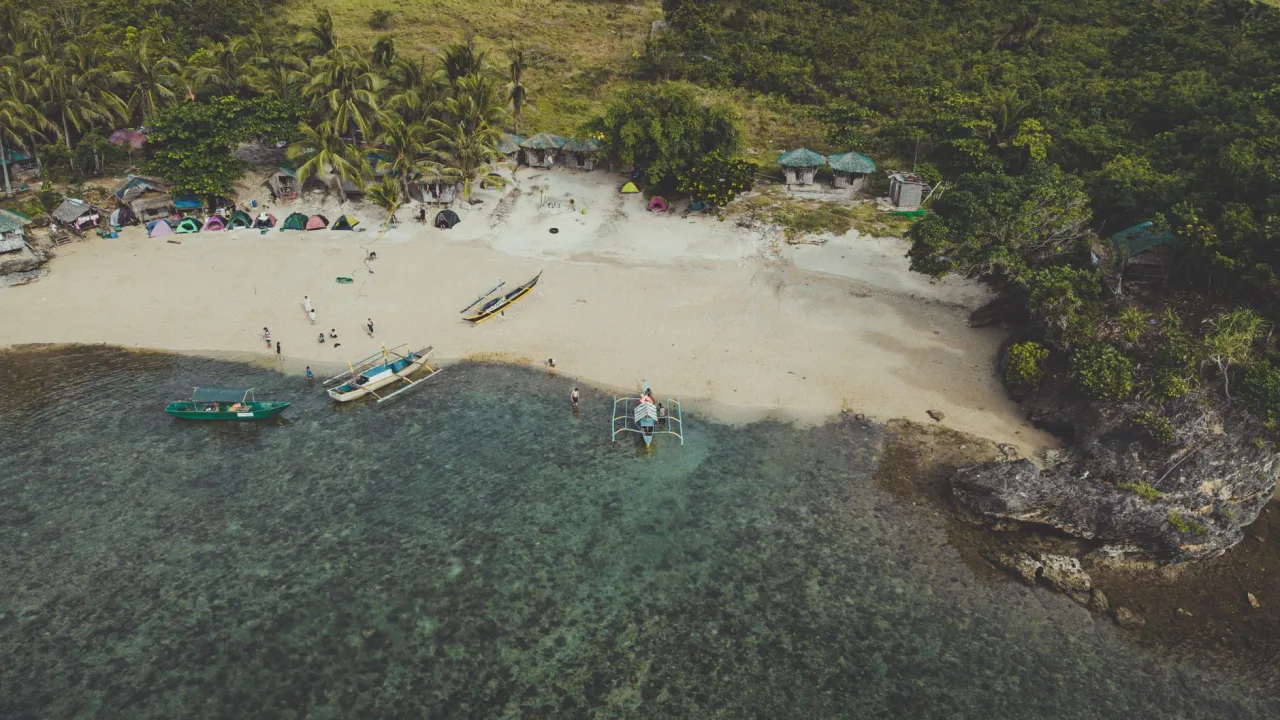
Coastal camping is often more regulated than inland camping because dunes, wildlife and nesting birds are fragile. Expect some sites to require advance reservations or permits, to restrict campfires or ban them entirely in fire season, to limit where vehicles may drive on sand, and to close sections seasonally for wildlife protection. Always read the managing agency's current rules rather than assuming, and follow Leave No Trace principles by packing out everything you bring in.
- Fires: use only permitted fire rings or a stove, and check for fire bans, which are common on dry coasts.
- Wildlife: store food securely, keep your distance, and respect seasonal closures around nesting or breeding areas.
- Water and sun: carry plenty of drinking water and real shade, because coastal sun and wind dehydrate you faster than you expect.
What to pack for the beach
Beach conditions punish gear that works fine in a sheltered forest. Wind, sand and salt are the three enemies, so pack with them in mind.
- Extra anchoring: longer or sand-specific stakes, extra guy lines, and heavy items or sandbags to hold a tent in wind.
- Shade and sun protection: a sturdy sun shelter, high-factor sunscreen, a hat and sunglasses.
- Sand management: a doormat, a brush, and dry bags to keep sand and salt out of sleeping gear and electronics.
- A wind-stable tent: a lower-profile design copes better than a tall one. Our guide to the best family tents covers stability alongside space.
For the wider kit list and how coastal sites fit into the broader camping picture, our complete guide to camping sites and our guide to national park camping are good companions to this one.
Warning: Never pitch a tent below the high-tide line or in a narrow cove that the incoming tide can cut off, and take rip currents seriously when swimming. Read local safety notices, check tide and weather forecasts daily, and be ready to move if conditions turn.
Choosing your first beach trip
For a first beach camping trip, favour a developed, well-reviewed campground with facilities and easy vehicle access, in a shoulder-season week rather than a peak weekend. That combination gives you toilets, water and a manageable crowd while you learn how wind and sand behave. Once you are comfortable, you can graduate to quieter primitive or permit-only stretches where the reward is solitude but the margin for error is smaller.
Frequently asked questions
Is beach camping legal everywhere?
No. Whether you can camp on a beach depends entirely on who manages it and the local rules. Many coastlines allow camping only in designated campgrounds or with a permit, and some ban it outright to protect dunes and wildlife. Always check the managing agency, whether a national park, state park or private operator, before you plan to sleep on any beach.
When is the best time of year for beach camping?
The shoulder seasons of late spring and early autumn often offer the best balance of pleasant weather, thinner crowds and lower prices. High summer brings the warmest water but the biggest crowds and strongest sun, while winter is quiet but windy with many facilities closed. Confirm current openings and rates when you book, because coastal sites vary by season.
How do I stop my tent blowing away on sand?
Use longer or sand-specific stakes, add extra guy lines, and weigh the tent down with heavy gear or sandbags. Choose a lower-profile tent that resists wind better than a tall one, and pitch with the smallest end facing the prevailing wind. On soft sand, buried anchors such as bags filled with sand hold far better than ordinary pegs.
Do I need a permit to camp on the beach?
Often, yes, especially on protected public coastlines and national seashores. Many sites require an advance reservation or a permit, and some limit vehicle access or campfires. In the US, many federal campgrounds are booked through Recreation.gov, while state and private sites have their own systems. Check the managing agency's current requirements before you travel.
What is the biggest safety risk when beach camping?
The incoming tide is the risk people underestimate most. Never pitch below the high-tide line or in a cove the tide can cut off, and check tide tables daily. Beyond that, watch for strong sun and dehydration, high winds, and rip currents when swimming. Read local safety notices and be prepared to move your camp if conditions change.
More guides on Destination Camping
Have a question or a topic to suggest?
We read every message. Tell us what you would like to see next on the blog.
Get in touchYou may also like
Yogi Bear Campground: How to Choose
"Yogi Bear campground" means a Jellystone Park camp-resort. Here is how to compare locations, judge amenities, and choose the right family site without the hype.
Sleeping Bear Dunes: Choosing a Site
From Platte River to the Manitou Islands, here is an honest framework for choosing the right Sleeping Bear Dunes campground and booking it before summer fills.
Milarrochy Bay: Loch Lomond Camping
Milarrochy Bay sits on Loch Lomond's eastern shore. Here is how to choose a lochshore campsite, understand the national park permit rules, and book smart.