Destination Camping
Camping Sites Lake District: Best Spots
The Lake District packs England's highest mountains and largest lakes into one compact national park
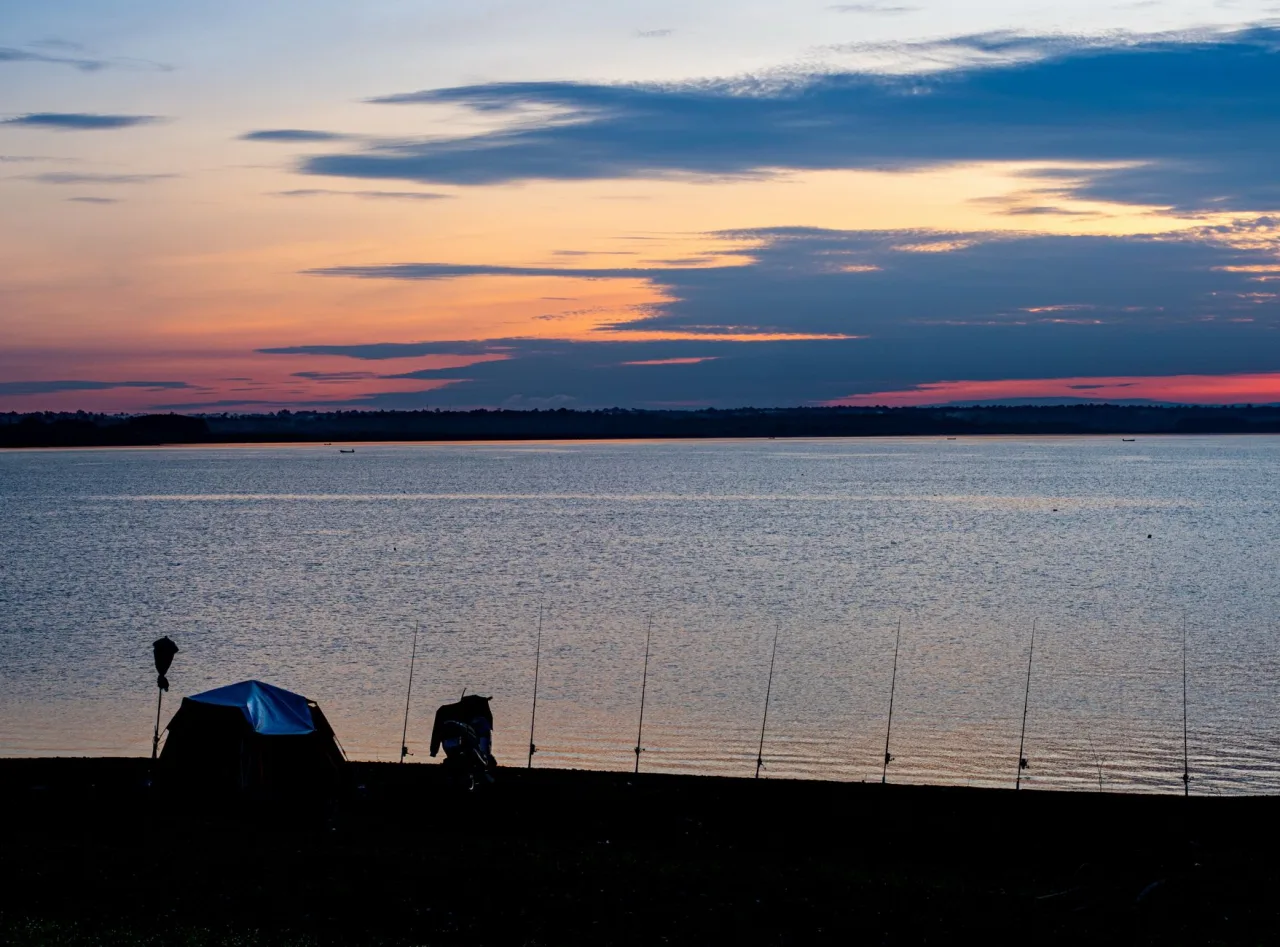
The Lake District packs England's highest mountains and largest lakes into one compact national park, which makes it one of the finest and most popular places in the country to camp. Searching "camping sites Lake District" throws up everything from mountain valley farm pitches to full facility holiday parks, so the real skill is matching a site to your trip. This guide explains the kinds of sites, the best areas and seasons, the rules that trip people up, and what to pack, without inventing site names or prices.
The short version
- The Lake District is a national park in Cumbria, north west England, designated in 1951 and a UNESCO World Heritage Site since 2017.
- Camping options range from basic valley campsites to full facility holiday parks, plus glamping and caravan pitches, spread across very different valleys.
- Summer and school holidays are busiest and book up early; late spring and early autumn balance decent weather with more space.
- Wild camping is not a general right in England, so use official campsites or seek the landowner's permission and check the national park authority's guidance.
Why the Lake District is such a camping magnet
The appeal is geography. The Lake District contains Scafell Pike, at 978 metres England's highest mountain, and Windermere, the longest and largest lake in England at around 11 miles. Between those extremes sit dozens of valleys, fells and smaller lakes, all inside a single national park that earned UNESCO World Heritage status in 2017 for its cultural landscape. That density means a campsite here can put you within a short drive, or a walk, of a summit, a lakeshore and a village pub.
It also means the park is busy, especially in summer. Popularity is not a reason to avoid it, but it is a reason to plan. Booking ahead and choosing the right valley matter more here than in quieter regions. For the broader picture of what national park camping involves, our national park camping guide sets out the general approach, and our wider guide to camping sites explains how to read and compare listings anywhere.
The types of camping site you will find
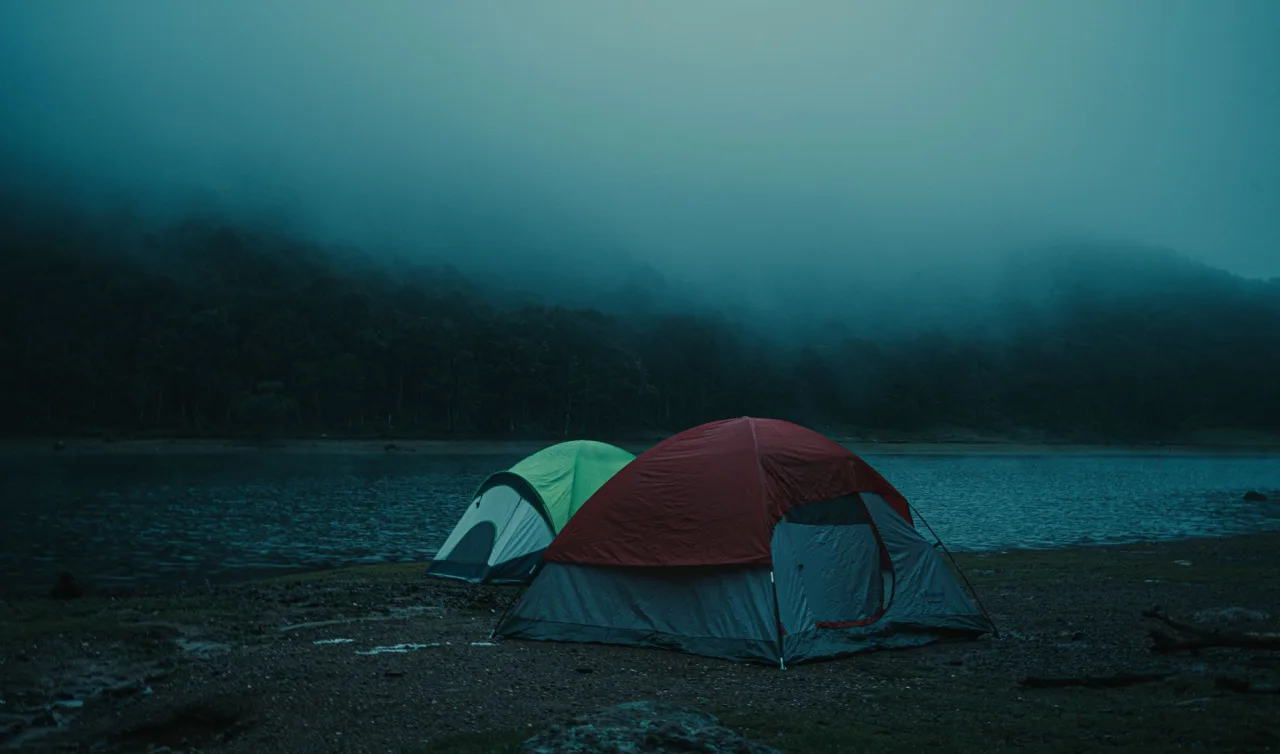
"Camping site" covers a wide span in the Lake District, and the type you choose shapes the whole trip. The official Lake District National Park where to stay pages group overnight options into recognisable categories.
- Basic and farm campsites. Simple pitches in a field, often on a working farm, with minimal facilities. Cheapest and closest to the landscape, ideal for walkers and tent campers who want a quiet base.
- Full facility campsites and holiday parks. Toilet and shower blocks, hook ups, sometimes shops and play areas. More comfortable and family friendly, at a higher price.
- Glamping and camping pods. Ready made shelters like pods, safari tents and yurts for those who want the setting without pitching. Our glamping guide covers how these compare.
- Caravan and campervan sites. Pitches with hardstanding and hook ups for touring units, common around the main valleys and lakes.
None is the best in the abstract. A hardy fell walker will love a basic farm field that a family with young children would find hard work. Decide your priorities, then compare sites within the right category.
Tip: choose your valley before your site
The Lake District is not one place but many valleys, each with a different character. The busy honeypots around the main lakes suit first timers who want amenities and easy access, while the quieter western and northern valleys reward those willing to drive further for solitude. Pick the valley that matches the trip you want, then shortlist sites within it, rather than booking the first available pitch anywhere in the park.
Best areas to base yourself
Because the park spreads across many valleys, the best base depends on what you want to do. Use these as honest pointers rather than a ranking of specific sites.
- For lakes and easy access. The central and southern areas around the largest lakes give you water, villages and transport links, at the cost of crowds.
- For serious hillwalking. Valleys close to the high central fells put summits within reach, with more basic, walker focused sites.
- For quiet and scenery. The western and northern valleys are less visited, offering space and dramatic landscapes for those happy to drive further.
- For families. Full facility parks near towns balance activities, amenities and gentler walks.
Best seasons to camp here
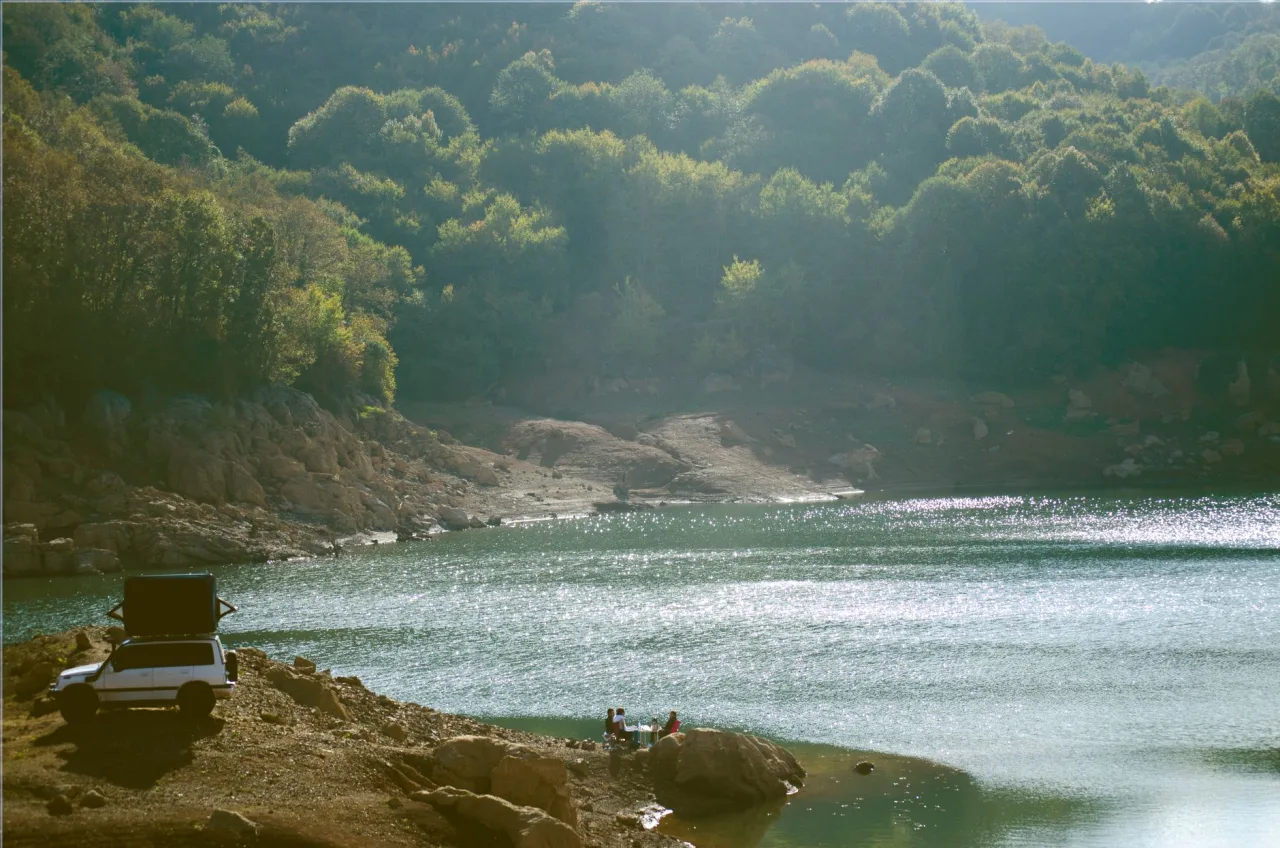
Summer brings the warmest, longest days and the fullest services, but also the biggest crowds and the earliest booked sites, especially during school holidays. If your dates are flexible, late spring and early autumn are often the sweet spot: the weather can still be good, the fells are quieter, and pitches are easier to find.
The Lake District is one of the wettest parts of England, so rain is a real factor in any season. Winter camping is possible at sites that stay open, but expect cold, short days and limited facilities. Whatever the month, come prepared for changeable weather, because a bright morning on the fells can turn wet and windy by afternoon.
The rules, especially on wild camping
The most misunderstood topic in the Lake District is wild camping. Unlike Scotland, England has no general legal right to camp on open land, so wild camping usually requires the landowner's permission. There is a long standing tradition of tolerated high level camping on the remote central fells for responsible walkers, but this is a convention, not a right, and it does not apply to lakeshores, valley fields or lower land.
- Use official campsites by default. They are the legal, low impact and reliable option, and the national park authority lists them.
- Get permission for anything else. Camping on private land without the owner's agreement is trespass, however scenic the spot.
- Follow leave no trace. Take all litter home, camp away from water sources, and avoid fires, which are a serious risk on dry fells.
- Check current guidance. Rules and tolerated areas can change, so read the national park authority's advice before relying on wild camping.
For the authoritative background on the park itself, its designation and geography, the Lake District reference page is a reliable overview, and the national park authority holds the current rules.
Warning: the weather is a genuine hazard, not a detail
The Lake District's mountains generate fast, severe weather, and every year unprepared visitors get into trouble. If you camp high or walk the fells, carry waterproofs, warm layers, a map and compass, and enough food and water, and be ready to turn back. A campsite in the valley is a safe base; the tops demand respect and real preparation.
What to pack for a Lake District trip
Pack for a wet, mountainous, changeable climate, and you will rarely be caught out.
- Full waterproofs, a jacket and trousers, because rain is likely in any season.
- Warm layers for cool evenings and exposed fells, even in summer.
- Sturdy walking boots with grip for wet, uneven ground.
- A robust, waterproof tent and a groundsheet, or a booked pod if you prefer shelter.
- A map, compass and the skill to use them if you head onto the fells.
- Standard camping kit: bedding, cooking gear, torch and a first aid kit.
If the Lake District inspires you to explore other classic camping regions, our New Forest campsites guide covers another popular English destination, and for a contrasting dune and lake landscape overseas see our Silver Lake State Park guide.
Frequently asked questions
Where is the Lake District and why is it good for camping?
The Lake District is a national park in Cumbria, north west England, designated in 1951 and a UNESCO World Heritage Site since 2017. It packs England's highest mountains, including Scafell Pike, and largest lakes, including Windermere, into a compact area, so a single campsite can put you close to summits, lakeshores and villages.
Can you wild camp in the Lake District?
Not as a general right. England has no legal right to camp on open land, so wild camping usually needs the landowner's permission. There is a tolerated tradition of responsible high level camping on the remote central fells, but it is a convention, not a right, and does not cover lakeshores or valley land. Use official campsites by default and check the national park authority's guidance.
What types of camping site does the Lake District have?
The range runs from basic and farm campsites with minimal facilities, through full facility campsites and holiday parks with showers and hook ups, to glamping pods and caravan and campervan pitches. Basic sites suit walkers and tent campers, while full facility parks and glamping suit families and those wanting more comfort.
When is the best time to camp in the Lake District?
Summer offers the warmest, longest days and fullest services but the biggest crowds and earliest bookings. Late spring and early autumn are often the sweet spot, with decent weather and quieter fells. The region is one of the wettest in England, so expect rain and changeable weather in any season and pack accordingly.
Do I need to book Lake District campsites in advance?
For summer, school holidays and popular valleys, yes. The park is one of England's busiest, and good sites fill early, so book ahead for peak dates. Outside those periods you have more flexibility, but it is still wise to reserve popular sites and confirm current prices directly with the site or the national park authority's listings.
More guides on Destination Camping
Have a question or a topic to suggest?
We read every message. Tell us what you would like to see next on the blog.
Get in touchYou may also like
Minicaravan
A minicaravan is the small, light end of the towable caravan world: compact enough to pull with an ordinary car, simple enough to set up in minutes
Silver Lake State Park: Best Spots, Seasons
Silver Lake State Park is one of Michigan's most distinctive camping destinations, a place where over 2,000 acres of open sand dunes sit between Lake Michigan and the freshwater Silver Lake.
Cabin Camping
Cabin camping gives you the fresh air, campfire and dark skies of a tent trip with a solid roof, a real bed and a door that locks. This complete guide explains what cabin camping actually