Destination Guide
State Park Camping Guide
How state parks compare to national parks, the site types on offer, best seasons, and how to reserve a spot without the big-name stress.
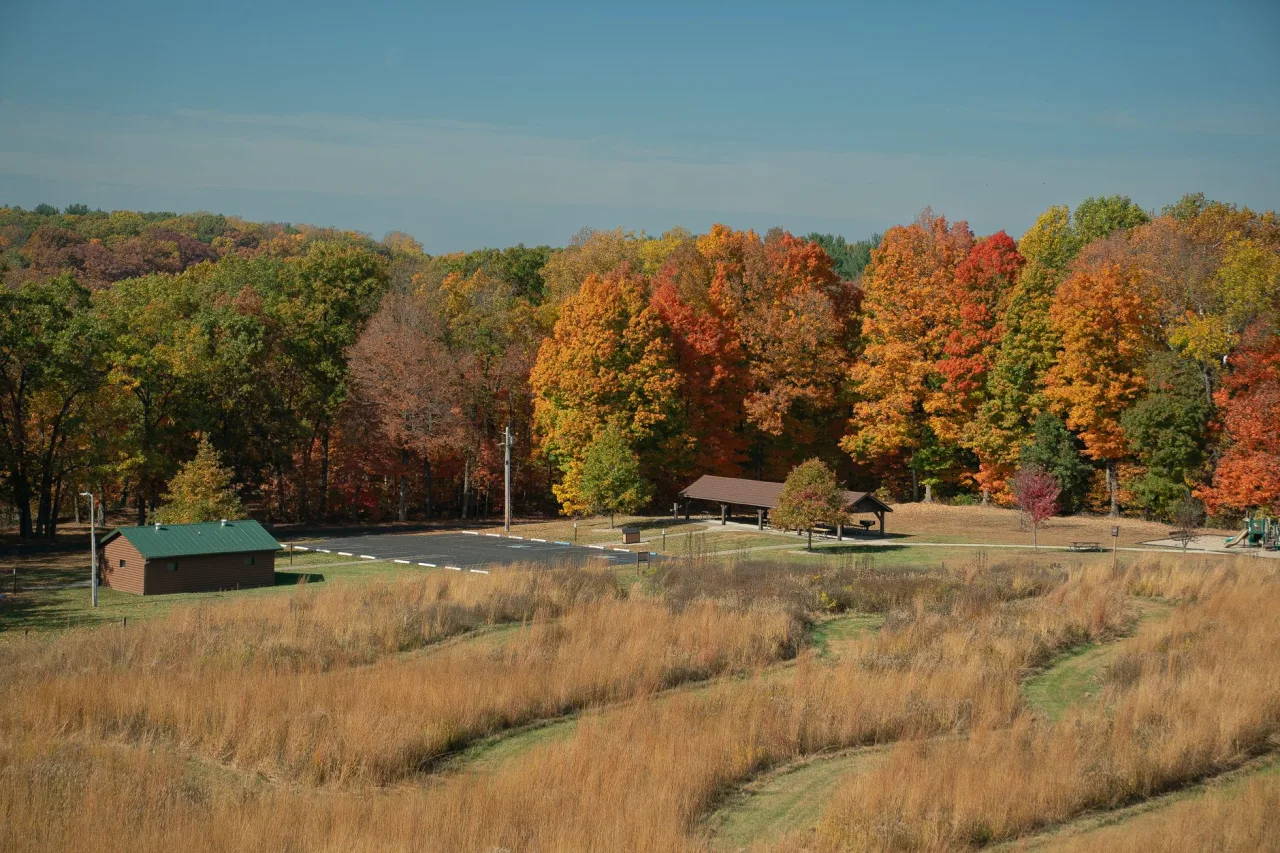
State park camping is the quiet workhorse of the outdoors: closer to home than the marquee national parks, easier to book, and often just as scenic. This guide explains how state parks differ from national ones, how to choose a good campground, when to go, and how to reserve a site without the stress that big-name parks bring.
The short version
- State parks are managed by individual states, not the federal government, and there are thousands of them across the country.
- They usually offer developed campgrounds with good facilities, and are typically easier to book and closer to home than national parks.
- Best seasons follow the local climate, so late spring through early autumn works for most, with regional exceptions.
- Fees and reservation systems vary by state, so confirm the current rate and booking rules on the official state park website before you travel.
What a state park is
A state park is a protected area managed at the state level rather than by the federal government. According to Wikipedia's overview of state parks, they exist to preserve places valued for natural beauty, history, or recreation, and the United States alone has thousands of state park units holding hundreds of thousands of campsites between them. That scale is the point: wherever you live, a state park with camping is usually within a manageable drive.
Because each state runs its own system, facilities, rules, and booking processes vary from one state to the next. What stays consistent is the general character: developed campgrounds with real amenities, set in protected landscapes, at prices that are often gentler than a national park plus its entrance fee.
State parks versus national parks
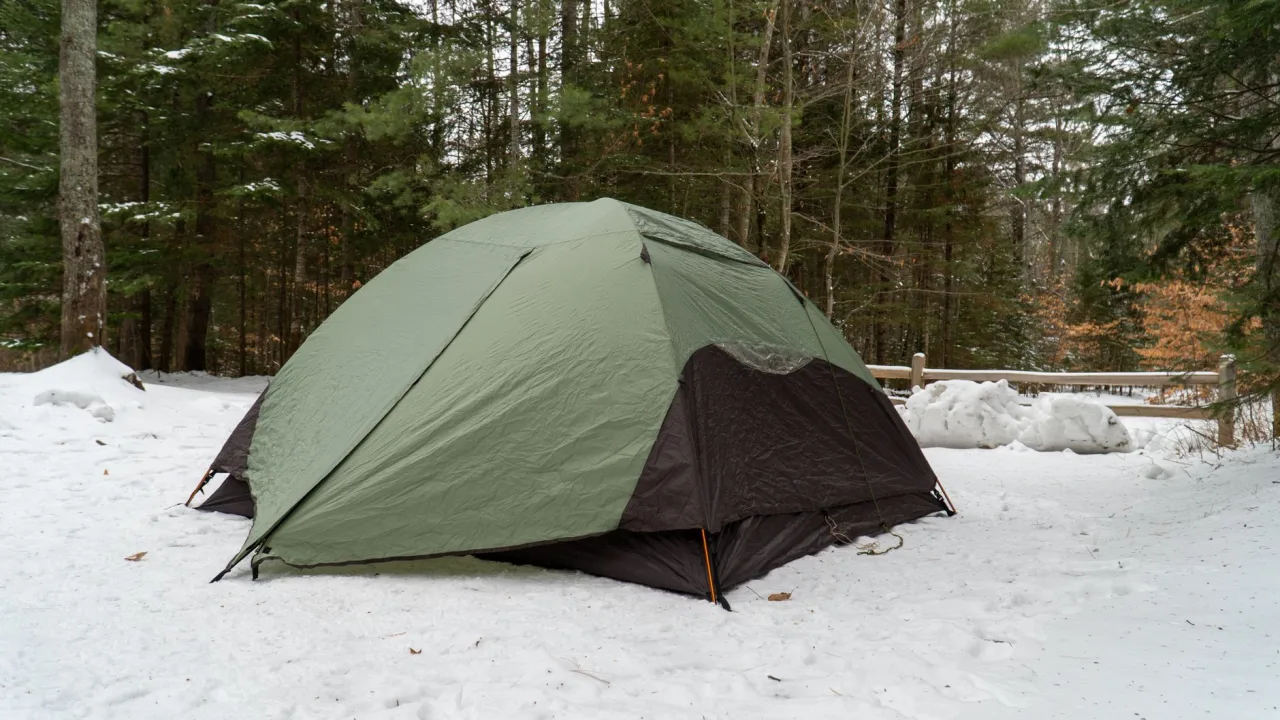
The two are easy to confuse, but the practical differences shape your trip. Knowing them helps you pick the right target for the weekend you actually have.
- Management: State parks are run by states, national parks by the federal government, so rules and booking systems differ.
- Scale and fame: National parks tend to be larger and more famous, which also means more crowded and harder to book.
- Access: State parks are more numerous and spread out, so one is usually closer to home.
- Availability: State park sites are generally easier to reserve, especially at short notice or midweek.
Neither is better in the abstract. For a bucket-list landscape you plan months ahead, a national park wins, and our guide to national park camping covers that. For an easy, reliable weekend outdoors, a state park is often the smarter choice.
Types of state park campground
State parks offer a spread of site types, and the labels matter when you book. Match the type to your gear and how much comfort you want.
- Standard developed sites: Marked pitches with toilets, showers, potable water, and often power hookups. The most common option and a solid default.
- Primitive or walk-in sites: Fewer facilities, more privacy, sometimes a short carry from the car. Quieter and cheaper.
- RV sites: Loops with hookups and pull-through spaces sized for motorhomes and trailers, where the park provides them.
- Cabins and camper cabins: Many state parks rent simple cabins for people who want a roof without a tent.
If you are bringing a motorhome, confirm the length limit and hookup type before booking, since these vary widely between parks. Our RV camping guide explains what to check.
Booking tip
Each state runs its own reservation website, and the rules differ: release windows, maximum stays, and cancellation policies all vary. Find your target state's official parks site first, read its booking rules once, and you will avoid the most common state park mistakes.
Best seasons for state park camping
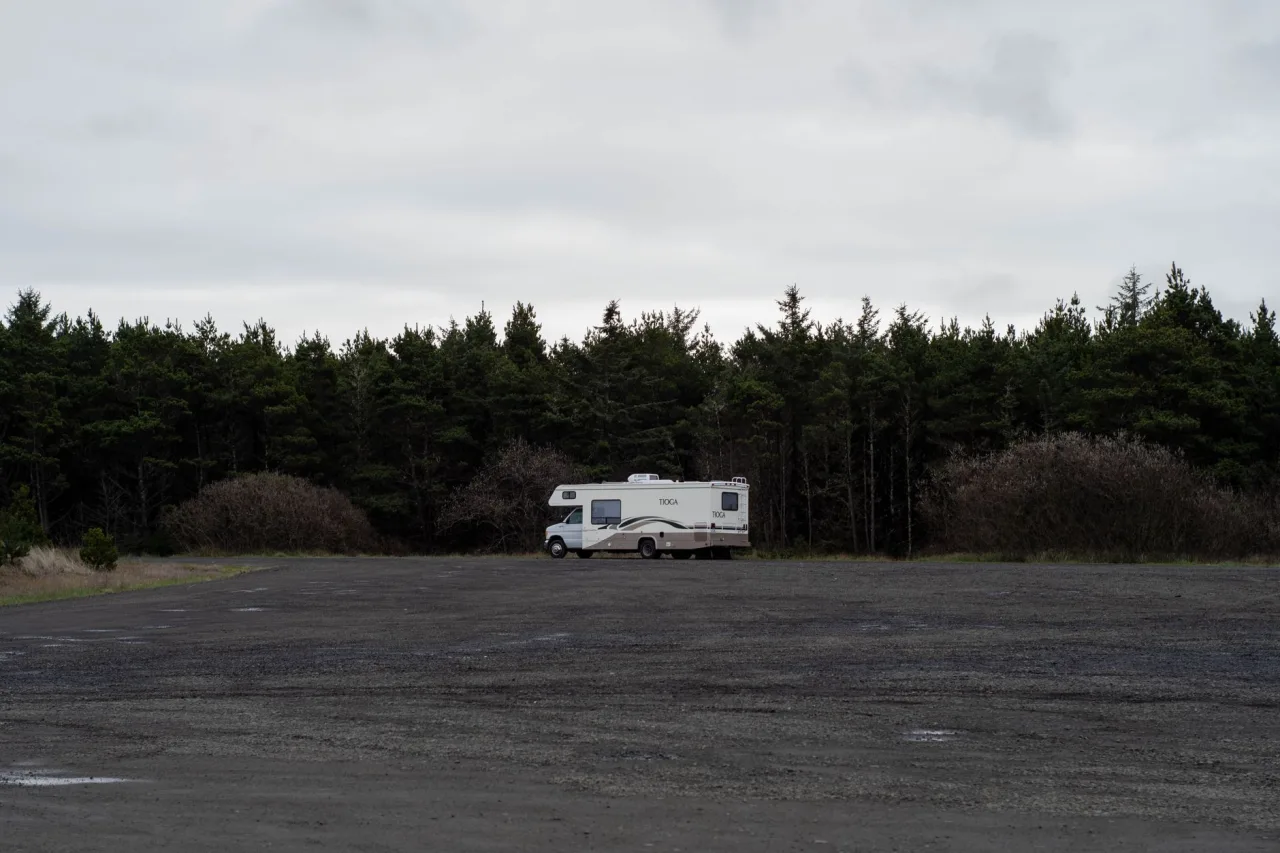
State parks span every climate, so the ideal window depends on where the park is. Use these patterns as a starting point and check local conditions before you commit.
- Temperate regions: Late spring through early autumn is comfortable and reliable, with summer weekends the busiest.
- Hot southern parks: Autumn, winter, and early spring are pleasant, while midsummer can be uncomfortably hot.
- Northern and mountain parks: Summer and early autumn, with many campgrounds closing over winter.
- Shoulder seasons: Fewer people and lower demand, but check that the campground and its facilities are still open.
How reservations work
Unlike the federal system, state parks do not share one national portal. Each state operates its own reservation website, and some contract a third-party booking provider. A number of federal sites use Recreation.gov, but most state parks do not, so do not assume that portal covers them. Always start from the official website of the state whose park you want.
- Identify the state and the specific park you want to camp in.
- Go to that state's official parks or reservation website, not a general aggregator.
- Check the release window, maximum stay, and whether any sites are first come, first served.
- Book as early as the window allows for popular parks and summer weekends.
Many states also keep a portion of sites as first come, first served, which can rescue a spontaneous trip midweek or in the off-season, though it is a gamble on a summer weekend.
Rules and etiquette
State park rules are generally friendly but still exist to protect the site and other campers. Following them is straightforward and keeps you on the right side of the rangers.
- Quiet hours: Almost every park enforces them, so keep noise down late at night.
- Fires: Use designated rings only, obey any burn bans, and never leave a fire unattended.
- Pets: Many state parks allow leashed dogs, but rules vary, so check before you bring one.
- Leave no trace: Pack out rubbish, respect wildlife, and leave your site as you found it.
- Stay limits: Parks often cap consecutive nights, particularly in peak season.
What to pack for a state park trip
Developed state park sites are well served, so your kit can be simpler than for a remote national park, but the essentials still apply.
- A tent and a sleeping bag suited to the season. If you are choosing new gear, see our best family tents roundup.
- Camp chairs, a table, and a stove, since developed sites give you room to set up properly.
- A cool box and food, as many parks have a store but stock and hours vary.
- Layers and rain gear appropriate to the region and season.
- A head torch, first-aid kit, and any pet supplies if dogs are allowed and you bring one.
Choosing the right state park
With thousands of parks to pick from, compare a shortlist on the things that matter for your trip: drive time, site type, facilities, and how easily you can book the dates you want. A nearby park with power hookups and easy availability often beats a distant one you struggle to reserve. If you are still building confidence outdoors, our complete guide to camping covers the fundamentals, and the honest approach to any comparison is to judge parks on clear criteria rather than a single glossy photo.
Frequently asked questions
What is the difference between a state park and a national park?
State parks are managed by individual states, while national parks are managed by the federal government. State parks are more numerous, usually closer to home, and generally easier to book, whereas national parks tend to be larger, more famous, and more crowded. Booking systems and rules differ between the two.
How do I reserve a state park campsite?
Each state runs its own reservation website, and some use a third-party booking provider, so there is no single national portal. Start from the official website of the state whose park you want, check its release window and rules, and book early for popular parks and summer weekends.
How much does state park camping cost?
Fees vary by state, park, site type, and season, so there is no single rate. Developed sites with hookups cost more than primitive ones, and some parks add a day-use or entrance fee. Confirm the current rate on the official state park website before you book.
When is the best time to camp in a state park?
It depends on the park's region. Temperate areas are best from late spring to early autumn, hot southern parks are more comfortable from autumn to early spring, and northern or mountain parks suit summer. Check local conditions and campground opening dates before you travel.
Can I bring my dog to a state park campground?
Many state parks allow leashed dogs at campsites, but the rules vary by state and even by park, and some areas restrict pets. Check the specific park's pet policy before you travel, and keep dogs leashed and under control on site.
Are state parks easier to book than national parks?
Generally yes. Because there are far more state parks and they are less famous, sites are usually easier to reserve, especially midweek or at shorter notice. Popular parks on summer weekends still fill up, so booking ahead remains wise for peak dates.
More guides on Destination Camping
Have a question or a topic to suggest?
We read every message. Tell us what you would like to see next on the blog.
Get in touchYou may also like
National Park Camping Guide
How to choose a national park campground, the best seasons by region, how reservations and permits work, and the rules that catch first-timers out.
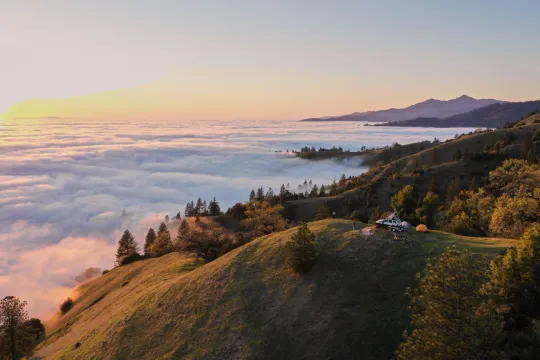
Big Trees State Park: Best Spots, Seasons
"Big Trees State Park" most commonly means Calaveras Big Trees State Park, a Sierra Nevada park in California built around two groves of giant sequoias, some of the largest living things on earth.
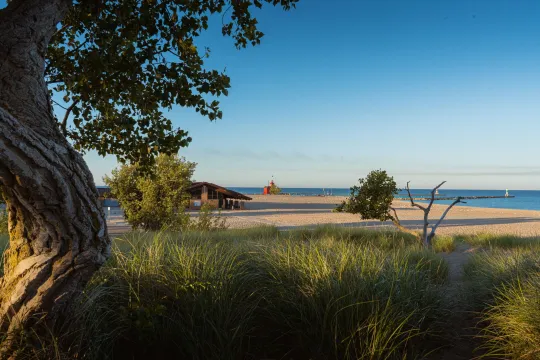
Silver Lake State Park: Best Spots, Seasons
Silver Lake State Park is one of Michigan's most distinctive camping destinations, a place where over 2,000 acres of open sand dunes sit between Lake Michigan and the freshwater Silver Lake.