Find a Campsite
Lake Camping Near Me: How to Choose
How to find and compare lakeside campgrounds near you: waterfront versus walk-to-water pitches, swimming and safety rules, bugs, water level and true cost.
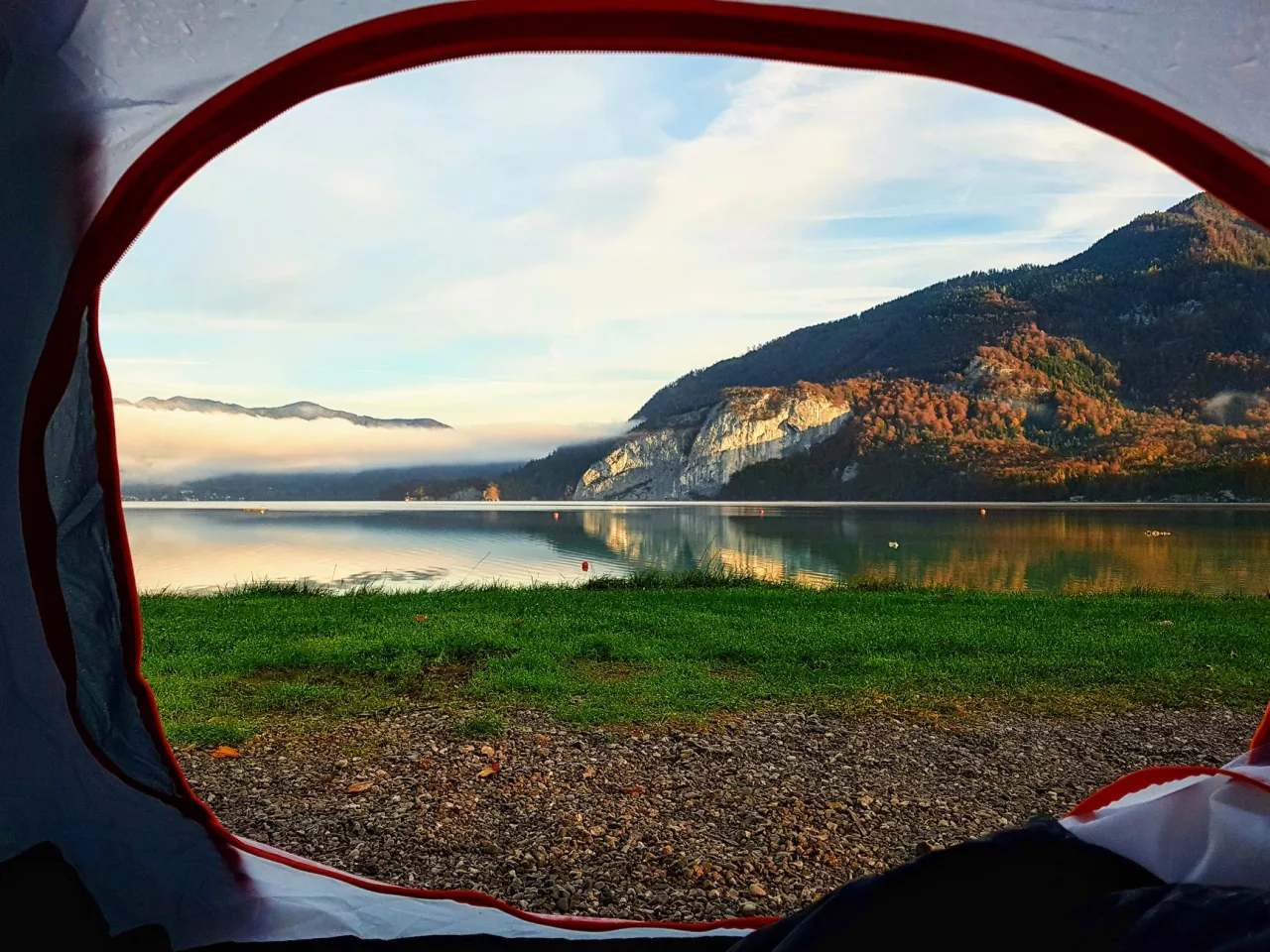
A lake turns an ordinary campsite into a swimming, paddling and fishing base, but "lakeside" hides a lot: some pitches sit on the water, others are a car ride from it, and the good ones book out first. This is not an invented list of "the best lake campsites near you," because an honest one cannot exist for every reader. It is the method for finding real waterside campgrounds close to you, comparing them fairly, and booking the pitch that actually has the view.
The short version
- "Lakeside" is a spectrum. Waterfront, water-view and walk-to-water pitches are very different, so confirm exactly what you are booking.
- Water is the whole point and the main risk. Check swimming, boating and fishing rules, plus depth, currents and supervision, before you rely on them.
- "Near me" is a filter, not an answer. Proximity narrows the list; the same criteria decide which nearby lake site is actually good.
- Book early and read season-dated reviews. Waterfront pitches are the first to sell out and the most affected by bugs, water level and weather.
What "near me" actually buys you
A lake close to home is an easy win: a short drive for a swim-and-sleep weekend, a low-commitment first trip, and a quick escape when the weather is good. That convenience is real, but proximity does not tell you whether the nearest lake campground has waterfront pitches left, allows swimming, or is a quiet spot rather than a crowded day-use beach. So treat distance as your first filter, then judge the survivors on the waterside criteria below, exactly as you would a lake an hour further on. For the general version of this process across all settings, our guide to finding camping near you covers the broad method; this page is specifically about lakes.
"Lakeside" means several different things
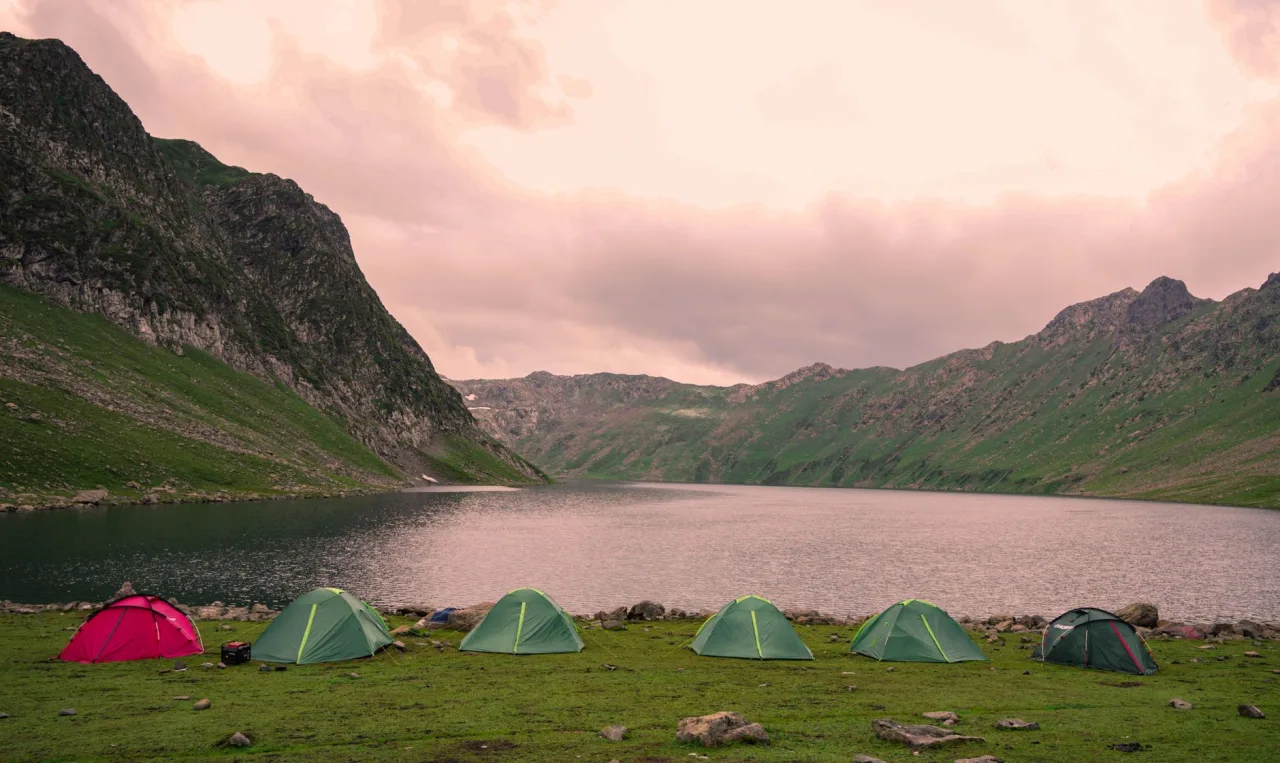
The biggest source of disappointment at a lake campground is the gap between "lakeside" in the listing and where your pitch actually sits. Pin down which of these you are booking:
- Waterfront pitches. Directly on the shore, with the water at your door. The most sought-after and the first to sell out, often at a premium.
- Water-view pitches. Not on the shore but with a view of the lake. Cheaper, often quieter, still lovely.
- Walk-to-water pitches. Set back, with lake access a short walk or drive away. Fine if you mainly want the activities, not the view from your tent.
A campsite can be, in the words of the general overview of camping, anything from a patch of dirt to a paved pad with utilities, and the same range applies at a lake. So read the specific pitch description and recent photos, not just the campground's headline. If a waterfront view is the reason you are going, book the pitch type that guarantees it rather than hoping for a good allocation on arrival.
Water safety and the rules that vary
The lake is the attraction and the hazard, and the rules differ from one to the next, so never assume. Before you rely on the water for your trip, confirm:
- Swimming. Whether it is allowed at all, whether there is a designated swim area, and whether anyone supervises it. Many lakes have no lifeguard.
- Depth, drop-offs and currents. Open water can hide sudden depth changes and cold layers; supervise children closely and know your own limits.
- Boating and paddling. Rules on launching, permits, engine limits and whether you can bring your own kayak or paddleboard.
- Fishing. Whether a licence or permit is required, and any local rules on species and seasons.
- Water quality. Seasonal algal blooms and closures do happen, so check current notices before swimming.
Treat open water with respect: a lake is not a pool. There is usually no lifeguard, the temperature can drop sharply below the surface, and the bottom is uneven. Keep children within arm's reach in the water, do not swim alone or after dark, and check for posted warnings about depth, currents or water quality before anyone gets in.
The extra factors a lake adds
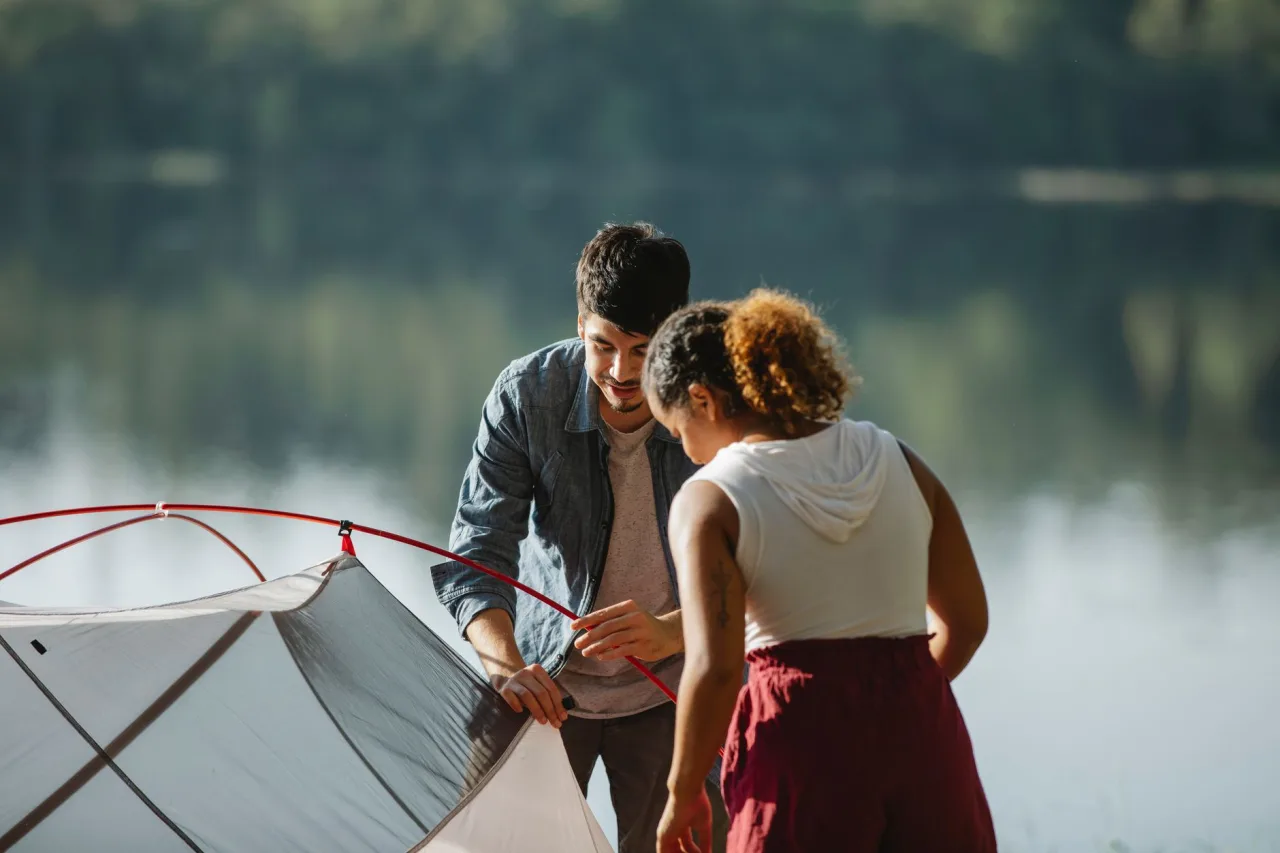
Camping by water introduces variables you would not think about on a dry site. Weigh these when you compare:
- Insects. Still water breeds mosquitoes and midges, worst at dawn and dusk in warm months. A site with a breeze off the water is often less buggy than a sheltered corner.
- Water level and flooding. Reservoir and river-fed lakes rise and fall, so a shoreline pitch in a wet season can be muddy or partly submerged.
- Shade versus breeze. Tree cover keeps a pitch cool but can trap insects; an open shoreline is breezier but hotter and more exposed.
- Wildlife. Lakes attract more of it, from waterfowl to larger animals, so secure food and follow any local storage rules.
What lake camping costs, honestly
There is no single price, and it varies by country, site and season, so confirm the real figure when you book. As a realistic frame: a basic pitch at a simple or public lakeside campground is inexpensive, a developed site with good facilities costs more, and premium waterfront pitches at popular lakes in peak season sit at the top, often carrying a surcharge over the same site's back pitches. Compare the all-in total, not the headline: add any waterfront premium, per-person and vehicle fees, a boat launch or permit charge, and firewood or shower tokens before you decide.
How to search and book properly
- Filter by distance and confirm it is a genuine lake campground, not a day-use beach with no overnight pitches.
- Open each site's own page to read the exact pitch types, how close each is to the water, and the swimming, boating and fishing rules.
- Use official platforms. In the United States, Recreation.gov handles reservations for many federal campgrounds, including lakeside sites managed by agencies such as the US Army Corps of Engineers; national park and forestry bodies fill the same role elsewhere.
- Book waterfront pitches early, since they are the first to go, and read recent reviews from the season you plan to visit for the real picture on bugs and water level.
- Check the cancellation policy before you pay, as weather and water conditions can force a change of plan.
For named waterside destinations and deeper regional picks, our lake campground guide, Silver Lake campground guide and Lake Tahoe campground guide apply the same honest method to specific places.
Camp responsibly, especially near water
Waterside sites are the most fragile, and the Leave No Trace ethic matters most here. The National Park Service's seven Leave No Trace principles specifically call for protecting water sources: camp and travel on durable surfaces, keep waste and washing well away from the lake, dispose of waste properly, and respect wildlife. In practice that means not washing dishes or yourself directly in the lake, packing out all rubbish, using the toilet facilities provided, and giving nesting birds and shoreline animals space. It keeps the water clean for swimming and the site pleasant for everyone who comes after you.
Compare with the other ways to camp nearby
A lake is one setting among several, and it is worth checking it is the right one for your trip. If the coast appeals more, our beach camping guide applies the same approach to the sea, and if you are still choosing your shelter, our tent camping guide covers that. For the full spread of campground types, the campgrounds overview ties them together.
Frequently asked questions
How do I find good lake camping near me?
Start with a map search, then confirm each result is a genuine lake campground with overnight pitches rather than a day-use beach. Open the site's own page to see the exact pitch types and how close each is to the water, and read recent reviews from the season you plan to visit for the real story on bugs, water level and crowds. Apply your filters, distance, dates, party size and whether you need waterfront access. Proximity mainly buys convenience; it does not guarantee the nearest lake site is any good, so judge close sites on the same criteria as far ones.
Does "lakeside" mean my pitch is on the water?
Not necessarily, and this is the most common disappointment. "Lakeside" campgrounds usually offer a mix: waterfront pitches directly on the shore, water-view pitches with a view but set back, and walk-to-water pitches a short distance from the lake. Waterfront pitches are the most sought-after, the first to sell out and often carry a premium. If the view from your tent is the reason you are going, book the specific pitch type that guarantees it and check recent photos, rather than hoping for a good allocation on arrival.
Is it safe to swim at a lake campsite?
It can be, but treat open water with respect because a lake is not a pool. Check first whether swimming is allowed, whether there is a designated swim area, and whether anyone supervises it, since many lakes have no lifeguard. Watch for sudden depth changes, cold layers below the surface and uneven bottoms, keep children within arm's reach, do not swim alone or after dark, and check for posted warnings about currents or water quality, including seasonal algal blooms, before anyone gets in.
How much does lake camping cost?
It varies by country, site and season, so confirm the price when you book. As a rough frame, a basic pitch at a simple or public lakeside campground is inexpensive, a developed site with good facilities costs more, and premium waterfront pitches at popular lakes in peak season sit at the top, often with a surcharge over the same site's back pitches. Compare the all-in total rather than the headline, adding any waterfront premium, per-person and vehicle fees, boat launch or permit charges, and firewood or shower tokens.
What extra things should I plan for when camping by a lake?
Water adds variables a dry site does not have. Expect more insects, since still water breeds mosquitoes and midges, worst at dawn and dusk, so a breezy shoreline pitch is often better than a sheltered corner. Check water level, because reservoir and river-fed lakes rise and fall and a shoreline pitch can be muddy or partly submerged in a wet season. Balance shade against breeze, and secure food carefully, since lakes attract more wildlife. Reading season-dated reviews is the best way to know which of these will affect your trip.
How do I protect the lake while camping?
Follow the National Park Service's Leave No Trace principles, which specifically call for protecting water sources. Do not wash dishes or yourself directly in the lake; carry water away from the shore and dispose of grey water well back from it. Pack out all your rubbish, use the toilet facilities provided rather than going near the water, camp on durable surfaces, and give nesting birds and shoreline wildlife space. This keeps the water clean enough to swim in and the site pleasant for the campers who come after you.
More guides on Campgrounds & Campsites
Have a question or a topic to suggest?
We read every message. Tell us what you would like to see next on the blog.
Get in touchYou may also like
Lake Campgrounds: How to Choose
An honest guide to finding, comparing and choosing a good lake campground anywhere, with a checklist for water access, shade, insects and boats, plus how to book the best waterfront sites.
Camping Near Me: Find and Compare Spots
A practical method for finding, comparing and choosing a genuinely good campsite close to you, using the tools and questions experienced campers rely on.
Tent Camping Near Me: How to Choose
An honest method for finding tent camping near you: what makes a good pitch, the amenities checklist, realistic pricing, and how to search and book properly. Not a fabricated leaderboard.