Destination Camping
Silver Lake State Park: Best Spots, Seasons
Silver Lake State Park is one of Michigan's most distinctive camping destinations
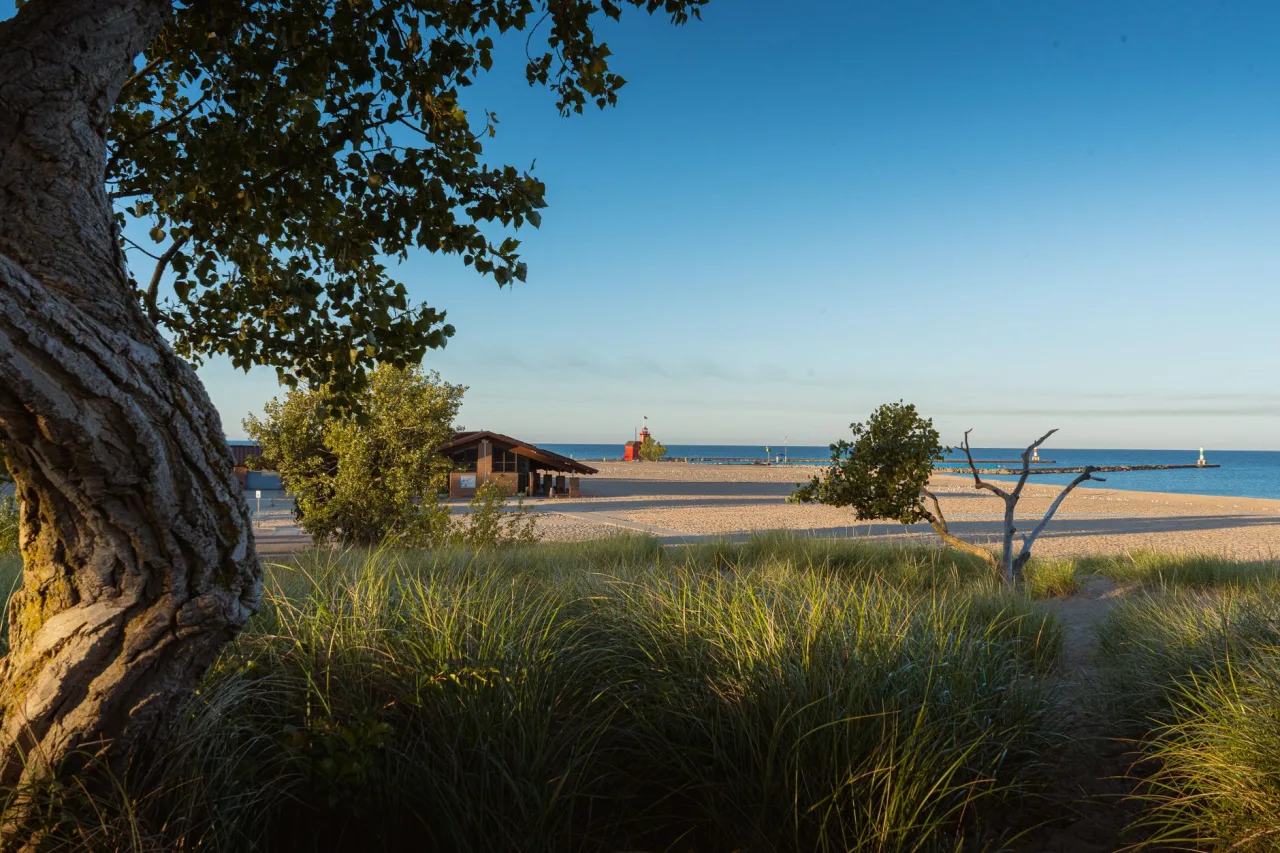
Silver Lake State Park is one of Michigan's most distinctive camping destinations, a place where over 2,000 acres of open sand dunes sit between Lake Michigan and the freshwater Silver Lake. It is the rare park where you can drive the dunes in one section, walk them in silence in another, and swim two very different lakes on the same trip. This guide covers what the park is, the best areas, when to go, the rules that catch people out, and what to pack, without inventing prices or availability the park itself sets.
The short version
- Silver Lake State Park sits in Oceana County, Michigan, about four miles west of Mears, bordering both Lake Michigan and Silver Lake.
- Its signature feature is a large sand dune area split into three zones: an off road vehicle area, a non vehicle Walking Dunes area, and a section leased to a private operator.
- Summer is peak season for the dunes and both lakes, so campsites and permits book up fast; shoulder months are quieter.
- Camping, fees and ORV permits are managed by the Michigan Department of Natural Resources, so confirm current rates and reservations through the official system.
What Silver Lake State Park is
Silver Lake State Park is a Michigan state park established in 1920 and covering roughly 2,936 acres in Oceana County, on the Lake Michigan shore about four miles west of the town of Mears. It is managed by the Michigan Department of Natural Resources. What sets it apart from a typical lakeside park is the dune field: over 2,000 acres of shifting sand that give the park a landscape more like a desert coast than a Midwest forest.
The park is best understood as three experiences in one place. There is the freshwater Silver Lake itself, the vast Lake Michigan shoreline, and the dunes that separate them. Because those elements draw different visitors, from off road drivers to families to hikers, it helps to know which zone you are aiming for before you book. For the wider context of how state parks work and what to expect from their campgrounds, our state park camping guide is a useful companion, and you can compare the specific campground listings the way our Silver Lake campground guide describes.
The three dune zones
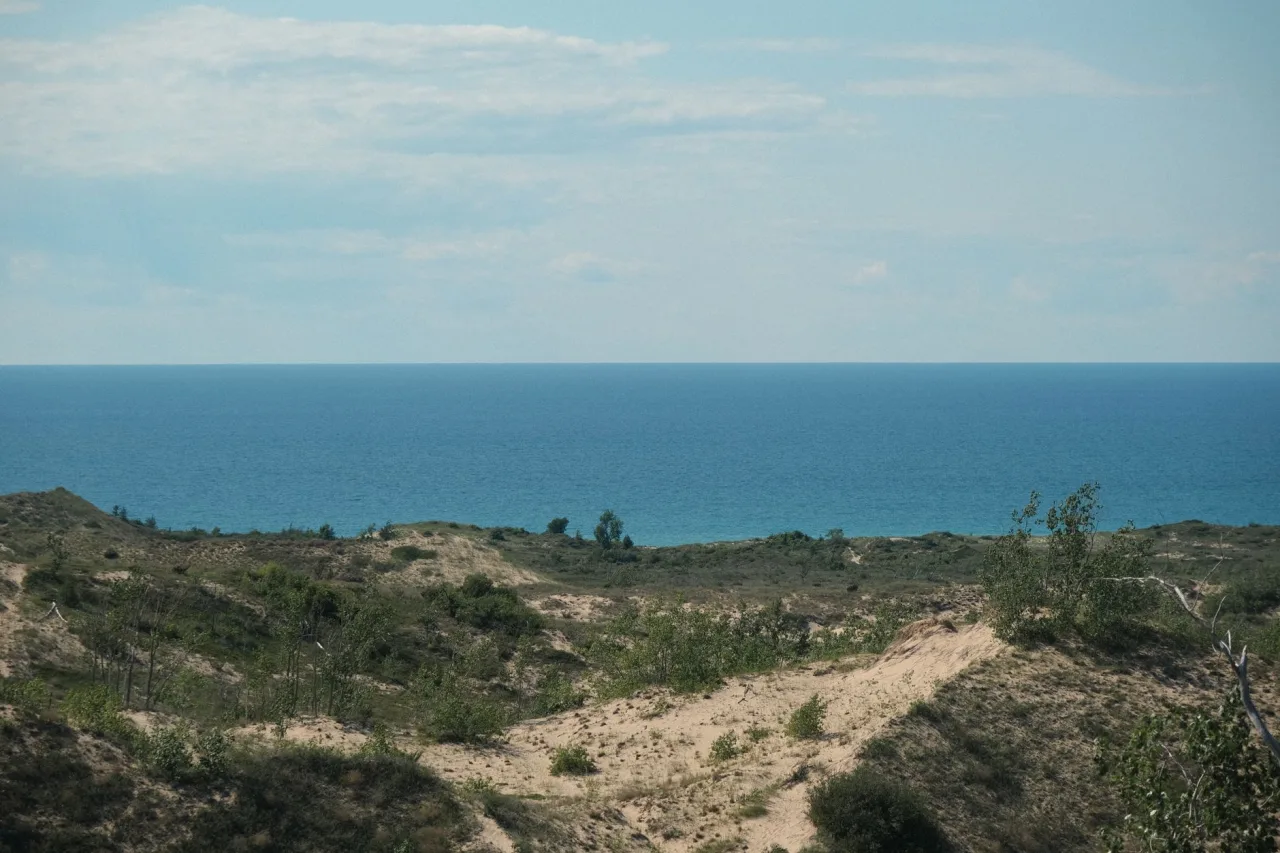
The dunes are the reason most people visit, and they are divided into three distinct sections. Knowing which is which prevents both disappointment and a rules violation.
- The off road vehicle (ORV) area. The northern section is open to private motorised vehicles driving on the sand, one of very few places in the eastern United States where you can legally do so. It requires the correct permits and equipment.
- The Walking Dunes. The middle of the park is a non vehicle area where you explore on foot. This is the quiet, scenic side, ideal for hiking, photography and families who want the dunes without engines.
- The dune rides section. The southernmost part is leased to a private operator, historically offering guided dune rides for visitors who want the experience without their own vehicle.
These zones are not interchangeable, so match your plan to the right one. If your group is mixed, the good news is you can combine a walking morning and a driving afternoon in the same park.
Tip: pin down which lake and which zone before you book
"Silver Lake" the destination includes the freshwater lake, the Lake Michigan shore and three separate dune zones. Decide whether your trip is mainly about swimming, ORV driving, or quiet hiking, then choose a campsite and permits that match. Booking blind and hoping to sort it on arrival is how people end up in the wrong zone on the busiest weekend of the year.
Best spots within the park
Because the park spreads across water and dunes, the best area depends entirely on your priorities. Use these as honest guidance rather than a ranking.
- For swimming and family beach days. The Silver Lake shore offers calmer freshwater, while the Lake Michigan side gives you the big open beach and sunsets.
- For off road driving. The northern ORV area is the whole point of the trip for many visitors, but plan around permit requirements and vehicle rules.
- For hiking and photography. The Walking Dunes deliver the dramatic sand scenery without motor traffic, and the nearby Little Sable Point Light is a landmark worth the walk.
- For a mixed trip. A campsite that keeps you central lets you sample all three, which suits families with varied interests.
Best seasons to visit
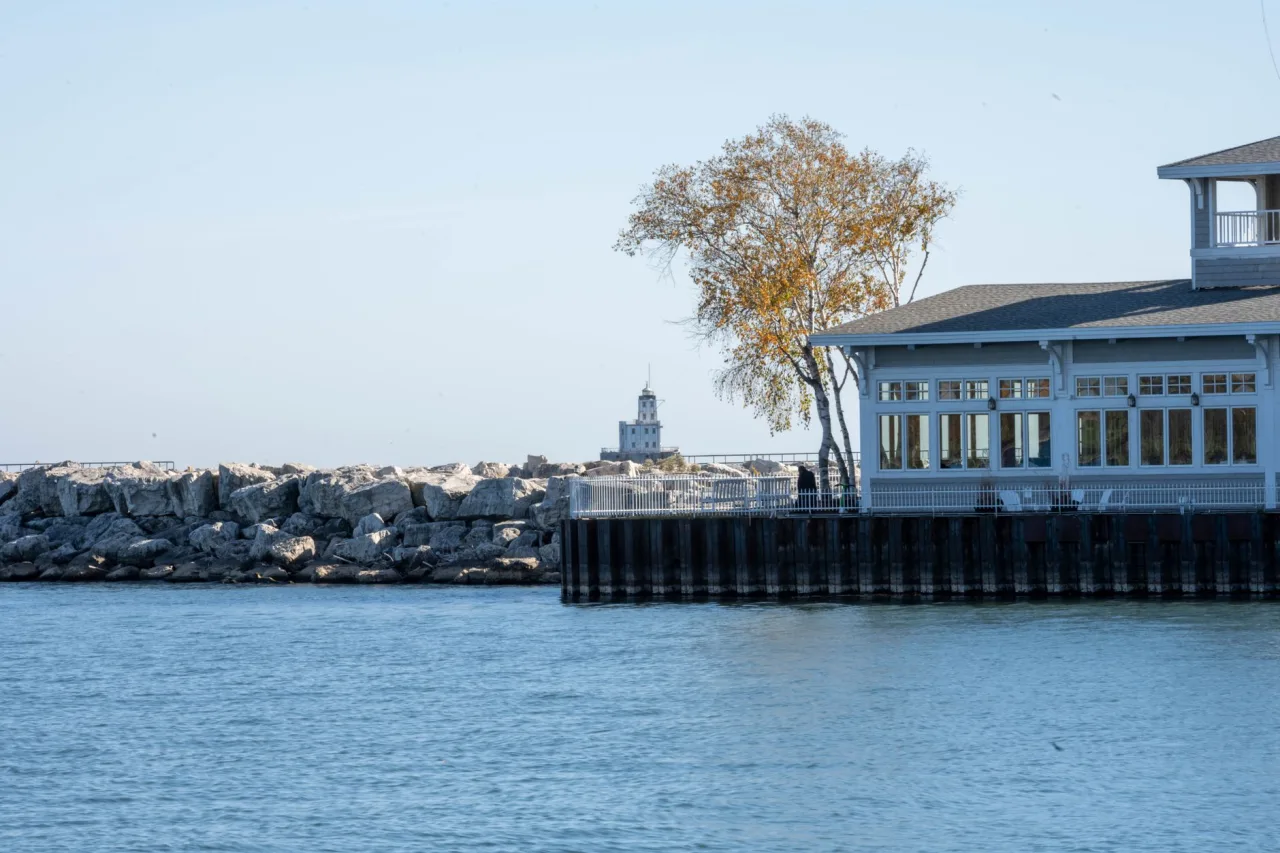
Silver Lake is a warm weather destination first. Summer is peak: the dunes, both lakes and the ORV area are all in full swing, the weather is reliable, and the private dune ride operation typically runs. That popularity is also the catch, because campsites, ORV access and the beaches are at their busiest and book earliest.
Late spring and early autumn are the sweet spot for anyone who can travel outside the school holidays. The dunes are still enjoyable, crowds thin out, and reservations are easier. Deep off season visits are quieter still but colder, with Lake Michigan wind and reduced services, so check what is open before you go. Whatever season you pick, the dune sand can get extremely hot underfoot in full summer sun, so plan footwear and water accordingly.
Rules and permits you must know
The park's unusual features come with real rules, and ignoring them can end a trip early. Confirm the current details with the Michigan DNR before you travel, since specifics change.
- Park entry. Michigan state parks require a Recreation Passport or day entry, so budget for park admission on top of any camping fee.
- ORV permits and equipment. Driving the dunes requires the correct permits and vehicle setup, including safety equipment. This is the most commonly misunderstood requirement, so read the DNR's dune driving rules in full.
- Camping reservations. Sites are booked through the Michigan DNR reservation system, not on the day in peak season.
- Zone boundaries. Vehicles belong only in the ORV area, never in the Walking Dunes or on the public beaches.
For a fuller sense of how national and state protected land handles permits and fees generally, the federal Recreation.gov portal is a good reference for nearby public lands, and detailed park facts are documented on the Silver Lake State Park reference page.
Warning: the dunes are hazardous, treat them with respect
Open sand dunes are not a playground surface. Sand temperatures can burn bare feet in summer, slopes are steeper and softer than they look, and the ORV area mixes fast vehicles with pedestrians. Keep children close, stay in the correct zone, carry water, and follow the posted safety rules. The scenery is the reward for taking the risks seriously.
What to pack for Silver Lake
The dune and double lake setting calls for a slightly different kit than a wooded campground. Build your list around sand, sun and water.
- Closed footwear for hot sand, plus water shoes for the lakes.
- Sun protection: hat, high factor sunscreen and shade, because the open dunes offer none.
- Plenty of drinking water, since the exposed terrain dehydrates you quickly.
- Swimming and beach gear for both the calmer Silver Lake and the bigger Lake Michigan surf.
- Standard campground kit: shelter, bedding, cooking equipment and a first aid kit.
- If driving the ORV area, the required permits, flags and safety equipment.
If the dunes and lakes leave you wanting more waterside camping, our lake camping guide and national park camping guide point to other destinations with a similar mix of water and scenery.
Frequently asked questions
Where is Silver Lake State Park?
It is in Oceana County, Michigan, on the Lake Michigan shore about four miles west of the town of Mears. The park borders both Lake Michigan and the freshwater Silver Lake, and it is managed by the Michigan Department of Natural Resources.
Can you drive on the sand dunes at Silver Lake?
Yes, in one specific zone. The northern section is a designated off road vehicle area open to private motorised vehicles on the sand, which is unusual for the eastern United States. It requires the correct permits and equipment, and vehicles are not allowed in the Walking Dunes or on the public beaches.
What is the best time of year to visit Silver Lake State Park?
Summer is peak season, with warm weather and all the dunes, lakes and the ORV area in full use, but it is also the busiest and books earliest. Late spring and early autumn offer a good balance of decent weather and thinner crowds, while deep off season is quiet but cold with reduced services.
Do I need a reservation to camp at Silver Lake State Park?
In peak season you effectively do. Campsites are booked through the Michigan DNR reservation system and fill well ahead for summer weekends. You will also need a Michigan Recreation Passport or day entry for the park itself, so confirm current fees and availability through the official DNR channels before travelling.
What should I pack for Silver Lake State Park?
Pack for sand, sun and water: closed shoes for hot sand plus water shoes, strong sun protection, plenty of drinking water, and swimming gear for both lakes. Add your standard camping kit, and if you plan to drive the dunes, bring the required ORV permits, flags and safety equipment.
More guides on Destination Camping
Have a question or a topic to suggest?
We read every message. Tell us what you would like to see next on the blog.
Get in touchYou may also like
Minicaravan
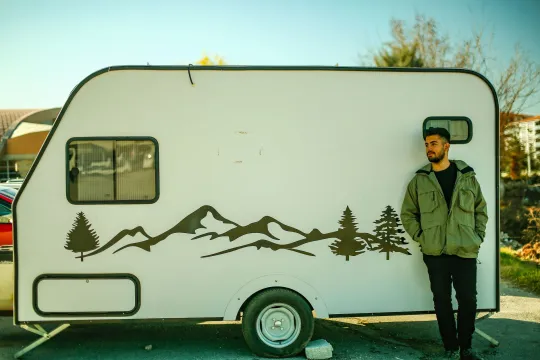
A minicaravan is the small, light end of the towable caravan world: compact enough to pull with an ordinary car, simple enough to set up in minutes
Camping Sites Lake District: Best Spots
The Lake District packs England's highest mountains and largest lakes into one compact national park, which makes it one of the finest and most popular places in the country to camp.
Cabin Camping
Cabin camping gives you the fresh air, campfire and dark skies of a tent trip with a solid roof, a real bed and a door that locks. This complete guide explains what cabin camping actually