Tents & Gear
Best Family Tent (2026 Buyer's Guide)
How to weigh capacity, weather protection, pitching and price so a family tent keeps everyone dry without an argument in the rain.
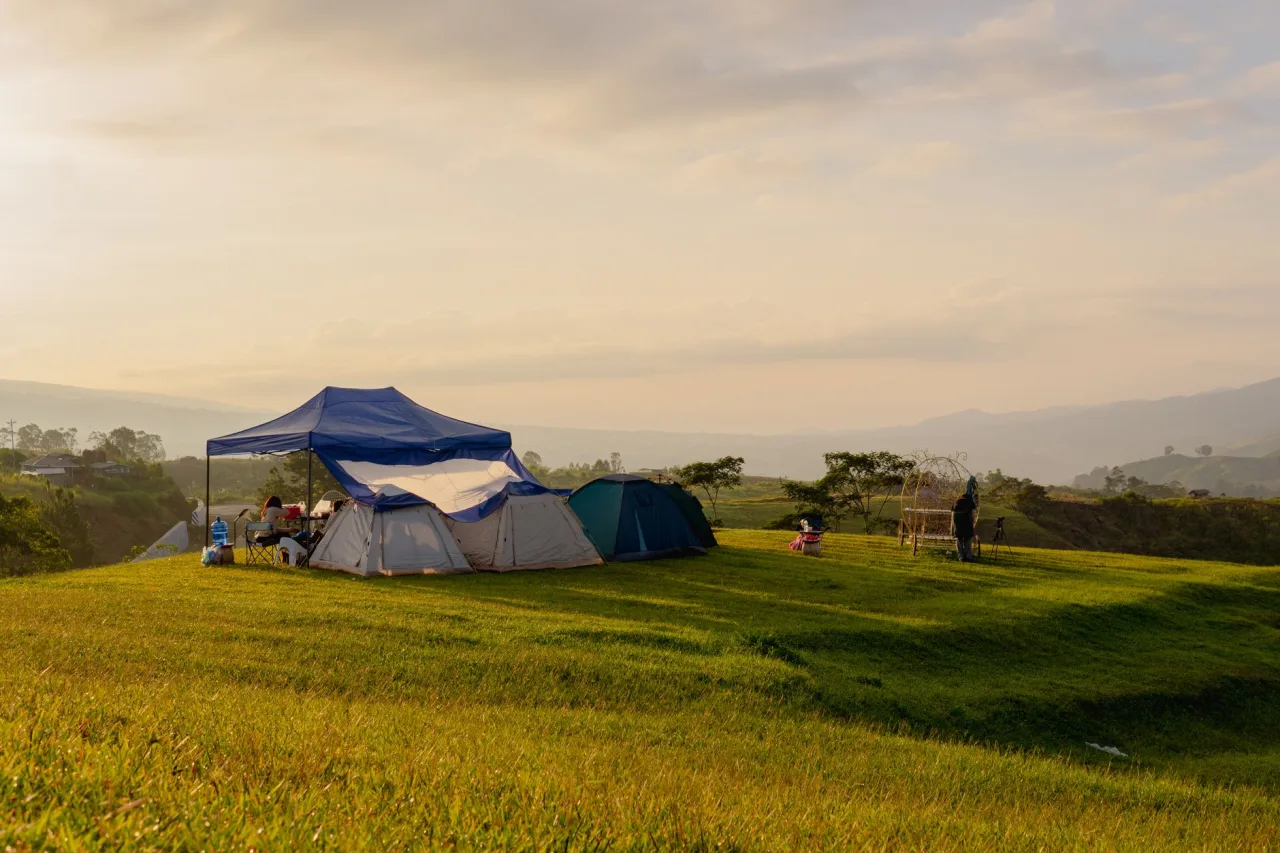
The best family tent is the one that keeps everyone dry, gives you room to move and pitches without a family argument in the rain. This is an honest buyer's guide, not a fake ranking: it explains the criteria that matter so you can choose the right tent for your family and your budget with your eyes open.
The short version
- Buy for how your family actually camps: number of nights, likely weather and how far you carry the tent from the car.
- Size up. A family of four is far happier in a tent rated for six, because ratings ignore gear and wriggle room.
- Prioritise easy pitching, two doors, standing height and good ventilation over headline features.
- Set a budget band first. Mid range tents suit most families, with extra spend buying durability rather than space.
Start with how your family camps, not the spec sheet
Before comparing any tents, be honest about your trips. A couple with one baby who camps twice a summer at a calm site has completely different needs from a family of five doing a fortnight in a windy coastal field. Ask yourself how many nights you stay, what season you camp in, whether children go to bed before adults, and how much gear travels with you. Those answers narrow the field faster than any feature list.
Family camping is almost always car camping, which means weight barely matters but livability matters enormously. You are effectively building a small temporary home, so space, headroom and ease of daily living should drive your decision. For a broad overview of getting started, our complete guide to camping is a useful companion.
Size and sleeping capacity, honestly
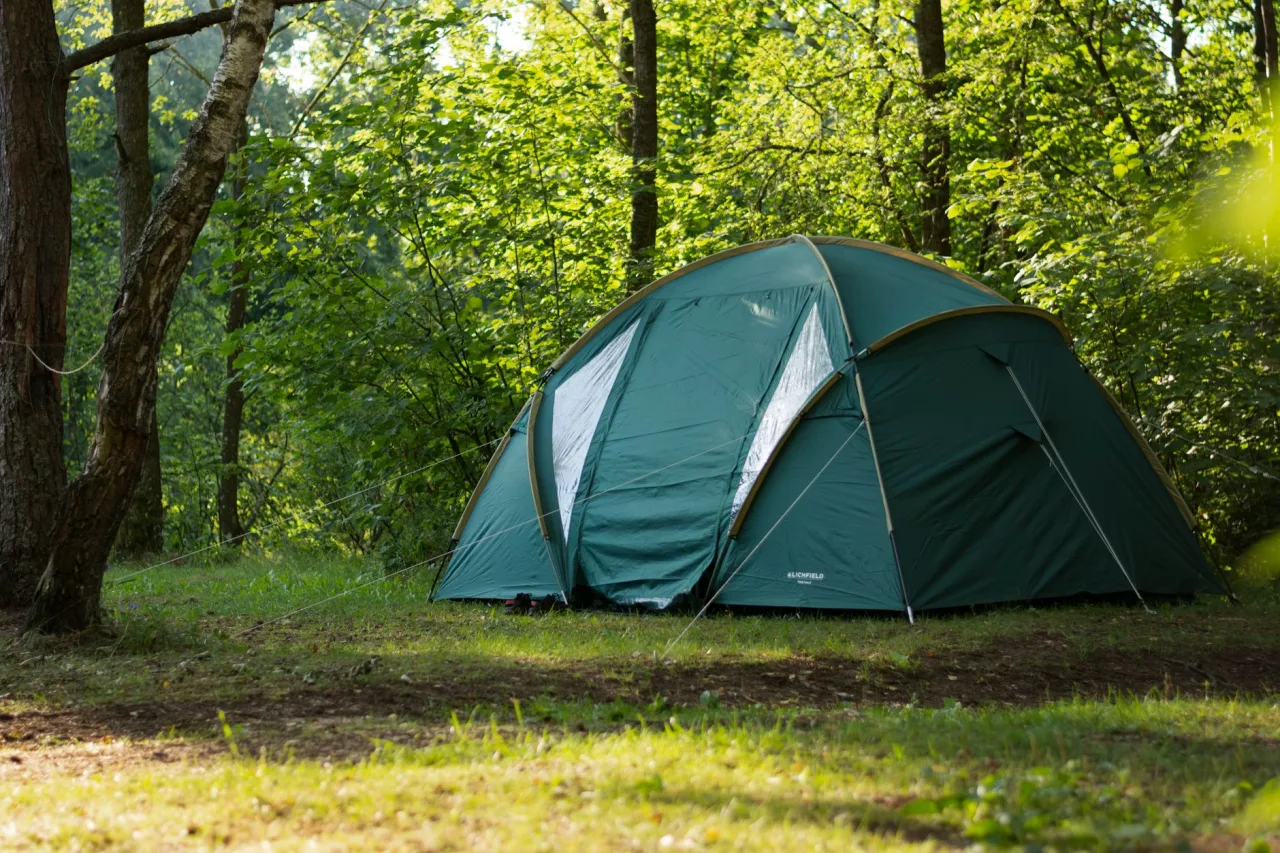
Tent capacity ratings describe bodies packed shoulder to shoulder with zero storage. That is why experienced families always size up. A tent labelled for six comfortably sleeps a family of four with room for bags, a travel cot and the inevitable pile of shoes. If you are a family of five or six, look at eight person models or tents with a separate living area.
Rather than trust the headline number, read the floor plan. Look at the sleeping bedroom dimensions in centimetres, count how many standard sleeping pads fit side by side, and check whether bedrooms can be split into separate pods. Comparing sizes is easier when you look across formats, so it is worth reading our 6 person tent guide and 4 person tent guide alongside this one.
Weather protection for real family trips
Children do not stop camping because it rains, so weather protection is not optional. Waterproofing is measured as a hydrostatic head in millimetres. A flysheet around 3000mm handles sustained rain confidently, and the floor should be rated higher because it takes the pressure of knees and elbows. According to Wikipedia's overview of tent construction and materials, tents are broadly classified as one, three or four season, with three season models handling fairly heavy rain and very light snow, which covers most family trips outside deep winter.
Look for taped seams, a bathtub style floor that curves up the walls, and a flysheet that reaches close to the ground. Do not overlook ventilation. Condensation from breathing bodies can soak the inside of a poorly ventilated tent overnight, so mesh panels and adjustable vents keep the interior dry and comfortable.
Warning
Never cook or run any fuel burning stove, lantern or heater inside a tent or a closed porch. The fire and carbon monoxide risk is genuinely life threatening. Cook outside in the open air and store the stove cold before packing.
The features that make family camping easy

Some features sound minor in a shop but transform a wet weekend in the field.
- Fast, forgiving pitching: colour coded poles, clip attachments and clear instructions mean you can pitch before a storm arrives, even with children underfoot. Some family tents use inflatable air poles that pitch in minutes.
- Two or more doors: nobody wants to climb over sleeping children for a night time bathroom trip. Separate entrances to the bedroom and living area are worth paying for.
- Standing height: being able to stand to dress and organise gear is a huge quality of life boost on a long trip.
- Blackout bedrooms: darkened bedroom fabric helps young children sleep past a bright summer dawn.
- A living area or porch: a covered space for muddy boots, wet coats and rainy day board games keeps the sleeping area clean.
Budget bands: what your money buys in 2026
Prices swing with brand, region, season and sales, so treat these as realistic ranges and confirm the current price when you buy.
- Entry level (roughly 100 to 200 in your local currency): fine for a few calm summer weekends. Simpler poles and fabrics, shorter lifespan, fewer comfort features.
- Mid range (roughly 200 to 450): the sweet spot for regular family campers. Better waterproofing, sturdier poles, multiple doors, blackout bedrooms and generous living space.
- Premium (450 and up): heavy duty tents built for frequent use, with tough poles, high fabric ratings, excellent ventilation and the durability to last many years.
As with most tents, paying more mainly buys durability, faster pitching and better weather resistance rather than extra floor area. Buy the level that matches how often you camp.
Durability and value over time
A family tent lives a hard life of muddy feet, curious children and repeated packing. Durability signals include the pole material, aluminium and quality fibreglass outlasting cheap poles, the denier and coating of the fabric, and the quality of zips and pegs, which are the first things to fail. Supplied pegs are often weak, and upgrading to sturdier steel or alloy pegs is a cheap way to make any tent more reliable in wind.
The best value tent is not the cheapest, it is the one you do not have to replace. A mid range tent that survives ten seasons costs far less per trip than two budget tents that leak and tear. Look after it and it lasts: dry it fully before storage, because packing it damp causes mildew that ruins waterproof coatings. To round out your kit, our guides to sleeping bags and camping pillows help everyone sleep better.
Field tip
Do a full practice pitch in the garden before your first trip. You will learn the pole layout, spot any missing parts, and be able to seal test the seams with a hose. A dry run at home saves a stressful first night away.
A first trip checklist for family campers
The tent is only useful if the whole camp works around it, so a little planning turns a stressful first trip into a smooth one. Before you leave, run through a simple checklist so nothing is forgotten at the pitch.
- Pitch it once at home. Learn the pole layout, confirm every part is present, and time how long setup takes so you can arrive at the site with daylight to spare.
- Check the peg count. Family tents need a lot of pegs and guy lines to stand firm in wind. Count them against the instructions and pack a few spare sturdy pegs.
- Plan the layout. Decide which bedroom is for the children, where wet boots live, and where you will cook, always outside and never inside the tent.
- Pack a repair kit. A small kit with tape, a spare pole section or repair sleeve, and seam sealant can save a trip if something tears.
Arriving with a plan means you spend the first evening relaxing rather than wrestling with the tent. Give children a simple job, such as sorting pegs or laying out sleeping mats, and setup becomes part of the fun rather than a chore.
Frequently asked questions
What size tent does a family of four need?
A tent rated for six is the comfortable choice for a family of four, because capacity ratings ignore gear and movement space. Sizing up gives you room for bags, a cot and shoes. A four person rated tent will feel tight for a family with children.
What makes a tent good for children specifically?
Look for blackout bedrooms that block early daylight, two doors so nobody climbs over sleepers, a covered living area for rainy days, and easy pitching so you are not fighting the tent while minding children. Standing height also makes dressing young children far easier.
How waterproof should a family tent be?
A flysheet around 3000mm hydrostatic head handles sustained rain, with a higher rating on the floor. Just as important are taped seams, a bathtub style floor and good ventilation to control condensation. Three season tents suit most family trips outside deep winter.
How much should I spend on a family tent?
Most families are well served in the mid range, roughly 200 to 450 in your local currency, though prices vary by brand, season and sales so confirm at purchase. Extra spending mostly buys durability, easier pitching and better weather resistance rather than more space.
Are inflatable air tents worth it for families?
They can be, because air pole tents pitch quickly and there are no poles to snap, which suits families in a hurry. They tend to cost more and are heavier, so weigh the faster setup against the price. Both air and pole tents can be excellent when well made.
More guides on Tents & Camping Gear
Have a question or a topic to suggest?
We read every message. Tell us what you would like to see next on the blog.
Get in touchYou may also like
Best 6 Person Tent (2026 Buyer's Guide)
Skip the fake rankings. Learn how to judge real capacity, weather protection and value so you pick the right 6 person tent for your family and budget.
Best 4 Person Tent (2026 Buyer's Guide)
The 4 person tent is camping's most versatile size. Learn how to judge real capacity, shape, weather protection and value to pick the right one for your budget.

Best Sleeping Bags 2026: Budget Picks
The right sleeping bag decides whether you sleep warm or shiver till dawn. This honest buyer's guide shows how to read temperature ratings, weigh down against synthetic, and pick the best bag for your budget and trips.