Destination Camping
Big Trees State Park: Best Spots, Seasons
"Big Trees State Park" most commonly means Calaveras Big Trees State Park
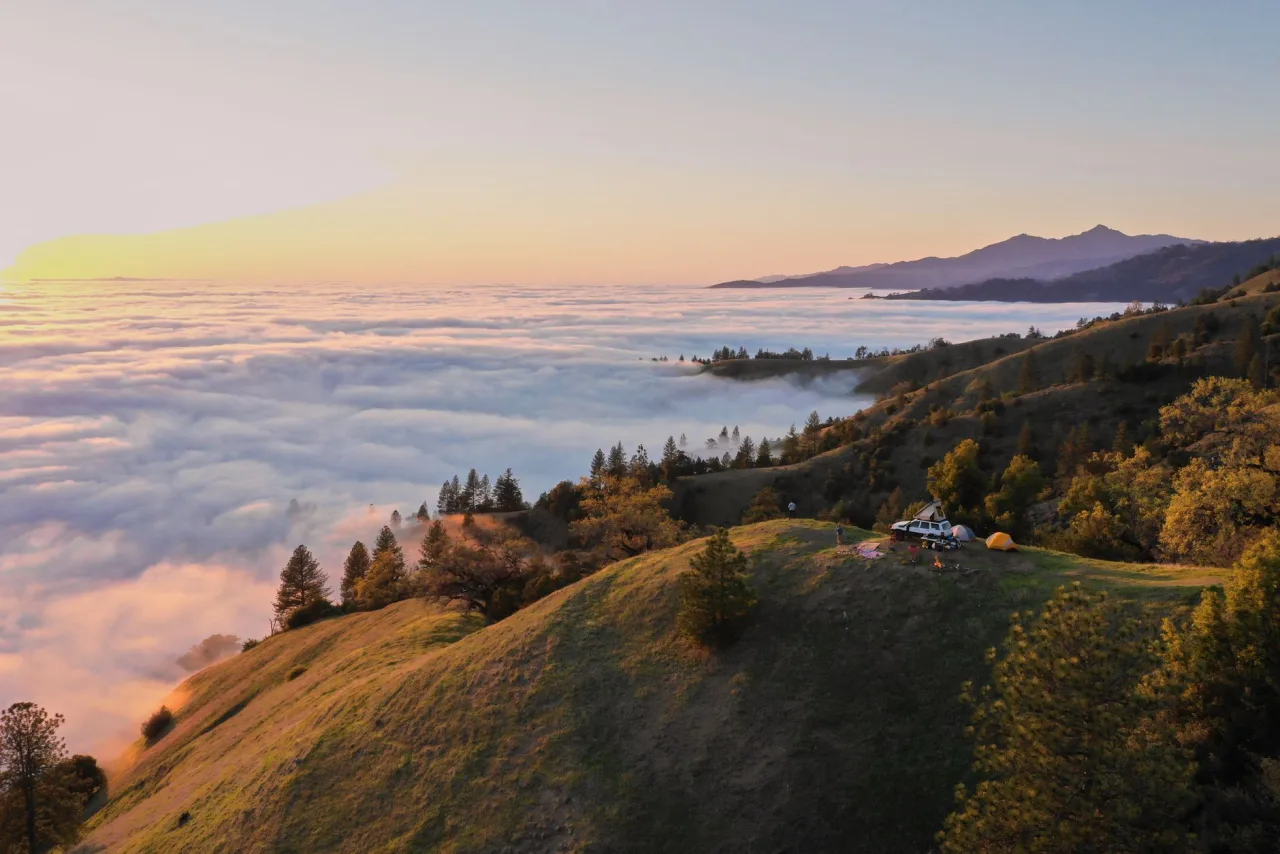
"Big Trees State Park" most commonly means Calaveras Big Trees State Park, a Sierra Nevada park in California built around two groves of giant sequoias, some of the largest living things on earth. This guide covers what makes it special, the best areas to explore, when to visit, how camping and reservations work, and what to pack, so you arrive prepared rather than guessing.
The short version
- Calaveras Big Trees State Park sits in the Sierra Nevada, in Calaveras and Tuolumne counties, about four miles northeast of Arnold, California, and preserves giant sequoias in its North and South Groves.
- It has two main campgrounds with around 129 campsites, plus picnic areas and hundreds of miles of trails.
- Late spring through fall is the main season. The road to the South Grove closes for winter, roughly December to May, so plan around snow.
- Camping is reservation-based through ReserveCalifornia, with standard nightly fees in the mid-thirties of dollars and slightly higher holiday rates: confirm current prices when you book.
What and where Big Trees State Park is
According to Wikipedia's article on Calaveras Big Trees State Park, the park lies in California's Sierra Nevada, spanning Calaveras and Tuolumne counties roughly four miles northeast of Arnold. It preserves a mixed conifer forest with two groves of giant sequoia trees, and its elevation ranges from about 4,560 to 4,920 feet. The park was formally established in 1931, though the North Grove has drawn visitors since 1852, making it one of California's longest-running natural attractions.
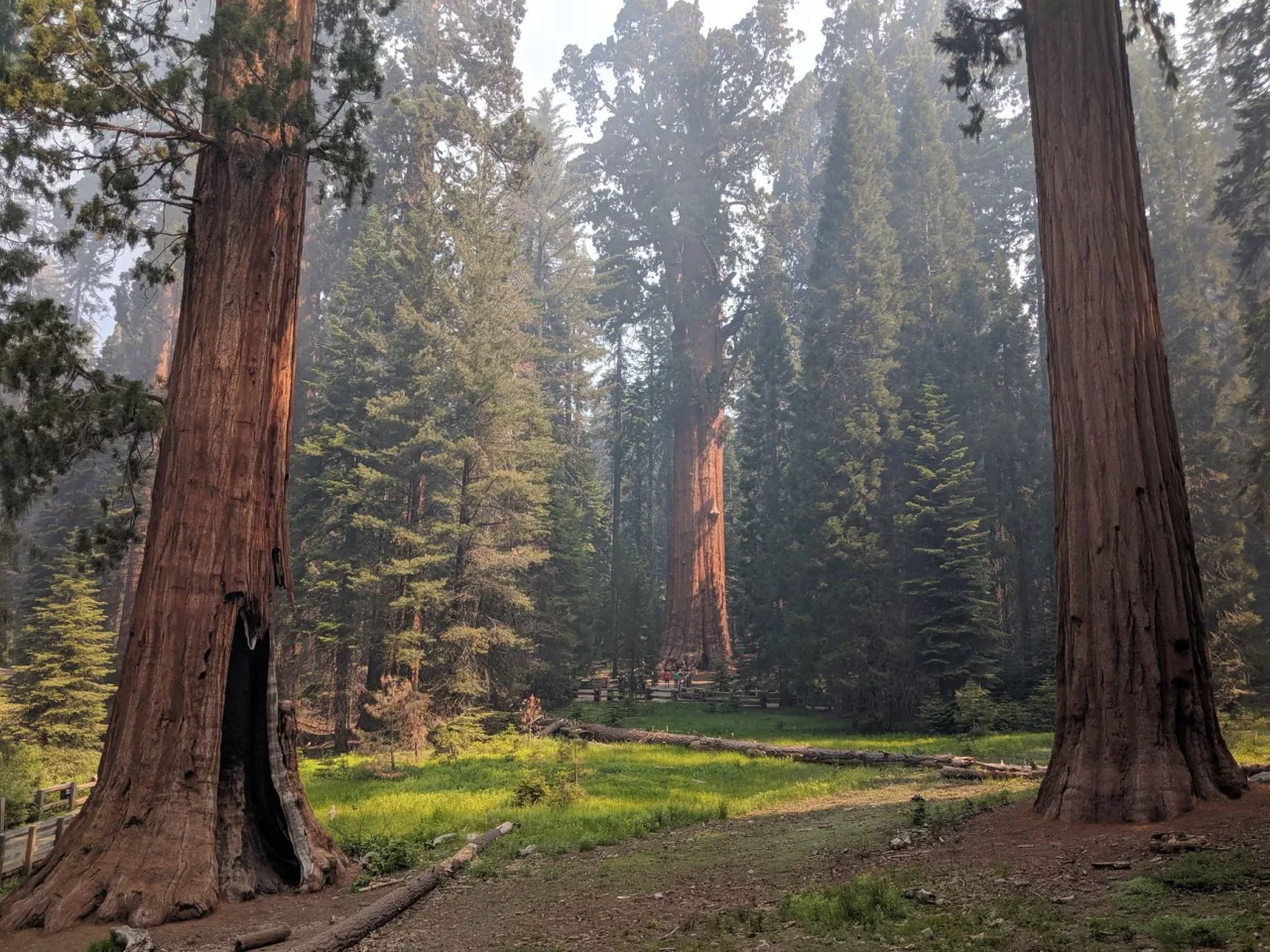
The headline draw is the giant sequoias themselves. The North Grove holds roughly 100 mature specimens and is the more accessible of the two, while the South Grove protects around 1,000 sequoias in a quieter, more remote setting. Together they give the park its name and its reason to visit: standing beside a tree that has lived for centuries is the kind of thing you remember for years.
The best areas to explore
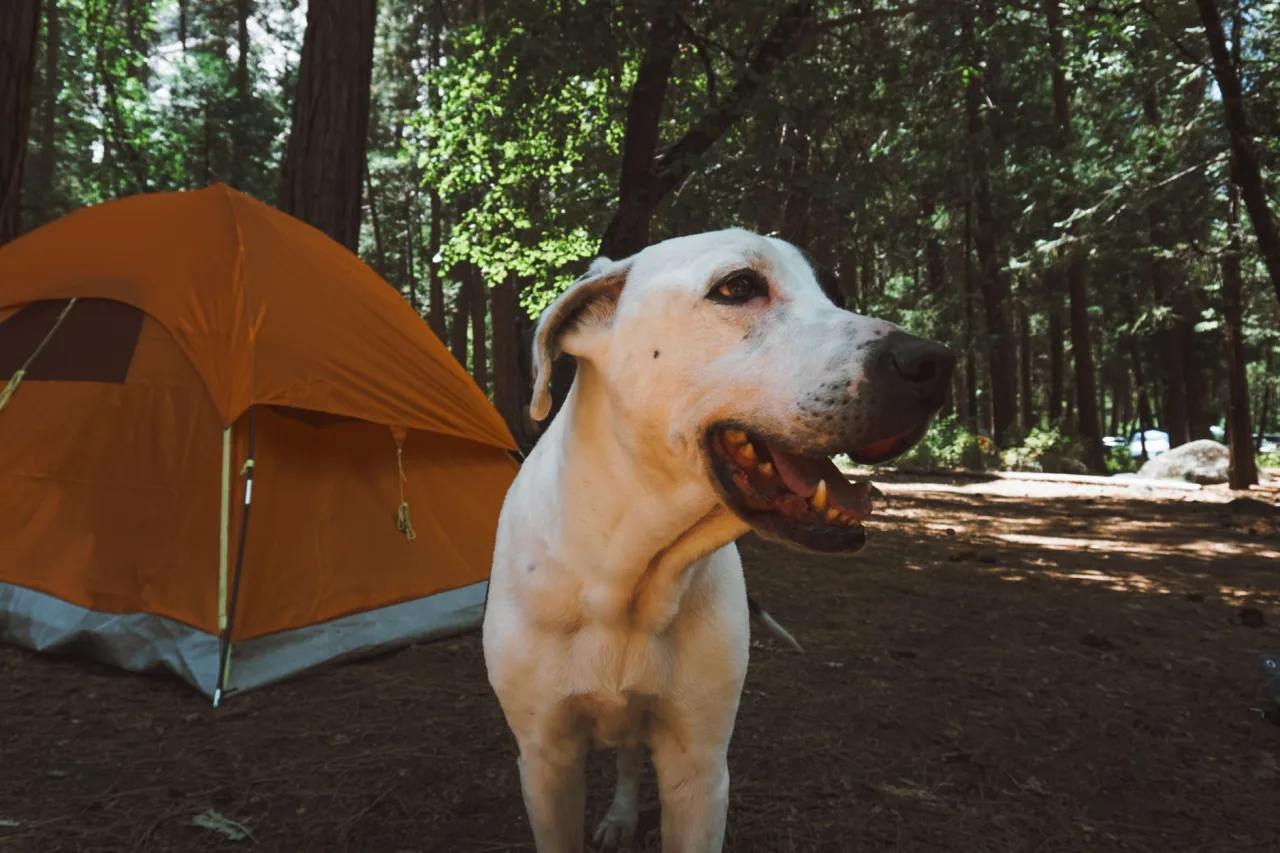
The park rewards a mix of easy strolls and longer walks. The main areas most visitors focus on are:
- North Grove: the classic introduction, reached by an accessible loop trail among the biggest, best-known sequoias. Ideal for families and first visits.
- South Grove: larger, quieter and more remote, reached via the Walter W. Smith Parkway when it is open, and rewarding for those who want a fuller hike among the trees.
- Stanislaus River and Beaver Creek: the park includes river frontage, offering cooler spots, water access and picnic areas in warmer months.
- Trail network: hundreds of miles of trails, from short interpretive loops to longer backcountry routes, suit a range of fitness levels.
If your legs and time are limited, the North Grove loop delivers the essential experience. With a full day and good conditions, adding the South Grove turns a nice visit into a memorable one. Wherever you walk, stay on marked trails: the shallow root systems of these ancient trees are easily damaged by trampling.
Tip: make the most of a single day
- Arrive early in peak season to secure parking and beat the midday crowds.
- Do the North Grove loop first, then decide if you have time and energy for the South Grove.
- Carry water and snacks: facilities are limited once you are on the trails.
- Check current trail and road status at the visitor center or official site before setting off.
Best seasons to visit
The park is a year-round destination but feels very different by season, and access changes with the weather. As the official California State Parks page for Calaveras Big Trees notes, the Walter W. Smith Parkway road closes annually with the first significant snowfall or around December 1, whichever comes first, and reopens around May 1. That single fact shapes how you should plan:
- Late spring to early fall: the main season. Roads are open, trails are clear, and both groves are fully accessible. Summer weekends are busiest.
- Fall: cooler, quieter and often beautiful, though watch for early snow closing the South Grove road.
- Winter: the North Grove area can offer snow-play and quiet beauty, but the South Grove road is closed and conditions can be harsh, so come prepared.
For a wider view of timing across California and beyond, our guide to state park camping and to national park camping both cover how season, altitude and demand interact when you plan a trip.
Camping and reservations
The park has two main campgrounds with roughly 129 campsites in total, along with group and remote camping options. Because these fill quickly in summer, reservations are essential in peak season. California State Parks takes bookings through ReserveCalifornia, where availability updates in near real time, so it is worth checking there directly for open dates.
On price, the official park page lists standard camping fees in the mid-thirties of dollars per night, with a small senior discount and slightly higher rates on holidays and during peak periods. Treat those as a guide and confirm the current figure when you book, since special rates can apply to weekends, holidays and high-demand dates. If Big Trees is full for your dates, our overview of how to find and compare campgrounds helps you line up nearby alternatives in the same region.
What to know before you go
A little preparation makes a big difference at altitude in the Sierra. Keep these practical points in mind:
- Altitude and weather: at over 4,500 feet, temperatures drop sharply after dark even in summer, so pack layers.
- Wildlife and food storage: store food securely and follow posted guidance, as bears and other wildlife are present in the Sierra Nevada.
- Stay on trails: protect the sequoias' shallow roots and the fragile forest floor by keeping to marked paths.
- Check conditions: confirm road, trail and fire-safety status before you travel, especially in shoulder seasons.
- Leave no trace: pack out what you pack in to keep the groves pristine for the next visitors.
For camping gear itself, our tested guides to the best camping tents and best sleeping bags help you pack for cool Sierra nights without overspending.
Warning: plan around the winter road closure
- The South Grove road typically closes from around December to May for snow.
- Winter conditions can be severe at altitude, so carry appropriate gear and check forecasts.
- Peak-summer campsites and parking fill early, so book and arrive ahead of the crowd.
- Always confirm current fees, reservations and conditions on the official channels before travelling.
Frequently asked questions
Where is Big Trees State Park?
Big Trees State Park usually refers to Calaveras Big Trees State Park, in California's Sierra Nevada. It spans Calaveras and Tuolumne counties, about four miles northeast of Arnold, at an elevation of roughly 4,560 to 4,920 feet. It preserves two groves of giant sequoias, the North Grove and the more remote South Grove.
What is the best time to visit?
Late spring through early fall is the main season, when roads are open and both groves are accessible. Summer weekends are busiest, while fall is quieter but risks early snow. The South Grove road typically closes from around December to May, so winter visits are limited to the North Grove area and need proper cold-weather preparation.
Can you camp at Big Trees State Park?
Yes. The park has two main campgrounds with around 129 campsites, plus group and remote camping options. Sites fill quickly in summer, so reservations through ReserveCalifornia are essential in peak season. Standard nightly fees are in the mid-thirties of dollars with a small senior discount, and slightly higher rates apply on holidays: confirm current prices when booking.
What are the two groves at the park?
The park protects two groves of giant sequoias. The North Grove holds roughly 100 mature trees and is the more accessible, reached by an easy loop trail, making it ideal for families and first visits. The South Grove is larger and more remote, with around 1,000 sequoias, and rewards visitors who want a longer, quieter hike among the trees.
What should I pack for a visit?
Pack warm layers because temperatures drop sharply after dark at altitude, plenty of water and snacks since trail facilities are limited, sturdy footwear, and secure food storage for wildlife. Check road, trail and fire-safety conditions before you travel, stay on marked trails to protect the sequoia roots, and follow leave-no-trace practice throughout your visit.
More guides on Destination Camping
Have a question or a topic to suggest?
We read every message. Tell us what you would like to see next on the blog.
Get in touchYou may also like
Caravan Sites Near Me: Find and Compare
Typing "caravan sites near me" into a search box gives you a map full of pins and almost no way to tell a great pitch from a disappointing one.
KOA Near Me: Review, Prices
Search "KOA near me" and you will find one of North America's most familiar camping brands, but familiarity is not the same as being the right pick for your trip.
Touring Caravans for Sale: Real Prices
"Touring caravans for sale" returns endless listings and very little guidance on which one is right for you or your car. This guide focuses on the touring caravan specifically