Waterside Camping
Beach Campgrounds: How to Choose
How to find, compare and book a great beach campsite: shade, tides, wind, fire rules, realistic costs and booking tactics.
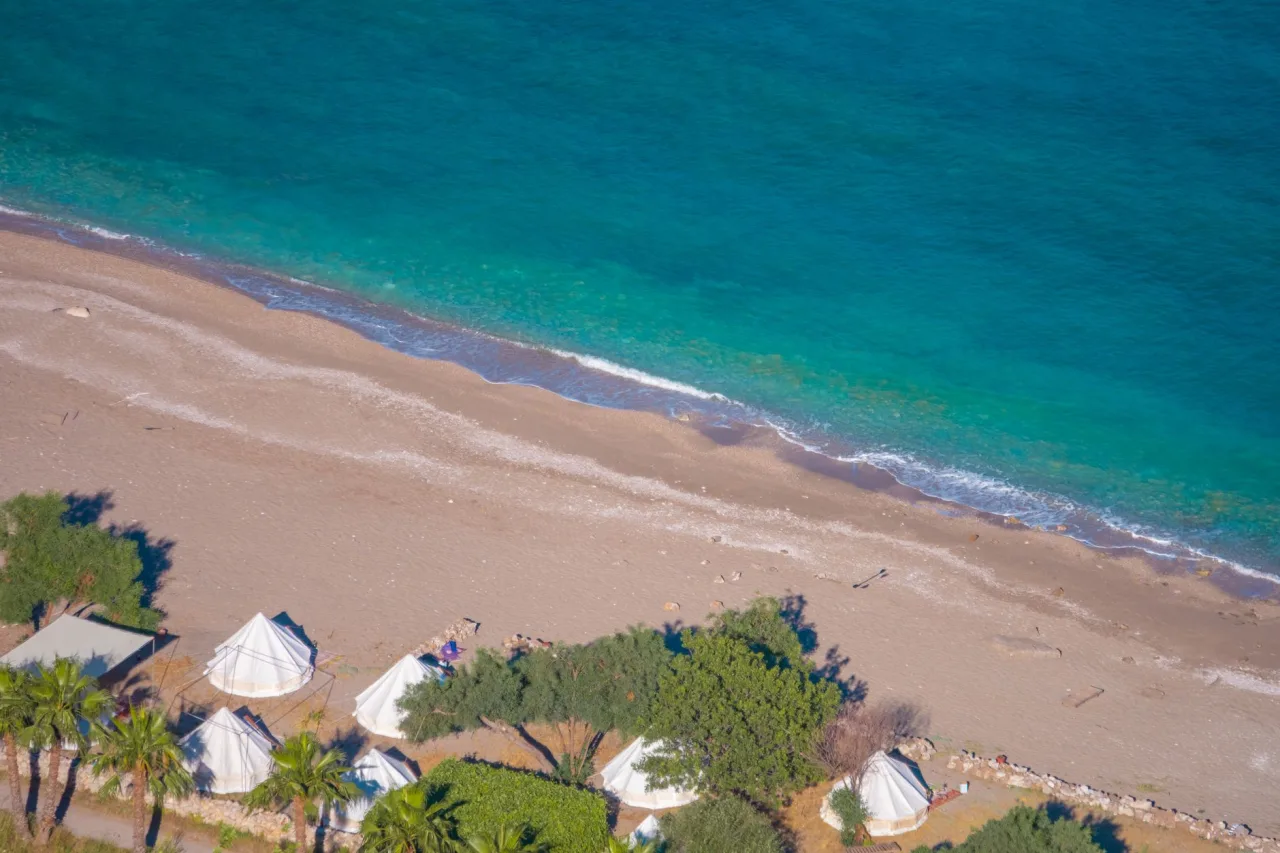
Falling asleep to surf and waking up to a sunrise over the water is one of camping's great pleasures, but beach campgrounds are also some of the hardest sites to book and the easiest to get wrong. This guide is not a fake leaderboard of "top ten beaches." It is an honest method for finding, comparing and choosing a genuinely good beach campground, wherever you are.
The short version
- Decide first whether you want a developed campground with facilities or a wilder, primitive shoreline site, because the two book and cost very differently.
- Beach sites sell out earliest of any camping type, so learn the booking window for your target park and set a reminder for the day it opens.
- Compare on the factors that actually ruin or make a beach trip: shade, wind exposure, tide and flood risk, distance from the water, and whether fires are allowed.
- Treat any price you see online as a starting range only. Fees vary by season, site type and demand, so confirm the exact figure at the moment you book.
What people mean by "beach campgrounds"
The phrase covers a surprisingly wide range of places. Some are full-service coastal parks with paved pads, hookups, flush toilets and hot showers a short walk from the sand. Others are primitive dune or barrier-island sites where you carry in everything and carry out your rubbish. A useful working definition, drawn from the general description of a campsite, is any designated overnight area within walking distance of a beach or shoreline, whether that beach faces an ocean, a large lake, or a wide river.
Getting clear on which kind you want is the single most important decision. A family towing a trailer needs a developed campground with hookups and a dump station. A pair of backpackers may prefer a walk-in primitive site with nothing but a fire ring and a view. Neither is "better," but they are booked, priced and prepared for in completely different ways.
How to actually find beach campgrounds near you
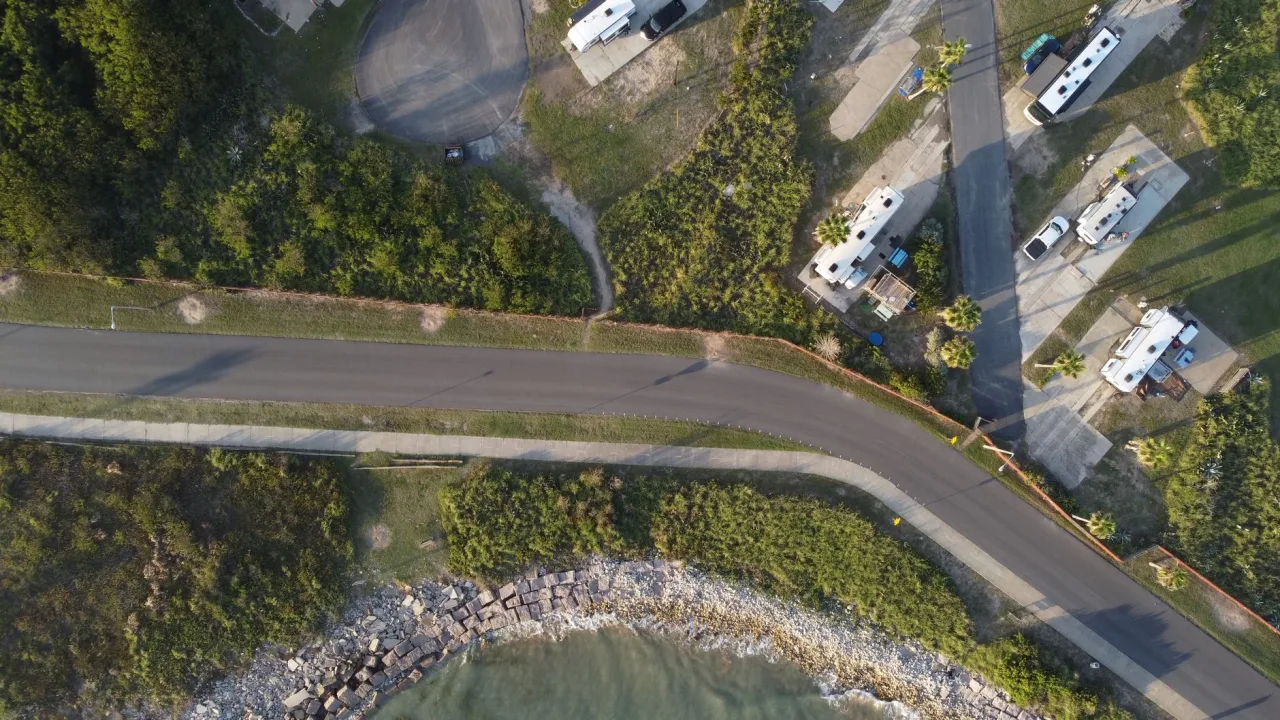
Instead of trusting a single directory, cross-check a few authoritative sources so you see the full picture:
- Government reservation portals. In the United States, federal sites (national parks, national forests, Army Corps lakes) are bookable through Recreation.gov, and most states run their own park reservation system. These are the ground truth for what exists and what it costs.
- Park websites directly. A national or state park page tells you which campgrounds it operates, whether they are open, and any current closures. Always read the official page before you rely on a third-party listing.
- Peer-to-peer and private platforms. Private campgrounds, farm stays and some coastal landowners list on booking platforms. These widen your options but vary in quality, so read recent reviews carefully.
If you are still deciding between coast and inland water, it is worth comparing against a lake campground, which often books slightly less frantically and can offer calmer swimming for young children.
The comparison checklist that matters at the beach
Two beach sites can look identical on a map and feel worlds apart in person. Score your shortlist against these factors:
- Distance to the water. "Beachfront" can mean fifty steps or a fifteen minute walk. Check the campground map, not just the marketing.
- Shade. Open coastal sites bake in summer. A site with tree cover or a shade structure is far more comfortable in the afternoon.
- Wind exposure. Steady onshore wind makes tents flap all night and sand get everywhere. Sheltered, dune-backed sites are calmer.
- Tide and flood risk. On tidal coasts and flood-prone rivers, know the high-water line and never pitch below it.
- Fire rules. Many beaches ban open fires or restrict them to metal rings. Confirm before you plan a campfire evening.
- Facilities. Toilets, potable water, showers and a dump station matter more the longer you stay.
Safety first: read the water, not the brochure
- Never camp below the high-tide line or in a dry riverbed that could flash flood.
- Check for rip current warnings and swim near lifeguards where they exist.
- Store food securely: gulls, raccoons and other wildlife raid coastal sites aggressively.
What beach camping realistically costs
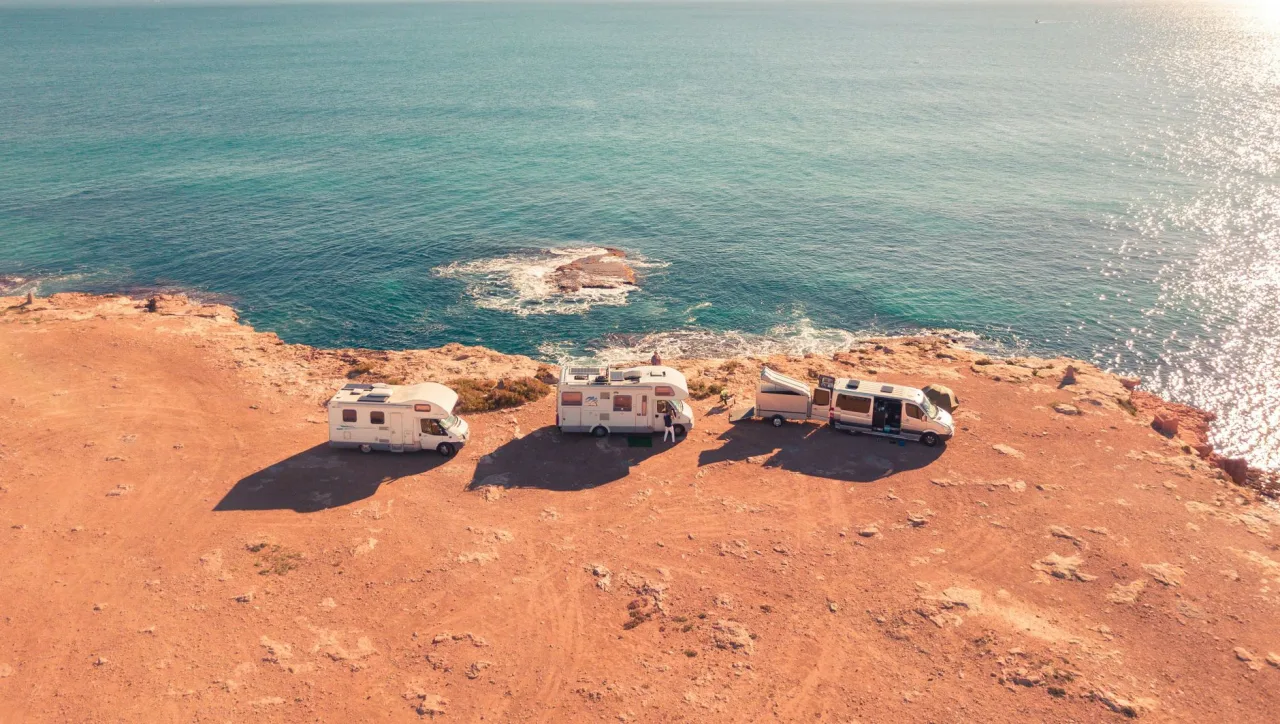
Prices swing widely by country, ownership and season, so treat any figure as a range to verify. As a rough guide, primitive or walk-in beach sites in public parks are often the cheapest option, developed public campgrounds with basic facilities sit in a moderate band, and private beachfront resorts with full hookups and pools cost the most, sometimes several times a public rate on a peak summer weekend. Holiday weekends, school holidays and any site with a direct water view command premium pricing.
Because demand is high, some parks also charge non-refundable reservation fees on top of the nightly rate, and a few hold back a portion of sites for shorter-notice booking. Read the fee and cancellation policy before you pay, and always confirm the total at checkout rather than assuming last year's price still applies.
Booking windows and how to beat the rush
Beachfront sites are the first to vanish in any park system. The practical playbook is simple but disciplined:
- Find your target park's booking window. Many public systems open reservations on a rolling basis a set number of months ahead.
- Create your account and save payment details in advance so checkout takes seconds.
- Be logged in and ready the minute the window opens for your dates. Popular weekends can sell out almost instantly.
- If you miss out, watch for cancellations. Plans change often, and refreshing in the days before a weekend frequently turns up a freed site.
For a broader primer on how reservation systems and campground types fit together, see our complete guide to camping sites.
Packing and pitching for sand and salt
Beach conditions punish ordinary gear. A few adjustments make the difference between a great trip and a gritty ordeal:
- Anchoring. Standard tent pegs pull straight out of loose sand. Use long sand stakes, or bury deadman anchors such as filled bags or logs.
- Sun protection. Bring a tarp or shade shelter, because open sites offer little natural cover.
- Salt and sand care. Rinse zips and poles with fresh water afterward, since salt corrodes hardware and grit jams zips.
- The right shelter. A sturdy, well-vented tent handles wind and heat far better than a cheap dome. If you are still choosing, our roundup of the best tents for 2026 breaks options down by budget.
Camp responsibly on fragile shorelines
Beaches, dunes and barrier islands are delicate and often protect nesting birds and turtles. Following the Leave No Trace principles keeps them open for the next camper: stay on established sites and boardwalks, keep well clear of dune vegetation and roped nesting areas, pack out every scrap of litter including food waste, and observe wildlife from a distance without feeding it. Many closures happen precisely because visitors trampled dunes or disturbed nesting seasons, so responsible camping is also self-interested.
If salt and sand are not for you but you still want water views, a wooded lake camping spot can deliver the same waterside feel with gentler wind and calmer swimming.
Frequently asked questions
When is the best time to book a beach campground?
As early as your target park allows. Beachfront sites sell out fastest of any camping type, so find the park's booking window, have an account ready, and be online the moment reservations open for your dates. If you miss out, watch for cancellations in the days before the weekend.
How much does beach camping cost?
It varies widely by country, ownership and season. Primitive public sites tend to be cheapest, developed public campgrounds fall in a moderate band, and private beachfront resorts cost the most, especially on peak summer weekends. Always confirm the exact nightly rate and any reservation or cancellation fees at the moment you book.
Can I have a campfire on the beach?
Sometimes, but many beaches ban open fires or limit them to designated metal rings, and fire bans are common in dry seasons. Check the specific campground's current rules before you plan a fire, and never leave one unattended.
Is it safe to camp right on the sand?
Only above the high-tide line and never in a spot that could flood. Check tide times and rip current warnings, anchor your tent with long sand stakes or buried deadman anchors against wind, and store food securely from gulls and other wildlife.
What is the difference between a developed and a primitive beach site?
A developed beach campground has facilities such as toilets, water, and sometimes hookups and showers, and usually costs more. A primitive site has little or no infrastructure, so you carry in everything and carry out your waste, but it is often cheaper and quieter. Choose based on how self-sufficient you want to be.
More guides on Campgrounds & Campsites
Have a question or a topic to suggest?
We read every message. Tell us what you would like to see next on the blog.
Get in touchYou may also like
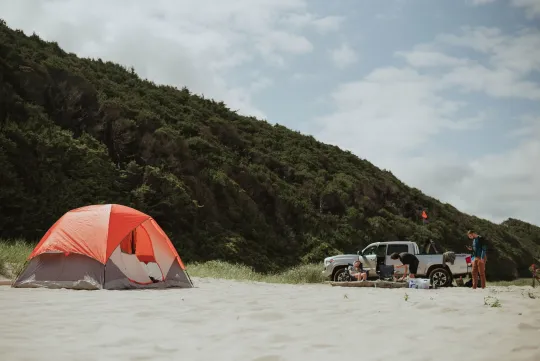
Beach Camping Near Me: How to Choose
A practical method for finding, comparing and choosing a beach campsite near you: where to search for real availability, how to weigh distance, tide exposure, facilities and cost, and how to camp safely on the coast.
Lake Campgrounds: How to Choose
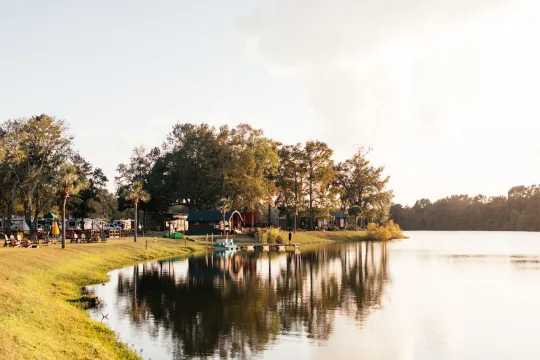
An honest guide to finding, comparing and choosing a good lake campground anywhere, with a checklist for water access, shade, insects and boats, plus how to book the best waterfront sites.
Camping Sites: The Complete Guide
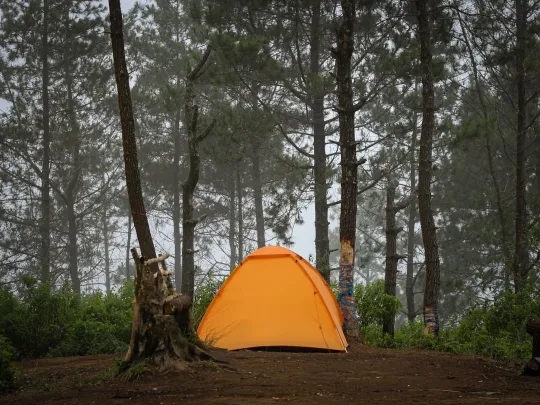
From full-facility holiday parks to wild backcountry pitches, this complete guide maps the types, costs, amenities and booking of camping sites.