Family Camp-Resorts
Yogi Bear Campground: How to Choose
What Jellystone Parks really offer, how locations differ, and how to pick and book the right one for your family.
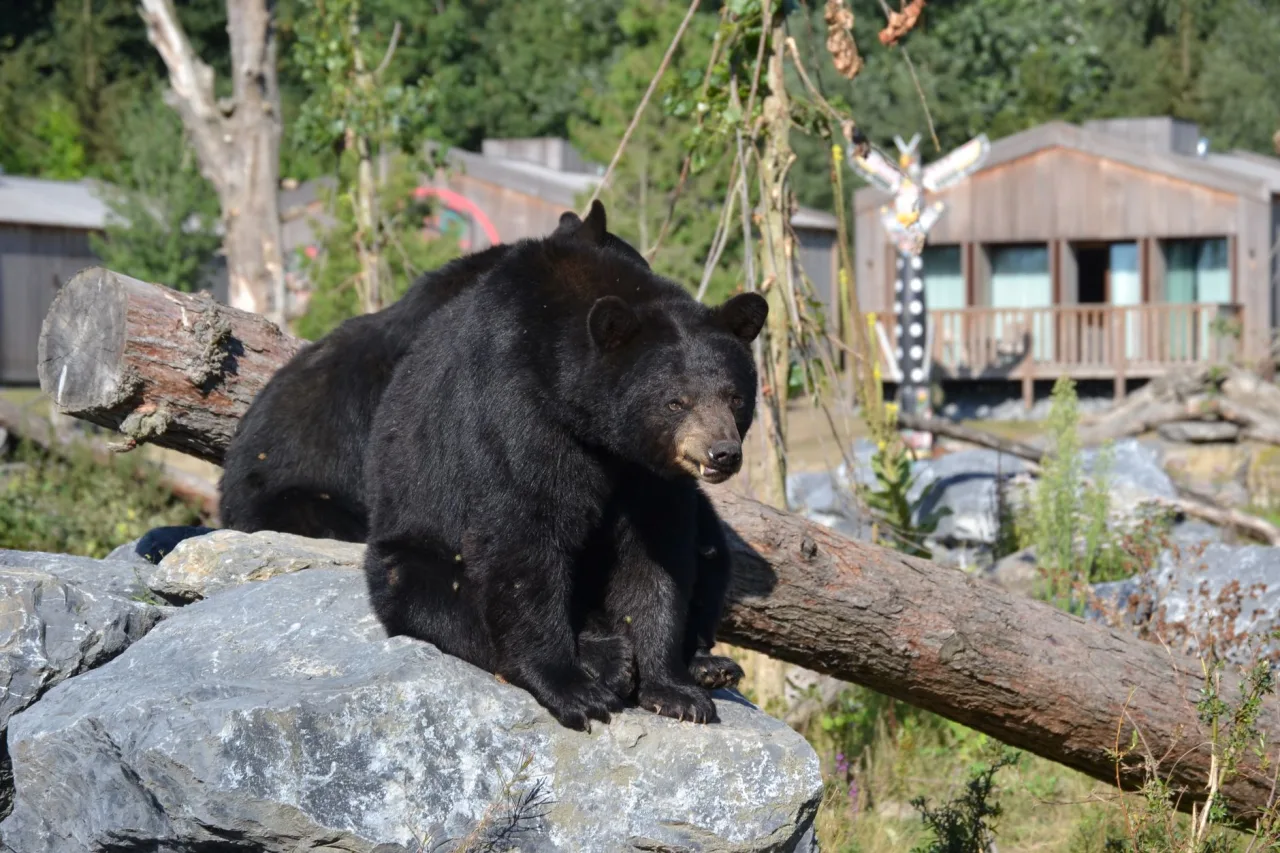
When people search for a "Yogi Bear campground" they almost always mean a Yogi Bear's Jellystone Park, the family camp-resort franchise built around the classic cartoon character. This is not a fake ranking of individual parks. It is an honest guide to what these resorts are, how to compare one location against another, and how to choose the site that fits your family.
The short version
- "Yogi Bear campground" refers to Yogi Bear's Jellystone Park Camp-Resorts, a franchise founded in 1969 with its first location in Sturgeon Bay, Wisconsin.
- As of December 2023 there were more than 75 franchised Jellystone Park locations across 27 US states and four Canadian provinces, so amenities and prices vary a lot by location.
- Every location is required to offer a minimum of 100 campsites, at least four full-service cabins, a commercial swimming pool, and a children's playground, which is why the brand skews heavily toward families.
- Because each park is independently franchised, always compare the specific location's amenities, rules, and current rates rather than assuming they are identical.
What "Yogi Bear campground" actually means
There is no single campground called "Yogi Bear." The name is shorthand for Yogi Bear's Jellystone Park Camp-Resorts, a franchise chain that licenses the Hanna-Barbera Yogi Bear characters and a consistent set of resort features. The concept was founded in 1969, and the first Jellystone Park was built in Sturgeon Bay, Wisconsin. Since then it has grown into one of the best known family camping brands in North America.
That franchise structure is the single most important thing to understand before you book. Each park is run by a different owner-operator under a shared brand standard, so two Jellystone Parks in different states can feel quite different in size, price, and activity lineup. When you compare "Yogi Bear campgrounds," you are really comparing individual franchised resorts that happen to share a mascot and a baseline of required facilities.
What every Jellystone Park is required to offer
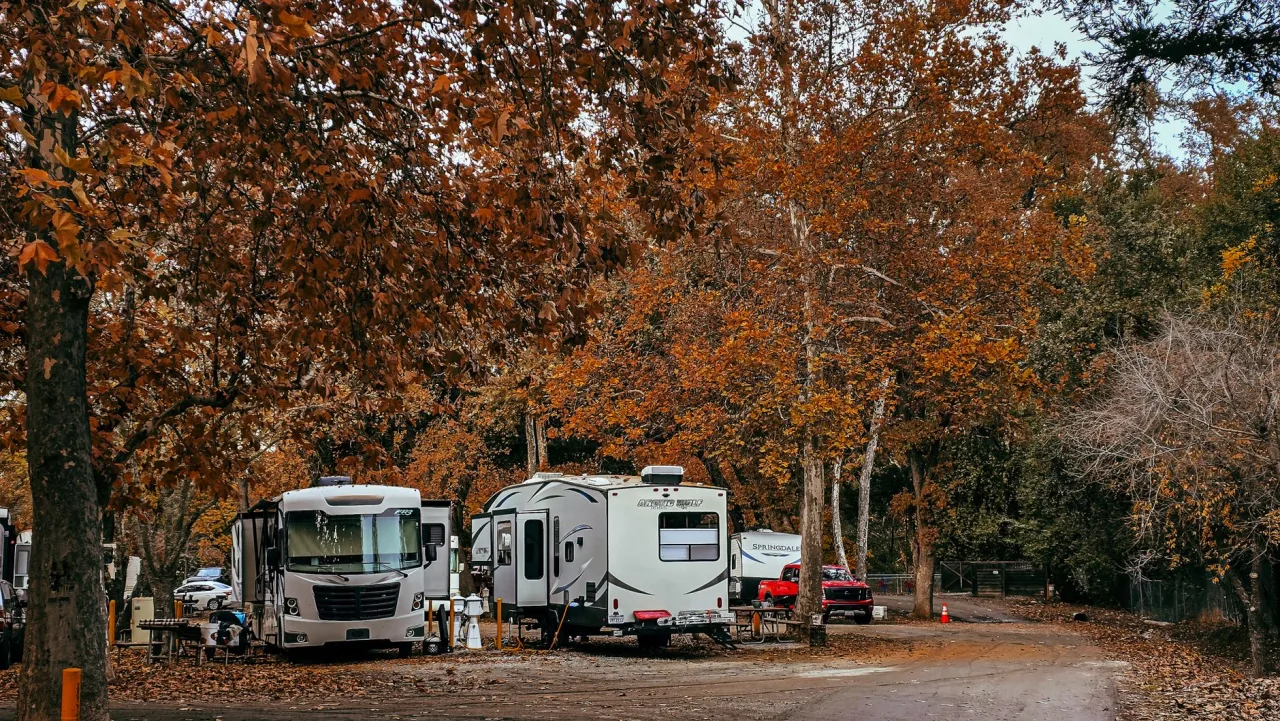
The franchise sets minimum standards, which makes comparison easier because you know what a location must have at the very least. Confirmed baseline requirements include:
- A minimum of 100 campsites, so these are mid-to-large resorts rather than small quiet campgrounds.
- At least four full-service cabins for guests who do not want to tent camp.
- A commercial swimming pool of at least 20 by 50 feet.
- First-class restroom and laundry facilities.
- A retail store on site.
- A children's playground, a video theater, and a covered pavilion for events.
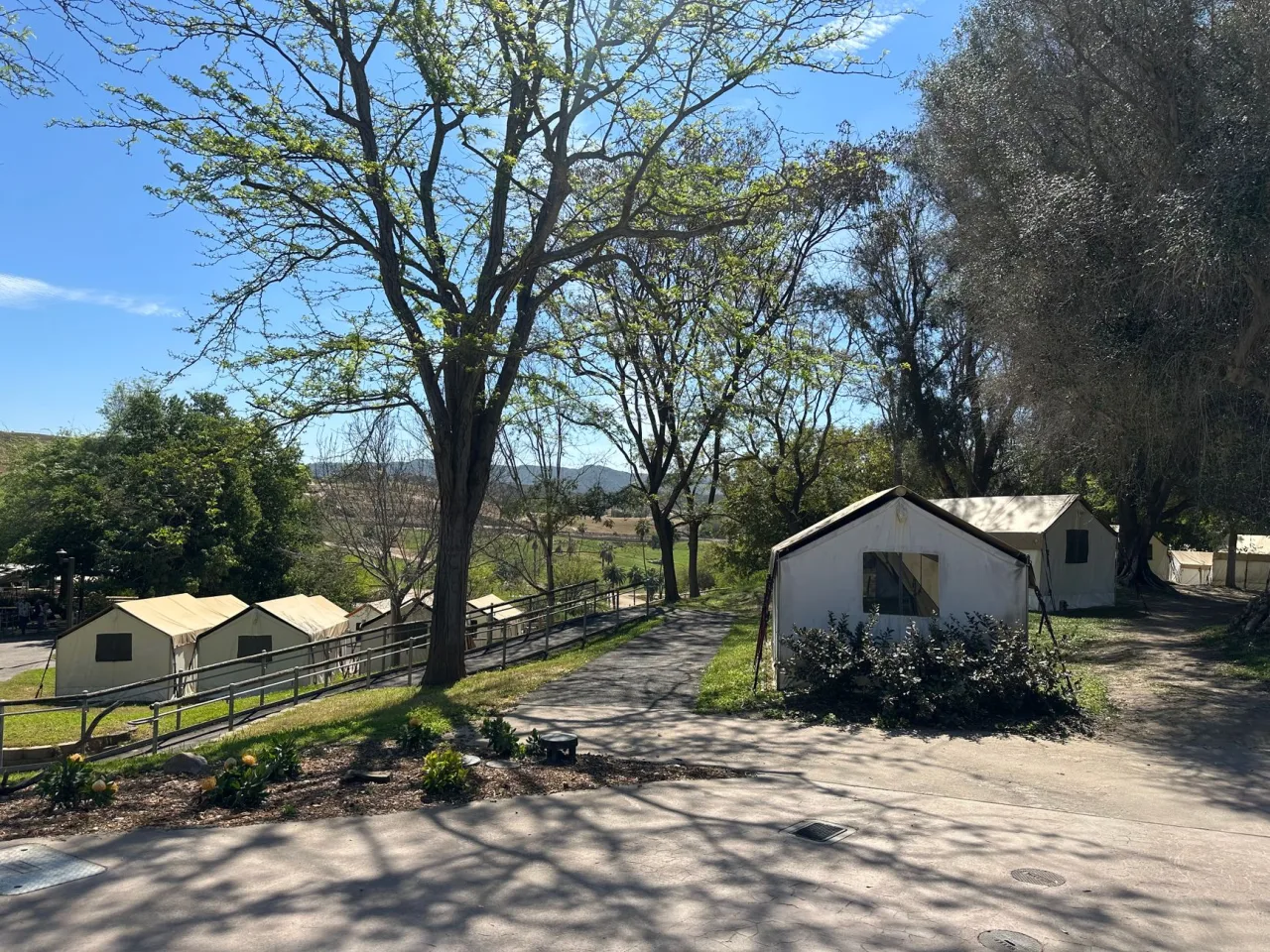
Beyond that baseline, optional amenities vary widely by location and commonly include water slides, mini golf, and laser tag, plus accommodation styles such as cabins, cottages, treehouses, yurts, and glamping tents. If those cabin and glamping options appeal to you, our complete guide to glamping explains what to expect from each style before you pay a premium for it.
How to compare one Jellystone Park against another
Because amenities are not identical across the franchise, use a consistent checklist so you are comparing like with like:
- Activity lineup: Some parks lean heavily on water play, others on themed weekends and character appearances. Match the schedule to your kids' ages.
- Site type: Confirm whether you want a tent site, an RV site with hookups, or a cabin, and check availability of each.
- Distance and driving time: A resort two hours away with a smaller pool may beat one five hours away with a bigger one.
- Noise and pace: These are lively, activity-packed resorts by design. If you want quiet wilderness, a Jellystone Park is probably the wrong fit.
- Rules and policies: Pet policies, quiet hours, and pool rules differ by location. Read them before booking.
- Cancellation terms: Franchised parks set their own policies, so never assume a flexible refund.
Family tip
Jellystone Parks are built for organized fun, not for getting away from crowds. If your children are young and thrive on planned activities, pools, and mascot meet-and-greets, they are a strong choice. If your family wants stargazing and solitude, look at a public campground instead. Knowing which kind of trip you want saves disappointment.
Typical costs, as realistic ranges
Prices vary by location, season, site type, and how far ahead you book, so treat any figure as a starting point and confirm the current rate at the point of reservation. As a realistic 2026 planning range, a standard tent or RV site at a family camp-resort like Jellystone commonly runs from roughly the mid-$40s into the $90s or more per night in peak summer, with cabins, cottages, and premium glamping units priced well above that. Holiday weekends and themed events carry the highest rates. Because these are private resorts with pools, water slides, and staffed activities, they usually cost more than a basic public campground, and that difference pays for the amenities. Always verify pricing when you book, since peak-season and event pricing shifts.
If you are weighing a resort like this against a simpler public option to save money, our guide to finding and comparing campgrounds walks through how to judge value across very different site types.
Where Jellystone Parks fit among family campgrounds
An estimated two million guests stay at a Jellystone Park each year, which tells you these resorts have found a clear niche: parents who want camping with built-in entertainment and reliable facilities. They are one option within the wider family-camping category, not the only one. Many public and private campgrounds offer excellent family experiences at a lower price, just without the branded characters and water parks.
To see how these resorts stack up against other family-focused options, compare them using our guide to finding family friendly campsites, which uses the same honest criteria approach rather than a fixed leaderboard.
How to book and how it differs from public sites
Each Jellystone Park handles its own reservations, typically through its own website or phone line, since these are private resorts. That is a key difference from public campgrounds on federal land, which reserve through the federal recreation platform at Recreation.gov, which handles reservations across national parks, national forests, and other public sites. With a private resort like Jellystone you deal directly with the individual park, so read that specific location's booking terms carefully.
- Shortlist two or three locations within your acceptable driving distance.
- Compare their activity calendars, site types, and current rates side by side.
- Check the cancellation policy before you pay a deposit.
- Book early for summer and holiday weekends, which fill fast at popular parks.
Tent, RV, or cabin: matching your setup
Your shelter choice shapes which sites and prices apply. Cabins and glamping units suit families who want beds and climate control without the hassle of setup, while RV travelers should confirm hookup type, site length, and dump-station access. Tent campers usually get the widest choice of sites and the lowest rates. If you are heading out under canvas, our best tent guide for 2026 helps you pick a tent that stands up to a busy family weekend and changeable weather.
Building your Yogi Bear campground shortlist
Put it together like this. Confirm you actually want a lively, amenity-rich family resort rather than a quiet campground. Shortlist locations by driving distance. Compare each park's activities, site types, rules, and current pricing using one consistent checklist. Check cancellation terms, then book early for peak dates. That process beats any static ranking, because the best Jellystone Park for you is the one that is close enough, open, bookable, and matched to your family's age range and pace.
Frequently asked questions
Is there one campground called Yogi Bear?
No. "Yogi Bear campground" refers to Yogi Bear's Jellystone Park Camp-Resorts, a franchise chain of family camp-resorts. Each location is independently owned and operated under a shared brand, so there is no single Yogi Bear campground, only many franchised Jellystone Parks.
How many Yogi Bear's Jellystone Park locations are there?
As of December 2023 there were more than 75 franchised Jellystone Park locations across 27 US states and four Canadian provinces. The franchise was founded in 1969, and its first park was built in Sturgeon Bay, Wisconsin.
What amenities does a Jellystone Park have?
Every location is required to offer at least 100 campsites, four or more full-service cabins, a commercial swimming pool, first-class restrooms and laundry, a retail store, a children's playground, a video theater, and a covered pavilion. Many parks add extras like water slides, mini golf, laser tag, and glamping units, but these vary by location.
How much does a Yogi Bear campground cost?
Prices vary by location, season, and site type, and should be confirmed when you book. As a realistic 2026 range, standard tent or RV sites at family camp-resorts like Jellystone commonly run from the mid-$40s into the $90s or more per night in peak summer, with cabins and premium glamping units higher. Holiday weekends cost the most.
Are Jellystone Parks good for young children?
Yes, they are designed for families with young children, offering pools, playgrounds, planned activities, and character appearances. If your family prefers quiet, wilderness-style camping, a public campground is a better fit, since Jellystone Parks are intentionally lively and activity-focused.
How do I book a Jellystone Park?
Because these are private resorts, each park handles its own reservations through its own website or phone line, unlike public federal campgrounds that book through Recreation.gov. Shortlist a few locations, compare their activities and rates, check the cancellation policy, and book early for summer and holiday weekends.
More guides on Campgrounds & Campsites
Have a question or a topic to suggest?
We read every message. Tell us what you would like to see next on the blog.
Get in touchYou may also like
Family Friendly Campsites: Find and Compare
A "family friendly" label on a campsite means very little on its own. What actually makes a trip smooth with kids is a specific set of features, safety details, and rules that you can check in advance.
Campgrounds: Find and Compare Spots
How to tell campgrounds apart, compare them fairly and pick the one that fits your trip, whether you are in a tent, a trailer or a hire cabin.
Glamping: The Complete Guide
What glamping is, the main accommodation types, realistic costs, and how to choose a stay that lives up to the listing.