Destination Guide
National Park Camping Guide
Campground types, best seasons, how reservations and backcountry permits work, and the rules to know before you camp in a national park.
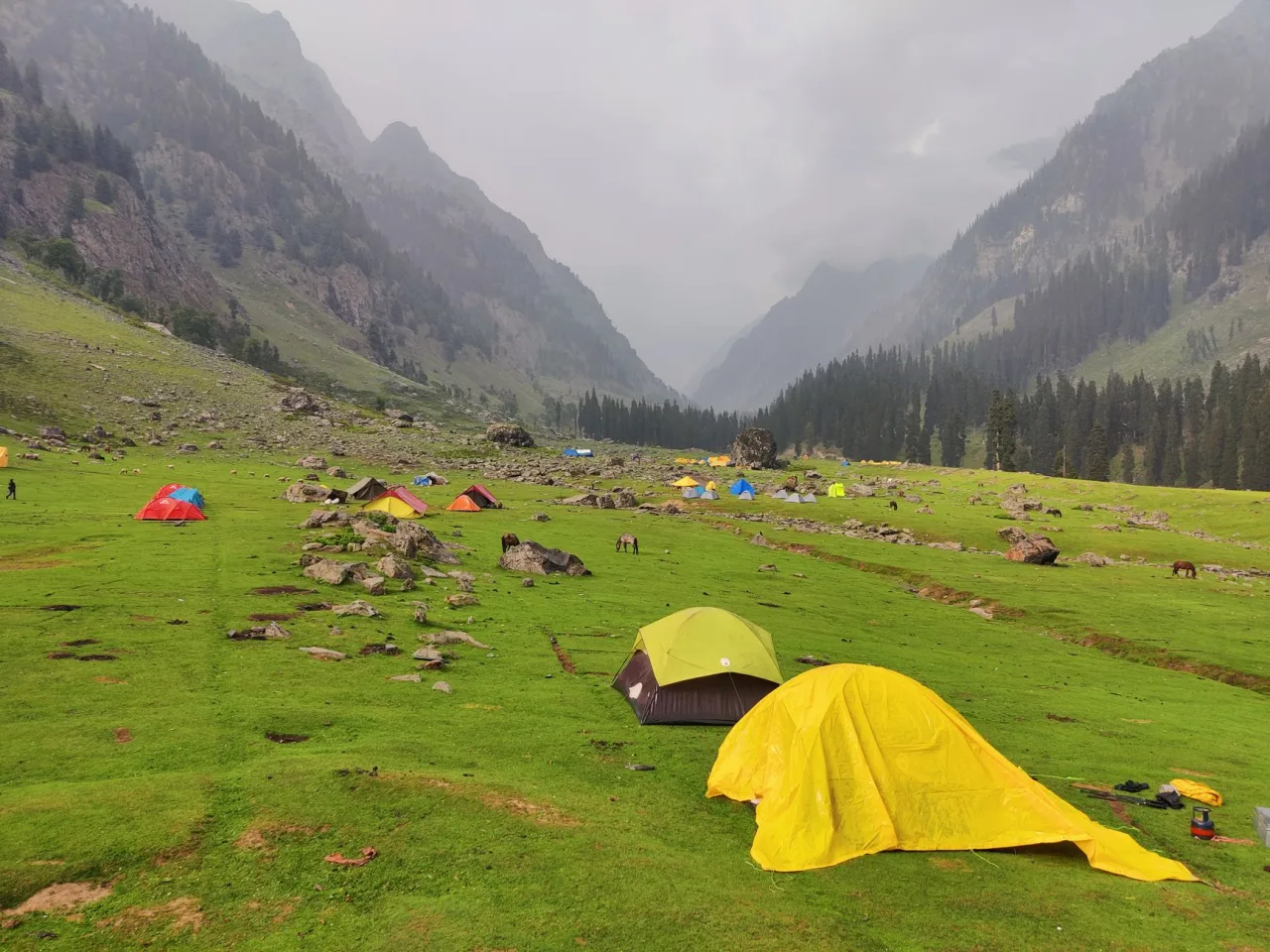
National park camping puts you inside some of the most protected and dramatic landscapes on the map, but it also comes with permits, seasons, and reservation systems that catch first-timers out. This guide explains how to choose a national park campground, when to go, what the rules mean in practice, and how to book without disappointment.
The short version
- National parks offer developed campgrounds, primitive sites, and backcountry permits, each with different comfort and rule levels.
- In the United States, most federal campgrounds are booked through Recreation.gov, and popular sites sell out months ahead.
- Season matters enormously: high-elevation and northern parks have short summer windows, while desert parks are best in spring and autumn.
- Fees vary by park, site type, and season, so always confirm the current rate and reservation rules on the park's official page before you travel.
Why camp in a national park
Staying overnight inside a national park changes the experience. You are on the trails at first light before the day visitors arrive, you catch sunsets and night skies that day trips miss, and you are surrounded by the landscape rather than commuting to it. The US National Park Service camping pages frame camping as one of the best ways to connect with these places, with guidance on how to camp and how to recreate responsibly.
National park camping also spans a wide comfort range. You can pull an RV into a developed loop with amenities, pitch a tent at a quiet primitive site, or hike miles into the backcountry with a permit. That flexibility is part of the appeal, but it means you need to know which type of camping you are actually signing up for.
Types of national park campground
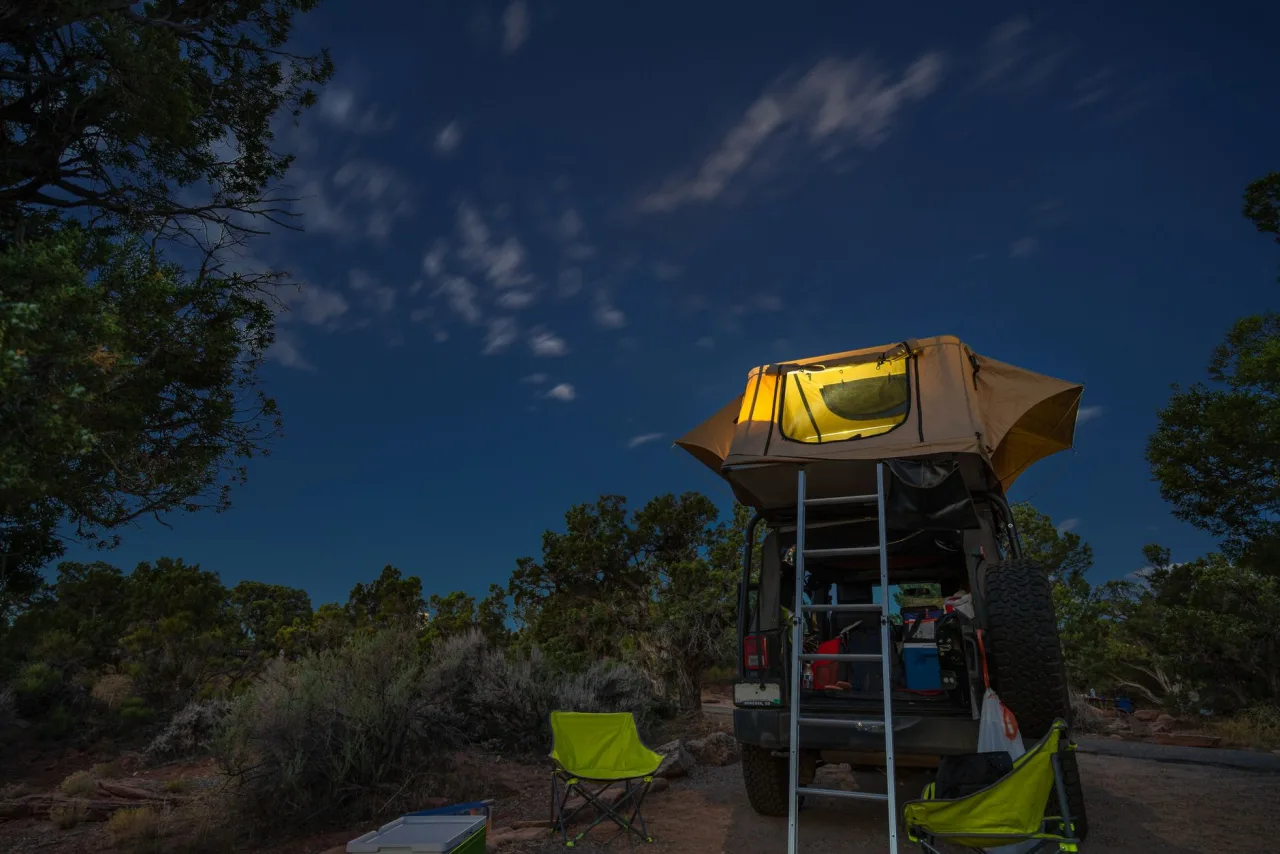
Parks describe their sites in a few broad categories. Match the category to your gear and your appetite for roughing it before you look at specific locations.
- Developed campgrounds: The most common option, with marked sites, toilets, potable water, and often a camp store nearby. Suits tents and, at many loops, RVs.
- Primitive or basic sites: Fewer facilities, sometimes only a pit toilet and no running water. Quieter and more remote, but you carry more in.
- Backcountry camping: Hike-in wilderness sites reached on foot, almost always requiring a permit and often a bear canister. The most immersive and the most demanding.
- Group and RV-specific sites: Larger pitches or hookup loops set aside for groups or motorhomes, where available.
If you plan to bring a motorhome, check length limits and hookup availability carefully, since many older park loops were not built for large rigs. Our guide to RV camping covers what to confirm before you commit to a park loop.
Best seasons for national park camping
There is no single best month, because national parks sit in wildly different climates. The right window depends on the park's elevation and region, so plan around these broad patterns and always check current conditions.
- High-elevation and mountain parks: Summer, roughly July to September, when snow has cleared from higher campgrounds and passes. Many high sites are closed the rest of the year.
- Desert parks: Spring and autumn, when daytime heat is manageable and nights are cool rather than freezing. Midsummer can be dangerously hot.
- Northern and coastal parks: Late spring through early autumn, avoiding the wettest and coldest stretches.
- Shoulder seasons everywhere: Fewer crowds and better rates, but a real risk of closures, so confirm the campground is open before you go.
Planning tip
Popular parks release reservations on a rolling window, often up to six months ahead, and prime dates can sell out within minutes. Note the exact release date and time for your park, set a reminder, and be ready to book the moment the window opens.
How reservations and permits work
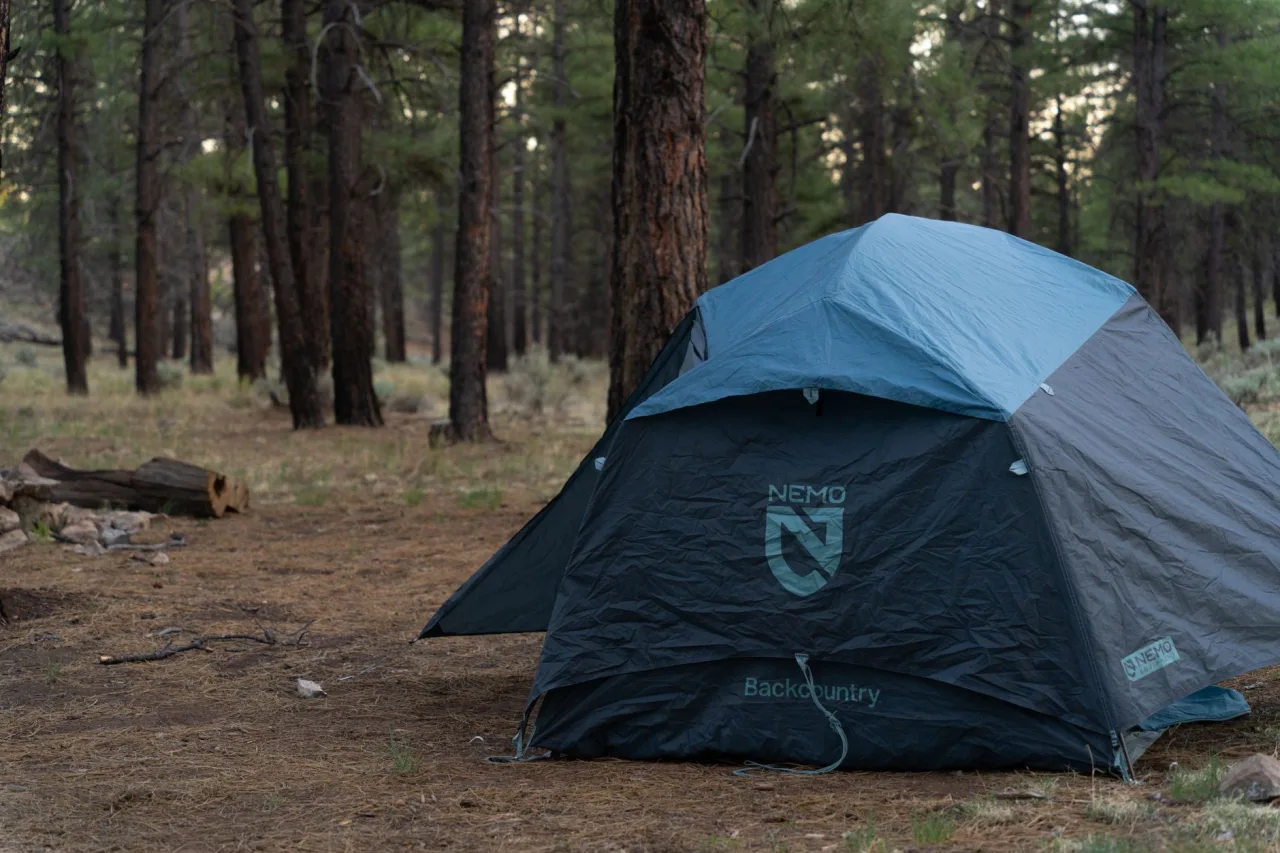
In the United States, most federal campgrounds, including those in national parks, national forests, and other agencies, are reserved through Recreation.gov, the official portal that lists thousands of facilities and individual sites. Some parks also hold a portion of sites as first come, first served, but relying on that is risky in peak season.
Backcountry trips are a separate system. They usually require a wilderness permit, sometimes issued by lottery for the most sought-after routes, and may carry quotas that cap how many people camp in an area each night. Read the specific park's permit page early, because deadlines can fall months before your trip.
- Choose your park and rough dates, then find its official page for campground and permit details.
- Note the reservation release window and any lottery deadlines.
- Book developed sites through the official portal as soon as the window opens.
- Apply separately and early for any backcountry or lottery permit you need.
Rules and etiquette that actually matter
National parks protect fragile ecosystems, so their rules are stricter than a typical private campsite, and rangers do enforce them. Following them keeps you safe and keeps the park open for camping.
- Food storage: In bear country, store all food and scented items in provided lockers or an approved canister, never in your tent.
- Fires: Use only designated rings, obey fire bans, and never leave a fire unattended. Bans are common in dry seasons.
- Leave no trace: Pack out all rubbish, stay on marked sites and trails, and keep a respectful distance from wildlife.
- Quiet hours and stay limits: Most parks enforce quiet hours and cap how many nights you can stay in a season.
Following the National Park Service guidance on recreating responsibly is not just courtesy, it protects the water sources, plants, and animals that make these places worth visiting.
What to pack for a national park trip
Because national parks are often remote and services can be far away, a complete and reliable kit matters more than at a well-serviced holiday park.
- A tent rated for the conditions, plus a warm sleeping bag, since nights are cold even in summer at altitude. Our roundup of the best family tents can help if you are upgrading.
- Plenty of water or a filter, as potable water is not guaranteed at every site.
- Bear canister or knowledge of on-site food storage where required.
- Layers, rain gear, and sun protection, because mountain and desert weather turns fast.
- A map, compass or GPS, and a first-aid kit, since phone signal is often absent.
- A camp stove, as open fires may be banned when you arrive.
Comparing parks and finding your site
Rather than fixate on one famous name, compare a shortlist of parks against what matters for your trip: season fit, campground type, how far you are willing to drive, and how hard the sites are to book. A quieter park with easy availability can beat a marquee park you cannot get into. For a broader foundation on gear and technique before your first park trip, our complete guide to camping covers the basics, and if you want a nearby alternative with easier booking, state park camping is often less crowded and just as scenic.
Frequently asked questions
Do I need a reservation to camp in a national park?
Usually yes for popular parks and peak dates. In the United States most federal campgrounds are booked through Recreation.gov, and prime sites sell out months ahead. Some parks keep a share of sites as first come, first served, but you should not rely on that in busy seasons.
When is the best time to camp in a national park?
It depends on the park. High-elevation and mountain parks are best in summer, desert parks in spring and autumn, and northern or coastal parks from late spring to early autumn. Always check current conditions and campground opening dates before you travel.
How much does national park camping cost?
Fees vary by park, site type, and season, and there is no single national rate. Developed sites cost more than primitive ones, and some parks charge an entrance fee on top of the camping fee. Confirm the current rate on the park's official page before you book.
Can I have a campfire in a national park?
Only where fires are permitted, and only in designated rings. Fire bans are common during dry seasons and are strictly enforced. Check the park's current fire status before you go, and bring a camp stove so you can still cook if fires are banned.
What is a backcountry permit and do I need one?
A backcountry permit authorises overnight camping in a park's wilderness away from developed campgrounds. Most parks require one for hike-in camping, and the most popular routes are allocated by lottery with quotas. Check the park's permit page early, as deadlines often fall months ahead.
How do I store food safely when camping in a national park?
In bear country you must store all food and scented items in provided lockers or an approved bear canister, never in your tent or vehicle where prohibited. This protects both you and the wildlife. Each park posts its specific food storage rules, so follow those exactly.
More guides on Destination Camping
Have a question or a topic to suggest?
We read every message. Tell us what you would like to see next on the blog.
Get in touchYou may also like
State Park Camping Guide
How state parks differ from national parks, the campground types on offer, best seasons, how state-by-state reservations work, and what to pack.
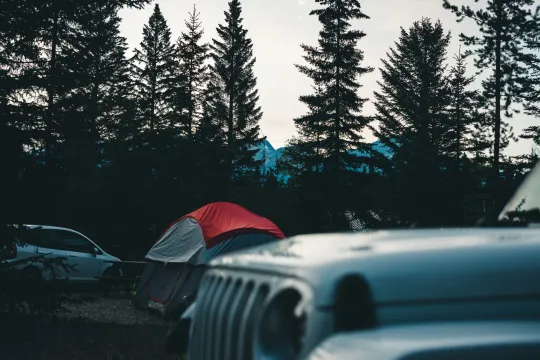
National Park Campgrounds: Find and Compare
Camping inside a national park puts you at the trailhead when the crowds are still asleep and under some of the darkest skies you will ever see.
RV Camping: The Complete Guide
What RV camping involves, the main motorhome and towable types, honest costs, hook-ups explained, and how to pick a good site as a beginner.