Michigan Lakeshore
Sleeping Bear Dunes: Choosing a Site
Comparing the developed, backcountry, and island camping options at this Michigan national lakeshore, plus fees and booking.
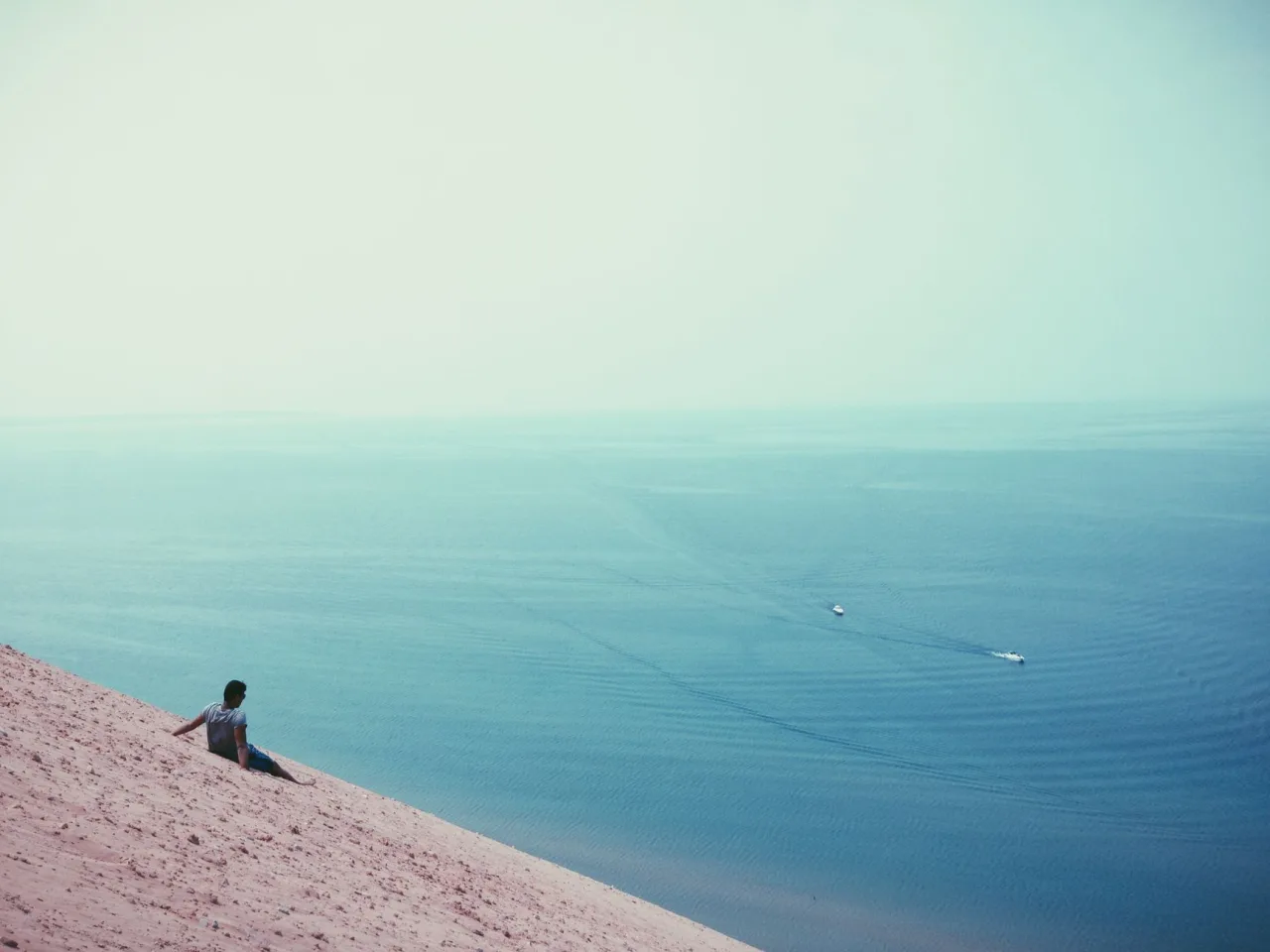
Searching for a Sleeping Bear Dunes campground means choosing between a handful of very different options inside one Michigan national lakeshore, from a large family-friendly campground to remote island backpacking. This is not a fake leaderboard. It is an honest framework for how to find, compare, and choose the right site at Sleeping Bear Dunes, plus the confirmed facts you need before you book.
The short version
- Sleeping Bear Dunes National Lakeshore is in Michigan, on the shore of Lake Michigan, and is managed by the National Park Service.
- The two main developed campgrounds are Platte River Campground and D.H. Day Campground, with backcountry and island options for more experienced campers.
- White Pine Camp is described by the park as a good introduction to backcountry camping, and the Manitou Islands offer wilderness backpacking reached by ferry.
- Developed sites reserve through the federal system, so book early for summer and always confirm current fees and openings before you travel.
What "Sleeping Bear Dunes campground" actually covers
Sleeping Bear Dunes is not a single campground with one booking desk. It is a national lakeshore in Michigan on the eastern shore of Lake Michigan, managed by the National Park Service, and it contains several distinct places to camp. The single most important step before you search is understanding which campground suits your group, because "the best site" means nothing until you match it to how you want to camp.
Broadly your options fall into three buckets: developed drive-in campgrounds with amenities, backcountry hike-in camping, and remote island camping on the Manitou Islands. Each has a different booking process, difficulty level, and level of comfort. A good trip here usually means picking the style first, then the specific site.
The main campgrounds, honestly compared
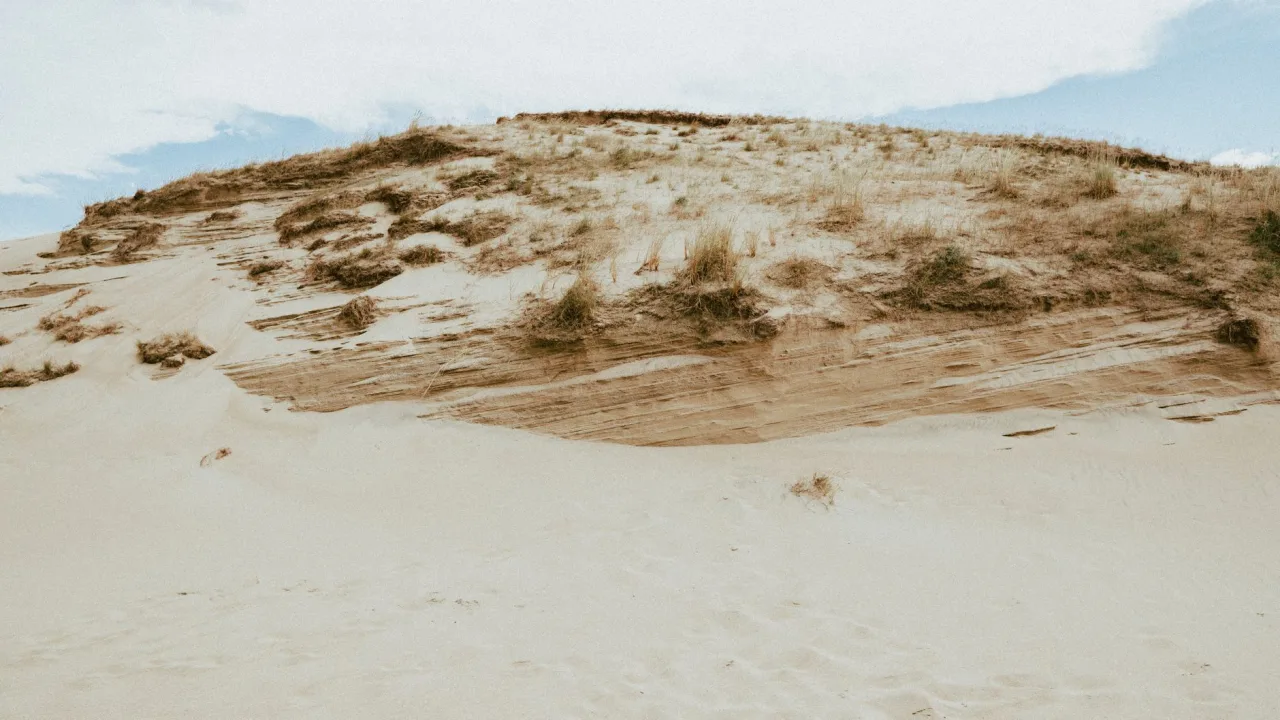
Rather than rank sites artificially, compare them by category so you can match one to your trip:
- Platte River Campground: The larger developed campground in the southern part of the lakeshore, near the Platte River. It suits families and first-time visitors who want facilities and easy vehicle access.
- D.H. Day Campground: A more rustic developed campground in the northern area near Glen Arbor, generally simpler than Platte River and popular for its location.
- White Pine Camp: A backcountry campground the park describes as a great spot for an introduction to backcountry camping, meaning you hike in and carry your gear.
- Manitou Islands: North and South Manitou Islands offer wilderness backpacking, reached by ferry, for experienced campers who want solitude and are prepared to be self-sufficient.
If you want to understand the wider category before you narrow to this park, our guide to finding national park campgrounds covers what separates a great federal site from an average one anywhere in the country.
What good looks like: a Sleeping Bear Dunes checklist
Use the same criteria to judge any site here so you are comparing like with like:
- Comfort level: Decide honestly whether you want a developed campground with restrooms or a primitive hike-in experience.
- Vehicle access: Platte River and D.H. Day are drive-in. White Pine and the islands are not.
- Group size and ages: Young children and large groups do best at developed campgrounds.
- Water access: Consider how close you want to be to Lake Michigan, the Platte River, or inland lakes.
- Self-sufficiency: Island and backcountry camping require you to carry water treatment, food storage, and everything else.
- Reservation window and cancellation policy: Know these before you pay.
Planning tip
Match the campground to your least experienced camper, not your most experienced one. If anyone in your group is new to camping or you have young children, start at Platte River or D.H. Day rather than a backcountry site. You can always graduate to White Pine Camp or the Manitou Islands on a later trip once everyone is comfortable.
Typical costs, as realistic ranges
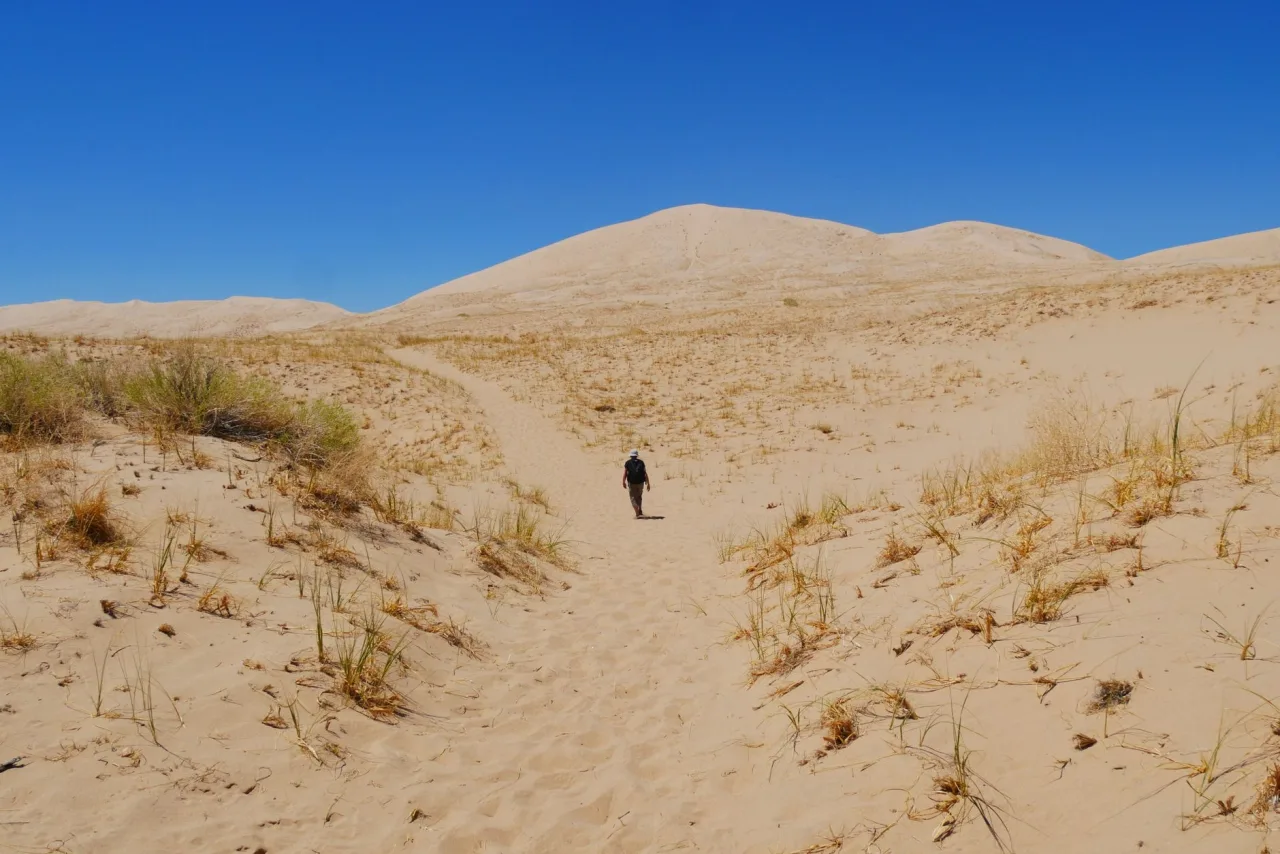
Prices vary by campground, season, and site type, and every rate should be confirmed at the point of booking. As a realistic 2026 planning range, developed National Park Service campgrounds like those at Sleeping Bear Dunes commonly run from roughly the low-$20s to the high-$30s per night for a standard site, with backcountry and island permits typically charged as a lower per-night fee. There is also a separate park entrance pass required to enter the lakeshore. Always treat any figure you see as a starting point and verify when you reserve, because federal fees and pass prices change and peak-season demand is high. For the current official fee schedule, check the National Park Service campground page for the lakeshore directly.
If you are weighing a lakeside trip more broadly, our lake campground guide breaks down how to judge a great waterfront site anywhere.
How to book without missing out
Summer is short and busy at Sleeping Bear Dunes, and prime weekends fill early. Developed campgrounds reserve through the federal recreation platform at Recreation.gov, which handles reservations across national parks, national forests, and other public lands. Backcountry and island camping require permits, and the popular Manitou Islands trips depend on a seasonal ferry, so plan those around the ferry schedule. The practical rule is simple: know your target site's reservation window and book the moment it opens.
- Decide your camping style first: developed, backcountry, or island.
- Find the exact reservation or permit window for that option.
- Set a calendar reminder for the day the window opens.
- For the islands, confirm the ferry schedule before locking dates.
Tent camping, RV, and backcountry compared
Your setup narrows your choices fast. Tent campers have the widest selection across every campground here. RV and trailer travelers should confirm site length limits and available services at the developed campgrounds, since the more rustic areas offer fewer hookups. Backcountry and island campers need lightweight, self-sufficient gear and must carry out everything they bring in. If you are still choosing a shelter, our best tent guide for 2026 helps you match a tent to Great Lakes conditions, where wind off Lake Michigan and cool nights are both realistic.
Safety, seasons, and Leave No Trace
This is a Great Lakes shoreline park, and conditions demand respect:
- Lake Michigan can develop dangerous rip currents and cold water. Check beach flag warnings before swimming.
- The dunes are steep. Climbing down to the water is far easier than climbing back up, and rescues are difficult.
- Store food properly and pack out all trash, especially in backcountry and island sites.
- Many facilities are seasonal, so confirm opening dates before you drive up, particularly in spring and late autumn.
For a broader foundation before your trip, our complete guide to camping covers gear, planning, and Leave No Trace basics that apply everywhere.
Season warning
Sleeping Bear Dunes has a genuine four-season climate, but its camping season centers on late spring through early autumn. Some campgrounds and services open and close on seasonal schedules, and the Manitou Islands ferry runs only during its operating season. Never assume a site or ferry is available outside peak months, and always confirm dates before travelling.
Building your Sleeping Bear Dunes shortlist
Put it together like this. Choose your camping style based on your group's experience: developed for families and beginners, backcountry or island for the self-sufficient. Filter by vehicle access and comfort needs. Confirm the reservation or permit window and current fees with the National Park Service, then book early and prepare for Great Lakes weather. That process beats any static ranking, because the best Sleeping Bear Dunes campground is the one that is open, bookable, and matched to how your group wants to camp. To plan the wider trip, our guide to national park camping covers seasons and what to know before you go.
Frequently asked questions
Where is Sleeping Bear Dunes and who manages it?
Sleeping Bear Dunes National Lakeshore is in Michigan, on the eastern shore of Lake Michigan, and it is managed by the National Park Service. It contains several campgrounds ranging from developed drive-in sites to remote island backpacking.
What campgrounds are at Sleeping Bear Dunes?
The two main developed campgrounds are Platte River Campground and D.H. Day Campground. There is also backcountry camping at White Pine Camp, which the park describes as a good introduction to backcountry camping, and wilderness backpacking on the North and South Manitou Islands reached by ferry.
How do I reserve a campsite at Sleeping Bear Dunes?
Developed campgrounds reserve through the federal recreation platform at Recreation.gov. Backcountry and island camping require permits, and island trips depend on a seasonal ferry, so plan those around the ferry schedule. Book early because summer weekends fill fast.
How much does camping at Sleeping Bear Dunes cost?
Prices vary by campground and season and should be confirmed when booking. As a realistic 2026 range, developed National Park Service sites here commonly run from the low-$20s to the high-$30s per night, with lower per-night fees for backcountry and island permits. A separate park entrance pass is also required.
When is the camping season at Sleeping Bear Dunes?
The camping season centers on late spring through early autumn. Some campgrounds and services run on seasonal schedules, and the Manitou Islands ferry operates only during its season. Always confirm opening dates before you travel, especially in spring and late autumn.
Is Sleeping Bear Dunes good for beginners?
Yes, if you choose a developed campground. Platte River and D.H. Day suit families and first-time campers with vehicle access and facilities. Backcountry sites like White Pine Camp and the Manitou Islands are better suited to experienced, self-sufficient campers.
More guides on Campgrounds & Campsites
Have a question or a topic to suggest?
We read every message. Tell us what you would like to see next on the blog.
Get in touchYou may also like
National Park Campgrounds: Find and Compare
Camping inside a national park puts you at the trailhead when the crowds are still asleep and under some of the darkest skies you will ever see.
Lake Campgrounds: How to Choose
An honest guide to finding, comparing and choosing a good lake campground anywhere, with a checklist for water access, shade, insects and boats, plus how to book the best waterfront sites.
National Park Camping Guide
How to choose a national park campground, the best seasons by region, how reservations and permits work, and the rules that catch first-timers out.