Camping guide · Camping & Outdoors (General)
Camping Sites: The Complete Guide
Types, amenities, costs and booking: the hub guide to choosing where you sleep outdoors.
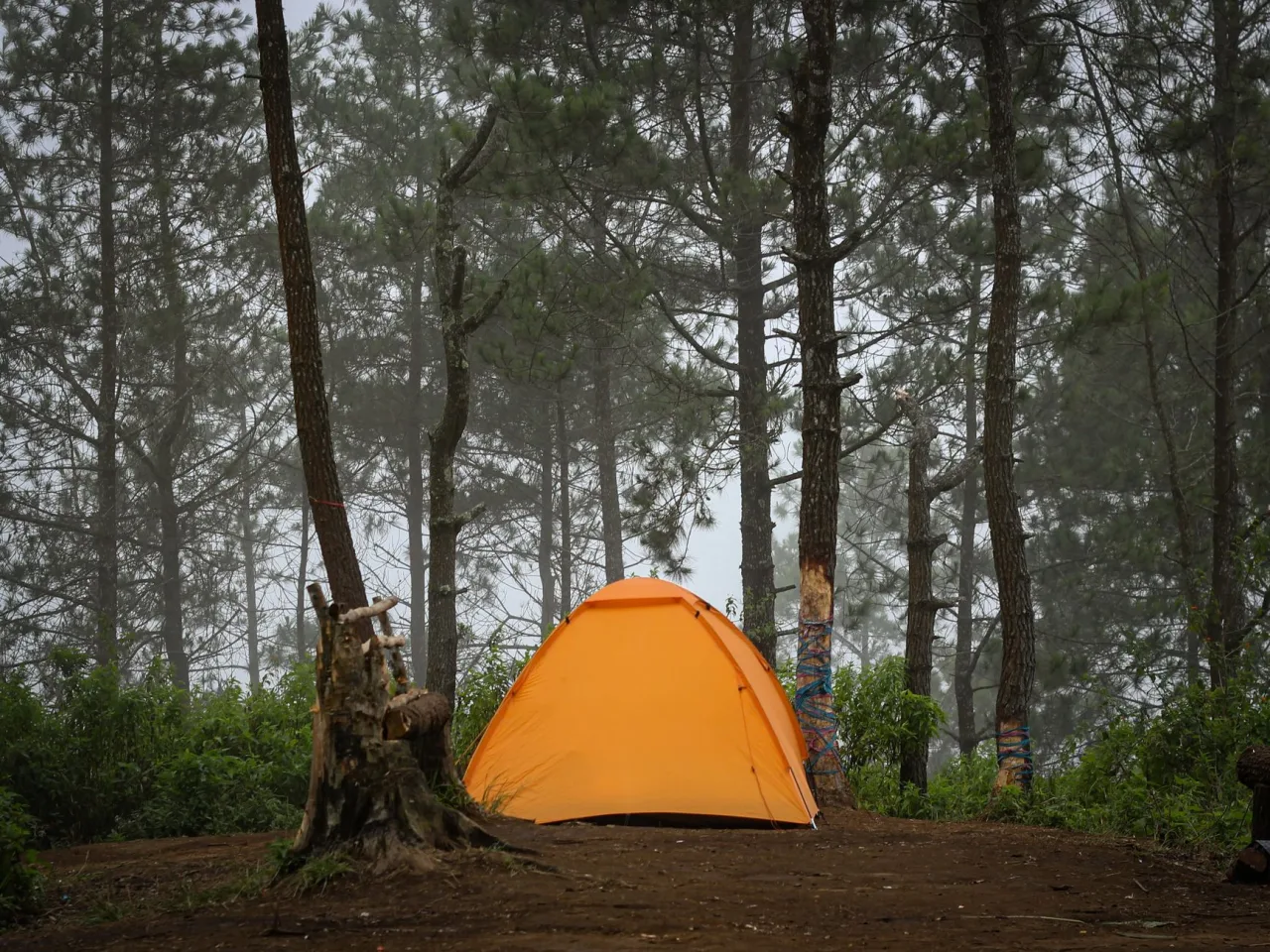
A camping site can mean a fully serviced holiday park with hot showers, or a patch of wild ground you reach on foot with nothing but what you carry. This complete guide maps the whole spectrum: the types of camping sites, what they cost, what amenities to expect, and how to choose and book the right one. Think of it as the hub that ties together everything about where you sleep outdoors.
The short version
- Camping sites split broadly into developed campgrounds with facilities and primitive or dispersed sites with few or none.
- Amenities scale with price: expect anything from flush toilets and hook-ups to nothing but a flat patch of ground.
- Pitch fees vary widely by season, location and hook-up, so always confirm current rates when you book.
- Booking ahead is essential for popular sites in peak season, while quieter sites and dispersed camping stay more flexible.
What counts as a camping site
At its simplest, a camping site is somewhere you are allowed to pitch a tent, park a caravan or motorhome, or stay in a cabin or pod. As Wikipedia's overview of campsites puts it, a site is either a designated area with various facilities, or an impromptu area used while backpacking or hiking. That single distinction, designated versus impromptu, is the foundation everything else in this guide is built on.
Understanding it up front saves a lot of confusion. When you search for a "camping site" you might be picturing a family holiday park, while the person next to you pictures a remote backcountry pitch. Both are camping sites, but they cost different amounts, require different gear, and are booked in completely different ways.
The main types of camping site
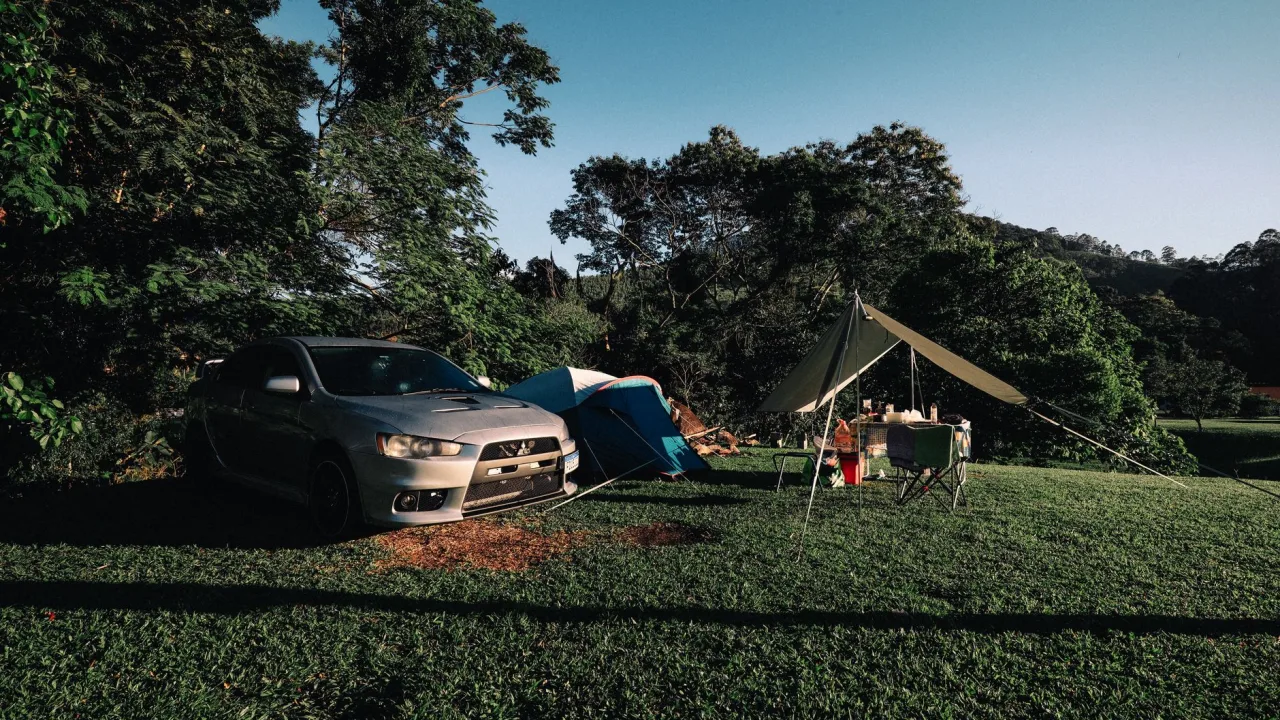
Camping sites fall into a handful of broad families, and knowing which you want narrows the search instantly:
- Developed campgrounds: designated pitches with amenities, often including toilets, water and sometimes electric hook-ups. The mainstream choice for most campers.
- Caravan and motorhome parks: sites geared to touring vans, usually with hard-standing pitches and hook-ups.
- Glamping sites: ready-pitched, comfortable accommodation such as bell tents, pods and cabins, for camping without the kit.
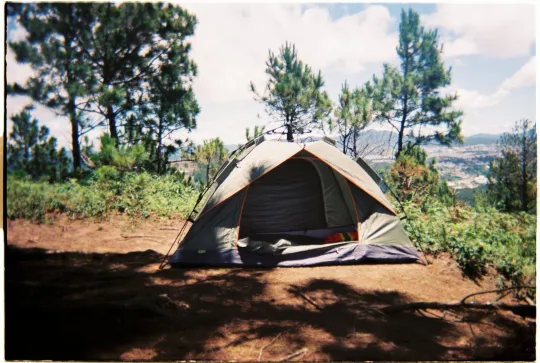
- Primitive and dispersed sites: undeveloped ground, sometimes reachable only on foot, bicycle or canoe, with minimal or no facilities.
Each type suits a different trip and a different level of experience. A first-time family is happiest on a developed campground with showers, while a seasoned hiker may prefer the solitude of a primitive pitch. To go deeper on the fundamentals of the activity itself, our complete guide to camping is the natural companion to this page.
Amenities: what to expect
Facilities are where camping sites differ most, and they scale directly with how developed the site is. The campsite overview above notes that developed campgrounds commonly offer fire pits or fireplaces, vehicle parking pads, picnic tables, piped drinking water and sometimes raised tent platforms, with the better-equipped sites adding flush toilets, showers and even small shops.
Primitive and backcountry sites, by contrast, typically offer little or nothing, and may enforce strict rules on the maximum number of people and on food storage to protect wildlife. Neither is better in the abstract: more facilities mean more comfort and higher fees, while fewer facilities mean more solitude, more self-reliance and usually a lower cost. Decide how much comfort you actually want before you book.
Tip: match your kit to the site
- Developed site with hook-ups: you can bring powered coolboxes, lights and heaters.
- Basic site with water only: pack a stove, containers and your own lighting.
- Primitive or dispersed site: carry water, a stove, and a way to pack out all waste.
- Always check what the specific site provides before you rely on it.
What camping sites cost
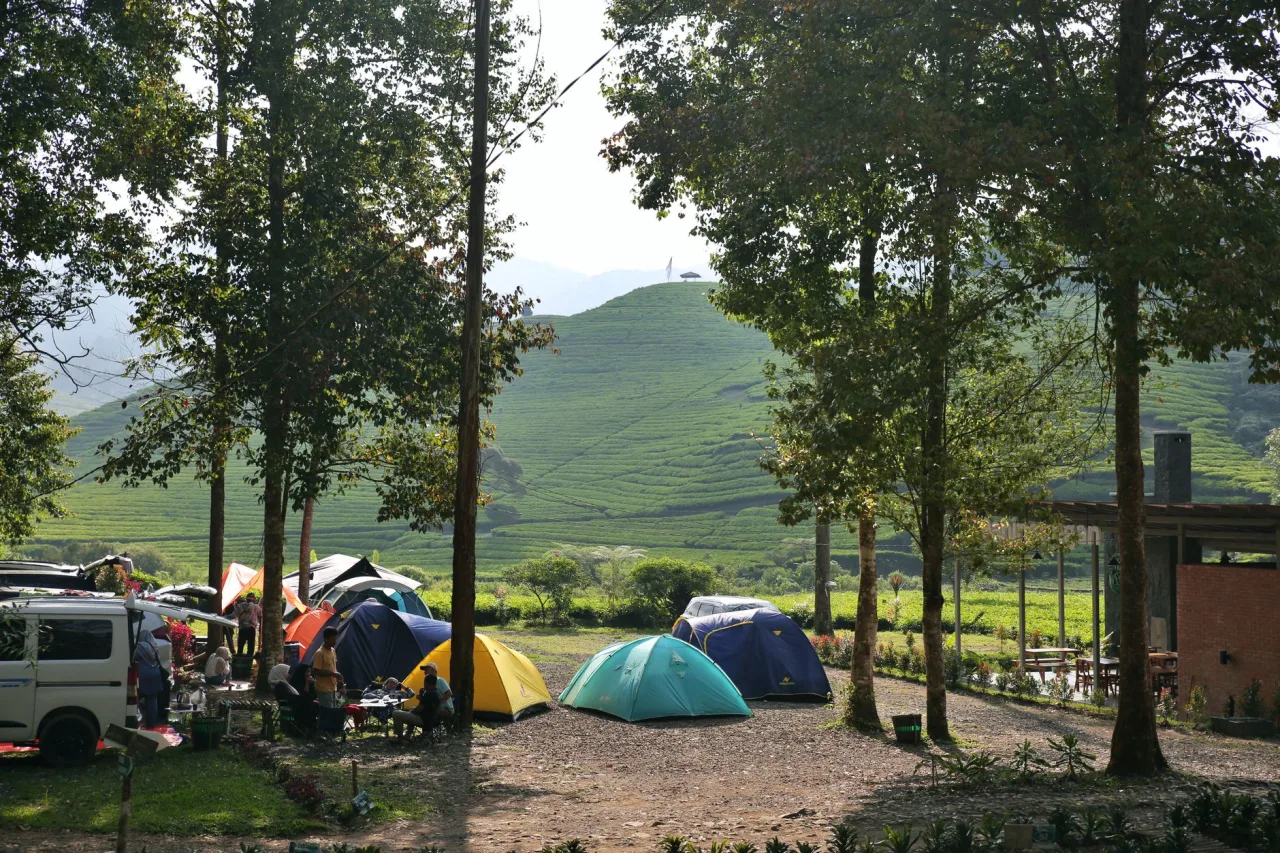
Pitch fees vary enormously and change with the season, so treat any figure as a broad guide to confirm at the point of booking, not a fixed price. As a rough map, primitive and dispersed sites are often free or very low cost, basic developed campgrounds sit in a modest nightly range, and full-facility holiday parks and glamping units cost considerably more, especially in peak season and school holidays.
Extras add up too: an electric hook-up, an extra vehicle, a dog, or a larger pitch can all carry additional charges. Popular sites also raise prices in high season and at weekends. The honest rule is simple: shortlist a few sites, then check each one's current rates and included extras before you commit, rather than assuming last year's prices still hold.
How to find and compare sites
Finding a good camping site is a process of narrowing down, not luck. Start with your must-haves (location, dates, the type of camping you want, and essential facilities), then compare a shortlist on the details that matter to you: price, amenities, reviews, and how easy it is to book. Read recent reviews with a critical eye, since one bad review among many good ones tells you less than a consistent pattern.
From there, drill into the category that fits your trip. Our directories for finding and comparing campgrounds and for tent camping near you walk through how to shortlist honestly, while touring van owners will want our guide to choosing an RV park. If you would rather skip the kit entirely, our complete guide to glamping covers ready-made comfort.
Booking, timing and camping responsibly
For popular sites in peak season, booking well ahead is essential, as the best pitches sell out months in advance. Quieter sites and dispersed camping stay far more flexible, sometimes taking arrivals on the day, but always check the site's booking policy and whether permits are required before you set off. Arriving to a full or closed site with nowhere to sleep is a preventable mistake.
Wherever you pitch, camping responsibly protects the places we all want to keep visiting. The U.S. National Park Service summarises the widely used seven Leave No Trace principles, which include planning ahead, camping on durable surfaces, packing out all waste, minimising campfire impacts and respecting wildlife and other visitors. Following them keeps sites clean, safe and open for the next camper, and they apply just as much on a serviced campground as in the backcountry.
Frequently asked questions
What is the difference between a developed and a primitive camping site?
A developed campground is a designated area with facilities such as toilets, water, parking pads and sometimes hook-ups and showers. A primitive or dispersed site is undeveloped ground, sometimes reachable only on foot, with minimal or no facilities. Developed sites offer comfort at a higher price, while primitive sites offer solitude and self-reliance for little or no cost.
How much do camping sites cost?
Costs vary widely by type and season. Primitive and dispersed sites are often free or very low cost, basic developed campgrounds sit in a modest nightly range, and full-facility holiday parks and glamping cost considerably more, especially in peak season. Extras like hook-ups, dogs or extra vehicles add charges, so always confirm current rates when you book.
Do I need to book a camping site in advance?
For popular sites in peak season, yes, as the best pitches often sell out months ahead. Quieter sites and dispersed camping are more flexible and may take arrivals on the day, but you should always check the site's booking policy and whether any permits are required before you travel.
What facilities do camping sites usually have?
Developed campgrounds commonly offer fire pits, parking pads, picnic tables and piped drinking water, with better-equipped sites adding flush toilets, showers and small shops. Primitive and backcountry sites typically offer little or nothing and may enforce rules on group size and food storage. Always check what a specific site provides before relying on it.
How do I camp responsibly at a site?
Follow the seven Leave No Trace principles: plan ahead and prepare, travel and camp on durable surfaces, dispose of waste properly by packing it out, leave what you find, minimise campfire impacts, respect wildlife, and be considerate of other visitors. These apply on serviced campgrounds and in the backcountry alike and keep sites open for everyone.
More guides on Camping & Outdoors (General)
Have a question or a topic to suggest?
We read every message. Tell us what you would like to see next on the blog.
Get in touchYou may also like
Camping: The Complete Guide
From types of camping and essential gear to planning a first trip, costs and safety, this complete guide helps you start with confidence.
Campgrounds: Find and Compare Spots
How to tell campgrounds apart, compare them fairly and pick the one that fits your trip, whether you are in a tent, a trailer or a hire cabin.
Tent Camping Near Me: How to Choose
An honest method for finding tent camping near you: what makes a good pitch, the amenities checklist, realistic pricing, and how to search and book properly. Not a fabricated leaderboard.