Coastal Camping
Beach Camping Near Me: How to Choose
Where to search, how to compare coastal sites, what they cost, and how to pitch safely above the tide line.
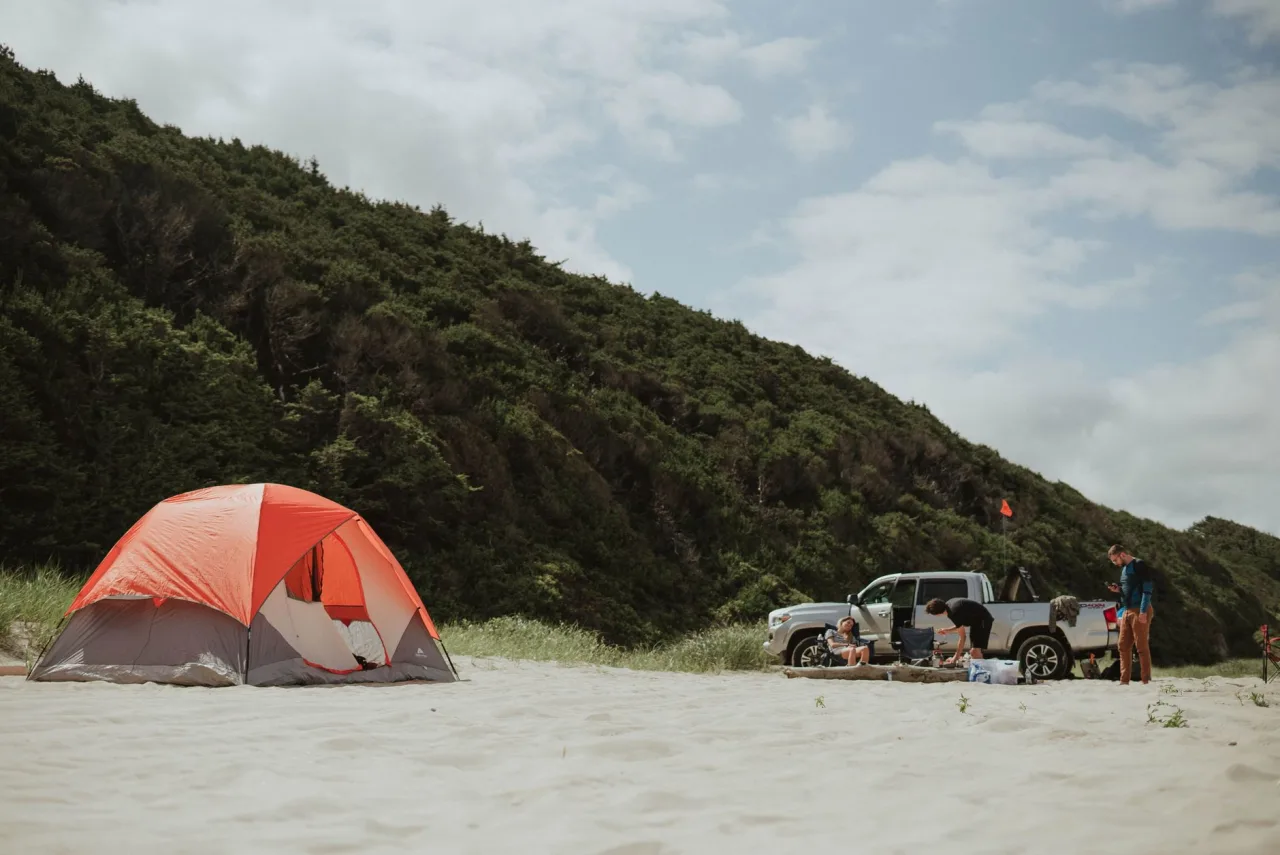
Falling asleep to the sound of surf is one of the great simple pleasures of camping, but "beach camping near me" hides a lot of variation: some coastal sites sit in the dunes with full hookups, others are a boat ride from the nearest road. This guide is not a fake leaderboard of the "top" beaches. It is a practical method for finding, comparing and choosing a coastal campsite that actually fits your trip.
The short version
- Start with official reservation systems and park websites, not random "best of" lists, so the availability and rules you see are real.
- Compare sites on four things: distance from the water, tide and weather exposure, facilities, and the total cost once fees are added.
- Coastal camping fees vary widely by season and location, so treat any price you see as a range and confirm it at the point of booking.
- Beaches change with the tide and weather, so read local safety notices before you pitch a tent below the high tide line.
What "beach camping near me" really means
The phrase covers at least three different experiences, and knowing which one you want saves a lot of disappointment. The first is a developed coastal campground: a managed site behind the dunes with marked pitches, toilets, and often showers or hookups. The second is a state or national seashore campground, which tends to be more rustic but sits inside protected land. The third is dispersed or primitive camping directly on the sand where it is legally permitted, which offers solitude but almost no facilities.
Each type suits a different traveller. A family with young children usually wants the developed site with flush toilets and a lifeguarded swimming area nearby. A couple chasing sunrise photos might prefer a rustic seashore pitch. Before you compare specific places, decide which of these three you are actually searching for, because they are rarely listed side by side. For a broader primer on choosing any pitch, our general guide to finding campsites near you walks through the same method applied to inland options.
Where to search so the results are real
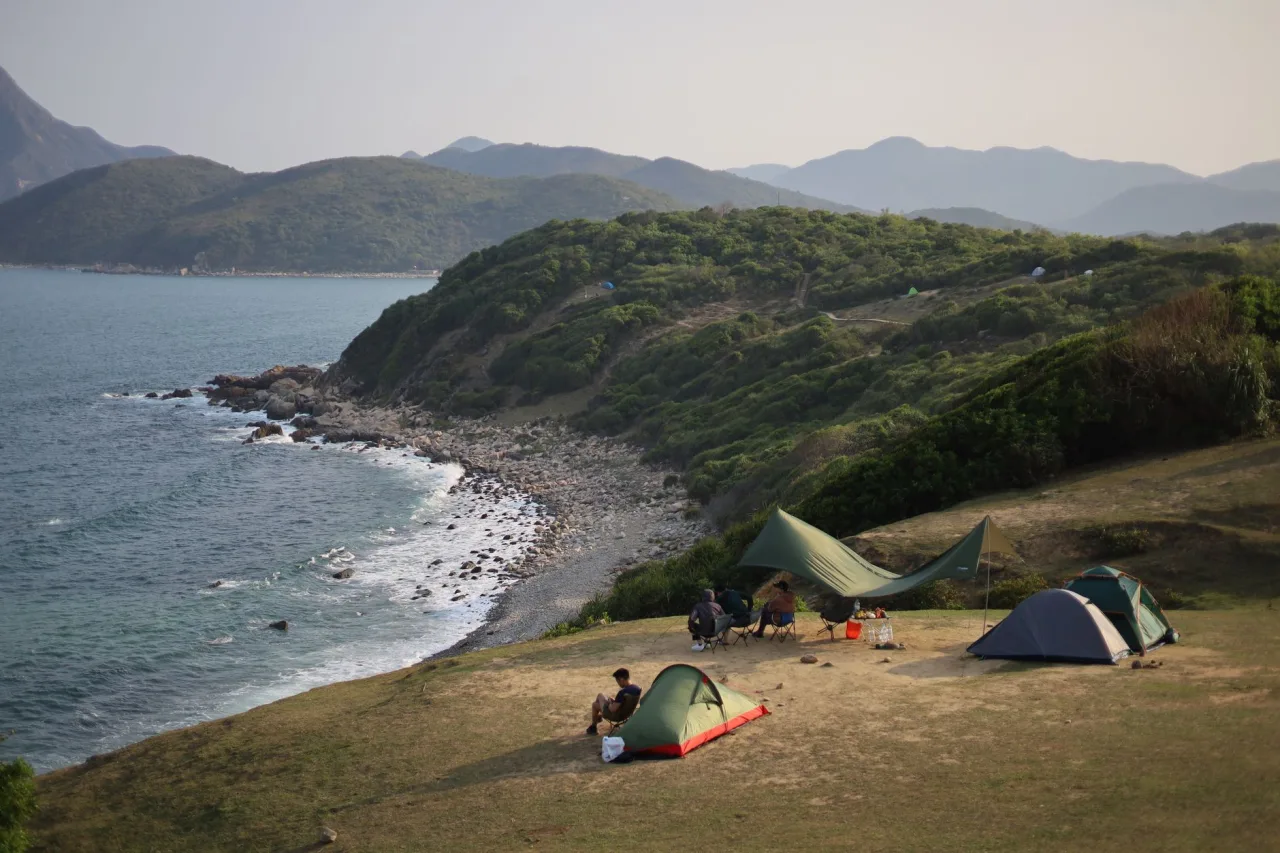
Beat the temptation to trust the first blog that ranks the "10 best beach campgrounds." Those lists are often out of date and rarely reflect current availability. Instead, start with the sources that own the actual booking calendar.
- Government reservation platforms. In the United States, Recreation.gov handles bookings for national seashores, national forests and many federal coastal sites, and shows live availability across tens of thousands of individual sites.
- State and national park websites. State park systems and the National Park Service camping pages list their coastal campgrounds directly, with rules and closures that third parties often miss.
- Reputable booking marketplaces. Platforms that aggregate private and public campgrounds can be useful for comparison, as long as you cross check the price and rules on the operator's own page before you pay.
Search by the specific coastline or park name rather than only "near me," because the automatic radius can miss a superb site an hour up the coast while surfacing a mediocre one next door.
How to compare coastal sites fairly
Once you have a shortlist, judge every candidate against the same criteria instead of going on photos alone. Photos are taken on the best day of the year in the best light. Your criteria should be honest and repeatable.
- Distance to the water. "Beachfront" can mean the sand is at your door or a fifteen minute walk over dunes. Look for a site map or satellite view to judge the real distance.
- Exposure to tide and weather. A low pitch that looks idyllic at low tide can flood. Coastal wind also makes tent camping harder, so check whether pitches have any natural or built shelter.
- Facilities. Toilets, drinking water, showers, waste disposal and whether the site takes tents, caravans or both. If you are in a van, confirm the access road and any height or length limits.
- Total cost. Add the nightly fee, any booking fee, vehicle or extra guest charges, and the cost of firewood or hookups. The cheapest headline price is not always the cheapest stay.
Tip: score, do not guess
Give each shortlisted site a simple one to five score on distance, exposure, facilities and cost, then add the numbers. It turns a vague "this one looks nice" into a decision you can defend, and it stops the prettiest photo from winning by default.
What beach camping typically costs
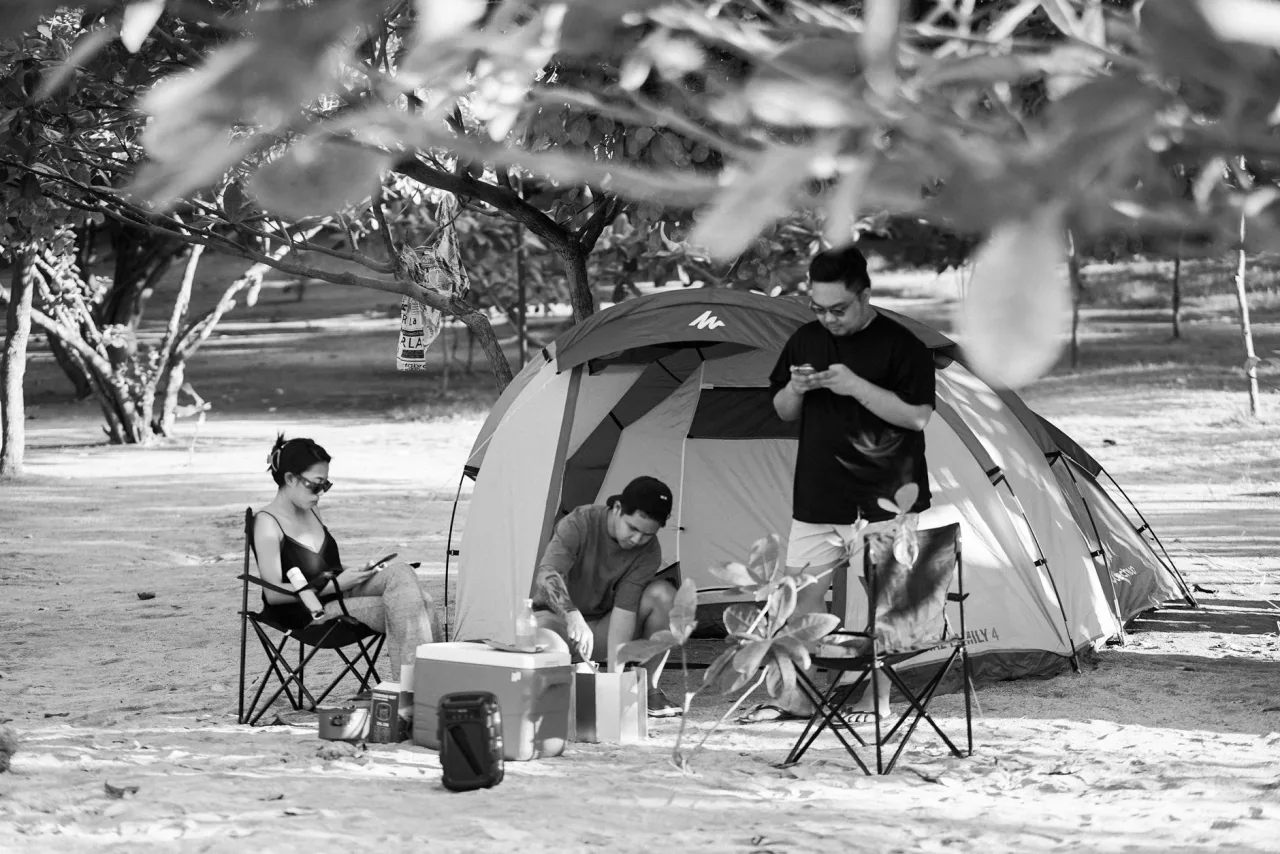
Prices swing hard with season, location and site type, so anyone quoting a single fixed figure is guessing. As a realistic guide, primitive and rustic coastal pitches often sit at the lower end, developed public campgrounds in the middle, and private beachfront resorts with full hookups at the top. Peak summer weekends and holiday periods push everything upward, and popular seashores can book out months ahead.
Because the range is so wide and changes yearly, do not rely on the number in any article, including this one. Treat published prices as an estimate that varies by season and specific site, and confirm the current fee on the operator's booking page before you commit. If budget is your main constraint, compare a rustic public site against the true all in cost of a resort pitch. For touring vehicles, our guide to finding caravan campsites near you covers the extra fees that apply to hookups and pitches.
Amenities checklist before you book
Coastal sites vary more than inland ones because salt, sand and wind add complications. Run through this list before you confirm a booking so nothing surprises you at check in.
- Toilets and, if you need them, hot showers with fresh water to rinse off salt and sand.
- Drinking water on site, since some remote coastal sites ask you to bring your own.
- Shade or wind protection, which matters far more on an exposed beach than in a sheltered valley.
- Fire rules, because many coastal areas ban open fires in dry season or restrict them to raised pits.
- Dog and swimming rules, which change seasonally to protect nesting birds and swimmers.
- The right pitch type for your setup: tent, caravan, campervan or cabin. If you are weighing a solid roof over canvas, compare with our cabin camping guide.
Staying safe and legal on the coast
Beaches are dynamic environments. The berm of a beach stays dry except during very high tides and storms, and tidal waterways constantly reshape the sand, which is exactly why pitching below the high tide line is risky. Check a tide table for your dates and set up above the most recent line of seaweed and debris, which marks the last high water. Watch local advisories too, because beaches occasionally close for water quality reasons after storms or sewer overflows, and the background on beach dynamics and hazards is worth a read before a first coastal trip.
Legality matters as much as safety. Wild camping directly on a beach is prohibited in many regions and allowed in others only with a permit, so never assume. Book a recognised site or confirm the local rules with the land manager. Leaving no trace is not optional on fragile coastlines: pack out everything you bring, camp on durable surfaces, and keep well away from dune vegetation and nesting areas.
Warning: respect the dunes and the tide
Dune grasses hold the whole beach together and take years to recover from trampling. Keep to marked paths, pitch above the high tide line, and never light a fire where it is banned. A single careless night can damage a habitat that has stood for decades.
Booking tips that save money and stress
Popular coastal campgrounds behave like concert tickets in summer: the best dates vanish the moment the booking window opens. A little planning beats luck every time.
- Learn the reservation window. Many parks release sites a fixed number of months ahead, so set a reminder for that morning.
- Travel midweek or in shoulder season for lower prices, thinner crowds and a real chance of a waterfront pitch.
- Read recent reviews, not just the oldest ones, and look for comments on noise, sand flies, and how far the "beachfront" pitch really is.
- Have a backup site an hour or two along the coast so a sold out first choice does not sink the whole trip.
- Pack for salt and wind: extra tent stakes, a groundsheet, and a way to rinse gear before it goes home.
If a specific coast is fully booked, widen your search to a nearby lake or river shore for a similar waterside feel. Our lake camping guide uses the same compare and choose method for freshwater destinations.
Frequently asked questions
How do I find genuine beach camping near me?
Start with official sources: government reservation platforms like Recreation.gov, plus state and national park websites, which show live availability and current rules. Search by coastline or park name as well as "near me," because a radius search can miss an excellent site just outside it.
How much does beach camping cost?
It varies widely by season, location and site type. Rustic public pitches sit at the lower end, developed public campgrounds in the middle, and private beachfront resorts at the top, with peak summer weekends pushing everything higher. Treat any quoted figure as an estimate and confirm the current fee on the booking page.
Is it safe to camp right on the sand?
Only above the high tide line and only where it is legal. Beaches change with tides and storms, so check a tide table, pitch above the most recent line of seaweed and debris, and read local advisories, since beaches sometimes close after storms for water quality reasons.
Do I need a reservation for beach camping?
Usually yes for developed and national seashore campgrounds, especially in summer, and many book out months ahead. Some rustic and dispersed areas are first come first served or need a permit. Always check the specific site's rules before you travel.
What should I pack that inland campers might forget?
Extra tent stakes and a groundsheet for soft sand, wind protection, sun shade, plenty of drinking water if the site has none, and a way to rinse salt and sand off your gear before it goes home.
More guides on Campgrounds & Campsites
Have a question or a topic to suggest?
We read every message. Tell us what you would like to see next on the blog.
Get in touchYou may also like
Camping Near Me: Find and Compare Spots
A practical method for finding, comparing and choosing a genuinely good campsite close to you, using the tools and questions experienced campers rely on.
Lake Camping Near Me: How to Choose
An honest method for finding lake camping near you: what lakeside really means, water safety and rules, the extra factors like bugs and water level, and how to book the right pitch.
Cabin Camping Near Me: How to Choose
How to find, compare and choose a camping cabin near you: the tiers from rustic to deluxe, what each includes, typical costs and booking tips for limited cabins.