Destination Guide
Lake District Camping Guide
The camping styles on offer, best seasons, the real wild camping rules, and how to choose a site in England's highest fells and largest lakes.
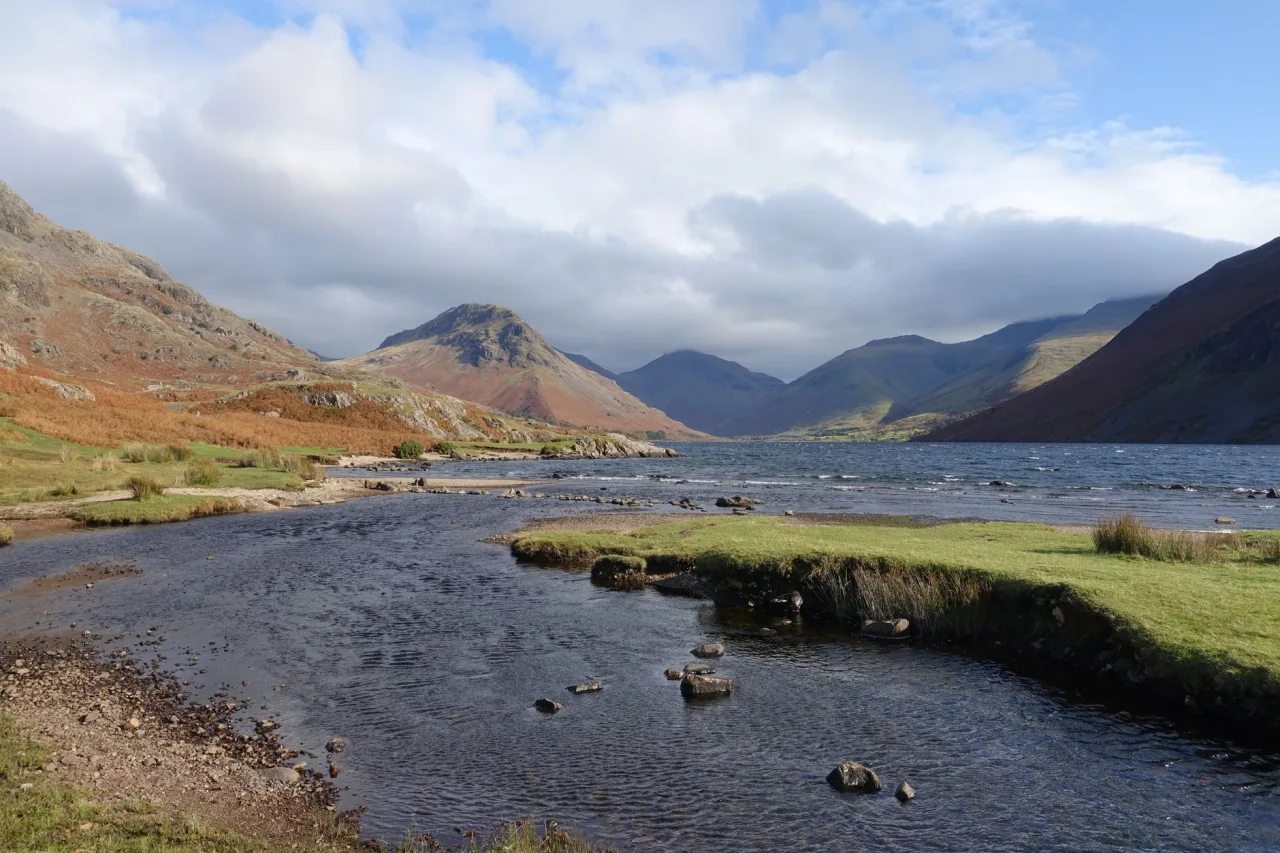
The Lake District packs England's highest mountains and largest lakes into one compact national park, which makes it one of the country's most rewarding places to camp. This guide explains the kinds of camping you will find there, the best seasons to visit, the rules that trip people up, and how to choose a site that matches the trip you want.
The short version
- The Lake District is a national park in Cumbria, North West England, and a UNESCO World Heritage Site since 2017.
- It offers everything from busy lakeside campsites to caravan parks, camping pods, and glamping, listed on the official park website.
- Late spring to early autumn is the most reliable camping window, but it is also the busiest and wettest of regions, so pack for rain year-round.
- Wild camping is restricted and not a general right, so use established campsites unless you have specific permission.
Why camp in the Lake District
The Lake District concentrates an extraordinary amount of scenery into a small area. According to Wikipedia's overview of the Lake District, it is a mountainous national park in Cumbria that was designated a UNESCO World Heritage Site in 2017, and it contains both Scafell Pike, England's highest mountain at 978 metres, and Windermere, the longest and largest natural lake in England. Camping puts you close to the fells at dawn and dusk, when the light is best and the day visitors have gone home.
The park is also well set up for campers. The official Lake District National Park where to stay guide lists camping sites, caravan sites, glamping and camping pods, and hostels among its budget-friendly ways to stay, so there is an option to suit tents, motorhomes, and anyone who wants a roof.
Types of camping in the Lake District
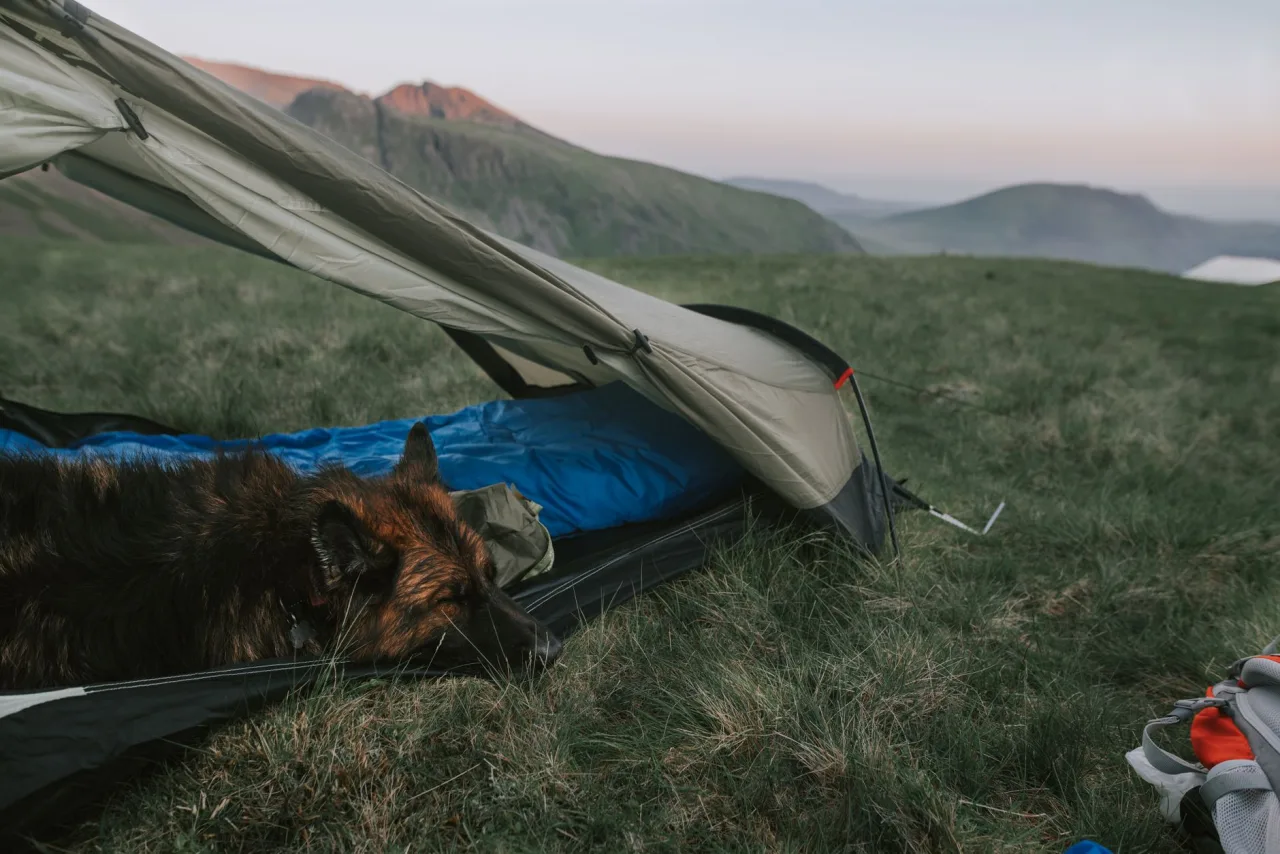
The park caters to a wide range of styles, and choosing the right one shapes your whole trip. Sort your options before you start comparing specific sites.
- Traditional campsites: Pitches for tents, often near a lake or in a valley, with shared toilets, showers, and sometimes a small shop.
- Caravan and motorhome sites: Touring parks with hardstanding pitches and hookups for caravans and motorhomes.
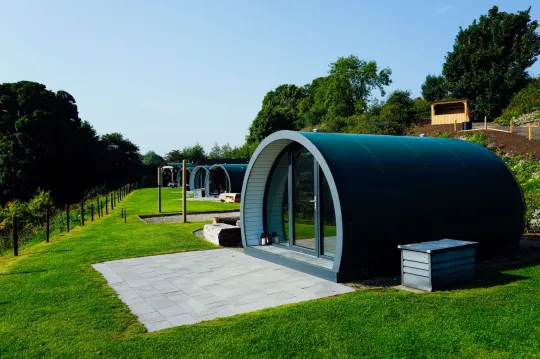
- Glamping and camping pods: Insulated pods and furnished tents for people who want comfort without pitching. Our guide to camping pods explains what to expect.
- Hostels and bunkhouses: A budget indoor alternative for wet weather or larger groups.
If you are touring with a caravan or motorhome, our guide to caravan sites covers what to check on hookups, pitch types, and facilities before you book.
Best seasons for Lake District camping
The Lake District is one of the wettest parts of England, so timing is about balancing weather, crowds, and daylight rather than chasing a guaranteed dry spell.
- Summer, June to August: The warmest and busiest period, with long daylight hours but peak prices and full campsites. Book well ahead.
- Late spring and early autumn: The sweet spot for many, with fewer crowds, decent conditions, and lower demand. Weather is more variable.
- Winter: Quiet and dramatic, but cold, wet, and short on daylight, with many campsites closed. Best left to well-equipped campers.
Whatever the season, the golden rule is to expect rain. Good waterproofs, a reliable tent, and a plan for wet days will save any Lake District trip.
Weather warning
Mountain weather in the fells changes fast and can be far worse than the valley forecast. If you plan to walk high, check a dedicated mountain forecast, carry proper layers and navigation, and turn back if conditions close in. Do not rely on phone signal on the tops.
Wild camping and the rules
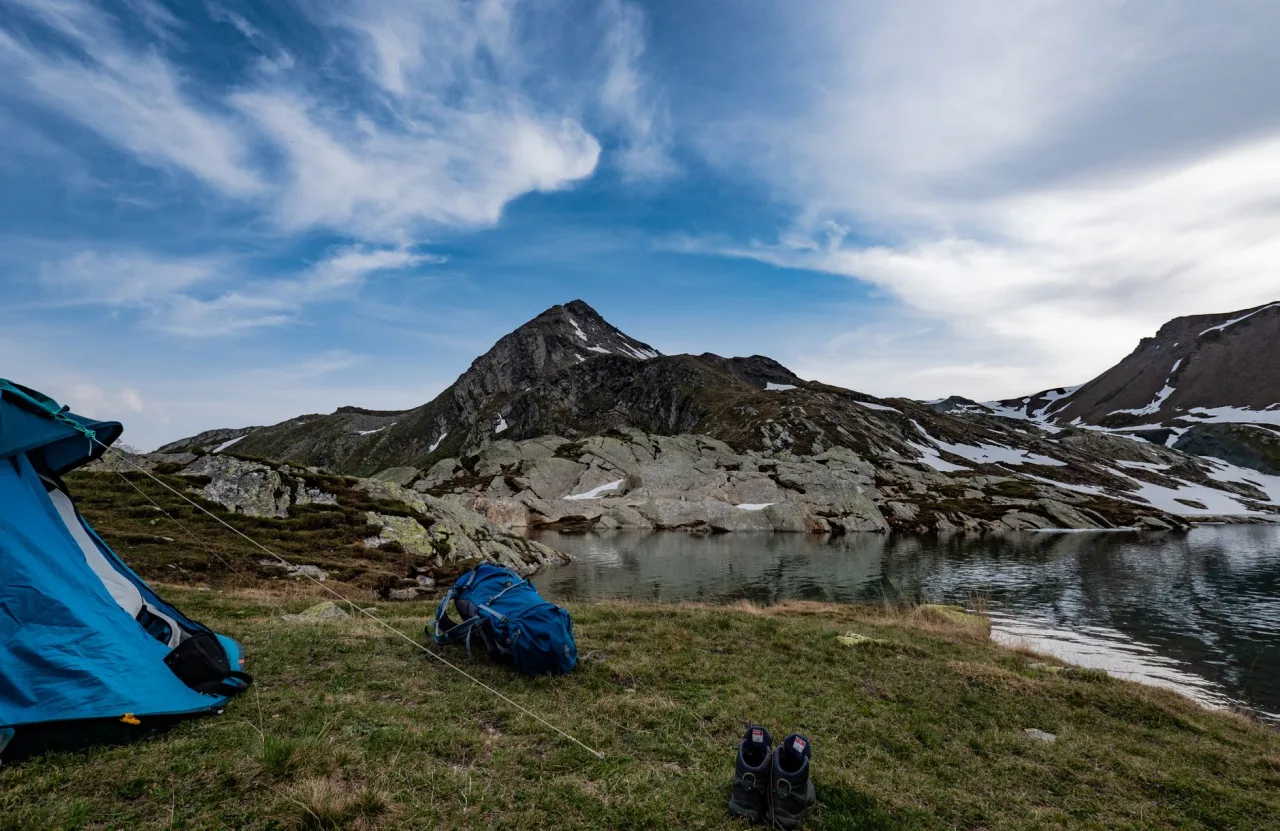
Wild camping is one of the biggest misconceptions about the Lake District. Unlike parts of Scotland, England does not grant a general right to wild camp, so pitching outside an established site is not automatically allowed and usually requires the landowner's permission. The official park guidance lists wild camping as a distinct option with its own conditions, rather than a free-for-all.
For almost every visitor, the practical answer is to use an established campsite, caravan park, or glamping site. These give you toilets, water, and a legal, welcome place to stay, and they support the local area. If you are set on a wilder experience, research the specific rules and permissions carefully before you go.
What to pack for the Lake District
The park's weather and terrain reward preparation. Build your kit around wet, changeable conditions even in summer.
- A waterproof tent with a good flysheet and a groundsheet, plus extra pegs for exposed pitches. See our best family tents roundup if you are upgrading.
- Full waterproofs, warm layers, and a hat, regardless of the season.
- Sturdy walking boots and dry socks, since trails are often muddy.
- A map and compass or GPS for any fell walking, plus a mountain weather forecast.
- A stove and rain-friendly cooking plan, as open fires are often not permitted on sites.
- Dry bags to keep bedding and clothes dry inside the tent.
Choosing a Lake District campsite
The park is compact but varied, so base your choice on the kind of trip you want rather than the first pretty photo. A lakeside pitch suits swimming and paddling, while a valley site near a village gives easy access to pubs and shops, and a higher, quieter site rewards walkers.
- Decide your priority: lakeside, walking access, family facilities, or comfort.
- Pick a base area, since the park is small enough to day-trip from one spot.
- Compare a shortlist on facilities, opening dates, and how busy the season is.
- Book ahead for summer and bank holidays, when popular sites fill quickly.
Prices vary by site type, season, and how equipped the pitch is, so treat any figure as a range and confirm the total when you book. For the wider skills that make any trip smoother, our complete guide to camping is a useful companion, and the honest way to compare sites is on clear criteria rather than a headline claim.
Frequently asked questions
Is wild camping allowed in the Lake District?
Not as a general right. England does not grant open access for wild camping the way parts of Scotland do, so pitching outside an established site usually needs the landowner's permission. For most visitors the practical choice is an established campsite, caravan park, or glamping site.
When is the best time to camp in the Lake District?
Late spring to early autumn is the most reliable window, balancing weather, daylight, and crowds. Summer is warmest but busiest and priciest, while winter is quiet but cold, wet, and short on daylight with many sites closed. Expect rain in any season and pack accordingly.
What kinds of camping can I do in the Lake District?
The park offers traditional tent campsites, caravan and motorhome sites, glamping and camping pods, and hostels or bunkhouses. The official Lake District National Park website lists these among its budget-friendly places to stay, so there is an option for tents, touring vehicles, and those wanting a roof.
How much does camping in the Lake District cost?
There is no single rate. Prices vary with site type, season, and how equipped the pitch is, from a basic tent pitch to a furnished glamping pod. Treat any quote as a range and confirm the full total, including any fees, when you book.
Do I need to book a Lake District campsite in advance?
For summer, bank holidays, and popular lakeside sites, yes. Demand is high and the best sites fill early. In quieter shoulder-season periods you have more flexibility, but booking ahead still guarantees your dates and saves a wasted drive.
What should I pack for the Lake District weather?
Plan for rain and changeable conditions year-round. Bring a waterproof tent with extra pegs, full waterproofs and warm layers, sturdy boots, and dry bags to protect your kit. For any fell walking, add a map, compass or GPS, and check a dedicated mountain weather forecast.
More guides on Destination Camping
Have a question or a topic to suggest?
We read every message. Tell us what you would like to see next on the blog.
Get in touchYou may also like
Camping Sites Lake District: Best Spots
The Lake District packs England's highest mountains and largest lakes into one compact national park, which makes it one of the finest and most popular places in the country to camp.
Camping Pods: The Complete Guide
What camping pods are, the types from basic shells to luxury hot-tub pods, realistic costs, and how to choose and pack for a warm, dry stay.

Caravan Sites
Caravan sites range from a farmer's field with a water tap to a full facility holiday park with pools and restaurants, and the word covers all of it.