Touring Parks
Touring Caravan Parks: Find & Compare
Park types, how pitch fees really work, and a checklist to choose a touring caravan park that fits your rig and budget.
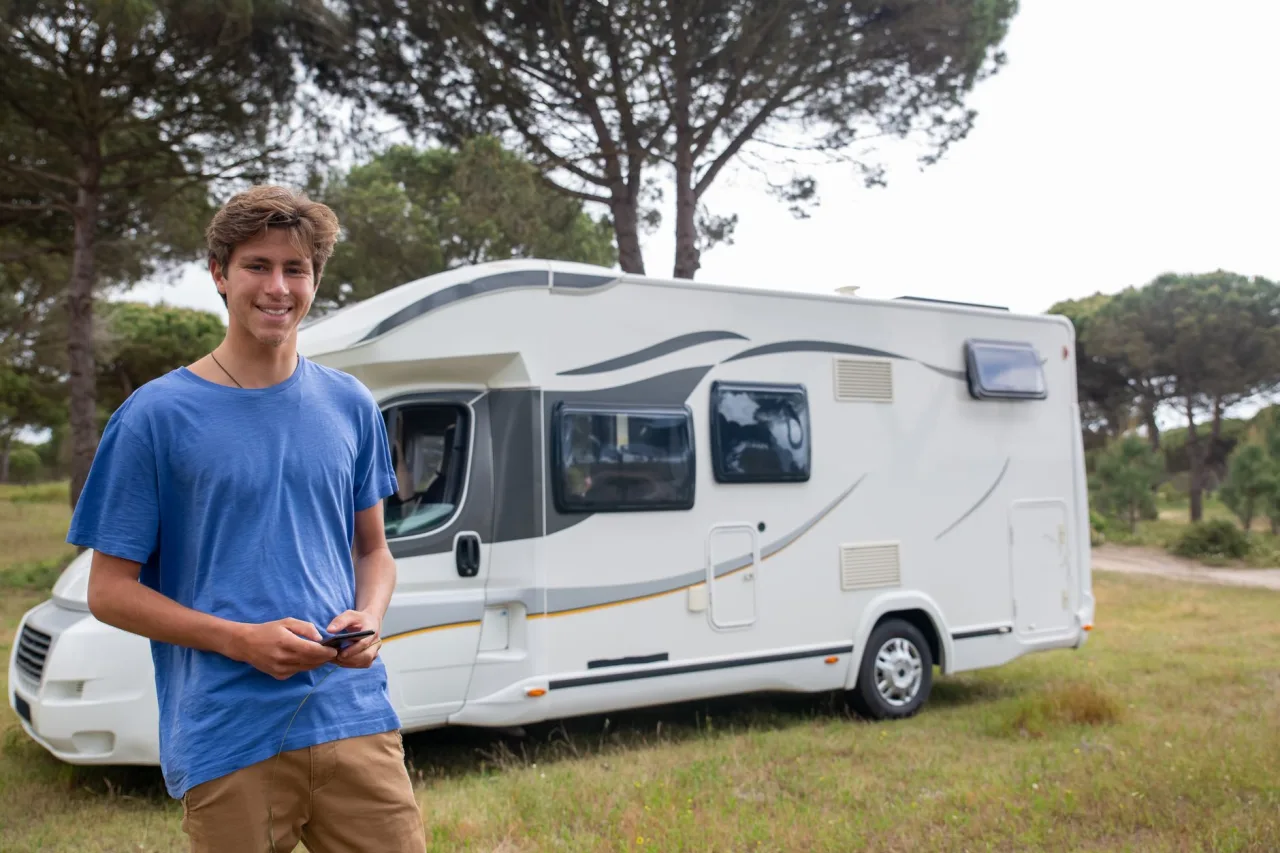
A good touring caravan park can make a trip, and a badly chosen one can sour it before you have levelled the van. This guide is not a leaderboard of named parks: it is a practical framework for finding, comparing, and choosing a touring caravan park that genuinely fits your rig, your budget, and the kind of holiday you want in 2026.
The short version
- A touring park is designed for caravans and motorhomes that move on after a few nights, unlike a static-only holiday park.
- Pitch fees vary widely by season, region, and facilities, so treat any figure as a range and confirm at booking.
- Match the park to your rig first: pitch size, hardstanding, electric hook-up, and access all matter more than the brochure photos.
- The best comparison is done on your own criteria. Use the checklist here rather than trusting a single star rating.
What counts as a touring caravan park?
A touring caravan park is a site set up for units that arrive, stay a few nights, and leave: touring caravans, motorhomes, campervans, and often trailer tents. Pitches are usually hired by the night, and the park provides shared facilities such as toilet and shower blocks, water points, and waste disposal. This is different from a static or holiday park, where fixed caravans stay in place all season, although some parks offer both.
Knowing the distinction saves wasted searches. If you tow your own van and want to move around, you want a touring pitch. If you want a fixed holiday home you visit repeatedly, that is the static route covered in our static caravan guide. For the wider picture of the hobby, the caravanning guide sets the scene.
Types of touring park, and who each suits
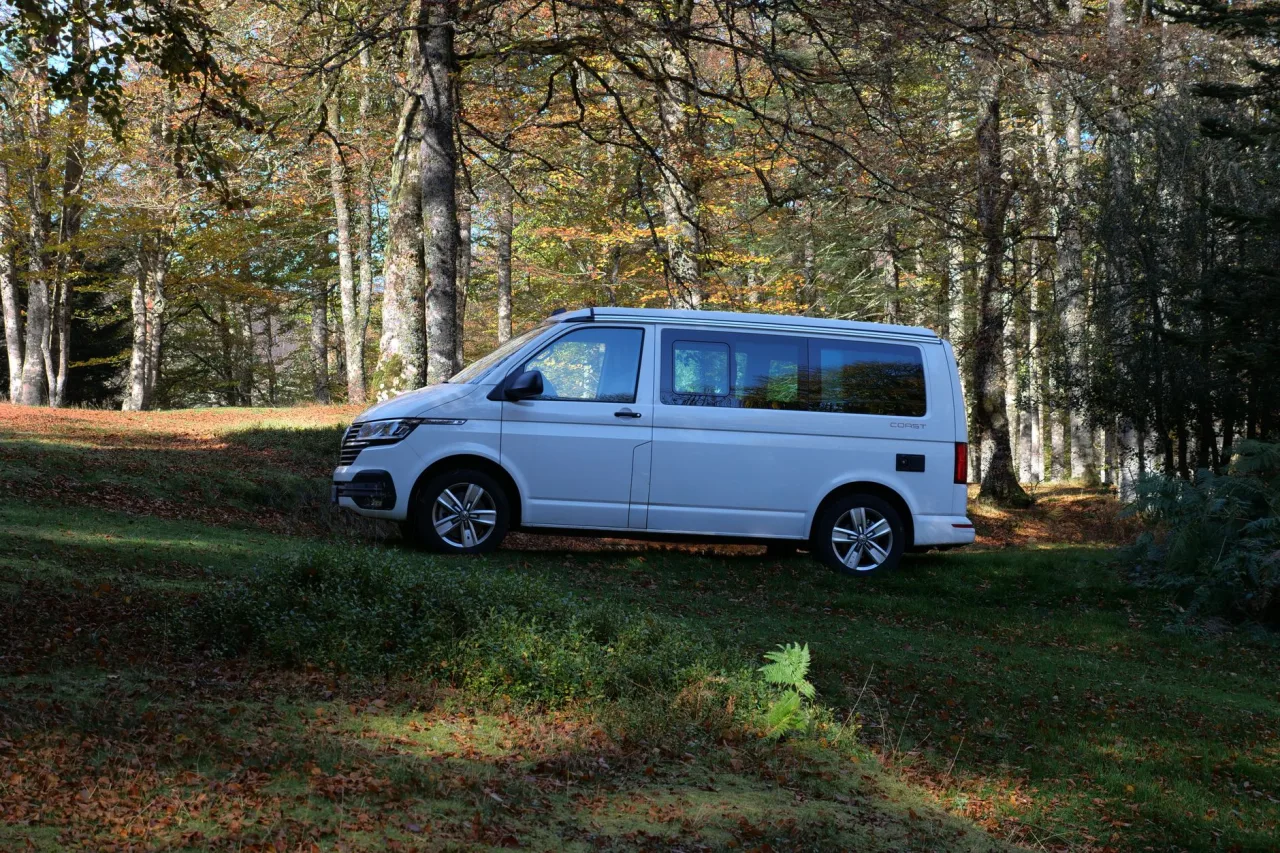
Touring parks are not all the same, and the right one depends on what you want from the trip.
- Large facility parks: full amenities, often including pools, shops, play areas, and entertainment. Good for families and first-timers who value convenience.
- Small certificated sites: compact sites limited to a handful of vans, quieter and often cheaper, popular with couples and experienced tourers who want peace over facilities.
- Adults-only parks: calmer sites that exclude under-18s, suited to those seeking a quiet break.
- Rally and club sites: run by caravanning clubs, sometimes members-only, with reliable standards. Our caravan and camping club guide explains how membership works.
- Farm and rural pitches: back-to-basics locations, often with limited hook-up, prized for scenery and space.
How touring pitch fees really work
Rather than quote invented prices, understand the levers that move the cost so you can judge any quote you are given. Pitch fees are driven by:
- Season: peak school holidays and bank holidays cost the most; midweek off-season is cheapest.
- Pitch type: a fully serviced hardstanding pitch with electric, water, and drainage costs more than a basic grass pitch.
- Location: coastal and honeypot destinations command a premium over inland rural sites.
- Extras: additional adults, awnings, dogs, and electric hook-up are often charged on top of the base pitch fee.
Because these vary so much by season and site, always confirm the total, including extras, when you book rather than relying on a headline nightly figure. If touring becomes a habit, weigh the running costs against owning by reading our caravan prices guide.
Tip: book early for peak, stay flexible for value
Popular touring parks fill months ahead for the summer and bank holidays, so book early if your dates are fixed. If you want the best value, keep your dates flexible and target midweek shoulder-season stays, when both pitch fees and crowds drop.
How to find touring caravan parks near your route
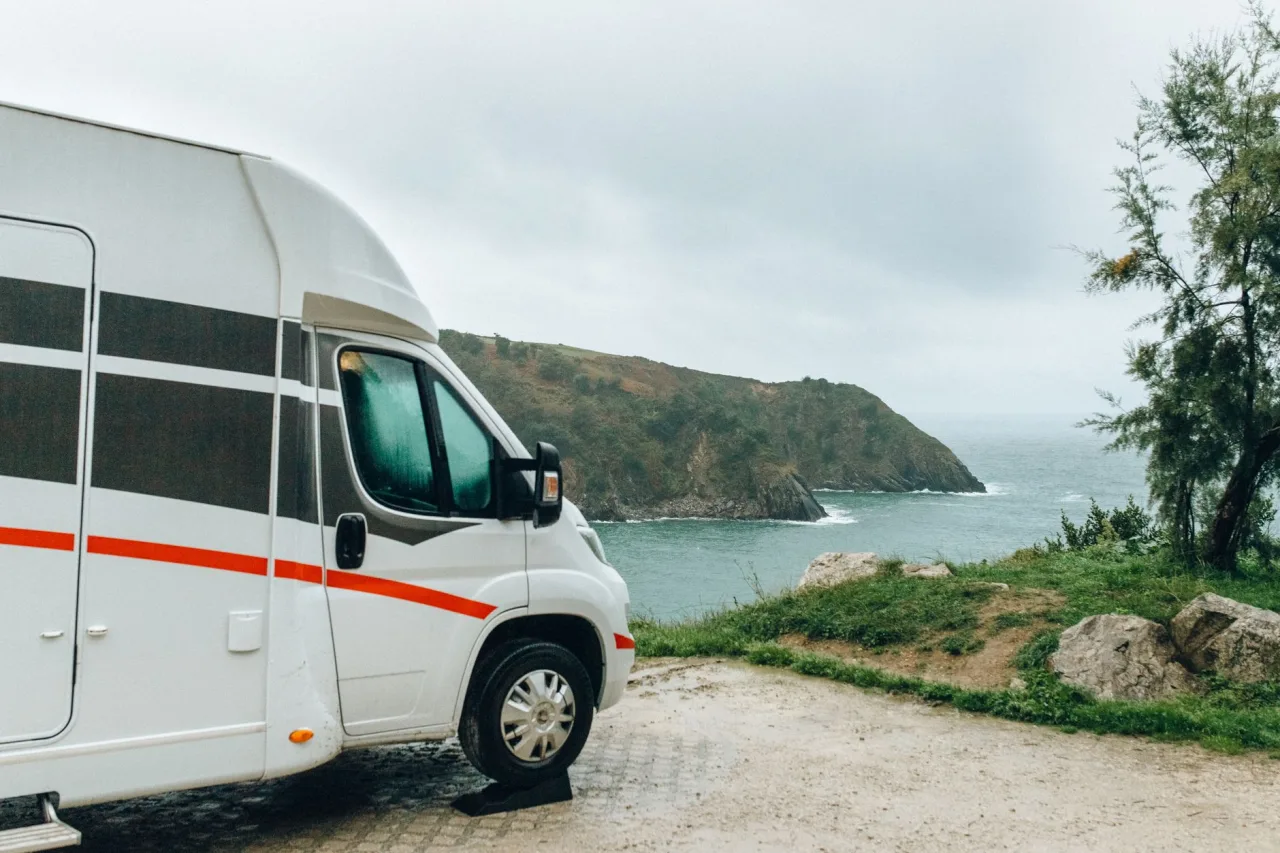
Finding candidates is the easy part; finding the right ones takes a little method.
- Start with the destination, not the park. Decide the area you want to explore, then search touring parks within a sensible drive of it.
- Use several sources. Cross-check club directories, mapping tools, and independent review sites rather than trusting one listing.
- Read recent reviews. Look for comments from the last year, and weigh patterns over one-off complaints.
- Check the park's own site. Confirm current facilities, pitch types, and rules directly, as third-party listings go out of date.
- Call if unsure. A quick phone call clears up access, pitch size, and availability faster than emails.
If a nearby search is what you need, our caravan parks near me and touring caravan sites guides help you narrow the field.
The comparison checklist: choosing between shortlisted parks
Once you have a shortlist, compare them on what matters to you rather than on marketing. Score each park against these points.
- Pitch suitability: is the pitch big enough for your van plus awning, and is hardstanding available if the ground is soft?
- Hook-up: is electric hook-up included or extra, and what amperage is supplied?
- Access: can you reach and manoeuvre onto the pitch with your outfit? Tight lanes and steep entrances defeat larger rigs.
- Facilities: clean toilet and shower blocks, laundry, waste points, and drinking water, matched to how self-sufficient your van is.
- Location and noise: proximity to attractions, walks, and shops, balanced against road or bar noise.
- Rules and extras: dog policy, gate times, arrival windows, and cancellation terms.
- Value: the all-in price for your dates, not the lowest advertised rate.
Warning: verify facilities before you arrive
Facilities close, pools shut for maintenance, and pitch types get reclassified. If a specific amenity is the reason you are booking, confirm it is open for your dates directly with the park. Do not rely on an old review or a cached listing.
Making the most of your touring park stay
A little preparation turns a good pitch into a great trip. Arrive within the park's stated window so you can pitch in daylight, level the van properly, and locate the nearest water and waste points before you settle. Note the fire points and the site rules on quiet hours. If you are new to towing and pitching, our caravan camping guide covers the practical routine, and for the broader appeal of getting outdoors, see the outdoor experience guide.
Membership of a recognised caravanning body can also pay for itself through access to club sites and discounts. In the UK, organisations descended from the historic touring clubs run extensive networks of well-run sites, and their standards give a useful baseline when a private park is an unknown quantity.
Frequently asked questions
What is the difference between a touring park and a holiday park?
A touring park is designed for caravans and motorhomes that arrive, stay a few nights, and move on, with pitches hired by the night. A holiday or static park is built around fixed caravans that stay in place all season. Some parks offer both, but if you tow your own van you specifically want a touring pitch.
How much does a touring caravan pitch cost per night?
There is no single figure, because pitch fees depend heavily on season, region, pitch type, and extras such as electric hook-up, awnings, and dogs. A serviced hardstanding pitch on the coast in peak season costs far more than a basic grass pitch inland midweek. Always confirm the all-in total for your dates when booking.
Do I need to book a touring park in advance?
For peak school holidays, bank holidays, and popular destinations, yes, as good parks fill months ahead. Outside those periods you can often find pitches at shorter notice, and staying flexible with midweek shoulder-season dates gives you the best chance of availability and value.
What should I look for when comparing touring caravan parks?
Compare pitch suitability for your rig, whether electric hook-up is included, ease of access, the standard and range of facilities, location and noise, site rules, and the all-in price for your dates. Score each shortlisted park against your own priorities rather than trusting a single star rating.
Do I need to join a caravan club to use touring parks?
No. Many touring parks are open to everyone. However, membership of a recognised caravanning club opens access to their own network of well-run club sites and can bring discounts, which is worth it if you tour regularly. Independent parks remain freely bookable whether or not you are a member.
More guides on Caravan Parks & Touring
Have a question or a topic to suggest?
We read every message. Tell us what you would like to see next on the blog.
Get in touchYou may also like

Caravan Parks Near Me: Find & Compare
An honest method for finding, comparing and choosing a good caravan park near you, with a checklist for facilities, access, rules and true total price.
Touring Caravan Sites: Complete Guide
The types of touring caravan site, what they cost, the hook-ups and facilities to look for, and how to choose one that suits your van and your trip.
Riverside Caravan Park: Find & Compare
Waterside pitches trade practicality for atmosphere. Learn how to find and compare riverside caravan parks, plus the flood, safety and insect questions to ask first.