Outdoor Guide · Camping & Outdoors (General)
The Outdoor Experience: Complete Guide
The main ways to get outdoors, what each costs, how to choose the right one for you, and how to plan a first trip that lasts.
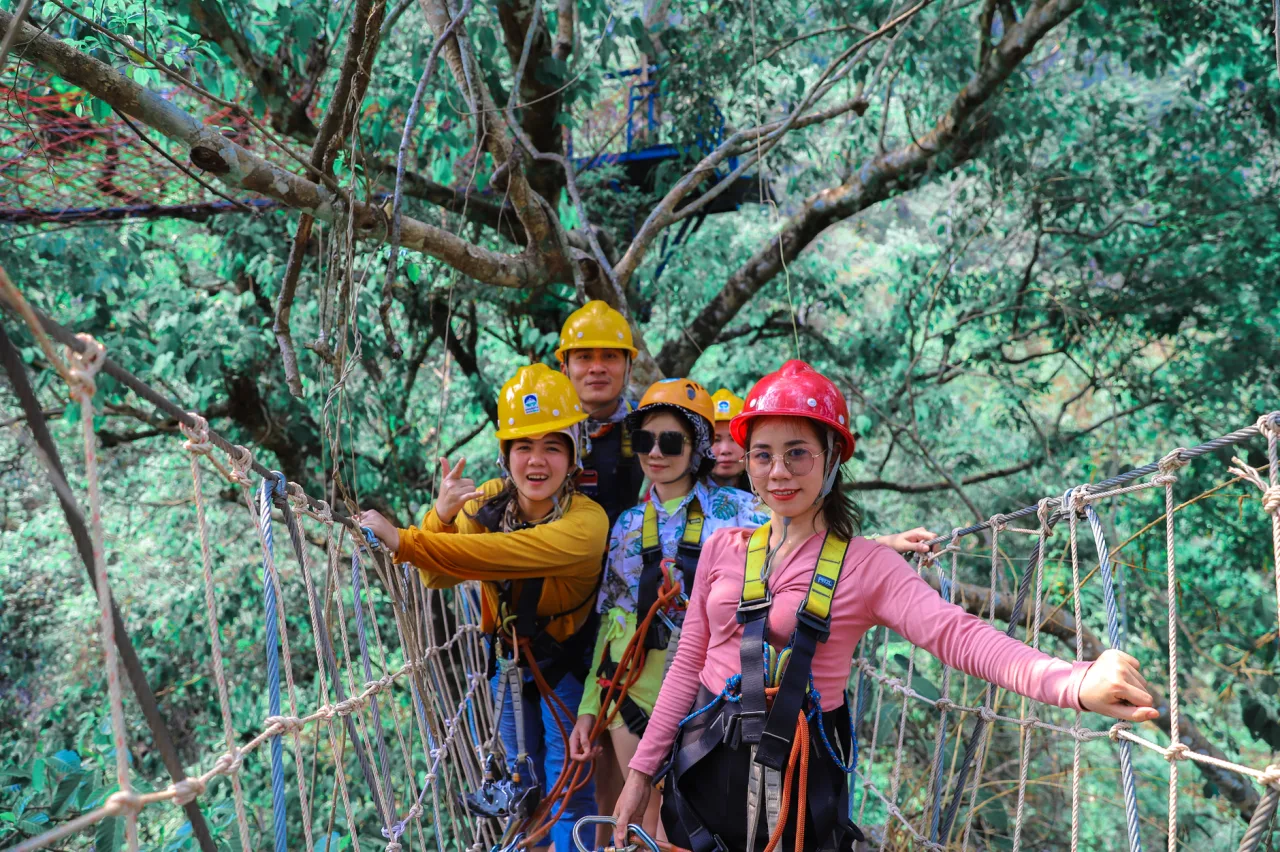
The outdoor experience is not one thing. It stretches from a fireside night under canvas to a mountain hike, a riverside caravan week, or a first attempt at glamping. This complete guide maps the whole landscape: the main ways to get outdoors, what each costs, how to choose the right one for you, and how to plan a first trip that leaves you wanting more.
The short version
- Outdoor recreation covers everything from camping and caravanning to hiking, paddling, and glamping, done for exercise, wellbeing, and a change of pace.
- There is an entry point for every budget and comfort level, from a borrowed tent to a fully serviced caravan pitch.
- Choosing well means matching the activity to your comfort, budget, group, and the time you have, not chasing someone else's idea of adventure.
- Start small and local. A good first trip builds the confidence and kit for bigger ones.
What do we mean by the outdoor experience?
Outdoor recreation, as Wikipedia's overview of outdoor recreation describes it, is leisure pursued outside in natural settings, typically for physical exercise, general wellbeing, and a kind of mental reset. It ranges from gentle activities such as picnicking, birdwatching, and easy walks to more demanding pursuits like backpacking, climbing, and paddling. The common thread is time spent in nature rather than the intensity of the effort.
That breadth is the point. The outdoor experience is as much a relaxed weekend beside a lake as it is a summit push. Whatever your fitness, budget, or appetite for roughing it, there is a version that fits, which is why this guide treats the whole spectrum rather than pushing a single style.
The main ways to get outdoors
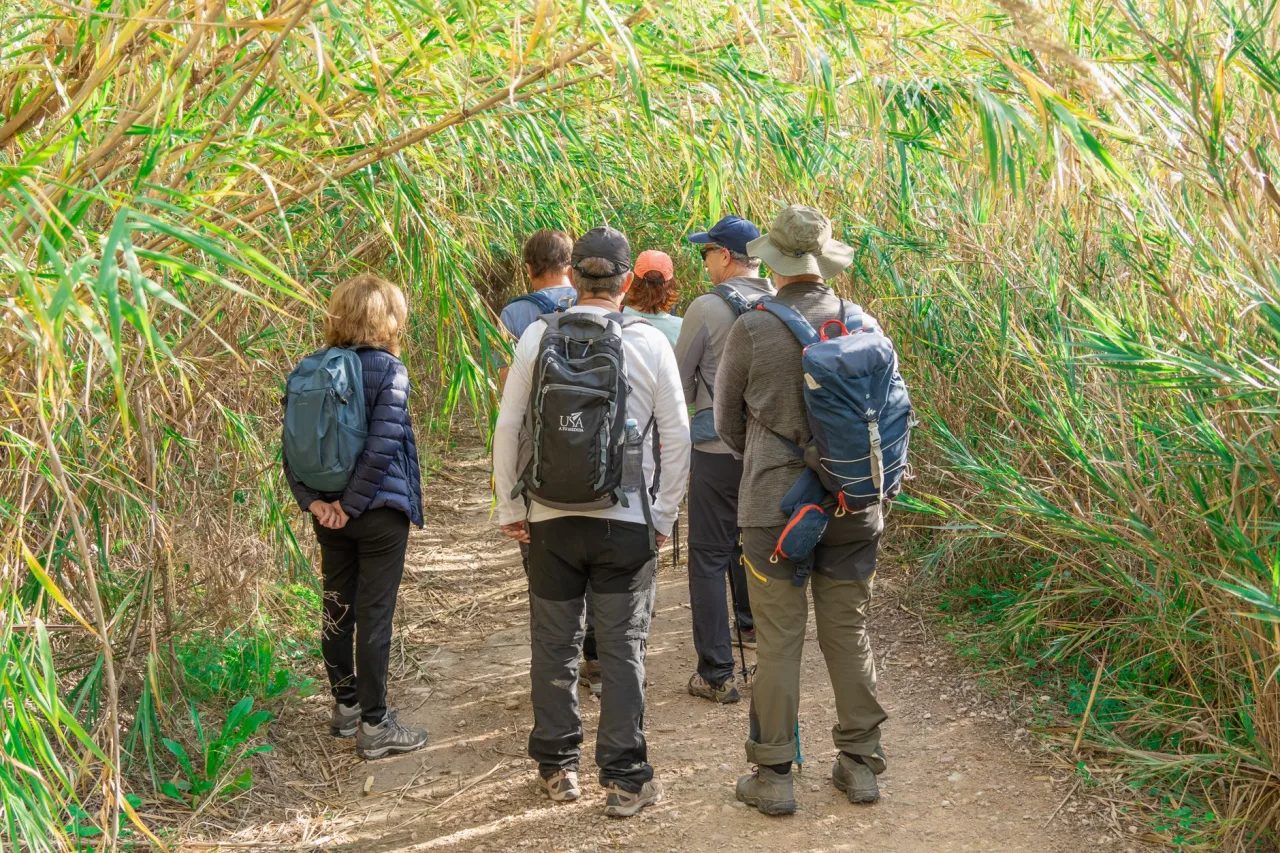
Most outdoor holidays fall into a handful of broad styles. Understanding them helps you pick a starting point.
- Tent camping: the classic, low-cost entry to the outdoors, flexible and close to nature. Our complete camping guide covers the essentials.
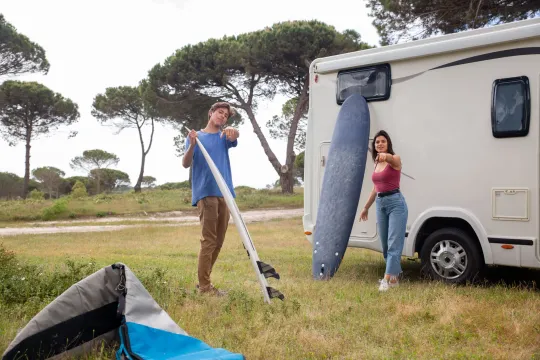
- Caravanning and motorhoming: more comfort and weather protection, with your accommodation on wheels. See the caravanning guide to start.
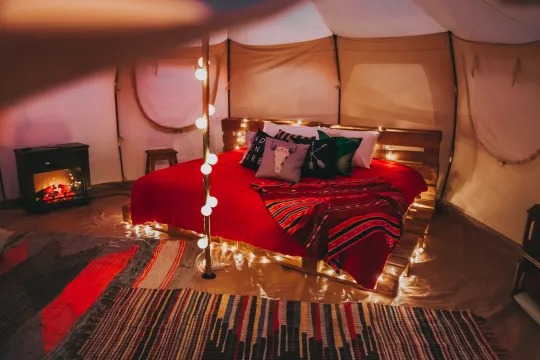
- Glamping: the outdoors with beds, comfort, and often heating, for those who want nature without the roughing it. Our glamping guide explains the options.
- Adventure activities: hiking, climbing, paddling, cycling, and more, often built around a base camp. The adventure camping guide and outdoor adventure guide go further.
The benefits: why people keep going back
The appeal of the outdoors is well documented and simple to feel. Time in natural settings supports physical activity, whether that is a gentle walk or a demanding climb, and many people find it lowers stress and lifts mood. There is a social side too: shared trips, campfires, and the small challenges of pitching or cooking outdoors bring groups together.
It is also accessible and adaptable. You can go for a night or a fortnight, alone or with children, cheaply or in comfort. Few forms of holiday scale so easily to your budget and energy, which is a large part of why the outdoor experience keeps drawing people back season after season.
Tip: start local and short
Your first outdoor trip should be close to home and only a night or two. A nearby site means you can retreat easily if the weather or the kit defeats you, and a short trip teaches you what to pack and what to skip before you commit to a longer adventure.
What the outdoor experience costs
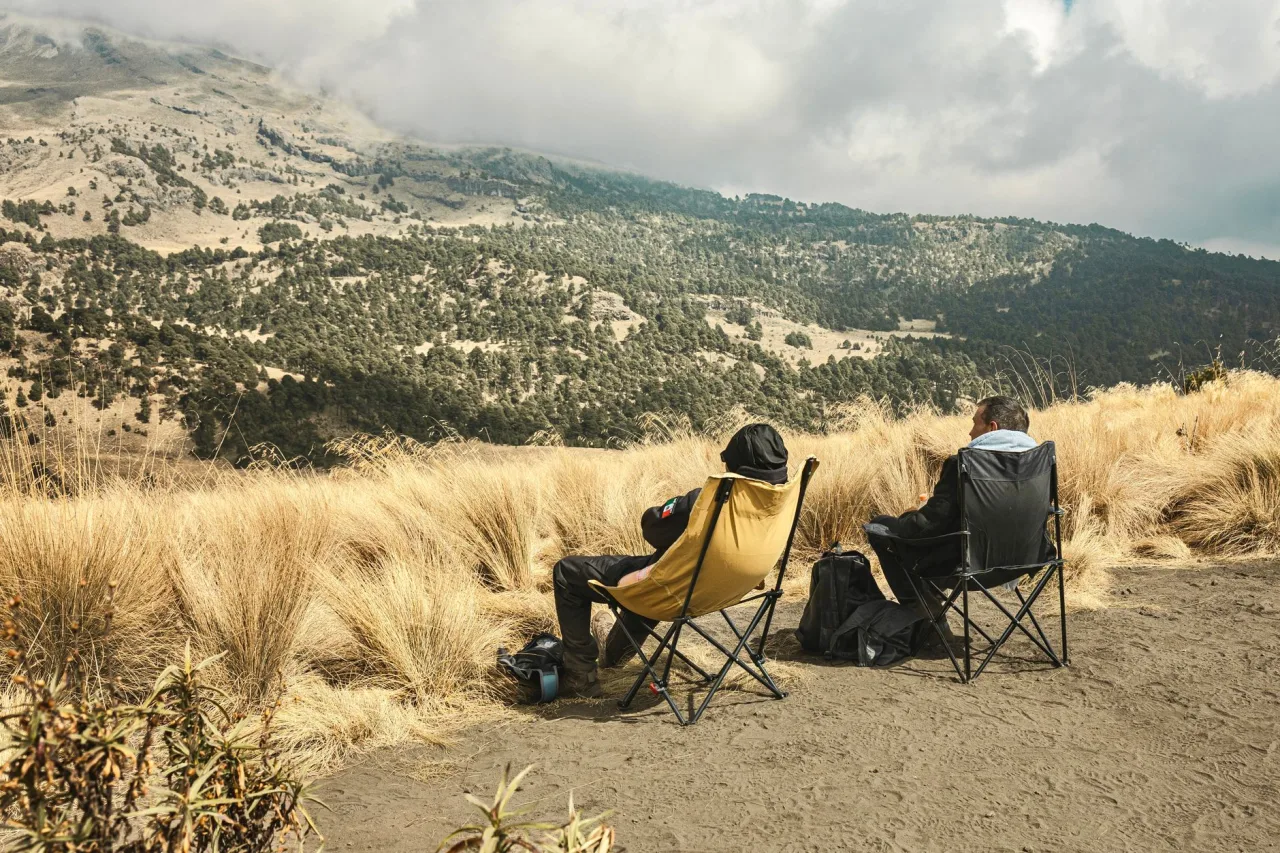
One of the best things about getting outdoors is the range of price points. Rather than quote fixed figures, think in tiers and confirm current prices when you book.
- Budget: borrowed or basic kit and a simple pitch on a campsite. Tent camping is the cheapest way in, and pitch fees are modest, though they vary by season and location.
- Mid-range: your own quality gear, or a touring caravan or motorhome, spreads the cost over many trips. Serviced pitches cost more than basic ones.
- Comfort: glamping and premium parks cost the most per night but include the comfort and often the equipment, so there is little to buy.
Because pitch fees and prices vary by season and site, always confirm the total when booking. If you are weighing gear or caravan purchases, our guides to caravan prices and used caravans help you judge value.
How to choose the right outdoor experience for you
The best trip is the one that matches your reality, not an idealised version of it. Work through these questions.
- Comfort level: are you happy in a tent, or do you want a bed, heating, and a bathroom? Be honest; a miserable first night puts people off for years.
- Budget: what can you spend on kit and pitches, and would you rather buy gear once or pay more per trip for comfort?
- Group: young children, older relatives, and dogs all shape what works.
- Time and distance: a weekend suits a local site; a fortnight justifies travelling further.
- Activity: do you want to relax by water, walk the hills, or try something active? Choose a base that supports it.
Answering these narrows the field fast. A family wanting comfort near a beach lands somewhere very different from a couple chasing quiet hill walks, and both are valid outdoor experiences.
Planning your first trip
A little planning turns a first attempt into a habit. Once you have chosen a style, work through the practicalities.
- Pick and book a site. Reserve early for peak dates. In the US, federal campgrounds can be found and booked through the official Recreation.gov campgrounds service, while national parks share camping guidance via the National Park Service camping pages.
- Sort accommodation and kit. Borrow, rent, or buy the minimum you need, and test-pitch a tent at home first.
- Plan meals simply. Easy, familiar food beats ambitious cooking on a first trip.
- Check the weather and pack layers. Conditions outdoors change fast; warm and waterproof layers rescue most trips.
- Know the site rules. Arrival times, quiet hours, fires, and dogs vary by site.
To find a base, our directories for camping near me and touring caravan parks are a good starting point.
Warning: respect the places you visit
The outdoors stays worth visiting only if we look after it. Follow leave-no-trace principles: take your litter home, stick to marked paths, be careful with fire, keep noise down, and give wildlife space. Good habits protect both the landscape and your welcome at the sites you love.
Building on your first outdoor experience
Once the first trip goes well, the outdoor experience opens up. You might upgrade from a borrowed tent to your own quality gear, move from tent to caravan for more comfort, or branch into activities like paddling, cycling, and hill walking. Many people work through the whole spectrum over the years, and the skills and kit carry across. Whatever direction you take, the same principles apply: match the trip to your reality, start within your comfort, and build from there. Explore the linked guides above to plan your next step.
Frequently asked questions
What counts as an outdoor experience?
An outdoor experience is any leisure activity done outside in a natural setting, from camping, caravanning, and glamping to hiking, paddling, cycling, and simply relaxing by a lake or coast. It is usually pursued for exercise, wellbeing, and a mental reset, and it ranges from very gentle to physically demanding.
What is the cheapest way to get outdoors?
Tent camping is generally the cheapest way into the outdoors, especially with borrowed or basic kit and a simple pitch on a campsite. Pitch fees are modest compared with other holidays, though they vary by season and location, so confirm current prices when you book. Buying your own gear costs more upfront but spreads over many future trips.
How do I choose the right type of outdoor trip?
Match the trip to your reality. Consider your comfort level, budget, who is coming, how much time you have, and what you want to do, whether that is relaxing by water or walking the hills. A family wanting comfort near a beach needs something very different from a couple chasing quiet hill walks, and both are equally valid.
Do I need to book campsites in advance?
For peak seasons, holidays, and popular destinations, yes, as good sites fill up early. In the US you can find and book many federal campgrounds through the official Recreation.gov service, and national parks publish camping guidance through the National Park Service. Outside peak periods you can often find pitches at shorter notice.
How can I make my first outdoor trip a success?
Start close to home and keep it short, one or two nights, so you can retreat easily if needed. Book your site early, test-pitch your tent at home, plan simple familiar meals, check the weather and pack warm waterproof layers, and read the site rules in advance. Keeping the first trip modest builds the confidence and kit for bigger adventures.
More guides on Camping & Outdoors (General)
Have a question or a topic to suggest?
We read every message. Tell us what you would like to see next on the blog.
Get in touchYou may also like
Camping: The Complete Guide
From types of camping and essential gear to planning a first trip, costs and safety, this complete guide helps you start with confidence.
Caravanning
Caravanning is one of the most flexible ways to travel: you tow your own comfortable base to a site, unhitch, and explore with a free car. This complete guide covers what caravanning actually involves
Glamping: The Complete Guide
What glamping is, the main accommodation types, realistic costs, and how to choose a stay that lives up to the listing.