Caravan Parks & Touring · Caravan Parks & Touring
Caravan Camping
Caravan camping blends the freedom of the open road with a proper bed, a kitchen, and shelter from the weather.
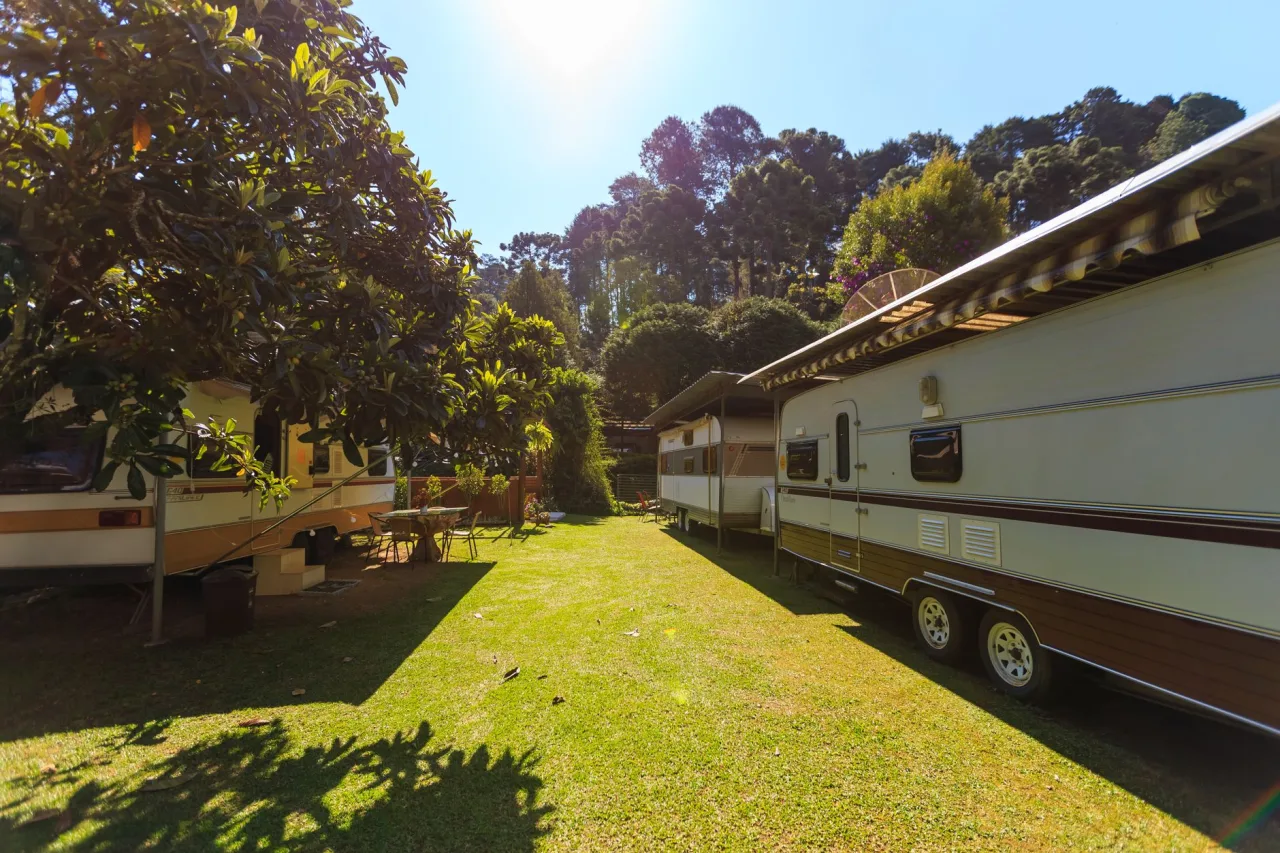
Caravan camping blends the freedom of the open road with a proper bed, a kitchen, and shelter from the weather. Whether you are touring for the first time or thinking about buying, this complete guide covers what caravan camping involves, the types of caravans and pitches, realistic costs, and the practical skills that turn a nervous first trip into a lifelong habit.
The short version
- A touring caravan is towed behind your car, so your tow vehicle's weight limits decide what you can safely pull.
- Pitches range from fully serviced hardstandings with electric hookup to simple grass sites with shared facilities.
- Costs split into the caravan itself, pitch fees, insurance and storage, and running extras. Confirm current pitch rates when you book.
- The learning curve is mostly towing, levelling, and hookups. All three are quick to master with a little practice.
What caravan camping actually is
Caravan camping means towing a wheeled living space, the caravan, behind a road vehicle and staying on it at a pitch rather than sleeping in a tent or a fixed building. As the Wikipedia entry on caravans explains, these trailers exist to provide comfortable, self-contained accommodation you can take almost anywhere, which is exactly what makes touring so flexible.
Unlike a motorhome, a caravan separates the living space from the engine, so you unhitch on arrival and use your car freely to explore. That split is the core appeal for many campers: a comfortable base that stays put while you come and go. If you are still weighing your options, our broader caravanning guide compares the wider lifestyle in more detail.
Types of caravan
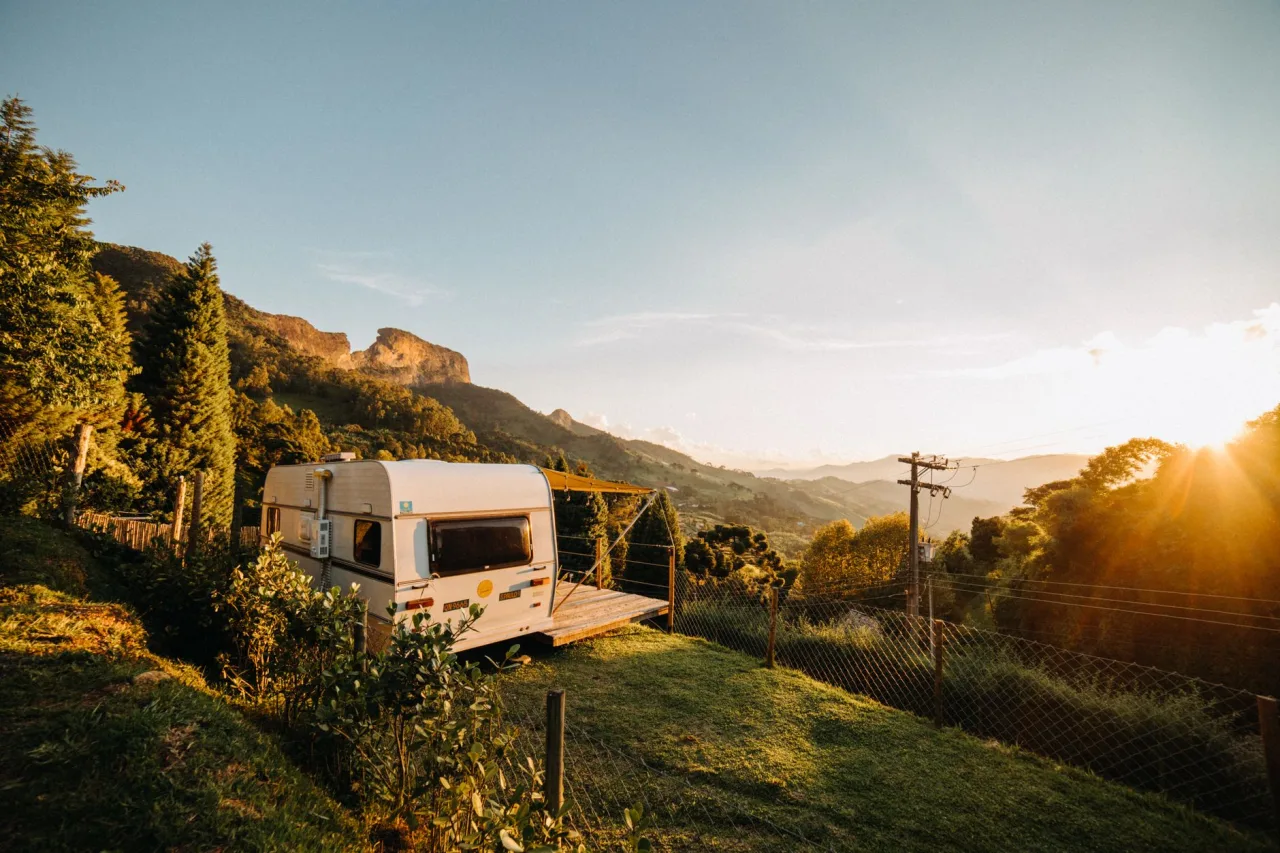
Caravans come in a range of sizes and layouts, and the right one depends on how many people travel with you and what your car can tow. The main distinctions are worth knowing before you shop.
- Single-axle tourers: Lighter and easier to manoeuvre, well suited to couples and smaller cars.
- Twin-axle tourers: More stable at speed and more spacious, but heavier and trickier to pitch by hand.
- Berth layouts: Caravans are described by berths, meaning sleeping spaces, from cosy two-berth models to family six-berth designs with bunks.
- Off-road tourers: Built tougher for rough tracks and remote pitches, a niche covered in our off-road caravans guide.
If you are comparing caravans against staying put, note that a static caravan is a different thing entirely: it stays on one park year-round rather than touring. Our static caravan guide covers that route.
Choosing a pitch
Where you stay shapes the whole trip, and pitches vary far more than newcomers expect. Understanding the main types helps you match a site to your comfort level and budget.
- Fully serviced hardstanding: A firm, level pad with electric hookup and often water and drainage at the pitch. The easiest option, especially in wet weather.
- Grass pitch with hookup: A grassy plot with an electric supply nearby. Pleasant in summer but softer underfoot after rain.
- Non-electric grass pitch: The simplest and usually cheapest, relying on your leisure battery and gas.
- Certificated or small sites: Compact, often rural pitches limited to a handful of caravans, prized for peace and space.
Quick tip
Book a hardstanding with hookup for your first few trips. Removing the variables of a muddy grass pitch and no mains power lets you focus on learning to tow, level, and set up without stress.
To find and compare nearby options, a caravan parks near me search is a good starting point, and joining a club opens up members-only sites, as our caravan and camping club guide explains.
Towing safely and legally
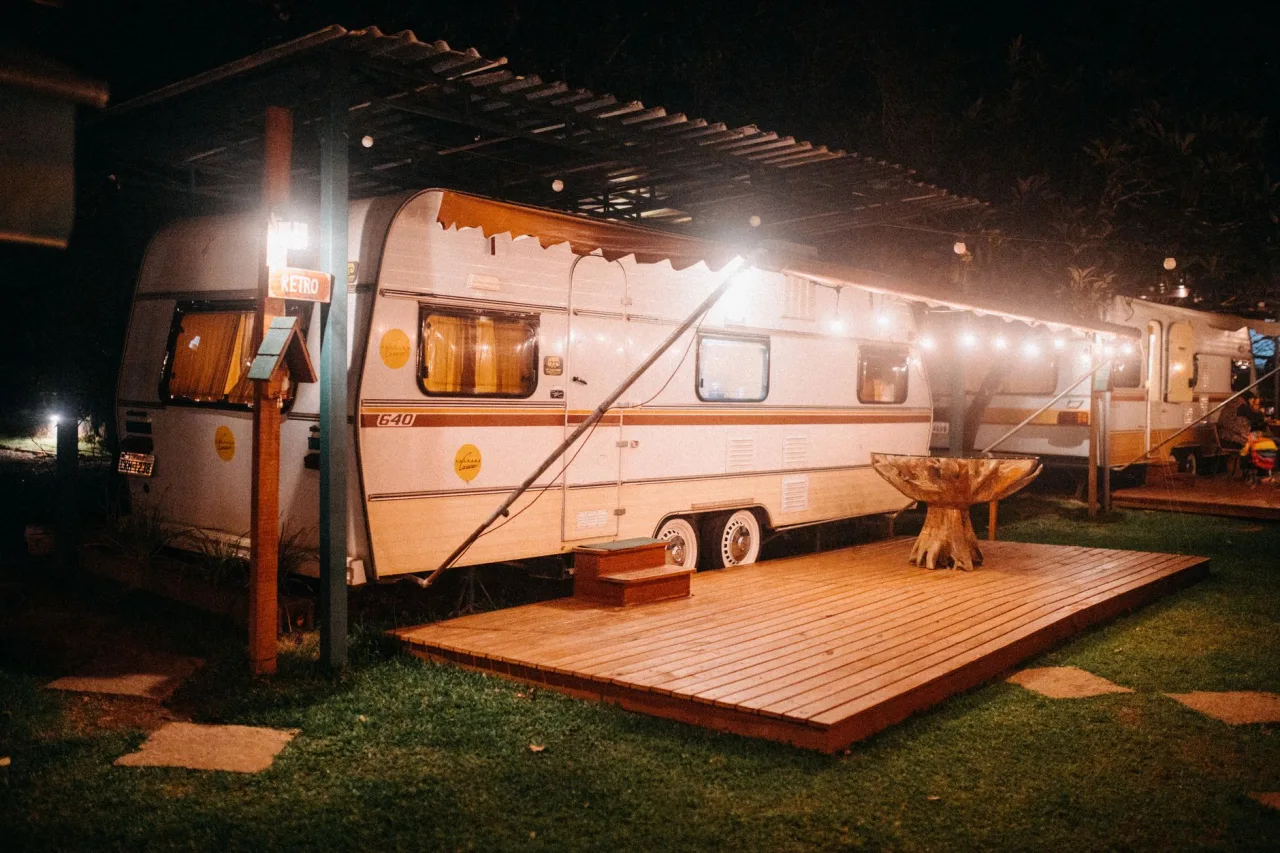
Towing is the skill that intimidates newcomers most, and it deserves respect, but it is very learnable. The two things to sort before you hitch up are weight and driving confidence.
On weight, your car has a maximum towing capacity and a recommended loaded caravan weight relative to the car, and staying within both keeps the outfit stable. Overloading or towing something too heavy for the car is the classic cause of snaking, where the caravan sways dangerously at speed. Check your licence entitlement too, because rules on what you can tow depend on when you passed your test and where you live.
On confidence, a formal towing or manoeuvring course pays for itself quickly. National clubs such as the Caravan and Motorhome Club run practical training that covers hitching, reversing, and emergency handling, and the difference after a day of instruction is enormous.
What caravan camping costs
Caravan camping has an upfront cost and an ongoing one, and both vary widely, so treat any figure as a guide rather than a quote. The big variables are whether you buy new or used, the size and age of the caravan, and how much you tour.
- The caravan: New tourers cost considerably more than used ones, and prices scale with size, brand, and specification. Our caravan prices guide breaks this down.
- Pitch fees: Nightly rates depend on the site type, season, and hookup. Serviced hardstandings cost more than basic grass. Confirm the current rate when you book.
- Insurance and storage: Caravan insurance and, if you cannot keep it at home, secure storage are recurring costs worth budgeting for.
- Running extras: Gas, servicing, awnings, and the towbar and accessories on your car all add up over time.
If ownership feels like too big a leap, hiring is a low-risk way to try touring first. Our guide to renting a caravan covers how that works.
Setting up on site
Arriving and pitching becomes second nature after a few trips, but a clear routine helps at the start. Position and level the caravan front to back and side to side using a spirit level and levelling ramps, then lower the corner steadies for stability. Connect the electric hookup using the correct lead, and if the pitch has water and drainage, set those up next.
Inside, switch on the gas at the bottle, check the fridge and heating, and make up the beds. A simple written checklist stops you forgetting a step in the excitement of arrival, and running the same sequence every time means you rarely leave anything behind when you pack up.
Watch out
Always use a proper caravan hookup lead and never chain domestic extension leads together to reach a distant power post. Undersized or coiled leads can overheat. If the supply is too far, ask the site for a nearer pitch rather than improvising.
Caravan camping with a family
Caravans shine for family trips because everyone has a warm, dry base with a kitchen and a bathroom close by. Choose a berth layout that gives children their own beds, and favour family-friendly parks with play areas and clean facilities for the early years. Pack for the weather rather than the forecast, bring simple entertainment for rainy afternoons, and build in downtime so the trip stays relaxing. Many families find that once the towing and setup are routine, a caravan turns a weekend away into something they can do again and again without hotel prices.
Frequently asked questions
What is caravan camping?
Caravan camping means towing a wheeled living space, the caravan, behind your car and staying on it at a pitch instead of a tent or building. You unhitch on arrival and use the car to explore, while the caravan gives you a bed, a kitchen, and shelter. It combines road-trip freedom with far more comfort than tent camping.
Do I need a special licence to tow a caravan?
It depends on when you passed your driving test and where you live, because towing entitlements changed over the years. Check your licence categories and your car's towing capacity before you buy. Even where no extra licence is required, a practical towing course is strongly recommended for safe, confident handling.
How much does caravan camping cost?
Costs split into the caravan itself, which varies hugely between new and used, plus ongoing pitch fees, insurance, storage, and running extras like gas and servicing. Pitch rates depend on the site type and season, so confirm the current price when you book. Hiring first is a lower-cost way to try touring.
What is the difference between a touring caravan and a static caravan?
A touring caravan is towed between sites and taken home or stored between trips, giving you flexibility to travel. A static caravan stays on one holiday park year-round as a fixed holiday home and is not towed on the road. Tourers suit exploring, while statics suit a regular base in one favourite location.
Is caravan camping good for beginners?
Yes, once you get past the initial towing and setup learning curve, which most people manage within a few trips. Start with a serviced hardstanding pitch and electric hookup to reduce variables, consider a towing course, and use a written setup checklist. After that, caravan camping is comfortable, flexible, and easy to repeat.
More guides on Caravan Parks & Touring
Have a question or a topic to suggest?
We read every message. Tell us what you would like to see next on the blog.
Get in touchYou may also like

Camp RV Near Me: Find and Compare the Best
Searching "camp RV near me" usually means you want a good pitch tonight or this weekend, not a history lesson. This guide skips the fluff and shows you exactly how to find nearby RV camping
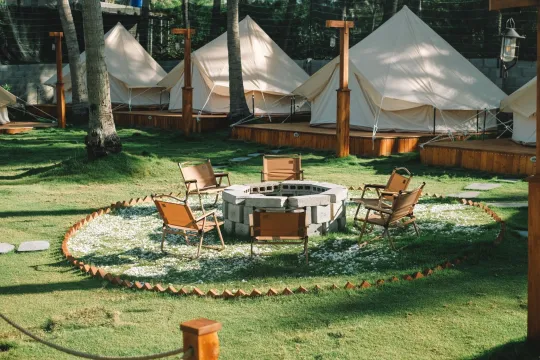
Creekfire RV Resort
If you have seen "Creekfire RV Resort" pop up while planning a trip, you probably want to know what a stay there is really like before you commit.

RV Parks for Sale: Find and Compare
"RV parks for sale" is one of those searches with two very different audiences: campers hoping to find a spot, and buyers looking to own an RV park as a business. This guide serves the buyer.