Riverside Parks
Riverside Caravan Park: Find & Compare
The flood, safety and midge questions riverside sites raise, plus how to find, compare and choose a good waterside caravan park.
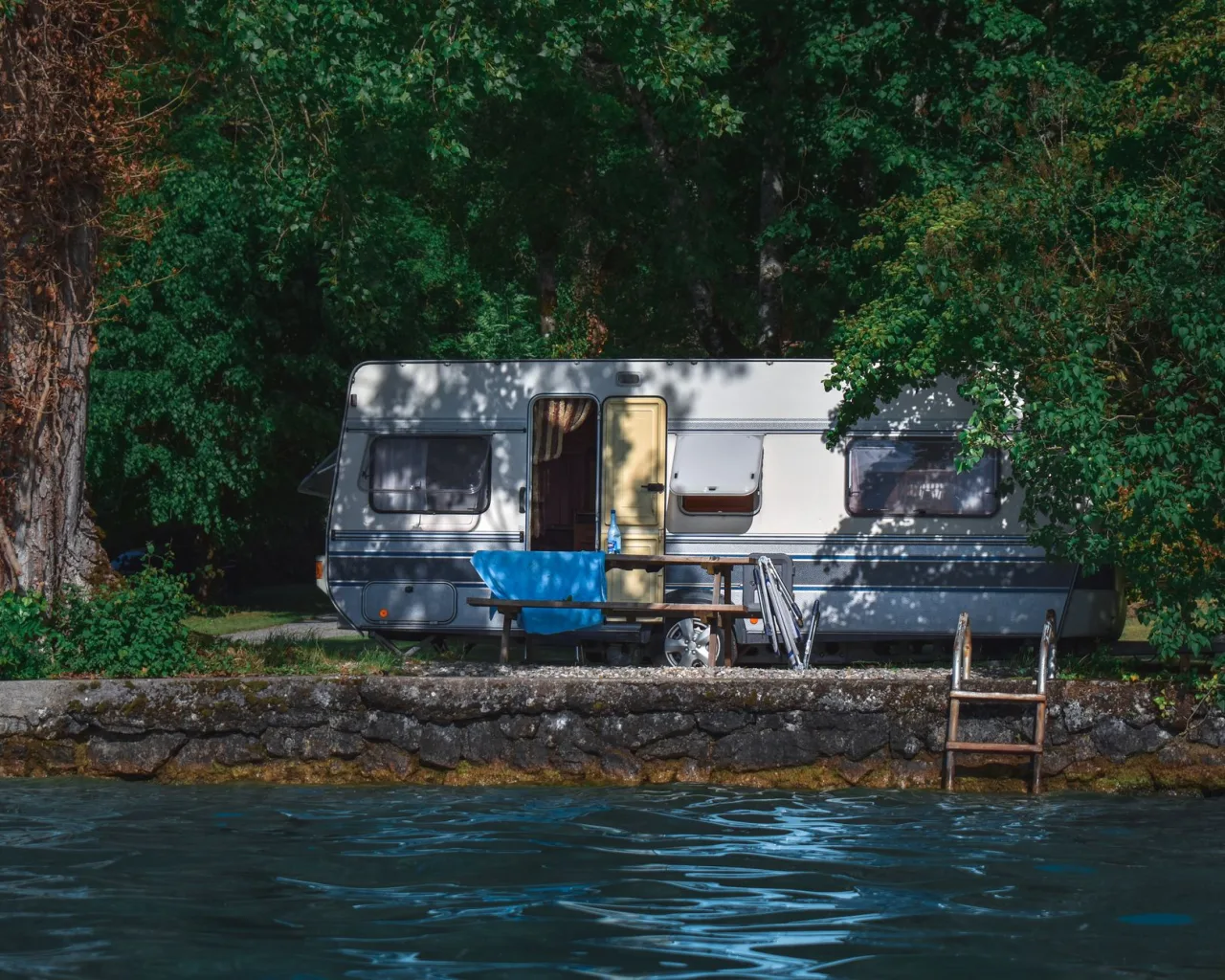
A riverside caravan park trades a little practicality for a lot of atmosphere: water views, birdsong, and the option to fish or paddle from your pitch. This guide skips the fake leaderboard and instead shows you how to find, compare, and choose a genuinely good riverside park, including the flood, safety, and midge questions that riverside sites raise and inland ones do not.
The short version
- Riverside parks put you beside water, which is the appeal and also the thing to research: flood risk, bank safety, and insects all matter.
- Pitch fees are set by season, location, and facilities, not by the river itself, so treat any price as a range and confirm at booking.
- A waterfront pitch is not automatically the best one. Aspect, drainage, and distance from the water often beat the closest spot.
- Compare on your own criteria using the checklist here rather than trusting a single rating.
Why choose a riverside caravan park?
The draw of a riverside park is straightforward: water is calming, the views are open, and the wildlife is close. Many riverside sites appeal to anglers who can fish from or near their pitch, to paddlers and canoeists, and to families who like children to have space and a natural feature to explore. Sunrise and evening light over water is a genuine reason people return to the same park year after year.
There are trade-offs. Ground near rivers can be damp, insects are more active at dusk in summer, and pitches close to the bank need care with children and dogs. None of these rule a riverside park out, but they do shape which one you should pick. For the wider context of caravan holidays, our caravanning guide and caravan camping guide set the scene.
The flood question: research it before you book

The single most important thing that separates riverside parks from ordinary ones is flood risk. Reputable parks manage this well, siting pitches above the normal flood line and following environmental guidance, but it is worth doing your own homework. In England you can look up the long-term flood risk for an area using the official GOV.UK flood risk service before committing to a stay, especially outside summer when river levels are higher.
This is not a reason to avoid riverside parks, only to choose sensibly. Ask the park directly how pitches are arranged relative to the river, whether they have a wet-weather plan, and what their cancellation policy is if conditions change. A park that answers these questions clearly is one you can trust.
Warning: water and children need a plan
An open riverbank beside your pitch is wonderful and also a hazard for young children and dogs. Before you book a waterfront pitch, decide whether you would be comfortable supervising the water's edge, or choose a pitch set back from the bank. Many riverside parks offer both, and the set-back pitch is often the better family choice.
How riverside pitch fees work
The river does not set the price; the same factors that drive any caravan park do. Rather than quote invented figures, use these levers to judge a quote:
- Season: summer and school holidays cost most; spring and autumn are quieter and cheaper, though river conditions vary more.
- Pitch type: a serviced hardstanding pitch with electric hook-up costs more than a basic grass pitch.
- Position: premium waterfront pitches sometimes carry a small surcharge over pitches set back from the river.
- Extras: fishing permits, dogs, awnings, and additional adults are usually charged on top.
Because all of these vary by season and site, confirm the all-in total when booking. If you are weighing regular trips against ownership, our caravan prices guide puts the numbers side by side.
How to find riverside caravan parks
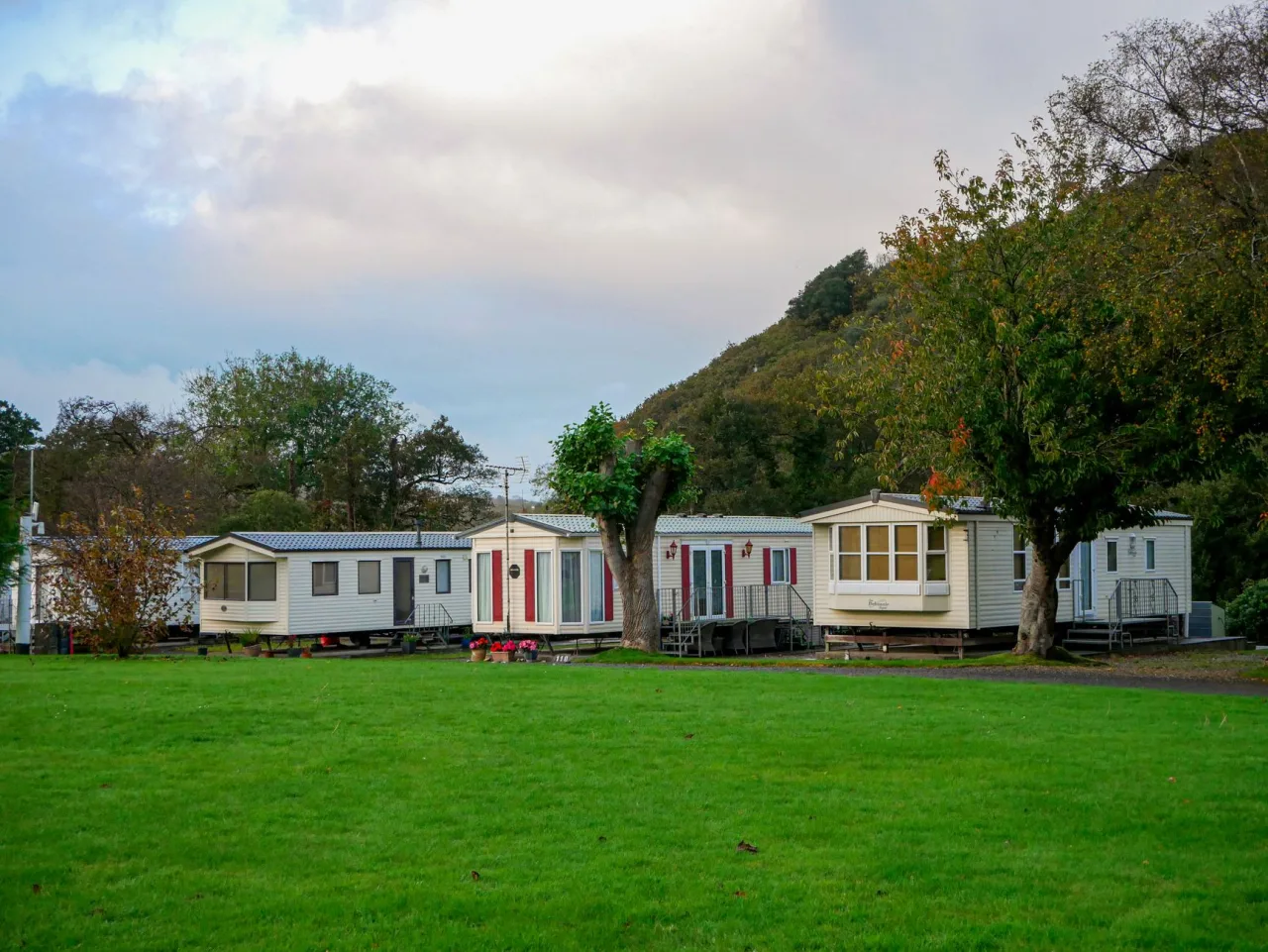
Finding waterside sites takes slightly more searching than a standard park, because you are filtering on a feature.
- Search by river or region. Pick the waterway or area you want, then look for parks along it.
- Confirm the water is real. Some parks use riverside in their name loosely. Check maps and photos to confirm actual river frontage or proximity.
- Cross-check sources. Use club directories, mapping tools, and recent independent reviews rather than one listing.
- Check angling and access. If fishing matters, confirm whether permits are needed and where fishing is allowed.
- Call the park. Ask about pitch positions relative to the water, drainage, and the current condition of the site.
For nearby options and related waterside camping, our caravan sites near me and riverside campground directories widen the search.
The comparison checklist for riverside parks
Score each shortlisted park on the points that actually shape a riverside stay.
- Pitch position and drainage: how close to the bank, how well-drained, and is hardstanding available if the grass is soft?
- Flood management: how pitches sit relative to the river, and the park's wet-weather and cancellation policy.
- Safety: fencing or clear edges near the water, and whether the layout suits your group.
- Facilities: clean toilet and shower blocks, water and waste points, and laundry.
- Activities: fishing, paddling, walking routes, and whether permits or launch access are included.
- Insects: midges and mosquitoes are more active by water in summer; ask and pack repellent.
- Value: the all-in cost for your dates, not the headline rate.
Tip: pack for water and weather
Riverside pitches reward preparation. Bring insect repellent for still summer evenings, extra levelling blocks and a groundsheet for soft ground, and warm layers, since air near water cools quickly after sunset even on a hot day.
Understanding caravan parks in general
Riverside parks are one flavour of a broader category. A caravan park, sometimes called a holiday park, provides pitches and facilities for touring caravans and motorhomes, and often for fixed static caravans used as holiday homes, with shared amenities such as toilet blocks, water points, and sometimes shops and play areas, as described in the Wikipedia overview of caravan parks. Understanding that structure helps you read any park's offer, riverside or not, and decide whether a touring pitch, a static, or a nearby campground suits you best. For touring specifically, see our touring caravan parks guide.
Frequently asked questions
Are riverside caravan parks safe from flooding?
Well-run riverside parks manage flood risk by siting pitches above the normal flood line and following environmental guidance, but you should still do your own check. In England you can look up an area's long-term flood risk on the official GOV.UK service, and you should ask the park how pitches sit relative to the river and what their wet-weather and cancellation policy is before booking.
How much does a riverside caravan pitch cost?
The river itself does not set the price. Pitch fees depend on season, pitch type, position, and extras such as fishing permits, dogs, and awnings. A premium waterfront hardstanding pitch in summer costs more than a basic grass pitch in spring. Always confirm the all-in total for your dates when booking, as prices vary widely.
Can I fish from my pitch at a riverside caravan park?
Sometimes, but not always. Many riverside parks allow fishing from or near pitches, and some require a permit or restrict fishing to designated areas. If angling is your main reason for visiting, confirm the rules, any permit cost, and where fishing is allowed directly with the park before you book.
Is a waterfront pitch always the best choice?
Not necessarily. Waterfront pitches offer the best views but can be damper, buggier, and less suitable for families with young children or dogs. A pitch set back from the bank is often better drained and safer while still enjoying the setting. Compare positions rather than assuming the closest pitch to the water is the best.
What should I pack for a riverside caravan trip?
Bring insect repellent for still summer evenings, extra levelling blocks and a groundsheet for potentially soft ground, and warm layers, because air near water cools quickly after sunset. If you plan to fish or paddle, pack the relevant gear and check whether permits or launch access are needed at the park.
More guides on Caravan Parks & Touring
Have a question or a topic to suggest?
We read every message. Tell us what you would like to see next on the blog.
Get in touchYou may also like

Touring Caravan Parks: Find & Compare
Skip the fake leaderboard. Learn how to find, compare and choose a touring caravan park that fits your rig and budget, with a real search method and checklist.
Caravan Sites Near Me: Find and Compare
Typing "caravan sites near me" into a search box gives you a map full of pins and almost no way to tell a great pitch from a disappointing one.
Riverside Campgrounds: How to Choose
An honest framework for vetting any riverside campground, covering flood safety, bank access, insects, drainage and realistic 2026 prices before you book.