Buying Guide · Caravan Parks & Touring
Caravan and Camping Sales Guide
The seasonal deal windows, how to spot a genuine discount, and what a caravan really costs to buy and own.
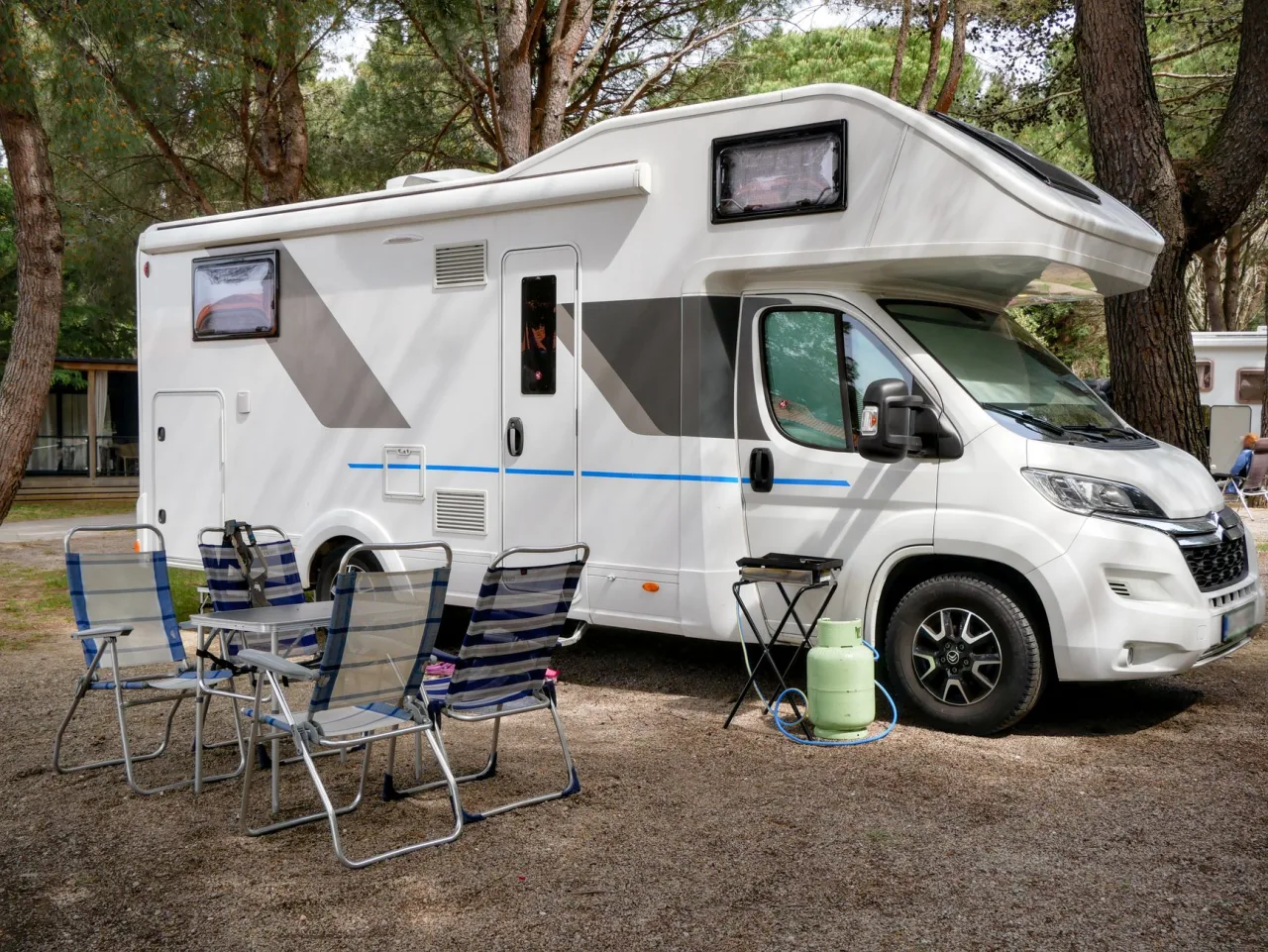
"Caravan and camping sales" covers two things people search for at once: the seasonal sales events and shows where caravans and gear are discounted, and the wider skill of buying caravan and camping kit at a fair price. This complete guide treats both honestly, without inventing dealer names, model prices or fake discounts, so you can spend well whether you are buying your first tent or your first tourer.
The short version
- Two peaks drive most deals: the pre season shows in late winter and early spring, and the end of season clearance in autumn.
- A headline "sale" price only matters against a known reference price, so learn the normal price of what you want before you shop.
- Caravan costs vary enormously by size, age and specification, so budget with ranges and confirm figures with the seller.
- The cheapest purchase is rarely the cheapest ownership: factor in servicing, storage, insurance and pitch fees.
What "caravan and camping sales" actually refers to
The phrase is used loosely, so it helps to separate the meanings. First, there are dedicated sales events: the large caravan and camping shows held early and late in the season, plus dealer open weekends and manufacturer clearance events. Second, there is the year round retail sale cycle for camping gear, where tents, sleeping bags and stoves are discounted around seasonal changeovers. Third, there is the private and dealer used market, which has its own rhythm of good and bad times to buy.
Understanding which of these you are shopping in changes your strategy. You negotiate differently at a show than online, and a used private sale needs different checks than a dealer forecourt. This guide walks through each, starting with when the genuine deals appear.
When the real deals appear
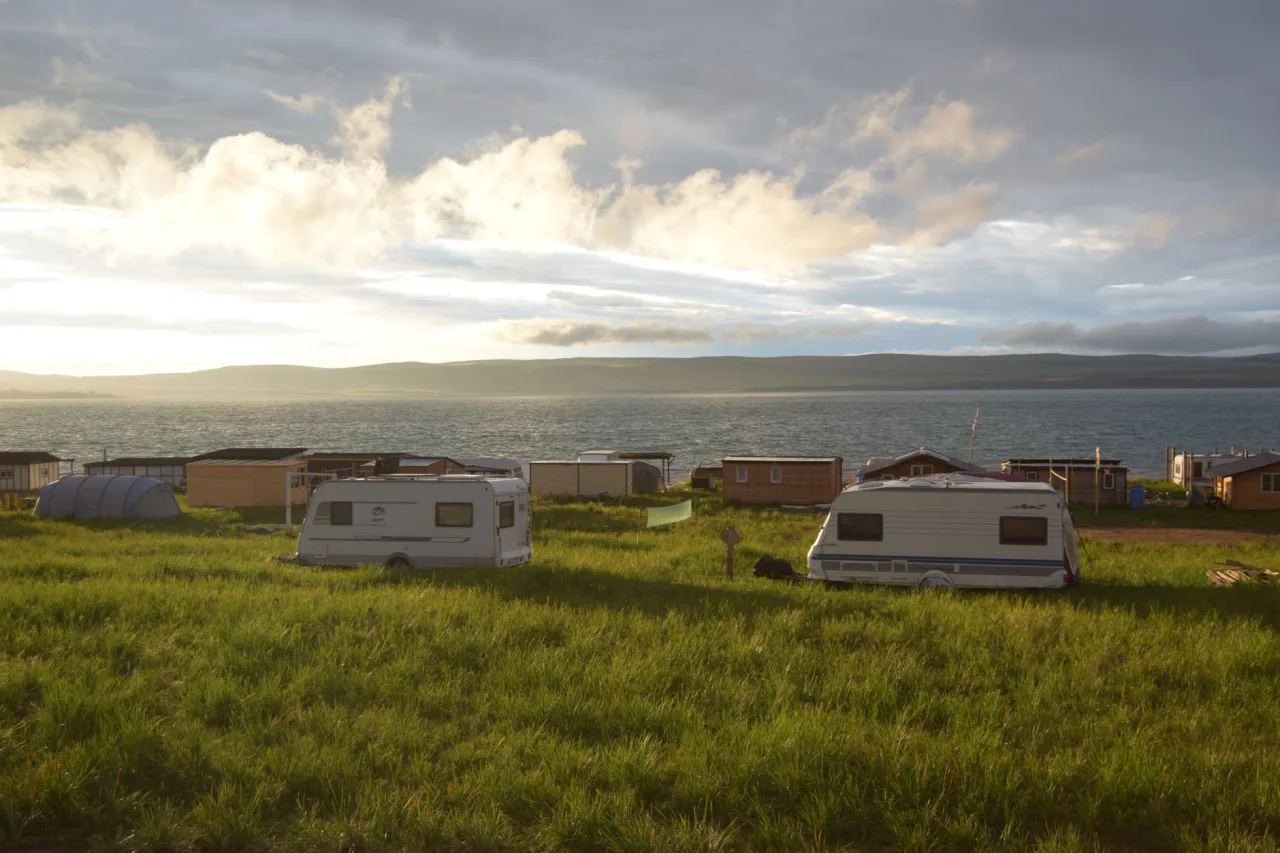
Discounts are seasonal, and the pattern is predictable enough to plan around. There are two main windows.
- Pre season shows, late winter to early spring. Manufacturers launch new model years and dealers want to move current stock. This is when show only offers and package deals appear, and when the widest choice sits under one roof.
- End of season clearance, autumn. As demand falls, dealers discount remaining current year stock to clear space for the next range. Choice narrows but discounts can deepen, especially on ex display units.
Camping gear follows a similar logic. Tents, sleeping bags and stoves often drop in late summer and autumn as retailers clear seasonal ranges. If you can buy a season ahead of when you need it, you routinely pay less. For the gear side specifically, our roundups of the best tents by budget and best sleeping bags by budget help you know a fair price before a sale tempts you.
How to tell a real discount from a fake one
A price with a line through it means nothing on its own. A discount is only real relative to the settled market price of the exact item, so do your homework before you feel any pressure to decide.
- Establish the reference price. Check what the same model or a close equivalent sells for across several sellers. That is your baseline, not the inflated "was" price on the tag.
- Compare like for like. A cheaper caravan may lack the motor mover, awning or upgraded upholstery included in a pricier one. Match the specification before you compare the number.
- Value the extras honestly. Free servicing, an accessory pack or a starter kit can be worth real money, but only if you would have bought them anyway.
- Ignore the countdown. Artificial urgency is a sales tactic, not a reason. A genuinely good deal survives a night of thinking about it.
Tip: bring your own reference sheet
Before any show or forecourt visit, write down the two or three models you want and the typical price you have seen them advertised for. When a salesperson quotes a "special" figure, you can compare it against reality on the spot instead of trusting the sticker.
Types of caravan and what they cost to buy
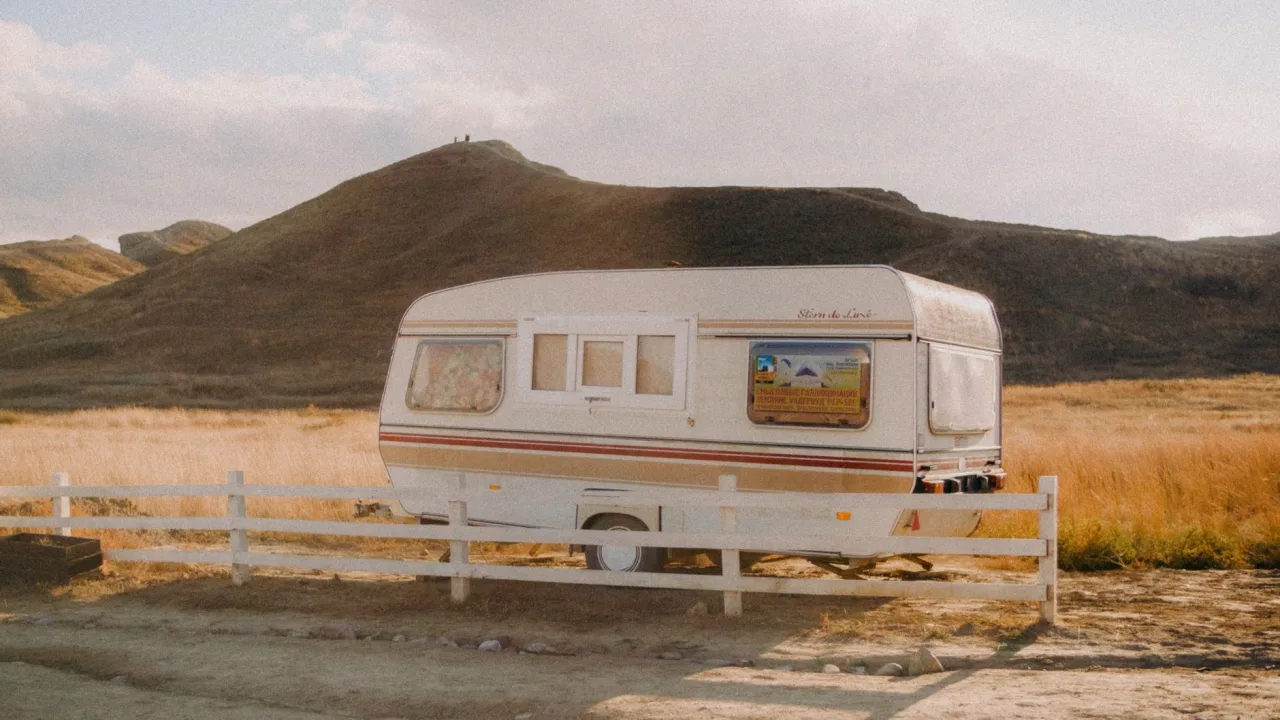
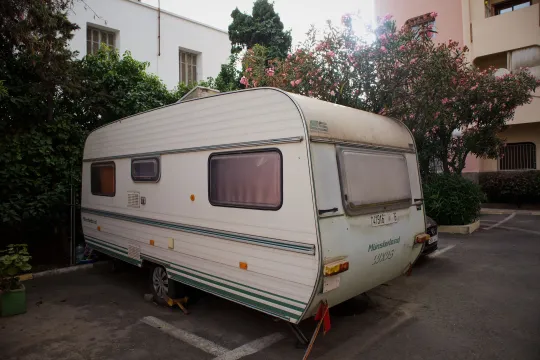
A caravan is a trailer towed behind a road vehicle to provide a more comfortable place to sleep than a tent, and modern units range from small two berth models to large triple axle six berth layouts, as the background on caravans explains. Buying prices swing with size, age, layout and specification, so use ranges rather than fixed numbers.
- Used entry level tourers are the cheapest way in, though older units may need work and lack modern insulation or fittings.
- Mid range and newer used caravans cost more but bring better condition, layout choice and often some remaining warranty.
- New caravans sit at the top, with the latest features, a full warranty and the biggest depreciation in the first year.
Whatever tier you choose, treat any single figure as an estimate that varies by model year and condition, and confirm the real price and what is included directly with the seller. For a deeper look at the used market, see our guide to caravans for sale and smart buying tips, and the broader complete guide to caravans for how the whole category works.
The true cost of ownership
The purchase price is the start, not the whole story. A caravan or camping setup carries running costs that many first time buyers underestimate, and these often decide whether ownership is worth it.
- Servicing and habitation checks keep a caravan safe and watertight and protect its resale value.
- Storage if you cannot keep it at home, which is a recurring cost in many areas.
- Insurance for the unit and often a specialist policy for touring.
- Towing capability, since your car must legally and safely tow the loaded weight, which may mean a different vehicle.
- Pitch and site fees every time you go away, which our guide to caravan campsites near you breaks down.
Add these up over a year and compare them with the cost of hiring or with simpler options like a tent or a campervan pitch. Buying is a great choice for regular users and a poor one for a single trip a year.
Buying new, used or renting first
There is no single right answer, only the right answer for your usage. New gives peace of mind and the latest features at the highest price and the steepest depreciation. Used offers far more value per pound if you inspect carefully and buy the layout that suits you. Renting or borrowing before you buy is the most underrated option of all, because a weekend in the type of unit you are considering teaches you more than any brochure.
If you are still deciding between a caravan, a motorhome and a fixed base, it helps to know how the wider recreational vehicle categories differ, then compare the touring options in our complete guide to RV camping and campervan sites guide before you commit money to any one path.
Warning: inspect before you pay, every time
Damp is the biggest hidden cost in a used caravan and can quietly ruin the structure. Check corners, around windows and under seating for soft spots and staining, ask for service history, and where possible get an independent habitation check before money changes hands.
A simple plan for your first purchase
Pulling it together, here is a sane order of operations that keeps you in control of the sale rather than the other way around.
- Decide how you will actually use it: how many people, how often, and where.
- Set a total budget that includes running costs, not just the sticker price.
- Research two or three suitable models and learn their normal prices.
- Time your visit for a pre season show or end of season clearance.
- Inspect thoroughly, compare like for like, and walk away if the deal only works under pressure.
Follow that sequence and a "sale" becomes what it should be: a chance to buy the right thing for less, rather than the wrong thing quickly.
Frequently asked questions
When are the best caravan and camping sales?
Two windows dominate: pre season shows in late winter and early spring, when dealers move current stock and choice is widest, and end of season clearance in autumn, when discounts deepen but choice narrows. Camping gear often drops in late summer and autumn as retailers clear seasonal ranges.
How can I tell if a sale price is genuine?
Compare it against the settled market price of the exact model across several sellers, not the inflated "was" price on the tag. Match the specification like for like, value any included extras only if you wanted them anyway, and ignore countdown timers, since a good deal survives a night of thinking.
How much does a caravan cost?
It varies enormously by size, age, layout and specification. Used entry level tourers are cheapest, mid range used units cost more for better condition, and new caravans sit at the top with the steepest first year depreciation. Treat any figure as an estimate and confirm it with the seller.
Is it cheaper to buy new or used?
Used almost always offers more value per pound if you inspect carefully for damp and buy the right layout. New costs more and depreciates fastest but brings the latest features and a full warranty. Renting first is the smartest move if you are unsure whether you will use it enough.
What running costs should I budget for?
Servicing and habitation checks, storage if you cannot keep it at home, insurance, a car capable of towing the loaded weight, and pitch fees every time you go away. Add these over a year before deciding whether buying beats hiring.
More guides on Caravan Parks & Touring
Have a question or a topic to suggest?
We read every message. Tell us what you would like to see next on the blog.
Get in touchYou may also like
Caravans for Sale: Real Prices & Tips
Honest price ranges for used and new touring caravans in 2026, plus a damp and condition checklist and the running costs listings leave out.
Caravan: The Complete Guide
Caravan types, buying and running costs, safe towing, and how to choose a caravan that fits how you actually travel.
RV Camping: The Complete Guide
What RV camping involves, the main motorhome and towable types, honest costs, hook-ups explained, and how to pick a good site as a beginner.