Caravan Guide · Caravan Parks & Touring
Caravan: The Complete Guide
Touring vs static, costs, safe towing and how to choose the right caravan.
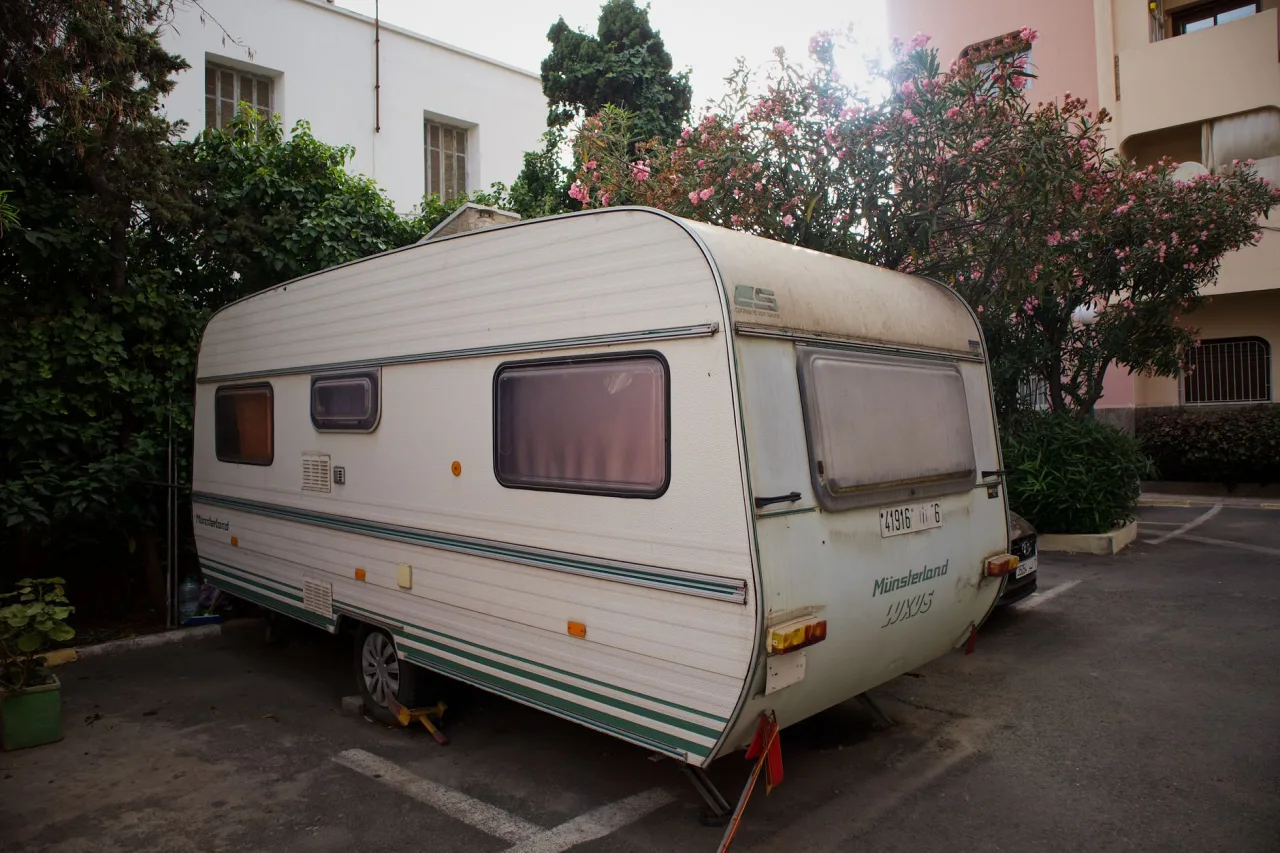
A caravan gives you a comfortable, self-contained base you can tow to almost any site and unhitch, leaving your car free to explore. This guide explains the main types of caravan, roughly what they cost to buy and run, how to tow safely, and how to choose one that fits how you actually travel. It is written to help you decide, not to push a particular model.
The short version
- Caravans split mainly into touring caravans (towed and moved often) and static caravans (kept on a fixed pitch).
- Prices span a huge range depending on age, size and condition, so set a budget for the van plus insurance, storage and site fees before you shop.
- Towing safely means matching the caravan weight to your car and licence, and loading it correctly.
- Choose by how you travel: touring for flexibility, static for a fixed holiday base, campervan or motorhome if you would rather drive than tow.
What a caravan is and how it differs from an RV
A caravan is a towed unit that provides sleeping, cooking and often washing facilities, hitched behind a car or truck. As Wikipedia's article on caravans explains, the word is common in Britain and much of the Commonwealth, while North America more often says travel trailer or camper. The key difference from a motorhome is that a caravan has no engine: you tow it, park it and unhitch, keeping your everyday vehicle free.
That separation is the main appeal. Once you are pitched, the car is yours for day trips, shopping and getting around, which a drive-away motorhome cannot match without towing a second small vehicle. If you would rather have everything in one drivable unit, compare this guide with our RV camping guide before deciding.
The main types of caravan
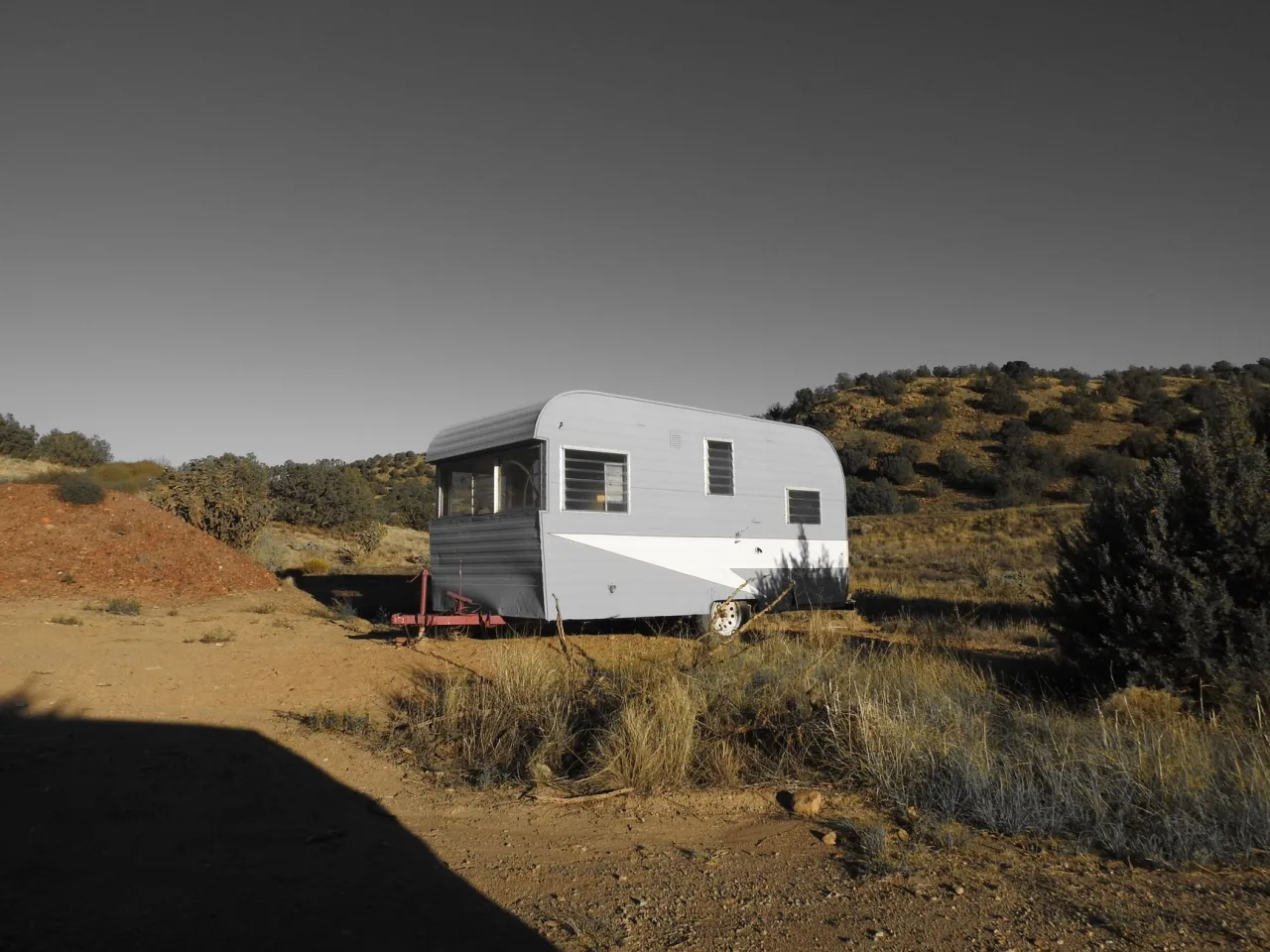
Caravans divide into a few clear families, and picking the right family matters more than picking a brand.
- Touring caravans: designed to be hitched and towed to different sites. They range from compact two-berth vans to large multi-axle models with fixed beds and full washrooms.
- Static caravans: transported once to a permanent pitch and anchored there, used as a fixed holiday home rather than moved around.
- Folding caravans and trailer tents: lightweight, easier to tow and store, closer to camping than a full tourer.
- Twin-axle tourers: larger and more stable on the road, but heavier to tow and harder to manoeuvre by hand on a pitch.
If you lean towards a fixed base you visit repeatedly, a static caravan behaves more like a holiday chalet, and our overview of bungalow-style stays is a useful comparison for that kind of trip.
What caravans cost to buy and run
Purchase prices span an enormous range. A small older touring caravan can be relatively affordable second-hand, while a large new tourer or a well-appointed static costs many times more. Rather than fixating on the sticker price, budget for the full picture, because the running costs are what surprise first-time owners.
- Insurance: caravan cover, and check how it interacts with your car policy while towing.
- Storage: secure storage between trips if you cannot keep it at home.
- Site or pitch fees: nightly touring pitches or an annual pitch fee for a static, both of which vary widely by location and season.
- Servicing and consumables: annual habitation checks, gas, and wear items such as tyres and the towing hitch.
Give any price you see as a starting point and confirm current figures with sellers and sites, because condition, specification and demand move prices around. If you are actively shopping, our guides to caravans for sale and to seasonal caravan and camping sales cover how to judge a fair deal.
Tip: Always view a used caravan in daylight and dry weather, and check specifically for damp. Soft walls, a musty smell or staining around windows and joints are the most common and most expensive faults in older vans.
Towing safely

Safe towing is mostly about matching the caravan to your car and loading it correctly. Every tow car has a maximum towing weight, and a common guideline is to keep the loaded caravan lighter than the car for stability, though you should always follow the specific limits in your vehicle handbook.
- Weights: know your car's towing limit and the caravan's maximum laden weight, and never exceed either.
- Licence: towing entitlements depend on your country and when you passed your test, so confirm your licence covers the combined weight.
- Loading: put heavy items low and over the axle, keep the nose weight within limits, and secure everything so nothing shifts.
- On the road: allow longer braking distances, take corners wide, and be ready for the effect of wind and passing lorries.
Practising in a quiet car park, especially reversing, pays off before your first busy site arrival. Membership bodies such as the Caravan and Motorhome Club run manoeuvring and towing courses for beginners that many owners find worthwhile.
Where to take a caravan
Touring caravans are welcome at a huge range of sites, from large family holiday parks to small quiet certificated locations. Statics live on holiday parks that offer annual pitches. When choosing a site, weigh the same factors you would for any pitch: location relative to what you want to do, hook-up availability, facilities, recent reviews and the cancellation policy.
To find suitable pitches near a destination, our guide to caravan campsites near you walks through searching and comparing sites without relying on a single ranked list. For European holiday parks specifically, operators like Eurocamp package accommodation and pitches together, which suits people who want less setup.
Warning: Do not skip the annual habitation and gas safety check on a caravan you own. Gas appliances, damp and electrical systems all need periodic inspection, and neglecting them is both a safety risk and a fast route to expensive repairs.
How to choose the right caravan for you
Work backwards from how you travel rather than from a wish list of features.
- Trip style: frequent short tours favour a light, easy-to-tow van, while a fixed seasonal base favours a static.
- Berths and layout: match sleeping capacity and the bathroom setup to who travels with you.
- Tow match: confirm your car can legally and comfortably tow the loaded weight.
- Budget in full: include insurance, storage, site fees and servicing, not just the purchase price.
- Storage at home: check you have somewhere legal and secure to keep it between trips.
Frequently asked questions
What is the difference between a touring caravan and a static caravan?
A touring caravan is designed to be hitched to a car and towed to different sites, then unhitched while you stay. A static caravan is transported once to a permanent pitch and anchored there, used as a fixed holiday base rather than moved around. Tourers offer flexibility, while statics offer a settled, repeatable holiday home.
Do I need a special licence to tow a caravan?
It depends on your country and when you passed your driving test, because towing entitlements have changed over time. The deciding factor is usually the combined weight of your car and loaded caravan. Check the rules that apply where you live and confirm your licence covers the total weight before you tow.
How much does a caravan cost?
Prices span a very wide range depending on age, size, type and condition. A small older touring caravan can be relatively affordable second-hand, while a large new tourer or a well-appointed static costs many times more. Budget for insurance, storage, site fees and servicing on top of the purchase price, and confirm current figures with sellers.
How do I check a used caravan before buying?
View it in daylight and dry weather, and check carefully for damp, which is the most common serious fault. Look for soft or stained walls, a musty smell, and problems around windows and joints. Test the gas and electrical appliances, inspect the tyres and hitch, and ask for service history and a damp report where available.
Is a caravan better than a motorhome?
Neither is simply better; they suit different travel styles. A caravan lets you unhitch and keep your car free to explore, and is often cheaper to buy for the space you get. A motorhome is quicker to set up and drive away, with no towing involved. Choose based on whether you value a free day car or an all-in-one drivable unit.
More guides on Caravan Parks & Touring
Have a question or a topic to suggest?
We read every message. Tell us what you would like to see next on the blog.
Get in touchYou may also like
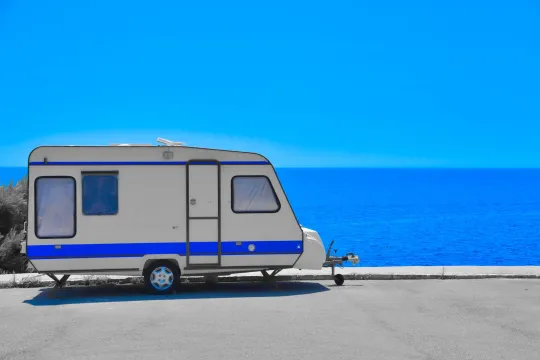
Caravans for Sale: Real Prices & Tips
Honest price ranges for used and new touring caravans in 2026, plus a damp and condition checklist and the running costs listings leave out.
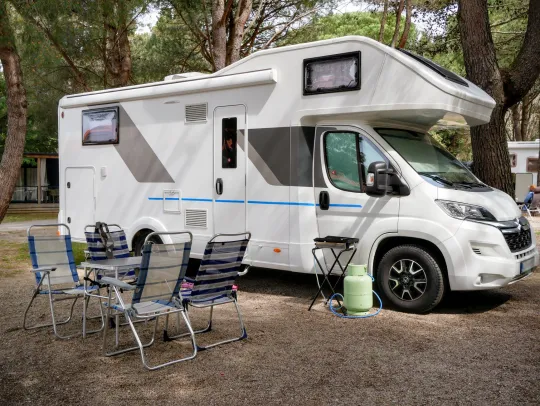
Caravan and Camping Sales Guide
When the genuine caravan and camping deals appear, how to tell a real discount from a fake one, what caravans cost to buy and own, and a simple plan for your first purchase.

Caravan Campsites Near Me Guide
How to find, compare and choose a caravan site near you: matching a site to your outfit, comparing pitches, hookups and waste facilities, costs, and towing safely.