Caravan Parks & Touring · Caravan Parks & Touring
Caravanning
Caravanning is one of the most flexible ways to travel: you tow your own comfortable base to a site, unhitch, and explore with a free car.
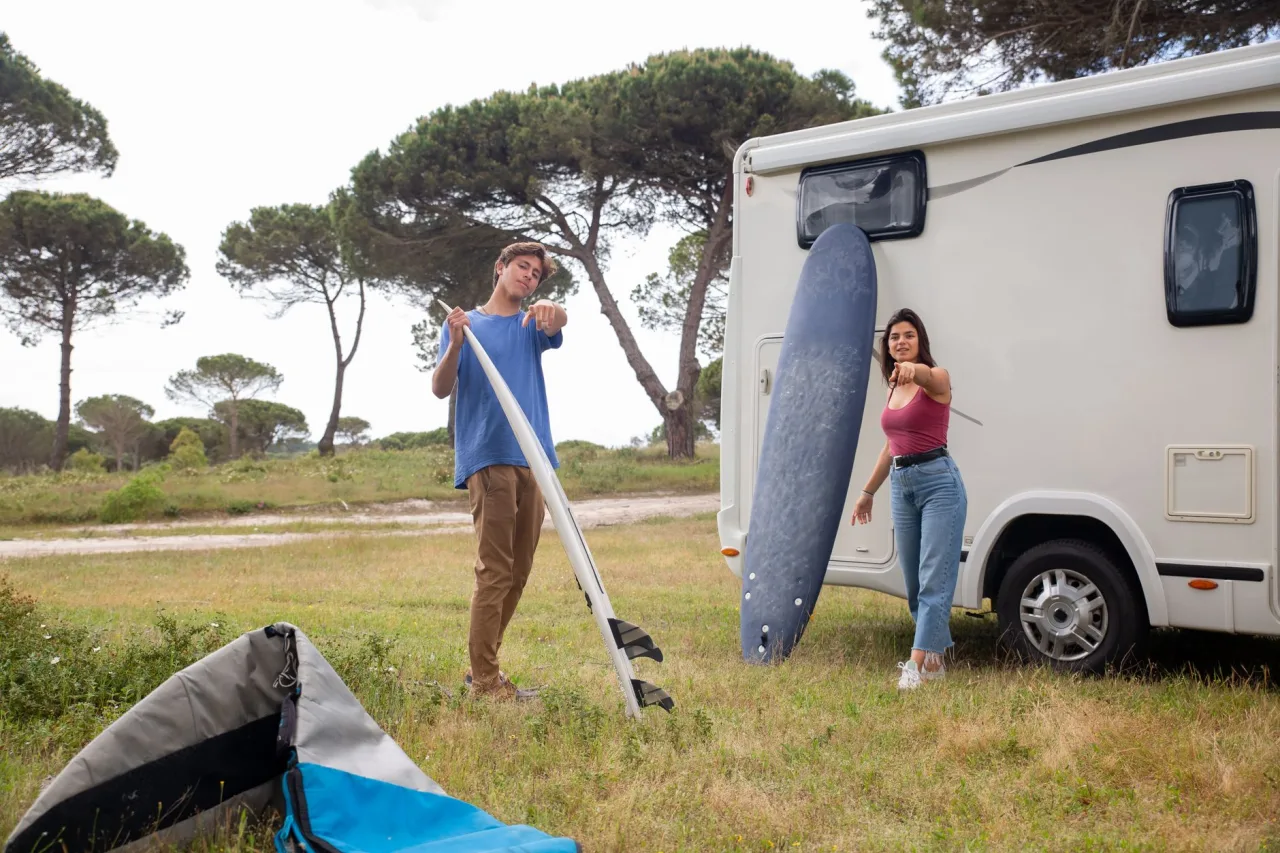
Caravanning is one of the most flexible ways to travel: you tow your own comfortable base to a site, unhitch, and explore with a free car. This complete guide covers what caravanning actually involves, what it costs, how to tow and pitch safely, and how to plan trips that go smoothly. It is a hub guide meant to point you to the deeper articles you need, not to sell you a particular van.
The short version
- Caravanning means towing a caravan to a site, pitching it, and using it as a self-contained holiday base you can leave and return to.
- Real costs are the van plus insurance, storage, servicing and nightly pitch fees, so budget the whole picture before you start.
- Safe towing is about matching the loaded caravan weight to your car and licence, then loading it correctly.
- Most of the enjoyment comes from planning: choosing the right site, booking ahead in peak season, and learning a calm pitching routine.
What caravanning actually is
Caravanning is the practice of touring with a towed caravan rather than a drivable motorhome. You hitch the caravan to your car, drive to a site, level and pitch it, and then unhitch so the car is free for day trips. As Wikipedia's overview of towed caravans explains, the caravan itself is a trailer that gives you a place to sleep, cook and shelter that is far more comfortable than a tent, and the hobby built around it is popular across the UK, Europe, Australia and beyond.
The appeal is independence. Unlike a package holiday, you set the route and the pace, and unlike tent camping you have a solid roof, a bed, and usually a kitchen and heating. If you are still deciding between a towed caravan and an all-in-one vehicle, our complete guide to the caravan itself and our RV camping guide compare the two approaches in more detail.
Types of caravanning trip
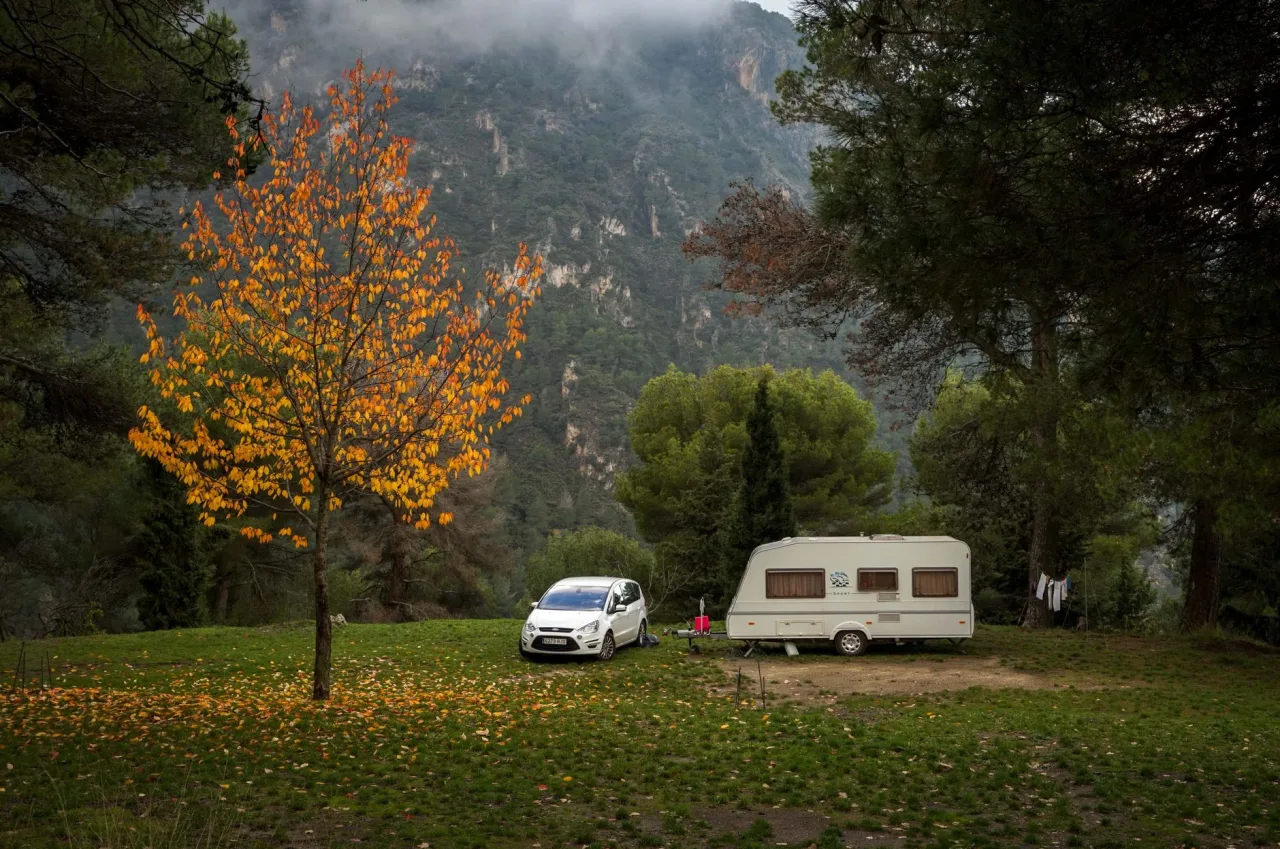
People use the same word for quite different styles of trip, and knowing which one appeals to you shapes every other decision.
- Touring: moving between sites every few days, seeing a region or following a route. This favours a lighter, easy to tow van.
- Seasonal or base camping: keeping the caravan on one favourite site for a season and visiting it like a second home.
- Weekend caravanning: short, frequent trips close to home, where quick setup matters more than luxury.
- Rally and club caravanning: travelling in groups to organised meets, often on simple fields with minimal facilities.
Many owners mix these over a year. If you like the idea of a fixed base you return to, a static-style setup behaves differently from touring, and it is worth reading our guide to caravan sites to see which site types suit which style.
What caravanning costs
The honest answer is that costs vary widely, so build a realistic budget rather than fixating on the price of the van. The purchase or hire of the caravan is only the start. Treat every figure you see as a starting point to confirm locally, because season, region and demand move prices around.
- The caravan: buy new, buy used, or hire for a trip. Our guide to second hand caravans breaks down realistic price bands.
- Insurance: dedicated caravan cover, and a check of how it interacts with your car policy while towing.
- Storage: a secure site if you cannot keep the van at home, usually charged annually.
- Servicing: an annual habitation and gas safety check, plus wear items such as tyres and the hitch.
- Pitch fees: nightly touring pitches that vary by season and hook-up, confirmed when you book.
Tip: Join a caravanning club before you spend heavily. Membership bodies such as the Caravan and Motorhome Club offer access to member sites, discounted pitches, insurance schemes and beginner towing courses, which often pay back the fee within a season.
Towing safely
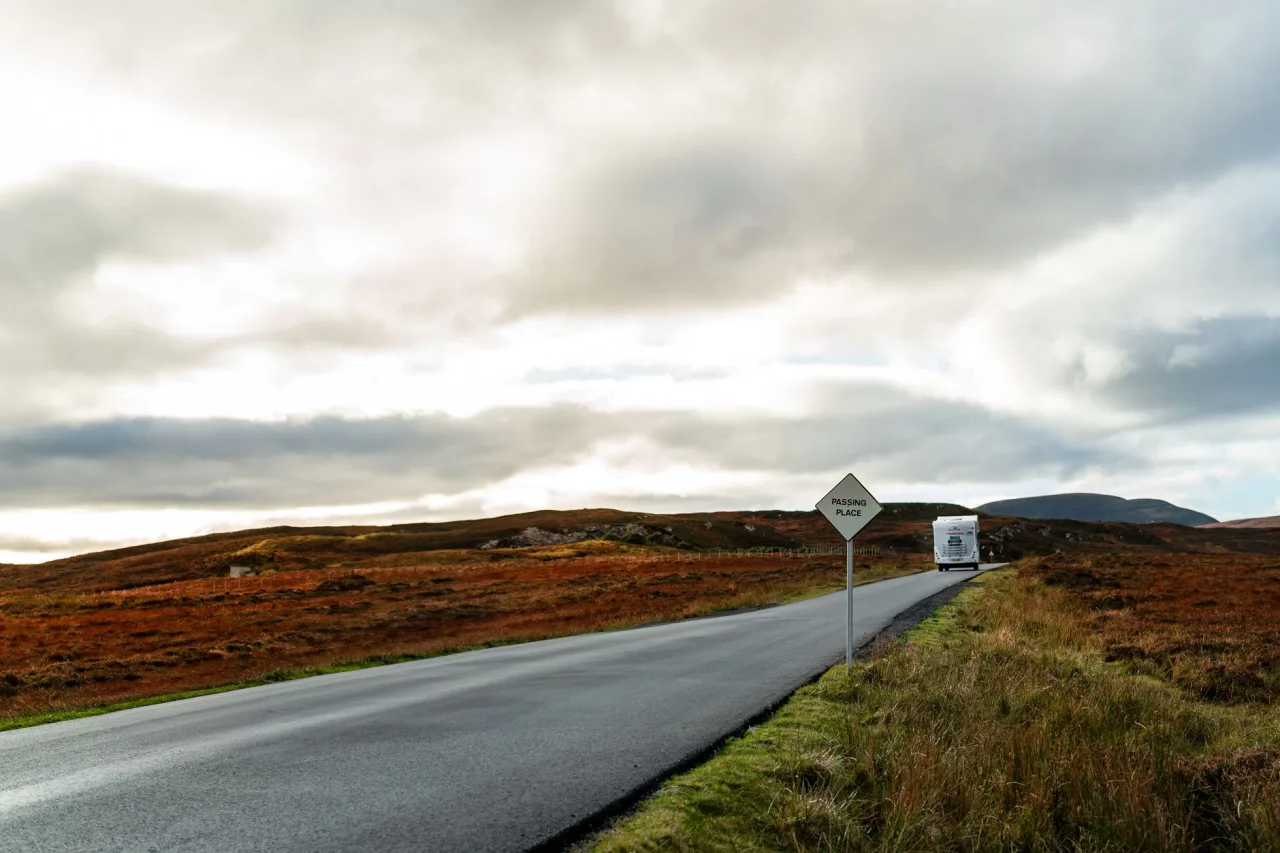
Towing is the part that worries beginners most, and it is mostly about weights and loading. Every car has a maximum towing weight, and a widely used guideline is to keep the loaded caravan lighter than the towing car for stability, though you must always follow the specific limits in your vehicle handbook.
- Weights and licence: in the UK, what you may tow depends on when you passed your test, as the official GOV.UK guidance on towing with a car sets out. Check both the car's limit and your licence category.
- Loading: put heavy items low and over the axle, keep the nose weight within limits, and secure everything so nothing shifts on the move.
- On the road: allow longer braking distances, take corners wide, and be ready for wind and passing lorries pushing the van around.
The single best investment for a nervous beginner is a practical towing and manoeuvring course, followed by an hour reversing in an empty car park before your first busy site arrival.
Planning and pitching a trip
A good caravanning trip is mostly good planning. In peak season, popular sites book out weeks or months ahead, so reserve early and confirm the arrival window and any height or length restrictions on the pitch. When you arrive, a calm routine makes pitching painless: position the van, level it side to side and front to back, chock the wheels, wind down the corner steadies, and only then connect hook-up, water and waste.
Choose sites the way you would judge any pitch: location relative to what you want to do, hook-up availability, facilities, recent reviews and the cancellation policy. To find and compare suitable pitches near a destination, our directory-style guide to caravan campsites near you walks through the search without leaning on a single ranked list.
Warning: Never skip the annual habitation and gas safety check on a caravan you own. Gas appliances, damp and electrical systems all need periodic inspection, and neglecting them is both a genuine safety risk and a fast route to expensive repairs.
Caravanning across Europe
Many owners eventually tour abroad. European touring adds paperwork and kit: check driving and towing rules for each country, carry the required safety equipment, and plan longer legs around ferry or tunnel crossings. If you would rather not tow across the Channel, package operators rent fixed accommodation on European parks instead, and our honest look at the Eurocamp model and its alternatives is a useful reality check on the rent-versus-tow decision.
Brand choice also shifts once you tour widely, because different makers suit different roads and climates. Our brand guides to Adria caravans and Eriba caravans look at two European makers known for lightweight, tow-friendly designs.
How to start caravanning
Work through it in order rather than buying a van on impulse.
- Try before you buy: hire a caravan or borrow one for a weekend to test whether the lifestyle suits you.
- Confirm your tow match: check your car can legally and comfortably tow the loaded weight you have in mind.
- Set a full budget: van plus insurance, storage, servicing and pitch fees, not just the sticker price.
- Learn to tow: take a course and practise reversing before your first real trip.
- Book an easy first site: choose a well-reviewed, spacious site close to home for your maiden voyage.
Frequently asked questions
What is the difference between caravanning and camping?
Camping usually means sleeping in a tent, while caravanning means towing a caravan that gives you a solid roof, a bed, and usually a kitchen and heating. Caravanning needs a suitable tow car and more upfront outlay, but offers more comfort and weather protection. Many people move from tent camping to caravanning as they want a warmer, drier and quicker to set up base.
How much does it cost to start caravanning?
It varies widely. The main costs are the caravan itself, which can be bought used or new or hired, plus insurance, storage, annual servicing and nightly pitch fees. Rather than a single figure, budget the full picture and confirm current prices locally, because season, region and demand all move costs around. Hiring first is a low-commitment way to test the hobby.
Do I need a special licence to go caravanning?
It depends on your country and when you passed your driving test, because towing entitlements have changed over time. The deciding factor is usually the combined weight of your car and loaded caravan. In the UK, check the current GOV.UK towing rules and confirm your licence covers the total weight before you tow.
Is caravanning suitable for beginners?
Yes, with some preparation. The steepest part of the learning curve is towing and reversing, which a practical manoeuvring course and some quiet car park practice quickly ease. Starting with a lighter van, an easy well-reviewed site close to home, and a calm pitching routine makes the first trips far less stressful than beginners expect.
What should I look for in a first caravan?
Prioritise a van your car can safely tow, a layout that suits how you actually travel, and above all a dry, damp-free body. Check tyres, the hitch, gas and electrical appliances, and ask for service history. A lighter, simpler van is usually a better first purchase than the biggest floorplan you can find.
More guides on Caravan Parks & Touring
Have a question or a topic to suggest?
We read every message. Tell us what you would like to see next on the blog.
Get in touchYou may also like

Yogi Bear Campground: How to Choose
"Yogi Bear campground" means a Jellystone Park camp-resort. Here is how to compare locations, judge amenities, and choose the right family site without the hype.

Sleeping Bear Dunes: Choosing a Site
From Platte River to the Manitou Islands, here is an honest framework for choosing the right Sleeping Bear Dunes campground and booking it before summer fills.

Milarrochy Bay: Loch Lomond Camping
Milarrochy Bay sits on Loch Lomond's eastern shore. Here is how to choose a lochshore campsite, understand the national park permit rules, and book smart.