Caravan Parks & Touring · Caravan Parks & Touring
Off Road Caravans
An off road caravan is built to follow you past the end of the sealed road, onto gravel
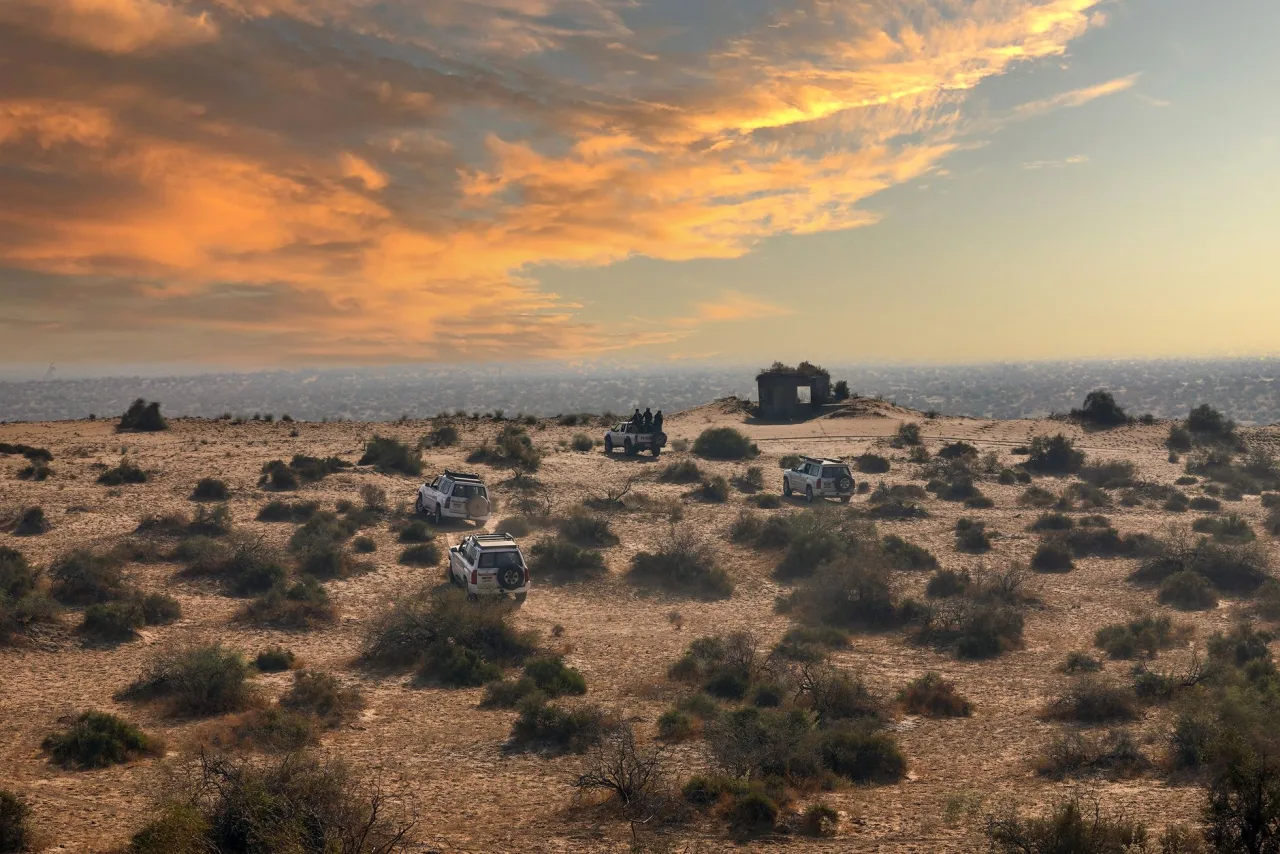
An off road caravan is built to follow you past the end of the sealed road, onto gravel, dirt and remote tracks where a standard tourer would struggle. This complete guide explains what really makes a caravan off road capable, how to judge the best off road caravan for your travels, what to budget, and the honest limits of what these vans can do.
The short version
- An off road caravan is a towed trailer engineered with stronger construction, better ground clearance and rugged suspension to handle unsealed roads and rough terrain.
- The "best" off road caravan is the one that matches your terrain, your tow vehicle and your travel style, not a single model that wins for everyone.
- Key features to compare are the chassis and suspension, ground clearance, water and power capacity, dust and water sealing, and off-road-rated hitch.
- Prices vary widely by build and capability, so treat any figure as a range and confirm the full specification and towing match before buying.
What an off road caravan actually is
A caravan is a trailer towed behind a road vehicle to provide a place to sleep that is more comfortable and protected than a tent, as the general definition puts it. An off road caravan takes that idea and hardens it for terrain a normal tourer is not designed to survive. The result is a van you can tow down corrugated gravel, forest tracks and remote routes without shaking it to pieces or grounding it on the first rut.
These vans are especially associated with Australia, where the distances and unsealed roads make rugged towed accommodation a genuine necessity rather than a novelty. In North America the same idea appears as off-road travel trailers, sometimes called 4x4 trailers, built specifically for exploring the extreme backcountry with heavy-duty tyres and long-travel suspension. If you are new to towed travel generally, our caravan and caravanning guides cover the fundamentals that apply before you add off-road capability on top.
What makes a caravan genuinely off road
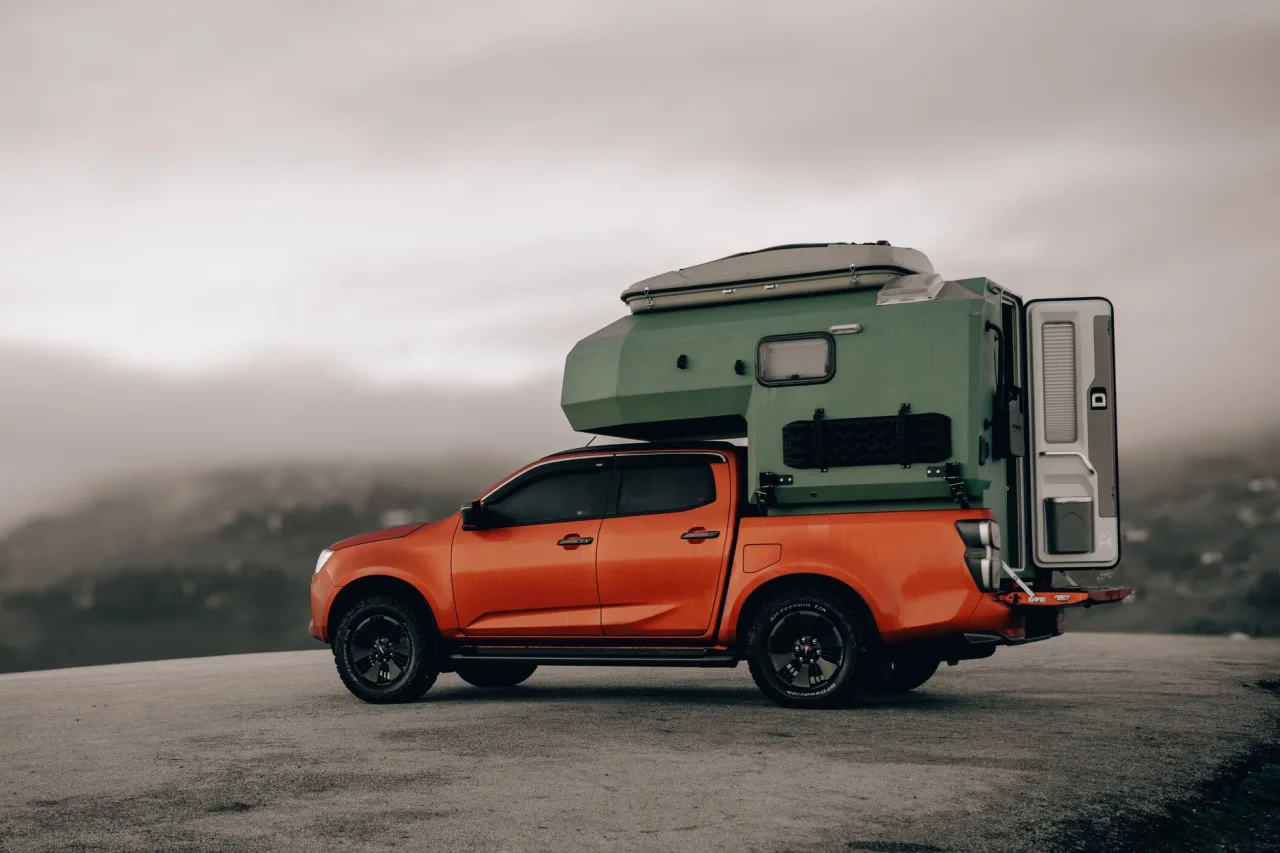
The phrase off road gets used loosely, so it pays to know what actually separates a capable van from a standard one with chunky graphics. The difference is structural, built into the chassis and running gear rather than added as trim. Look for these core elements:
- Chassis and construction: a stronger, often reinforced chassis and body designed to absorb the constant pounding of unsealed roads.
- Suspension: independent, long-travel or heavy-duty suspension that keeps wheels on the ground and protects the van over rough terrain.
- Ground clearance and departure angles: raised ride height and clearance so the van follows the tow vehicle without dragging on obstacles.
- Off-road hitch or coupling: an articulated coupling that allows greater flex between vehicle and van on uneven ground.
- Sealing: dust and water sealing to keep fine dust and moisture out of the living space on long dirt sections.
Between full off road caravans and standard tourers sit semi off road or all-terrain models, built for good gravel and formed dirt roads but not extreme tracks. Being honest about which category you need saves both money and disappointment, a theme we return to in our adventure camping guide.
How to judge the best off road caravan for you
There is no single best off road caravan, because the right choice depends on variables that are personal to you. Rather than chasing a leaderboard, work through an honest set of criteria and score any van you are considering against them. Start with the terrain you will actually travel: gentle gravel touring and hardcore remote tracks demand very different builds, and over-buying capability you will never use adds weight and cost.
Then weigh these factors:
- Tow vehicle match: the van's laden weight must sit safely within your vehicle's towing and payload limits, with margin to spare.
- Self-sufficiency: water tank size, battery and solar capacity, and gas or fridge setup determine how long you can stay off-grid.
- Layout and weight: a heavier, feature-rich van is harder to tow off-road, so balance comfort against capability.
- Build quality and support: warranty, spare parts availability and the maker's track record matter far more when you are remote.
- Realistic budget: including setup, recovery gear and any tow vehicle upgrades, not just the sticker figure.
Scoring vans this way turns a vague "which is best" question into a decision you can defend. It also stops marketing language from doing your thinking for you.
Tip: Weigh everything. The single biggest off-road mistake is exceeding your tow vehicle's limits once the van is loaded with water, gear and passengers. Confirm the laden weight against your vehicle's towing capacity and payload before you commit.
What off road caravans cost
Off road caravans generally cost more than equivalent on-road tourers, because the stronger chassis, suspension, sealing and off-grid systems all add expense. Prices span a very wide range depending on size, capability and finish, so treat any single figure as a guide only and get a current, itemised quote for the exact specification you want. A compact semi off road van costs far less than a large, fully self-sufficient remote-travel build.
Remember the costs beyond the purchase. Budget for recovery and safety gear, any tow vehicle upgrades needed to tow safely, insurance suited to off-road use, and ongoing maintenance, which tends to be higher given the punishment these vans take. If a new van stretches the budget, the used market is worth exploring carefully, and our used caravans for sale guide covers how to inspect and price a second-hand van sensibly.
Where you can take one
An off road caravan opens up destinations a standard tourer cannot reach, but capability is not a licence to go anywhere. Match the van to the route and always check access rules, because many parks, reserves and tracks have restrictions on vehicle type, seasonal closures or permit requirements. Conditions also change quickly off the sealed network, so current local information beats an old map every time.
Plan stops as well as tracks. Even remote trips benefit from knowing where you can resupply and where formal sites exist, which is where our touring caravan sites and caravan camping guides help you build a realistic itinerary that mixes off-grid nights with serviced ones. Travelling with others or telling someone your route is basic sense on remote sections.
Warning: Off-road capability has limits. Deep water crossings, soft sand and severe tracks can exceed what any towed van can safely handle. Never rely on graphics or marketing claims: know the van's rated limits, carry recovery gear, and turn back when conditions exceed your setup or experience.
Living with an off road caravan
Day to day, an off road caravan rewards preparation. Before each trip, check tyre condition and pressures, inspect the suspension and coupling, and confirm your water, power and gas are set up for the time you plan to be off-grid. Loading matters too: keep heavy items low and over the axle to help the van track well and reduce sway on rough ground.
Maintenance is more demanding than for an on-road van because dust, vibration and corrugations work everything harder. Wash out dust after dirt sections, re-torque wheel nuts and check seals regularly, and service the running gear on schedule. Treat the van as a system with your tow vehicle rather than an accessory, and it will keep taking you to places most caravanners never see.
Is an off road caravan worth it
For travellers who genuinely head off the sealed road, an off road caravan is worth the premium: it reaches remote coastlines, outback tracks and quiet backcountry that on-road vans cannot, and it does so without rattling apart. The extra strength and self-sufficiency turn ambitious trips into comfortable ones. If exploring beyond the bitumen is your goal, the capability earns its keep.
If, on the other hand, you mostly travel sealed roads to established parks, a standard tourer is lighter, cheaper and easier to tow, and paying for off-road capability you will not use is poor value. As with every choice in this world, decide how you will actually travel first, then buy the van that matches that reality rather than the adventure in the brochure.
Frequently asked questions
What is an off road caravan?
An off road caravan is a towed trailer built with a reinforced chassis, heavy-duty suspension, raised ground clearance, an articulated off-road hitch and dust and water sealing, so it can handle gravel, dirt and rough tracks. It provides comfortable accommodation in places a standard on-road caravan is not designed to reach.
What is the best off road caravan?
There is no single best off road caravan, because the right one depends on your terrain, tow vehicle, budget and how self-sufficient you need to be. Judge candidates against clear criteria such as suspension, weight, water and power capacity, build quality and towing match, rather than relying on a marketing leaderboard.
How much does an off road caravan cost?
Off road caravans generally cost more than on-road tourers because of their stronger build and off-grid systems, and prices span a wide range by size and capability. Treat any figure as a guide, get an itemised quote for your exact specification, and budget separately for recovery gear, insurance and any tow vehicle upgrades.
Can an off road caravan go anywhere?
No. Off-road capability extends where you can travel, but every van has limits, and deep water, soft sand and severe tracks can exceed them. You must also respect access rules, permits and seasonal closures on parks and tracks. Know the van's rated limits, carry recovery gear and turn back when conditions exceed your setup.
What tow vehicle do I need for an off road caravan?
You need a vehicle whose towing capacity and payload comfortably exceed the caravan's laden weight, with margin to spare once it is loaded with water, gear and passengers. Off-road travel adds further demands, so many owners use capable four-wheel-drive vehicles. Always confirm the weights match before buying either the van or the vehicle.
More guides on Caravan Parks & Touring
Have a question or a topic to suggest?
We read every message. Tell us what you would like to see next on the blog.
Get in touchYou may also like

Camp RV Near Me: Find and Compare the Best
Searching "camp RV near me" usually means you want a good pitch tonight or this weekend, not a history lesson. This guide skips the fluff and shows you exactly how to find nearby RV camping

Creekfire RV Resort
If you have seen "Creekfire RV Resort" pop up while planning a trip, you probably want to know what a stay there is really like before you commit.

RV Parks for Sale: Find and Compare
"RV parks for sale" is one of those searches with two very different audiences: campers hoping to find a spot, and buyers looking to own an RV park as a business. This guide serves the buyer.