Caravan Parks & Touring
Caravan Prices: Real Prices and Smart
"How much is a caravan?" has no single answer, and vague listings rarely help.
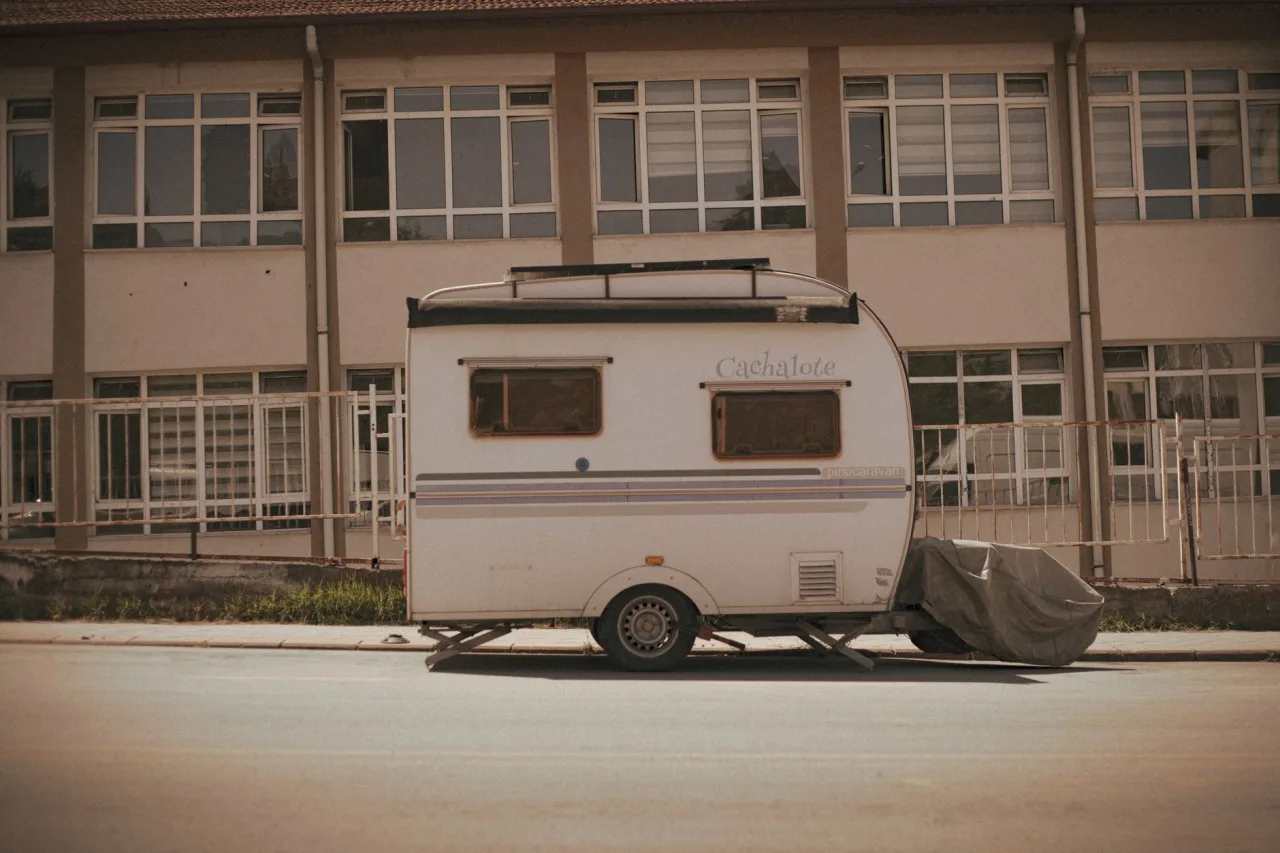
"How much is a caravan?" has no single answer, and vague listings rarely help. This guide breaks down caravan prices honestly: what a tourer really costs by type, age and condition, what actually drives the number up or down, how to tell a fair price from an inflated one, and the running costs that turn a purchase price into a true cost of ownership.
The short version
- Caravan prices span a huge range: roughly £3,000 to £8,000 for older used tourers, £8,000 to £20,000 for newer used, and £15,000 to £35,000+ for new, always confirmed at the point of sale.
- Age, layout desirability, brand tier, condition (especially damp) and accessories drive the price far more than mileage-style figures.
- Depreciation is steepest in the first few years, so nearly-new tourers can be the smartest value.
- The sticker price is only the start: budget for towing, storage, insurance, servicing and pitch fees too.
Why there is no single caravan price
Caravans are not a one-size product, so a single price is meaningless. According to Wikipedia's overview of towed caravans, tourers range from small two-berth models with basic facilities to large twin-axle six-berth family layouts, and that spread of size and specification is mirrored in price. A compact used two-berth and a new premium twin-axle are simply different products at different points on the scale.
That is why the useful question is not "what does a caravan cost" but "what does this type, age and condition of caravan cost in the current market". Once you frame it that way, the numbers below become a map you can navigate rather than a wall of confusing figures.
Realistic price ranges by segment

Treat these as broad guides to confirm against live listings, since prices move with season, demand and condition. The touring caravan market roughly breaks into:
- Older used tourers (roughly 12 to 20+ years): often around £3,000 to £8,000. Potentially great value if dry and well kept, but the highest-risk end.
- Newer used tourers (around 3 to 10 years): commonly £8,000 to £20,000, usually the sweet spot for value.
- Nearly new (one to three years): frequently £15,000 to £25,000.
- Brand new: commonly £15,000 to £35,000 and up for premium twin-axle models, before extras.
Statics and other types sit on their own scales, so if you are weighing a fixed holiday-home instead, our guide to static caravans for sale covers that market separately.
What actually drives the price
Two caravans of the same age can differ by thousands. Understanding why lets you judge whether a price is fair:
- Age and depreciation: value drops fastest in the early years, then more slowly, so the depreciation curve, not just age, shapes price.
- Layout desirability: popular family layouts and fixed-bed floorplans hold value better than awkward or dated ones.
- Brand tier: premium marques command more new and used, while budget ranges are cheaper to buy but can depreciate faster.
- Condition, above all damp: a dry, serviced van with clean paperwork is worth far more than a superficially tidy one with hidden water ingress.
- Accessories: a motor mover, awning, solar panel or upgraded upholstery can add meaningful value.
Notice that condition and desirability often matter more than headline age. A well-kept older van can be worth more than a neglected newer one, which is why inspection beats assumptions.
Tip: how to judge if a price is fair
- Line up three or four comparable listings, same age band and similar layout, to set a realistic baseline.
- Adjust up for a dry van with full service history, down for damp risk or missing paperwork.
- Value accessories separately: a van with a mover and awning justifiably costs more.
- Be suspicious of any price far below every comparable, since it usually hides a problem.
Depreciation and the nearly-new sweet spot
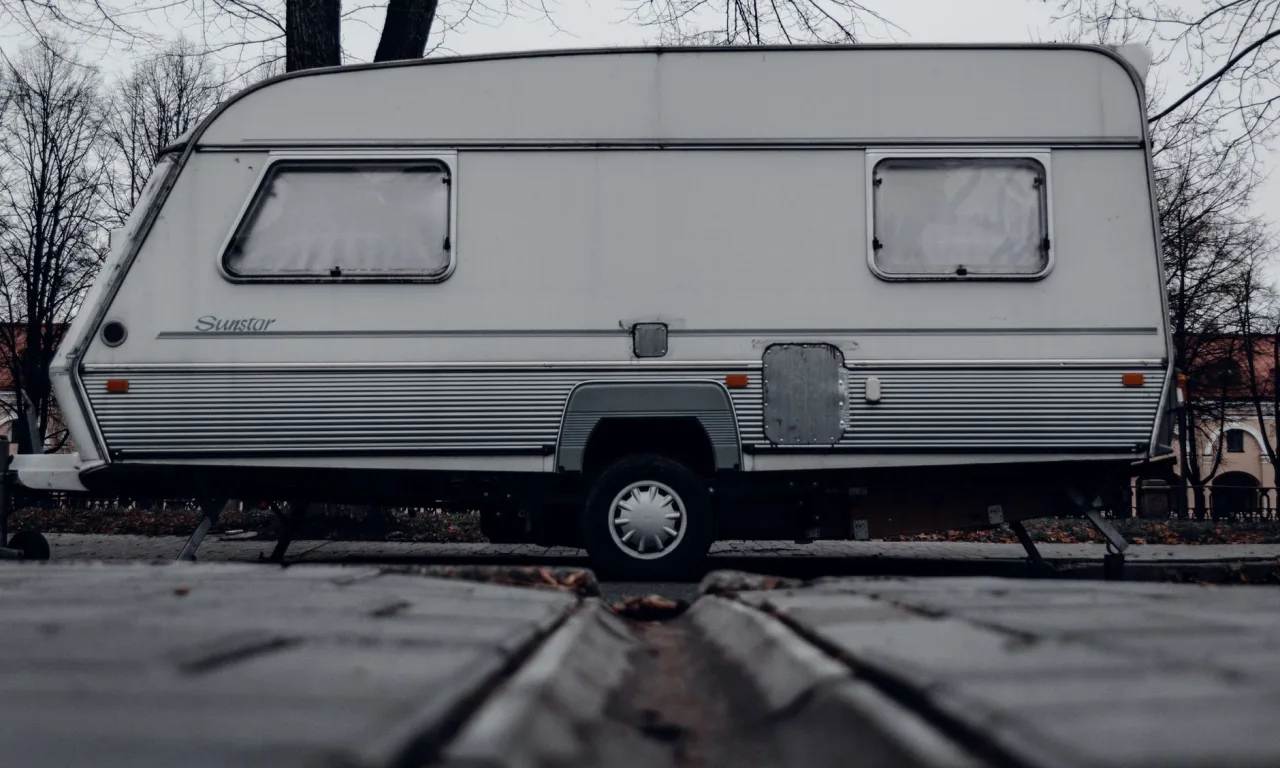
Like most vehicles, caravans lose value fastest in their first few years. That early depreciation is money the first owner absorbs, which is exactly why the nearly-new and three-to-ten-year bands often represent the best value: you get a modern, dry van without paying the steepest drop. For many buyers, especially first-timers, a well-chosen used tourer in that window beats both the cheapest old van and a brand-new purchase.
Buying new still makes sense for some: a warranty, the latest layout and a clean history from day one have real value if you plan to keep the van for a decade. But if value per pound is your goal, let someone else take the first few years of depreciation. Whichever way you lean, checking realistic touring caravan listings and our broader caravans-for-sale guide helps you calibrate what fair looks like.
Negotiating without overpaying
Price is rarely completely fixed, and a calm, informed approach saves real money. A few principles help:
- Do the comparison first: knowing the going rate for that age and layout is your strongest bargaining tool.
- Let condition set the number: use any damp reading, tyre age or missing paperwork as fair grounds to adjust the price.
- Value the extras honestly: credit a mover or awning, but do not overpay for accessories you would not have chosen.
- Be ready to walk away: the willingness to leave is what keeps a negotiation grounded in reality.
Private sellers and dealers respond to evidence, not pressure. A polite "comparable vans are selling for around X, and this one needs Y" is far more effective than a random low offer.
The true cost: beyond the sticker price
The purchase price is only the first number. Before you commit, add up the ongoing costs so year one holds no surprises:
- Towing: your car and licence must legally handle the loaded weight, which as the official GOV.UK guidance on towing with a car notes can depend on when you passed your test.
- Storage: if you cannot keep it at home, secure storage carries an annual fee that varies by region and security level.
- Insurance and servicing: dedicated caravan insurance plus an annual service and habitation check are strongly advised.
- Pitch fees: nightly site costs vary by season and location, so confirm current rates when you book a stay.
If you would rather not own at all, renting is worth pricing: our look at renting a caravan compares that against buying. And once you own, factoring in pitch costs is easier if you know how to find and compare caravan sites near you.
Warning: a low price is not always a bargain
- Damp repairs can cost more than the discount that tempted you.
- Missing CRiS registration or service history is a red flag, not a saving.
- A cheap van you cannot legally tow is no bargain at all.
- Cheap accessories added by a seller rarely justify a big price jump.
Frequently asked questions
How much does a caravan cost in 2026?
It depends entirely on type, age and condition. As a broad guide, older used tourers often sell for around £3,000 to £8,000, newer used ones for £8,000 to £20,000, nearly new for £15,000 to £25,000, and new from about £15,000 to £35,000 and up for premium models. Prices move with season and demand, so always confirm against current listings.
What makes one caravan more expensive than another?
Age and depreciation, layout desirability, brand tier, condition (especially whether it is dry and damp-free) and accessories such as a motor mover or awning all drive price. Condition and desirability often matter more than age alone, which is why a well-kept older van can be worth more than a neglected newer one.
Do caravans hold their value?
Caravans depreciate fastest in their first few years, then more slowly. That is why nearly-new and three-to-ten-year-old tourers often offer the best value, since the first owner absorbs the steepest drop. Popular layouts and well-maintained, dry vans hold value better than dated floorplans or vans with hidden damp.
How do I know if a caravan price is fair?
Compare three or four listings of a similar age and layout to set a baseline, then adjust up for a dry van with full service history and down for damp risk or missing paperwork. Value accessories separately. Be wary of any price far below every comparable van, because it usually reflects a hidden problem rather than a genuine bargain.
What ongoing costs should I budget for beyond the price?
Budget for towing suitability, secure storage if you cannot keep the van at home, dedicated caravan insurance, an annual service and habitation check, and nightly pitch fees at the sites you visit. Pitch fees in particular vary by season and location, so confirm current rates when you book rather than assuming last year's prices.
More guides on Caravan Parks & Touring
Have a question or a topic to suggest?
We read every message. Tell us what you would like to see next on the blog.
Get in touchYou may also like
Caravan Sites Near Me: Find and Compare
Typing "caravan sites near me" into a search box gives you a map full of pins and almost no way to tell a great pitch from a disappointing one.

KOA Near Me: Review, Prices
Search "KOA near me" and you will find one of North America's most familiar camping brands, but familiarity is not the same as being the right pick for your trip.
Touring Caravans for Sale: Real Prices
"Touring caravans for sale" returns endless listings and very little guidance on which one is right for you or your car. This guide focuses on the touring caravan specifically