Static Caravan Guide · Caravan Parks & Touring
Static Caravan: The Complete Guide
Holiday statics versus park homes, real pitch-fee and running costs, and the questions to ask before you buy.
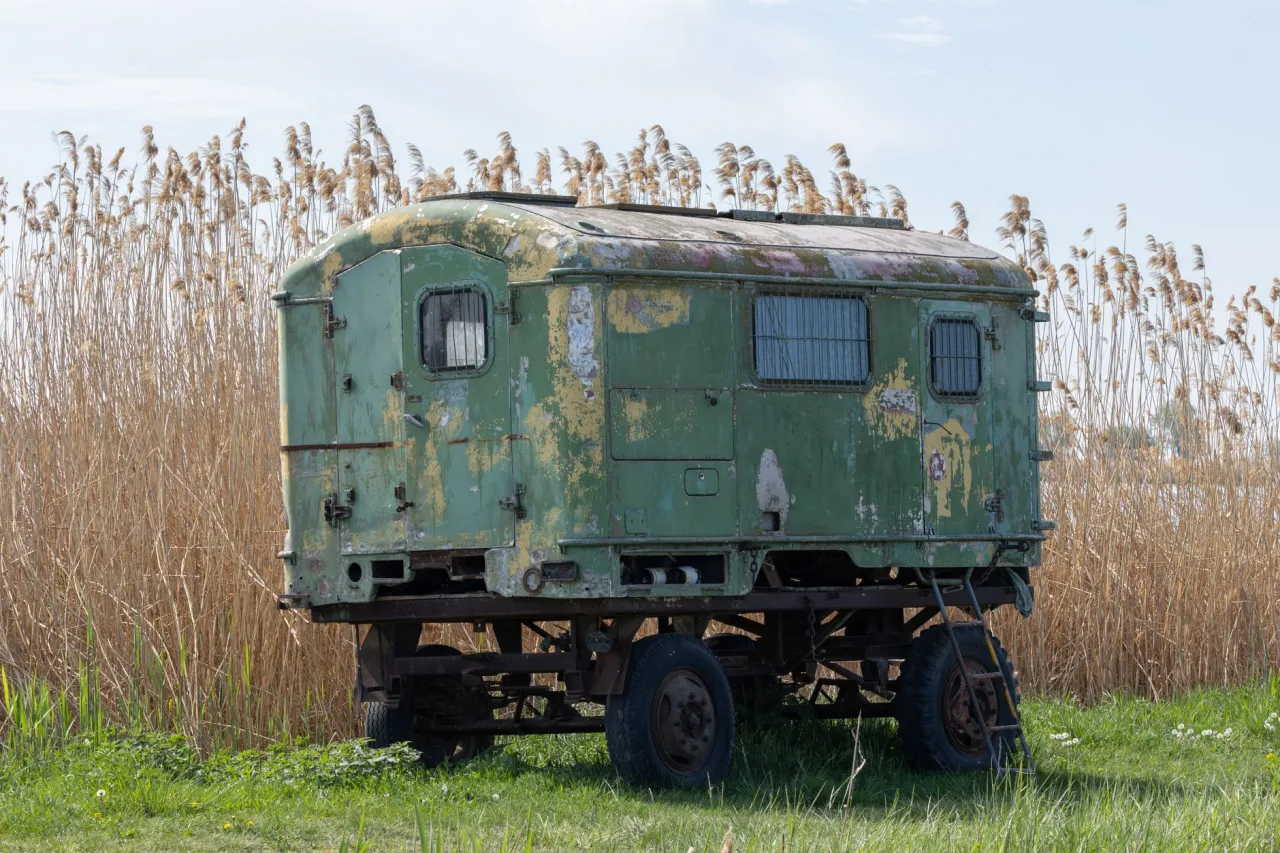
A static caravan gives you a fixed holiday base you can return to whenever you like, without towing anything or setting up each visit. This guide explains what a static caravan actually is, how it differs from a residential park home, what it costs to buy and keep on a park, and the questions to ask before you sign. It is written to help you decide with clear eyes, not to push a particular park or model.
The short version
- A static caravan is a large, transportable holiday home that stays on one pitch rather than being towed from site to site.
- Holiday statics and residential park homes are different things: residential park homes must meet the BS3632 standard, holiday models do not have to.
- The purchase price is only part of the cost: annual pitch fees, rates, insurance and utilities all add up, so budget for the full picture.
- The pitch agreement, licence length and site rules matter as much as the caravan itself, so read them carefully before you buy.
What a static caravan is
A static caravan is a fixed holiday or residential dwelling that is transported once to a pitch and then anchored there, rather than towed between sites. According to Wikipedia's article on static caravans, these units have wheels and a basic chassis but no suspension or brakes, and they are limited in size to no larger than roughly 20 by 6.8 metres. In everyday use they behave far more like a small holiday chalet than a tourer.
The contrast with a touring caravan is the whole point. A tourer is hitched to your car and moved around, while a static stays put and you travel to it. If you are still weighing the two models of ownership, our complete caravan guide compares touring and static ownership side by side, and our overview of bungalow-style stays is a useful reference for the settled, single-storey feel a static offers.
Holiday statics versus residential park homes
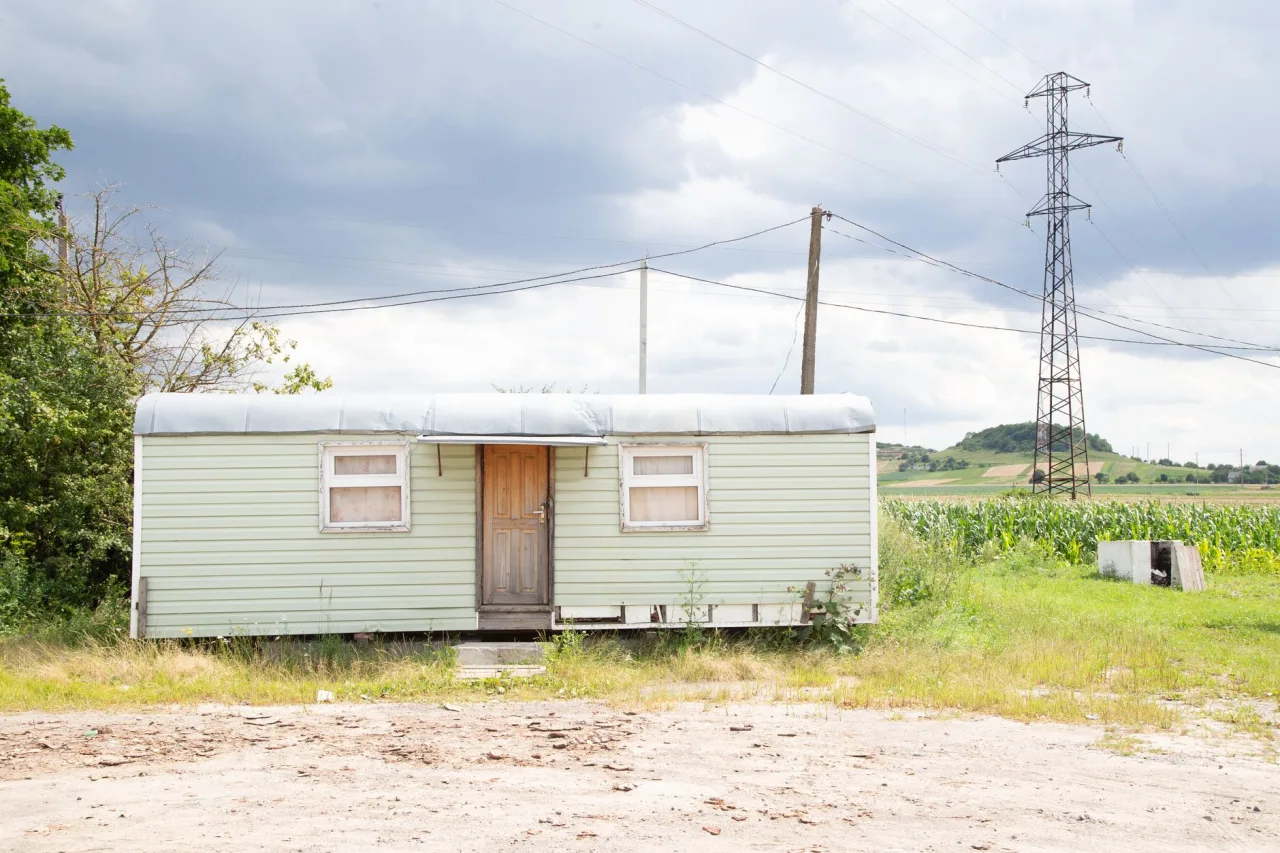
This is the distinction that trips people up most, so it is worth being precise. A holiday static is for holiday use, usually on a park that closes for part of the year, and you cannot make it your permanent legal address. A residential park home is designed for year-round living. As the same Wikipedia article notes, residential park homes must meet the BS3632 standard set by the British Standards Institution, while holiday caravans are not required to comply with that specification.
- Holiday static: holiday use only, seasonal park opening, not your main residence, often a shorter and cheaper build specification.
- Residential park home: built to the BS3632 residential standard, intended for permanent living, on a licensed residential park.
Do not assume a park will let you live in a holiday static full time; that is usually against the site licence and the law. If year-round living is your goal, look specifically for residential park homes, not holiday statics.
Warning: Confirm in writing whether a caravan is a holiday model or a residential park home before you buy. Trying to live permanently in a holiday static can breach the site licence and leave you without security of tenure, which is a costly mistake to unwind.
What a static caravan costs to buy and keep
The purchase price is only the first number. Newer, larger and better-equipped models cost considerably more than older, smaller ones, and the same model can be priced very differently depending on the park and the pitch it sits on. Treat every figure as a starting point and confirm current numbers with the park.
- Pitch fees: an annual charge for keeping the caravan on the park, which varies widely by location, park quality and pitch position, and typically rises each year.
- Rates, insurance and utilities: ongoing costs for the caravan itself, plus gas, electricity and water on top of the pitch fee.
- Maintenance: periodic servicing, and eventually the cost of re-siting or replacing an ageing caravan.
- Depreciation: statics generally lose value over time, so a static is best seen as a holiday lifestyle purchase rather than an investment.
If you are actively comparing models on the market, our guide to static caravans for sale covers what drives asking prices and how to judge a fair one, and a manufacturer such as Swift, whose official site lists holiday homes alongside its tourers, is one of several building this kind of unit.
Choosing the right park
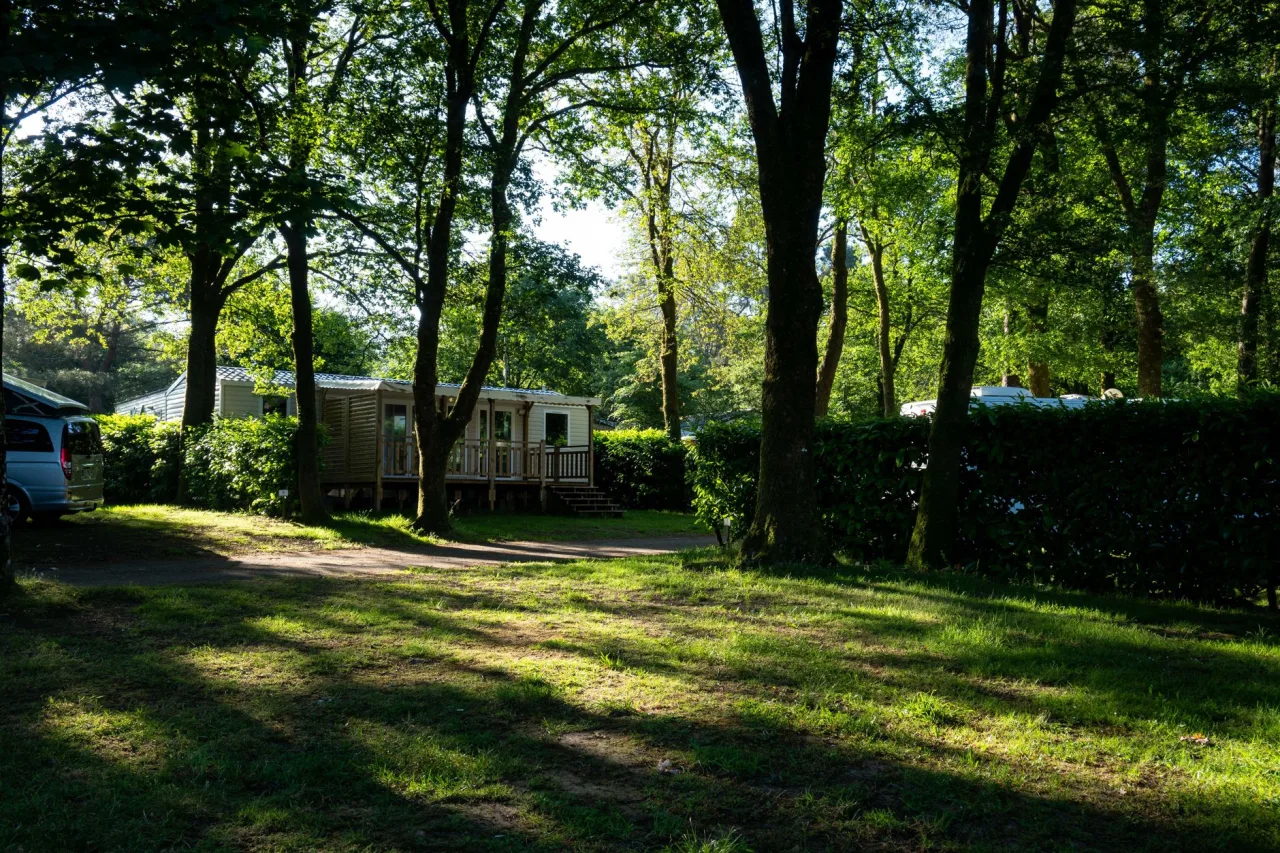
With a static, you are buying into a park as much as a caravan, so the site matters enormously. The location relative to what you want to do, the length and terms of the pitch licence, the site rules and the way pitch fees are set and reviewed all shape the experience for years. Read the pitch agreement in full, ask how fees have changed over the last few years, and check whether and how you would be able to sell the caravan on later.
To scan what is available near a destination and compare parks on a like-for-like basis, our guide to caravan parks near you walks through searching and comparing without relying on a single ranked list.
It also pays to visit at different times before you commit. A park can feel calm on a quiet midweek afternoon and completely different during a busy summer weekend, so try to see it in peak season if you can, and talk to existing owners about how the site is run day to day. Ask practical questions too: how far the pitch is from parking and facilities, what happens if the park changes ownership, and whether there are restrictions on sub-letting the caravan or on the age of van the park will keep on site.
Tip: Ask a park directly how it handles resale and whether it takes a commission when you sell your static. The answer varies a lot between parks and has a real effect on what your caravan is worth to you when you eventually move on.
Siting, safety and upkeep
A static is delivered and positioned by professionals, then connected to services on the pitch. Once it is in place, upkeep is closer to looking after a small holiday home than a tourer. Keep on top of gas and electrical safety, watch for damp around windows and joints, and follow the park's rules on decking, sheds and any alterations.
Because a static stays put, security is about the park rather than towing, but if you also own a tourer or plan to, our caravan storage guide covers keeping that side of your outfit safe between trips.
Is a static caravan right for you?
A static suits people who return to the same area regularly and value a settled base they never have to set up. It removes towing and pitching entirely, at the cost of flexibility and with ongoing pitch fees to factor in. If you would rather roam and visit new places each trip, a touring caravan or a campervan gives you that freedom instead. Work from how you actually holiday: a fixed favourite region points to a static, while a taste for variety points to a tourer. Our caravanning guide is a good next read if you are still choosing between the two.
Frequently asked questions
What is the difference between a static caravan and a touring caravan?
A static caravan is transported once to a pitch and anchored there as a fixed holiday base, while a touring caravan is hitched to your car and towed between sites. A static behaves like a small holiday chalet that you travel to, whereas a tourer offers flexibility to move around. Statics remove setup and towing but come with ongoing pitch fees.
Can I live in a static caravan all year round?
Only if it is a residential park home on a licensed residential park. Holiday statics are for holiday use, usually on parks that close for part of the year, and you generally cannot make them your permanent legal address. Residential park homes must meet the BS3632 standard for year-round living, so confirm the caravan and park type in writing before you buy.
How much does a static caravan cost to keep each year?
Beyond the purchase price, the main ongoing cost is the annual pitch fee, which varies widely by park and location and usually rises each year. On top of that you pay for insurance, gas, electricity, water and periodic maintenance. Ask the park for its current pitch fee and how it has changed recently, and budget for the full picture rather than the sticker price alone.
Do static caravans hold their value?
Generally no. Static caravans tend to depreciate over time, much like a vehicle, so they are best seen as a holiday lifestyle purchase rather than an investment. How well a particular caravan holds value also depends on the park, the pitch and the park's resale policy, so ask specifically how the site handles selling a static on.
What should I check before buying a static caravan?
Read the pitch agreement and licence terms in full, check how pitch fees are set and reviewed, and confirm the site rules and how long you can keep the caravan on the pitch. Ask how resale works and whether the park charges commission, and confirm whether the caravan is a holiday model or a residential park home for your intended use.
More guides on Caravan Parks & Touring
Have a question or a topic to suggest?
We read every message. Tell us what you would like to see next on the blog.
Get in touchYou may also like
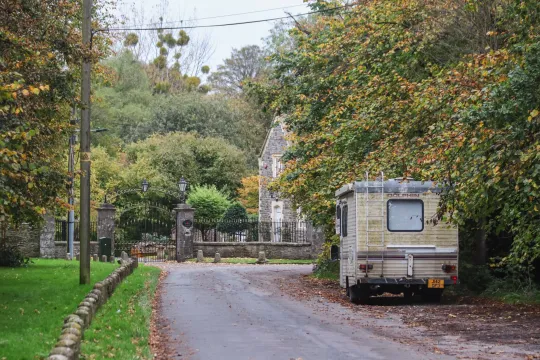
Swift Caravan: The Complete Guide
What Swift builds, how its touring ranges differ, what one costs to buy and run, and how to inspect a used Swift before you buy.
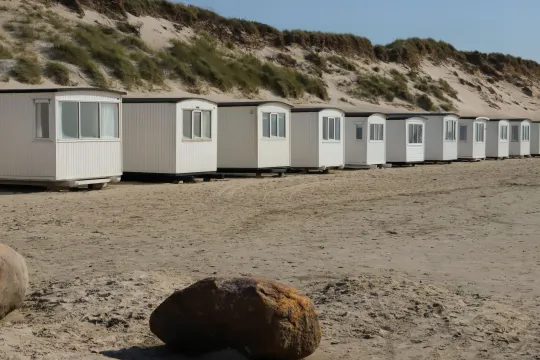
Static Caravans for Sale: Prices and Tips
Realistic 2026 price ranges for static caravans, the pitch fees and running costs that catch buyers out, new versus used, and the site licence terms to read before you sign.
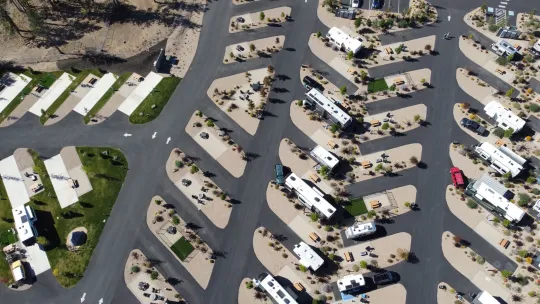
Caravan Parks Near Me: Find & Compare
An honest method for finding, comparing and choosing a good caravan park near you, with a checklist for facilities, access, rules and true total price.