Caravan Touring · Caravan Parks & Touring
Touring Caravan Sites: Complete Guide
The hub of our caravan cluster: site types, pitch fees, hook-ups and how to choose well.
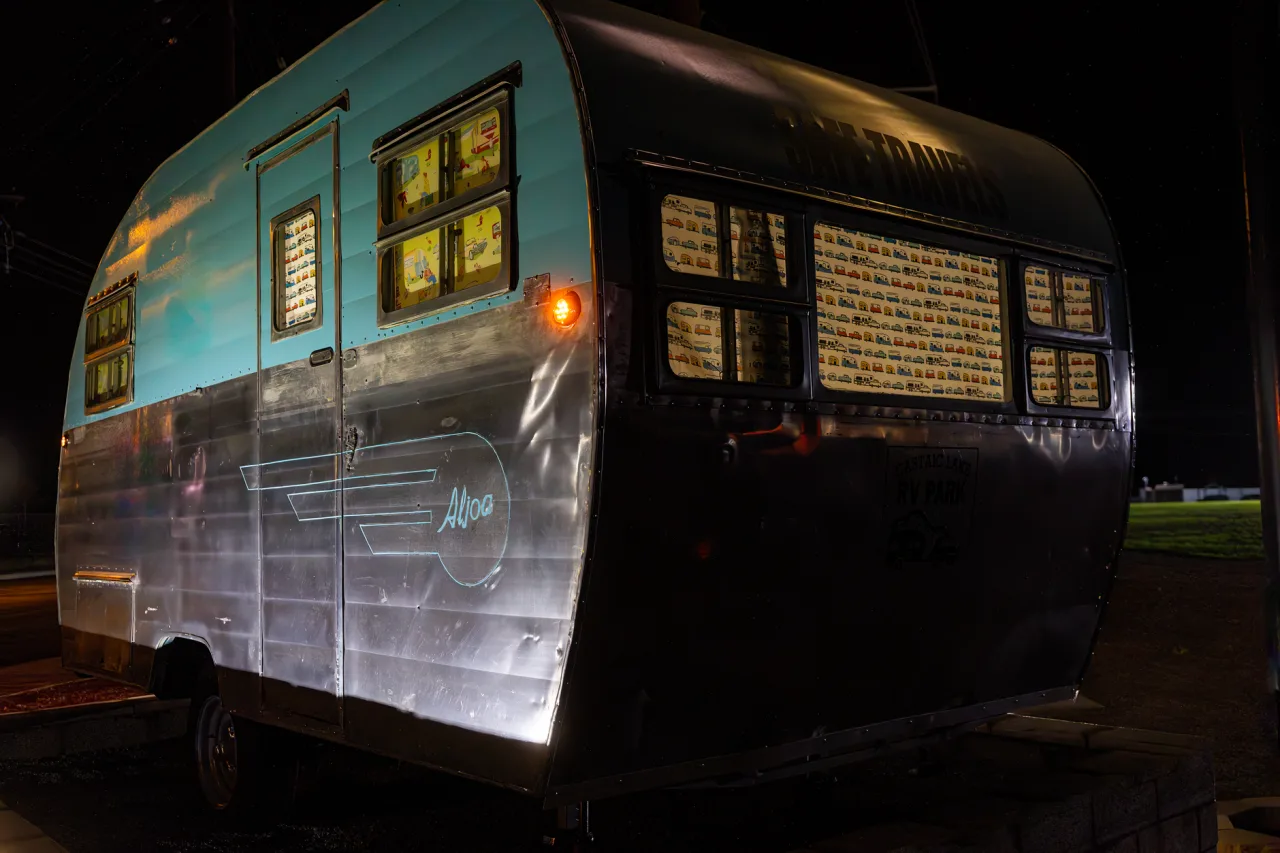
Touring caravan sites are the pitches, parks and club grounds where you park a towed caravan for a night, a week or a season. This complete guide explains the types of site, what they cost, the hook-ups and facilities to look for, and how to choose one that suits your van and your trip. It is the hub of our caravan cluster, so use it as a map to the more detailed guides.
The short version
- Sites range from fully serviced holiday parks to simple certificated or farm pitches with minimal facilities, and prices track that scale.
- Nightly pitch fees vary widely by season, region and service level, so always treat any figure as a range and confirm when booking.
- The three things to check first are hardstanding versus grass, electric hook-up amperage, and the maximum permitted unit length.
- Booking ahead matters in peak season and on popular coastal and national park sites, where pitches sell out months in advance.
What counts as a touring caravan site
A touring caravan is a trailer towed behind a car and used for accommodation, distinct from a static caravan that stays put on one pitch. As the Wikipedia entry on towed caravans notes, leisure caravanning grew into an established activity across Britain and Europe in the early twentieth century, with the first clubs founded in 1901 and 1907. A touring caravan site is simply any managed area that accepts these mobile units for short stays, with marked pitches and some shared facilities.
That covers a broad spectrum. At one end sit large commercial holiday parks with pools, restaurants and entertainment. At the other are small, quiet grounds with a water tap and a chemical disposal point and little else. Knowing where a site sits on that scale is the single most useful thing to establish before you book.
Types of touring caravan site
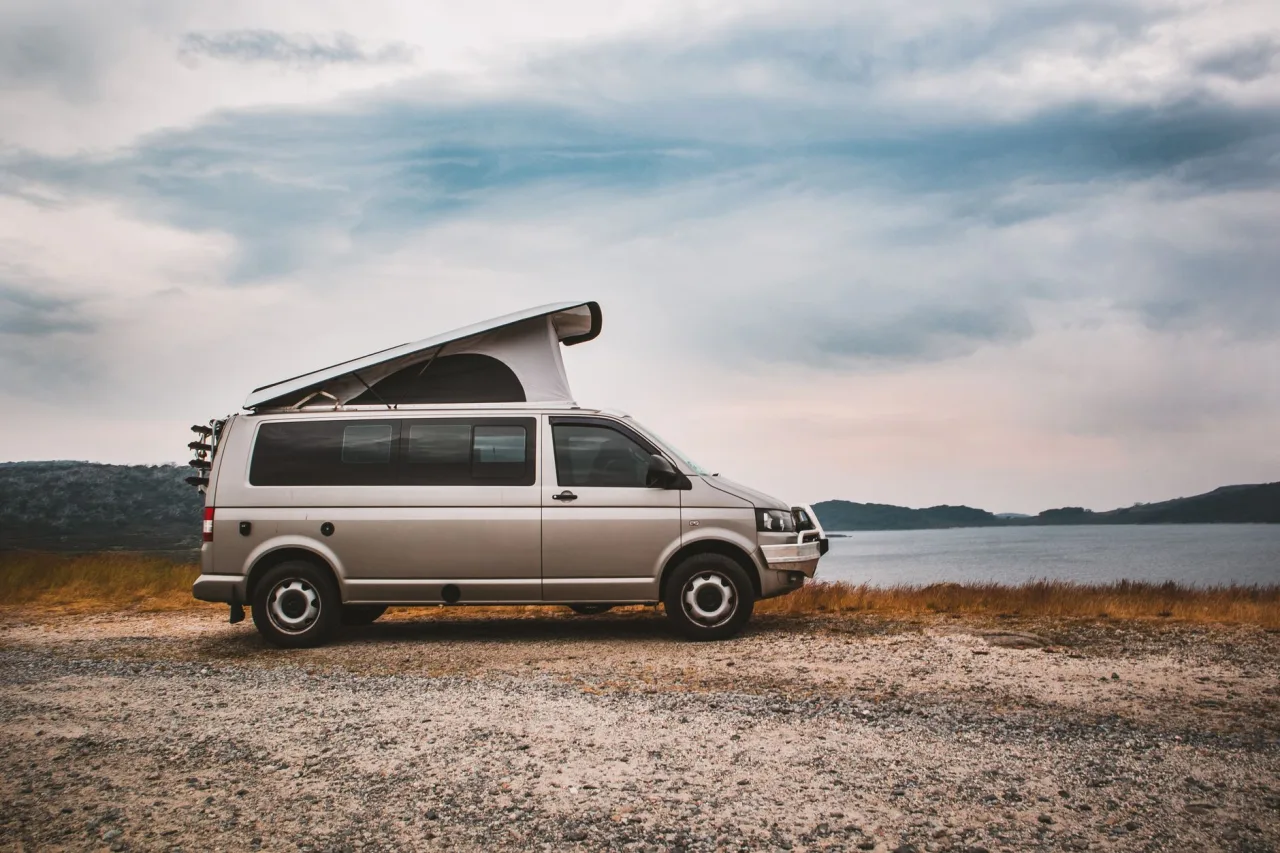
- Commercial holiday parks: the most facility-rich, often with hardstanding pitches, full hook-ups, shops, pools and organised activities. Best for families who want amenities on site.
- Club sites: run by membership organisations, generally well maintained with reliable facilities and consistent standards. The UK Camping and Caravanning Club is one long-established example, offering member sites and discounts.
- Certificated and farm sites: small, low-cost grounds limited to a handful of vans, often on farmland or in gardens. Facilities are basic but the settings are frequently the most peaceful.
- Adults-only and specialist sites: some grounds cater to specific audiences, such as adults-only, dog-friendly or dark-sky stargazing sites.
For a deeper look at how sites are organised and what membership adds, see our guide to caravan sites and the wider caravanning overview.
What touring caravan sites cost
Pitch fees vary so much that a single price is meaningless. The main drivers are season (school holidays and summer weekends cost most), region (coastal and national park areas command a premium), service level (a serviced hardstanding pitch with full hook-up costs more than a grass pitch with no electric), and unit size. As a rough framing, simple certificated pitches sit at the budget end, club and mid-range commercial sites in the middle, and premium serviced holiday parks at the top. Always treat quoted figures as ranges that vary by season and confirm the total, including any charges for extra occupants, awnings, dogs and electricity, when you book.
Tip: read the fee breakdown, not just the headline pitch price. Some sites advertise a low base pitch fee then add per-person, per-awning, per-dog and metered-electricity charges. Two sites with the same headline number can differ significantly once extras are totalled, so ask for the full price for your exact party.
Pitches, hook-ups and hardstanding

Three technical details shape your comfort more than any brochure photo. First, pitch surface: hardstanding (gravel or slab) stays usable in wet weather, while grass can become muddy and, on very wet ground, may be closed to heavier vans. Second, electric hook-up: most European sites supply a low-amperage feed, and the available amps limit how many appliances you can run at once, so check the rating if you rely on a heater or air conditioning. Third, unit length: many sites cap the maximum length they can accept, so measure your car and caravan together before booking a tight pitch.
Also confirm the water and waste arrangements. Serviced pitches have a fresh water tap and grey-waste drain at the pitch, while standard pitches share a central water point and chemical disposal point. If you tow a larger van, our notes on touring caravan parks cover how larger commercial grounds handle bigger units.
How to choose the right site
- Define the trip: a facility-packed family holiday and a quiet stargazing weekend want opposite ends of the site spectrum.
- Match facilities to needs: list your must-haves (hardstanding, full hook-up, showers, dog-friendly) and filter on those, not on price alone.
- Check access and location: narrow lanes and steep approaches matter when towing. Read directions and reviews about the approach road.
- Confirm rules early: arrival and quiet hours, awning charges, gazebo and pup-tent policies, and whether pitches are allocated or first come.
- Book ahead in peak season: popular coastal and national park sites fill months out.
When you are ready to search by location, our find caravan sites near you guide and the caravan parks near me directory explain how to compare local options honestly.
Seasons and booking rhythm
Touring sites follow a clear seasonal rhythm. Many smaller and club sites open roughly from early spring to late autumn, while some stay open year round for hardy off-season campers. Peak demand lands on school holidays and summer bank holidays, when the best pitches on sought-after sites sell out well ahead. Shoulder seasons in late spring and early autumn often give the best balance of pleasant weather, quieter grounds and lower fees. If you tour outside summer, confirm which facilities remain open, since some sites close pools, shops or shower blocks off-season.
Etiquette and practicalities on site
Good site behaviour keeps grounds pleasant for everyone. Observe quiet hours, keep to the site's one-way and speed rules, and never empty a chemical toilet anywhere but the designated point. Use grey water responsibly and do not let it run across a neighbour's pitch. Keep dogs leashed where required and clear up after them. When you leave, take your rubbish to the right bins and leave the pitch as you found it. If you store your van between trips, our caravan storage guide covers keeping it secure and roadworthy for next season.
Warning: know your towing limits. Overloading a caravan or exceeding your car's towing capacity is dangerous and can be illegal. Check your vehicle's maximum towing weight and the caravan's loaded weight before every trip, and distribute load to keep the nose weight within limits. A poorly loaded van is far more prone to snaking at speed.
Frequently asked questions
What is the difference between a touring site and a static caravan park?
A touring caravan site provides short-stay pitches for caravans you tow in and take away again, usually with shared facilities and a nightly or weekly fee. A static caravan park keeps large caravans permanently sited on pitches used as holiday homes or seasonal bases. Some parks offer both touring pitches and static caravans, so check which you are booking.
How much do touring caravan sites cost per night?
Fees vary widely by season, region and service level, so treat any figure as a range and confirm when booking. Simple certificated and farm pitches sit at the budget end, club and mid-range commercial sites in the middle, and premium serviced holiday parks at the top. Watch for extra charges for additional occupants, awnings, dogs and metered electricity, which can change the total significantly.
Do I need to book a touring caravan site in advance?
In peak season, yes, especially at popular coastal and national park sites, which can sell out months ahead. In shoulder and off-peak seasons you have more flexibility, and some smaller sites accept arrivals without a reservation. Booking ahead still gives you the best choice of pitch and avoids arriving to find a site full.
What is a serviced pitch on a touring site?
A serviced pitch has a fresh water tap and a grey-waste drain at the pitch itself, usually alongside an electric hook-up, so you do not have to carry water across the site or share a central point. Serviced pitches cost more than standard pitches but add convenience, particularly for longer stays.
Can I stay on a touring site all year round?
It depends on the site. Many smaller and club sites open from roughly early spring to late autumn, while some commercial parks stay open year round. If you tour in winter, confirm which facilities remain available, since some sites close pools, shops and shower blocks outside the main season.
More guides on Caravan Parks & Touring
Have a question or a topic to suggest?
We read every message. Tell us what you would like to see next on the blog.
Get in touchYou may also like

Caravan Sites
Caravan sites range from a farmer's field with a water tap to a full facility holiday park with pools and restaurants, and the word covers all of it.
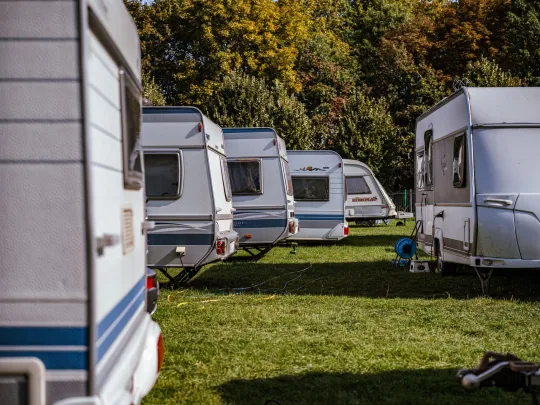
Caravan Sites Near Me: Find and Compare
Typing "caravan sites near me" into a search box gives you a map full of pins and almost no way to tell a great pitch from a disappointing one.

Caravan Parks Near Me: Find & Compare
An honest method for finding, comparing and choosing a good caravan park near you, with a checklist for facilities, access, rules and true total price.