Caravan buying
Caravans for Sale: Real Prices & Tips
What to really pay for a touring caravan, how to spot a good one, and the running costs behind the sticker price.
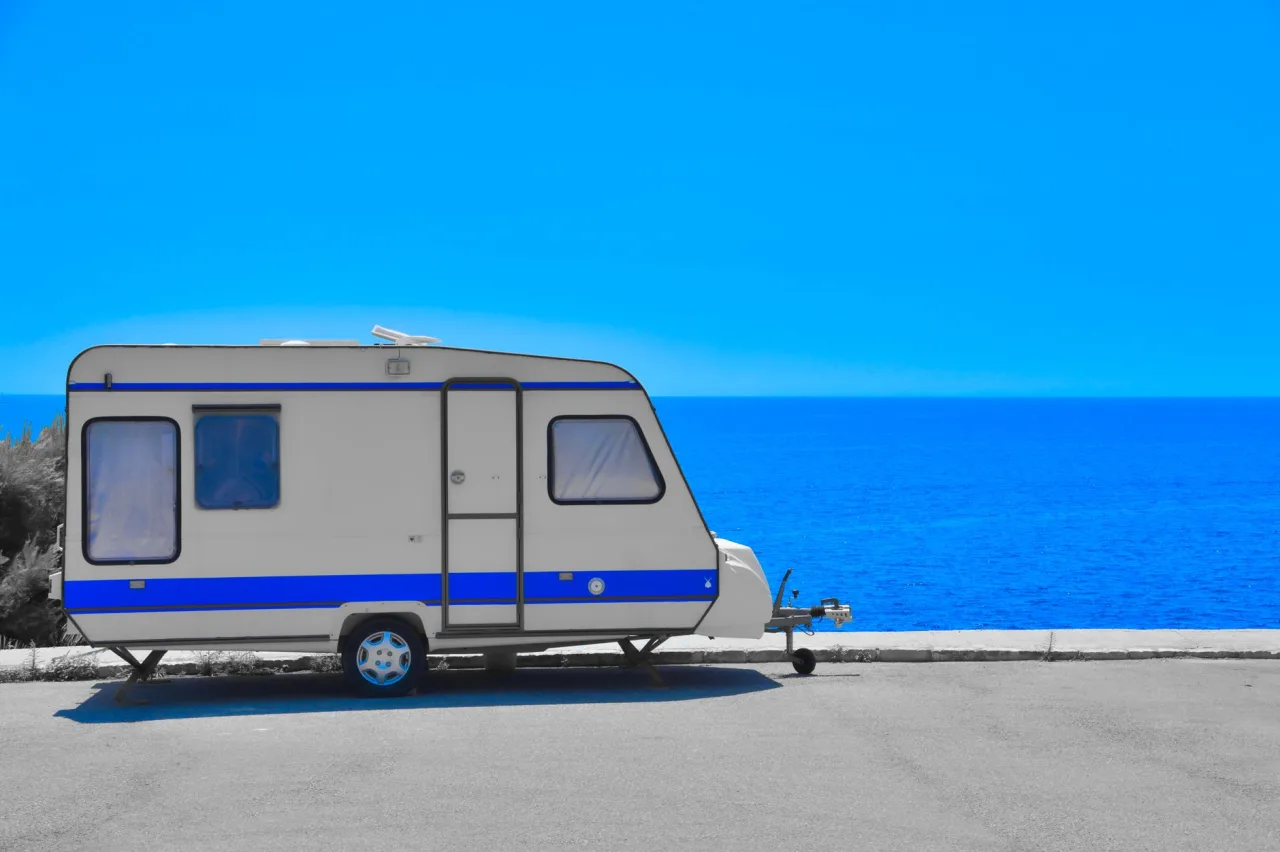
Searching "caravans for sale" throws up thousands of listings and almost no straight answers about what you should actually pay. This guide gives you honest price ranges for touring caravans in 2026, a checklist for spotting a good one from a bad one, and the running costs most listings quietly leave out. The goal is simple: help you buy a caravan you will still be happy with three seasons from now.
The short version
- Prices vary hugely by age, layout and condition: budget roughly £3,000 to £8,000 for older used tourers, £8,000 to £20,000 for newer used, and £15,000 to £35,000+ for new, always confirmed at the point of sale.
- The layout and berth count matter more than the badge. Buy for how you will really travel, not for the biggest floorplan.
- Damp is the number one caravan killer. A damp meter reading and a service history beat a shiny finish every time.
- Budget for the total cost of ownership: towing, storage, insurance, servicing and pitch fees, not just the sticker price.
What "caravans for sale" really means
A touring caravan is a trailer towed behind a car to give you a place to sleep, cook and shelter that is more comfortable than a tent. In the UK the word caravan usually means exactly this kind of towed holiday tourer, as opposed to a motorhome, which is a single drivable vehicle. According to Wikipedia's overview of towed caravans, tourers range from basic two-berth models up to spacious six-berth family layouts, with lightweight versions designed to be towed by ordinary family cars.
That range is the first thing to understand before you spend a penny. "Caravans for sale" is not one market, it is several overlapping ones: brand-new dealer stock, nearly-new used tourers a year or two old, older private sales, and the very cheap end where a bargain and a money pit look almost identical in photos. Knowing which segment you are shopping in keeps your expectations, and your budget, honest.
Realistic price ranges in 2026
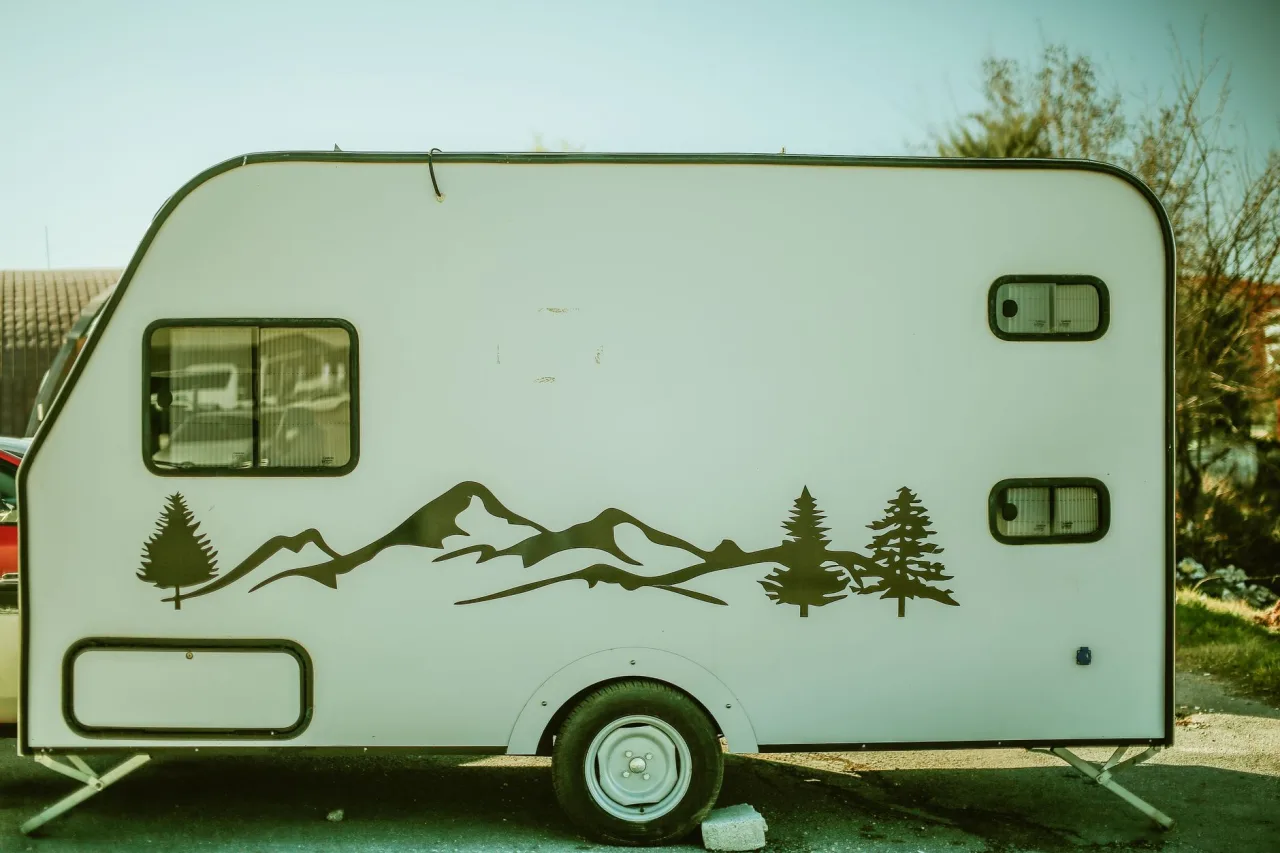
Prices move with the seasons, the economy and demand, so treat every figure below as a broad guide to confirm against live listings, not a fixed quote. As a rough map of the market:
- Older used tourers (roughly 12 to 20+ years old): often around £3,000 to £8,000. These can be excellent value if dry and well kept, but this is also where the biggest risks hide.
- Newer used tourers (around 3 to 10 years old): commonly £8,000 to £20,000 depending on layout, brand and condition. Usually the sweet spot for value.
- Nearly new (one to three years old): frequently £15,000 to £25,000, letting someone else absorb the steepest early depreciation.
- Brand new: commonly £15,000 to £35,000 and up for premium twin-axle models, before you add any extras or a mover.
Two caravans of the same age can differ by thousands based on layout desirability, awning and accessories, and above all whether they are dry. A private sale is usually cheaper than a dealer, but a dealer typically offers some warranty and a documented handover. Decide which trade-off suits you before you fall for a specific van.
Tip: value the layout, not the length
- A fixed-bed layout saves you making up a bed every night but eats floor space.
- An end washroom adds privacy but pushes up length and towing weight.
- A twin-axle tows more steadily but is harder to manoeuvre by hand and to store.
- Sit in the van and mime a wet evening in it before you judge the price.
The condition checklist that actually matters
The single most important word in used caravan buying is damp. Water ingress rots floors, delaminates walls and destroys resale value, and it is often invisible in a quick look. Take, or ask the seller to demonstrate, a damp meter reading around windows, the corners, the washroom and along the floor edges. A recent, clean damp report in a service history is worth more than any amount of fresh polish.
Beyond damp, work through a calm checklist: tyres (age as well as tread, since caravan tyres perish before they wear out), the condition and function of the hitch and brakes, water heater and pump, gas appliances, the state of the upholstery and any lingering smell, and whether every window, roof light and locker actually seals. Ask for the CRiS registration and check it, ask for the service history, and be wary of a van that has clearly been rushed to market with no paperwork at all.
Total cost of ownership
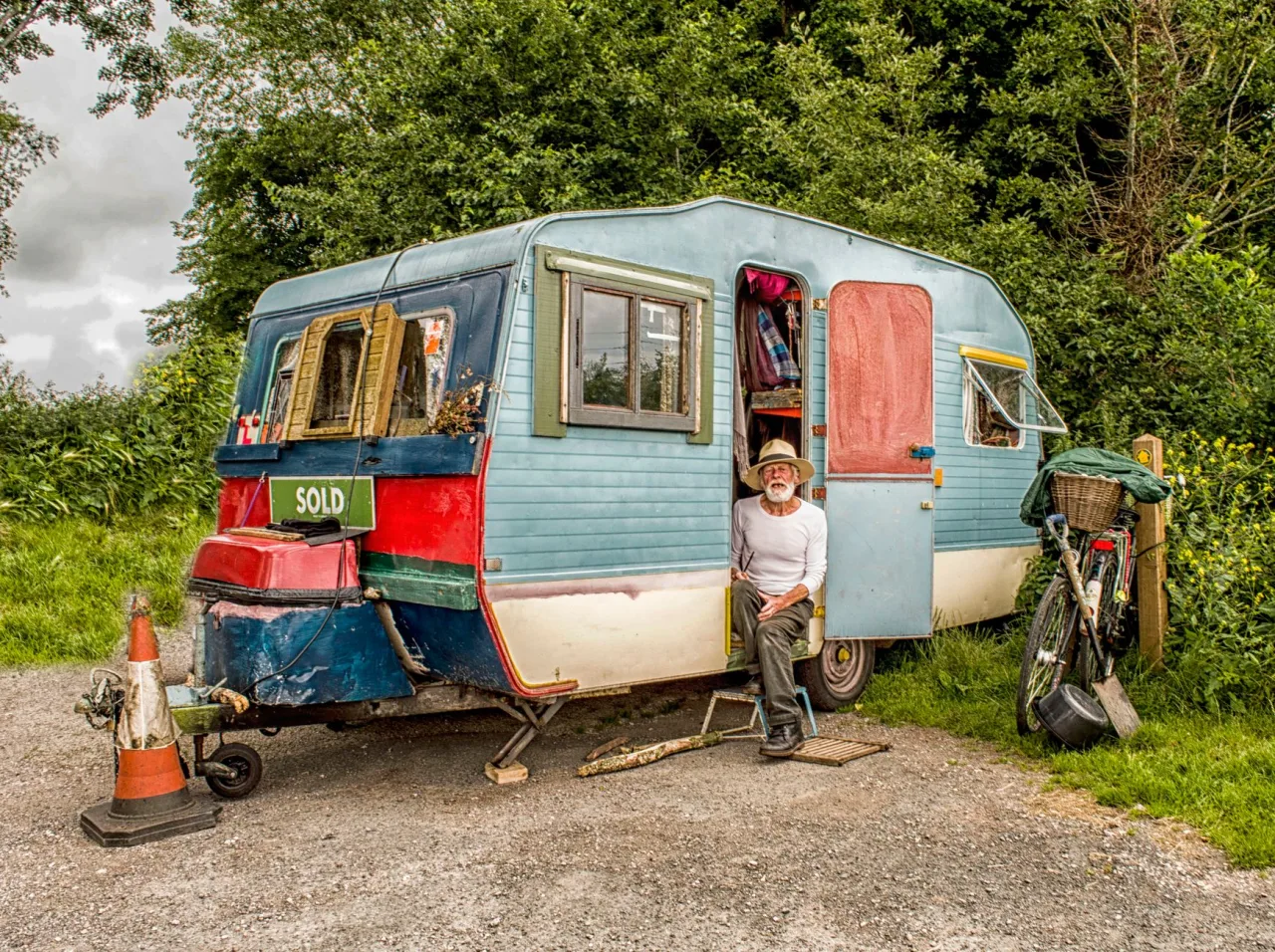
The purchase price is only the beginning. Before you commit, add up the running costs so there are no surprises in year one:
- Towing capability: your car must legally and safely tow the caravan's loaded weight, and your driving licence category must allow the combination, which in the UK depends on when you passed your test, as the official GOV.UK guidance on towing with a car sets out. Check both before you buy.
- Storage: if you cannot keep it at home, a secure storage site typically charges an annual fee that varies widely by region and security level.
- Insurance and servicing: caravans benefit from an annual service and habitation check, and dedicated insurance is strongly advised.
- Pitch fees: nightly pitch costs at sites vary by season, location and hook-up, so confirm current rates when you book rather than assuming last year's prices.
If you want to see how those pitch and site costs fit into the wider picture, our complete guide to camping sites breaks down the different site types and what you tend to pay to stay on them.
Where to search and how to compare
Serious buyers look in more than one place. Dealer forecourts and their websites give you warranty and a paper trail. Private listings and classifieds give you lower prices but no safety net. Auctions and part-exchange lots sit somewhere in between. Whichever route you take, compare like with like: the same age band, similar layout, and comparable condition, rather than being seduced by the cheapest headline number.
Make a simple comparison sheet with columns for price, age, berths, layout, damp status, service history and what is included. A van that costs a little more but comes dry, serviced and with an awning can be far better value than a cheaper one that needs a new floor. If you are weighing a private tourer against a package-holiday style stay in a fixed unit abroad, our honest look at the Eurocamp model and its alternatives is a useful reality check on the rent-versus-own question.
New versus used: which makes sense
Buying new gives you a warranty, the latest layouts and the reassurance of no hidden history, at the cost of steep early depreciation. Buying used, especially in the three to ten year band, lets someone else take that depreciation hit while you still get a modern, dry van. For most first-time buyers, a well-chosen used tourer is the smarter financial move, provided you do the damp and paperwork checks properly.
The exception is the buyer who plans to keep the caravan for a decade or more and values a clean history from day one. Over a long ownership, new can make sense. Whatever you choose, the caravan lifestyle sits alongside the wider world of towing and touring, which our complete guide to caravanning and our overview of caravan and camping sales events both explore in more depth.
Warning: walk away from these
- No service history and no CRiS registration to check.
- Fresh sealant slapped over window frames, a classic sign of hiding damp.
- A seller who refuses to let you take a damp reading.
- A price that is "too good", especially far below every comparable listing.
Frequently asked questions
How much should I budget for a decent used touring caravan?
As a broad guide, older used tourers often sell for around £3,000 to £8,000, newer used ones for £8,000 to £20,000, and nearly new for £15,000 to £25,000. These ranges shift with season and demand, so always confirm against current listings before you set a firm budget.
What is the biggest risk when buying a used caravan?
Damp is the number one risk. Water ingress rots floors and walls, is often invisible in photos, and is expensive to fix. Always get a damp meter reading around windows, corners and the washroom, and treat a clean damp report and service history as more valuable than a shiny finish.
Can my car tow a caravan?
It depends on your car's towing capacity and your driving licence category. Your vehicle must be able to safely and legally tow the caravan's fully loaded weight, and your licence must allow the combined weight. Check both before you buy any specific van, because a caravan you cannot legally tow is no bargain.
Is it cheaper to buy new or used?
Used is almost always cheaper up front and lets someone else absorb the steepest early depreciation. New costs more but comes with a warranty and no hidden history. For most first-time buyers a dry, serviced used tourer in the three to ten year age band offers the best balance of value and peace of mind.
What ongoing costs should I plan for?
Beyond the purchase price, budget for storage if you cannot keep it at home, annual servicing and a habitation check, dedicated caravan insurance, and nightly pitch fees at the sites you visit. Pitch fees in particular vary by season and location, so confirm current rates when you book rather than assuming last year's prices.
More guides on Caravan Parks & Touring
Have a question or a topic to suggest?
We read every message. Tell us what you would like to see next on the blog.
Get in touchYou may also like
Caravan: The Complete Guide
Caravan types, buying and running costs, safe towing, and how to choose a caravan that fits how you actually travel.
Caravan and Camping Sales Guide
When the genuine caravan and camping deals appear, how to tell a real discount from a fake one, what caravans cost to buy and own, and a simple plan for your first purchase.
Eurocamp: Review, Prices & Alternatives
What Eurocamp is, who it suits, how pricing and cancellation work, and the alternatives worth comparing before you book.