Caravan Parks & Touring · Caravan Parks & Touring
Minicaravan
A minicaravan is the small, light end of the towable caravan world: compact enough to pull with an ordinary car, simple enough to set up in minutes
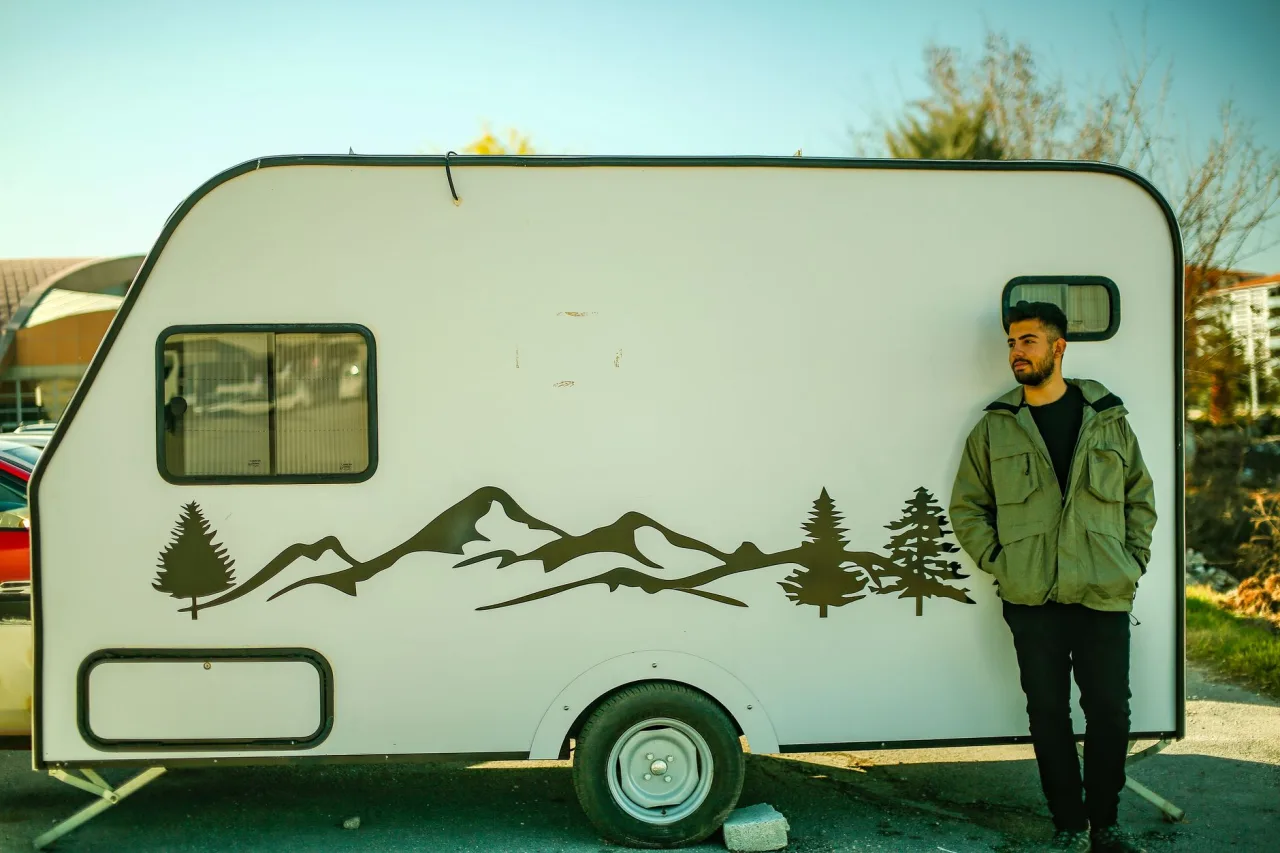
A minicaravan is the small, light end of the towable caravan world: compact enough to pull with an ordinary car, simple enough to set up in minutes, and cheap enough to run that a lot of people use one as their whole holiday. This guide explains what actually counts as a minicaravan, the main types, what they cost to buy and run, and how to choose one, without pretending any single model is the "best" for everyone.
The short version
- "Minicaravan" is a loose label for small, lightweight towable caravans, from teardrop trailers to compact two berth tourers, usually under about 18 feet long.
- The big draw is towability: many can be pulled by a normal family car, which keeps running costs and licence hassle down.
- You trade interior space for that lightness, so decide how many berths and how much standing room you genuinely need before you shop.
- Prices span a wide range new and used, and vary by size, age and condition, so budget with ranges and confirm the real figure with the seller.
What counts as a minicaravan
There is no legal definition of a minicaravan, so treat it as a description rather than a category. In practice it covers the small, light end of the towable caravan spectrum: compact tourers, micro caravans and teardrop trailers. The common thread is a low weight and a small footprint that let an ordinary car tow the unit without a big engine or a special licence in most cases.
For context, reference sources on towable caravans note that smaller travel trailers built for touring are usually less than 18 feet long and carry simple amenities, while a teardrop trailer, the smallest common style, is a streamlined unit that often weighs under about 1,000 pounds. Those two points bracket the minicaravan world neatly: bigger and heavier than a teardrop, smaller and lighter than a full family tourer. If you want the full picture of the larger units these sit below, our complete guide to caravans covers the whole range, and the near identical mini caravan guide looks at the same idea from a buyer's angle.
The main types of minicaravan
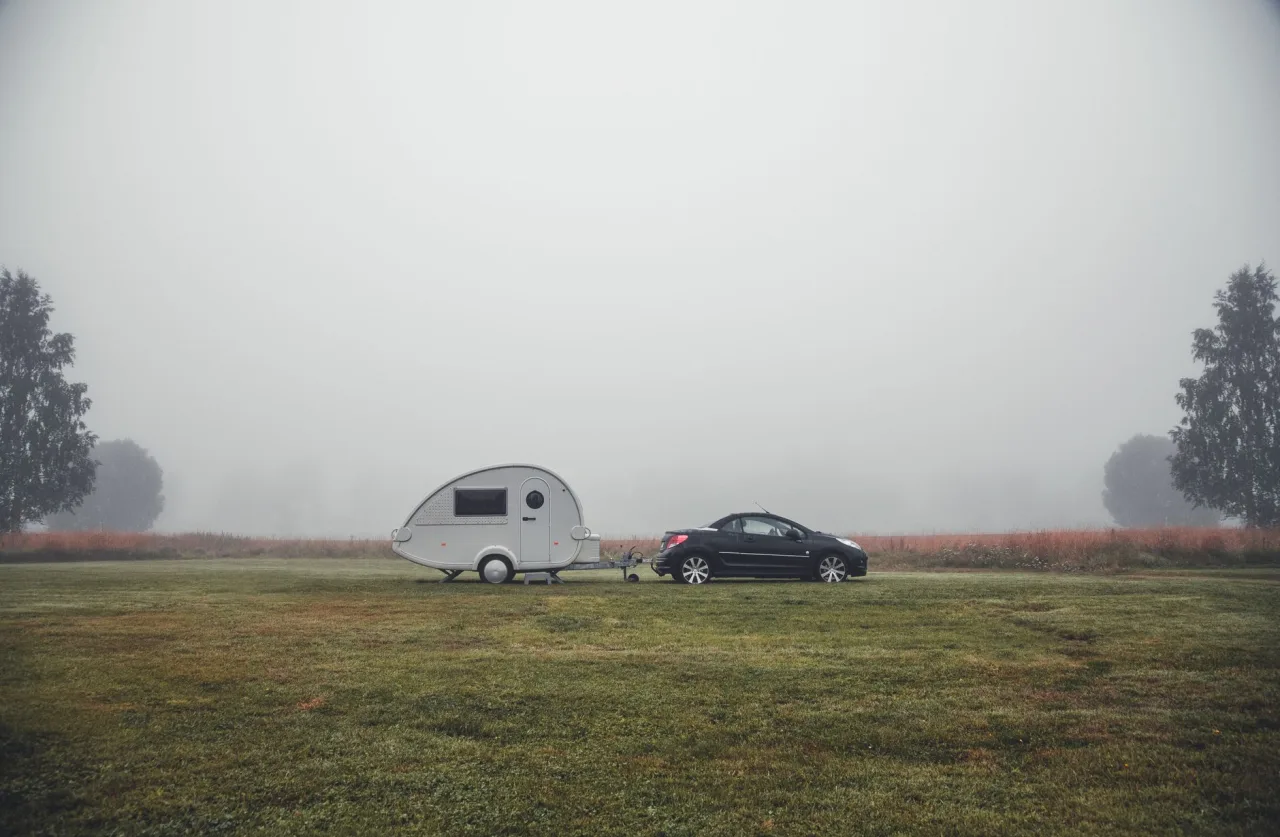
Small caravans divide into a few recognisable styles. Each trades something different, so match the style to how you camp rather than to a spec sheet.
- Teardrop trailers. The smallest and lightest, typically a sleeping cabin with a rear hatch kitchen and no standing room. Brilliant for two people who mostly want a dry bed and a place to cook, and easy to tow and store.
- Compact two berth tourers. A little larger, with a proper door, some seating that converts to a bed, and often a tiny kitchen. Still light, but with room to sit out a rainy afternoon.
- Folding and pop top caravans. These lower their roof or fold down for towing and storage, then expand at the pitch. They cut wind resistance and garage height while giving more space once open.
- Micro and quirky designs. A growing niche of tiny, characterful units, some retro styled, aimed at solo travellers and couples who value looks and lightness over interior volume.
None of these is objectively best. A teardrop is perfect for a couple touring in fair weather and cramped for anyone who wants to stand up and cook indoors. Decide your priorities first, then compare units within the right style.
Tip: check the towing weight against your car, not the other way around
The single most important number is the loaded weight of the caravan versus what your car is rated to tow. Find your vehicle's towing capacity in its handbook, and compare it to the caravan's maximum laden weight, not its empty weight. A unit that looks tiny can still be heavier than a small car should pull once you load water, gas and gear.
Why people choose a small caravan
The appeal of a minicaravan is mostly about lowering barriers. A lighter unit can be towed by more cars, which avoids buying a bigger tow vehicle. It is easier to reverse, park and manoeuvre on a pitch, which matters enormously for nervous first time towers. It stores in a smaller space, sometimes even a domestic garage or driveway, and it costs less to buy and run than a big tourer.
Set against that, you accept less interior space, fewer berths and often no onboard bathroom. For couples, solo travellers and small families who see the caravan as a base for outdoor days rather than a place to live in, that trade is easy. If you are still deciding between a small caravan and other touring options, our caravanning guide weighs up the lifestyle as a whole.
What a minicaravan costs to buy
Prices vary so much by size, age, brand and condition that any single figure would mislead. As a rough shape, teardrop trailers and basic micro units sit at the lower end, compact tourers in the middle, and well equipped or premium small caravans at the top. Used units cost less than new but carry the usual risks of damp, worn tyres and dated fittings.
Because the market moves and every unit differs, treat any price you see online as a starting estimate and confirm the real cost with the seller, including any extras like a mover, awning or gas bottles. When comparing new against used, factor in that a cheaper used caravan may need work that closes the gap. For the wider buying picture, browsing typical listings the way our caravans for sale guide describes will give you a feel for current ranges before you commit.
Running and storage costs
The purchase price is only part of ownership. Budget for the ongoing costs, which for a small caravan are lower than a big tourer but never zero.
- Insurance. A dedicated caravan policy or an add on, priced by value, storage location and security.
- Servicing and damp checks. An annual service protects resale value and catches water ingress early, the single biggest killer of caravans.
- Storage. A driveway is cheapest, a secure storage site costs more but improves security and may lower insurance.
- Tyres. Caravan tyres age out before they wear out, so replace them on age even if the tread looks fine.
- Pitch fees. The nightly cost of the sites you visit, which vary by season and location.
If you lack space at home, a dedicated storage compound is the usual answer. Our caravan storage guide covers what to look for and how pricing works.
How to choose the right one
Rather than chase a "top pick," score any minicaravan you are considering against a consistent checklist. This keeps the decision about your needs instead of a seller's photos.
- Berths and layout. How many people sleep in it comfortably, and whether the bed setup suits nightly touring or a fixed base.
- Weight versus your car. The loaded weight must sit safely within your vehicle's towing limit, ideally with headroom.
- Facilities. Whether you want an onboard toilet, a kitchen you can stand at, or are happy using site facilities.
- Storage fit. The folded or towing height and length against your driveway, garage or storage site.
- Condition, for used. A damp meter reading, tyre age, and evidence of servicing history.
Once you know the unit, you need places to take it. Small caravans are welcome at most touring parks, and our campervan and small unit sites guide explains how to find pitches that suit compact tourers and where to check live availability.
Warning: do not skip the damp check on a used unit
Water ingress is the most expensive fault in any caravan and it hides behind clean panels. On any used minicaravan, use or ask for a damp meter reading around windows, the floor and roof joins, and walk away from soft, spongy or musty areas. A cheap caravan with hidden damp is not a bargain.
Frequently asked questions
What is a minicaravan?
A minicaravan is an informal term for a small, lightweight towable caravan, ranging from a teardrop trailer to a compact two berth tourer, usually under about 18 feet long. There is no legal definition, so it simply describes the small, light end of the caravan range that an ordinary car can typically tow.
Can I tow a minicaravan with a normal car?
Often yes, which is a big part of the appeal, but you must check the specific numbers. Compare the caravan's maximum loaded weight against your car's towing capacity in the vehicle handbook, and make sure your driving licence covers the combined weight. Lighter units like teardrops suit most cars, while heavier compact tourers may not.
How much does a minicaravan cost?
It varies widely by size, age, brand and condition. Teardrops and basic micro units sit at the lower end, compact tourers in the middle, and well equipped small caravans at the top, with used units cheaper than new. Treat any advertised price as an estimate and confirm the real cost, including extras, with the seller.
Is a minicaravan better than a tent or a big caravan?
It depends on how you camp. A minicaravan gives you a dry bed and quick setup that a tent cannot, while staying lighter, cheaper and easier to tow and store than a full size caravan. The trade is less interior space and often no bathroom, so it suits couples and small families more than large groups.
Do I need extra insurance or a special licence for a minicaravan?
You should insure a caravan either with a dedicated policy or an add on, priced by value and storage. Licence rules depend on the combined weight of your car and loaded caravan and on where and when you passed your test, so check your entitlement before towing rather than assuming a small unit is exempt.
More guides on Caravan Parks & Touring
Have a question or a topic to suggest?
We read every message. Tell us what you would like to see next on the blog.
Get in touchYou may also like
Silver Lake State Park: Best Spots, Seasons
Silver Lake State Park is one of Michigan's most distinctive camping destinations, a place where over 2,000 acres of open sand dunes sit between Lake Michigan and the freshwater Silver Lake.
Camping Sites Lake District: Best Spots
The Lake District packs England's highest mountains and largest lakes into one compact national park, which makes it one of the finest and most popular places in the country to camp.
Cabin Camping
Cabin camping gives you the fresh air, campfire and dark skies of a tent trip with a solid roof, a real bed and a door that locks. This complete guide explains what cabin camping actually