Storage Guide · Caravan Parks & Touring
Caravan Storage: The Complete Guide
Home, farm and secure-compound options, what good security looks like, and how to prep a van for winter.
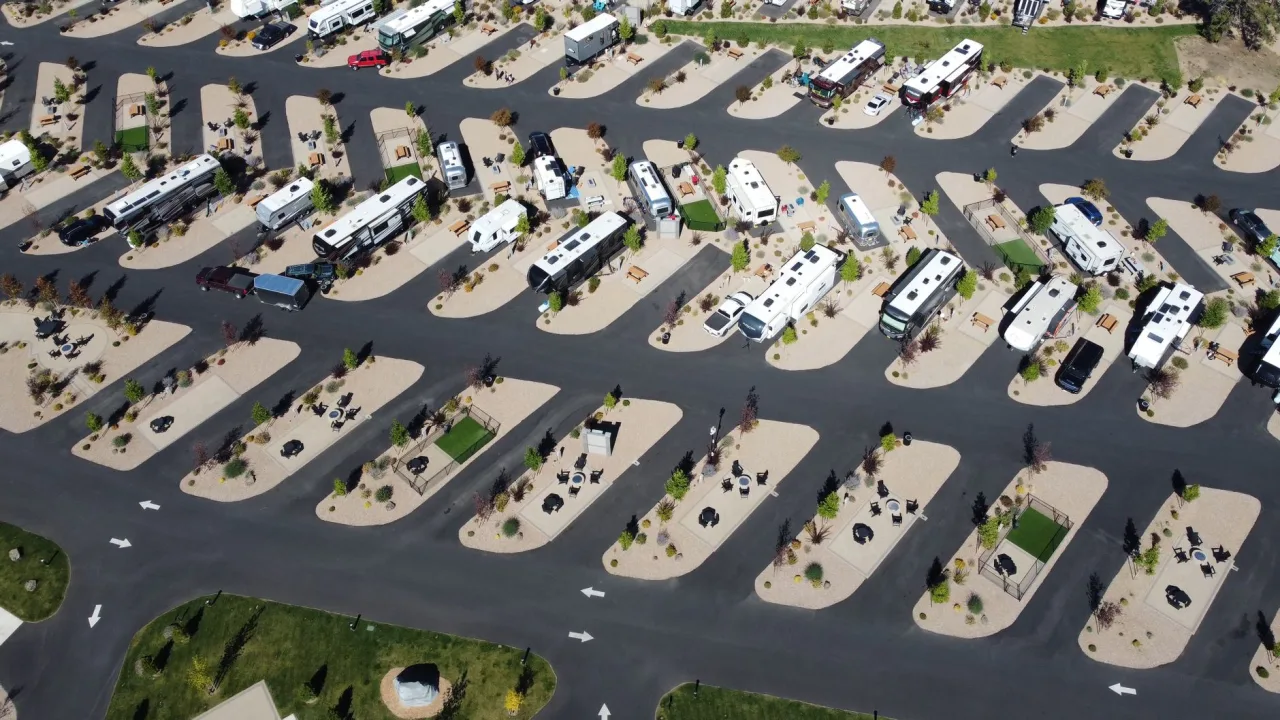
A caravan spends far more of the year parked than on the road, so where and how you store it matters as much as how you tow it. This guide explains your storage options, roughly what they cost, what good security actually looks like, and how to keep a stored van in good condition. It is written to help you store safely and legally, not to sell you a particular site.
The short version
- Your main options are storing at home, on a farm or field site, or at a dedicated secure storage compound, each with different cost and security trade-offs.
- Storing at home is cheapest but often restricted by driveway space, access and rules in your deeds or tenancy.
- Dedicated storage sites vary in security, so look for accredited compounds that are graded on their security measures.
- Good preparation before storage, from cleaning to protecting tyres and battery, prevents damp and other faults while the van sits idle.
Why caravan storage matters
Most caravans are used for a handful of weeks a year and stored for the rest, so storage is a running cost and a security decision rolled into one. Where you keep the van affects your insurance premium, the risk of theft, and how well the caravan survives long idle periods. Getting it right protects both the vehicle and your wallet.
Storage is also part of the true cost of ownership that first-time buyers often overlook. If you are still deciding what to buy, factor storage into the budget from the start, and read it alongside our complete caravan guide, which covers the wider picture of buying and running a van.
The main storage options
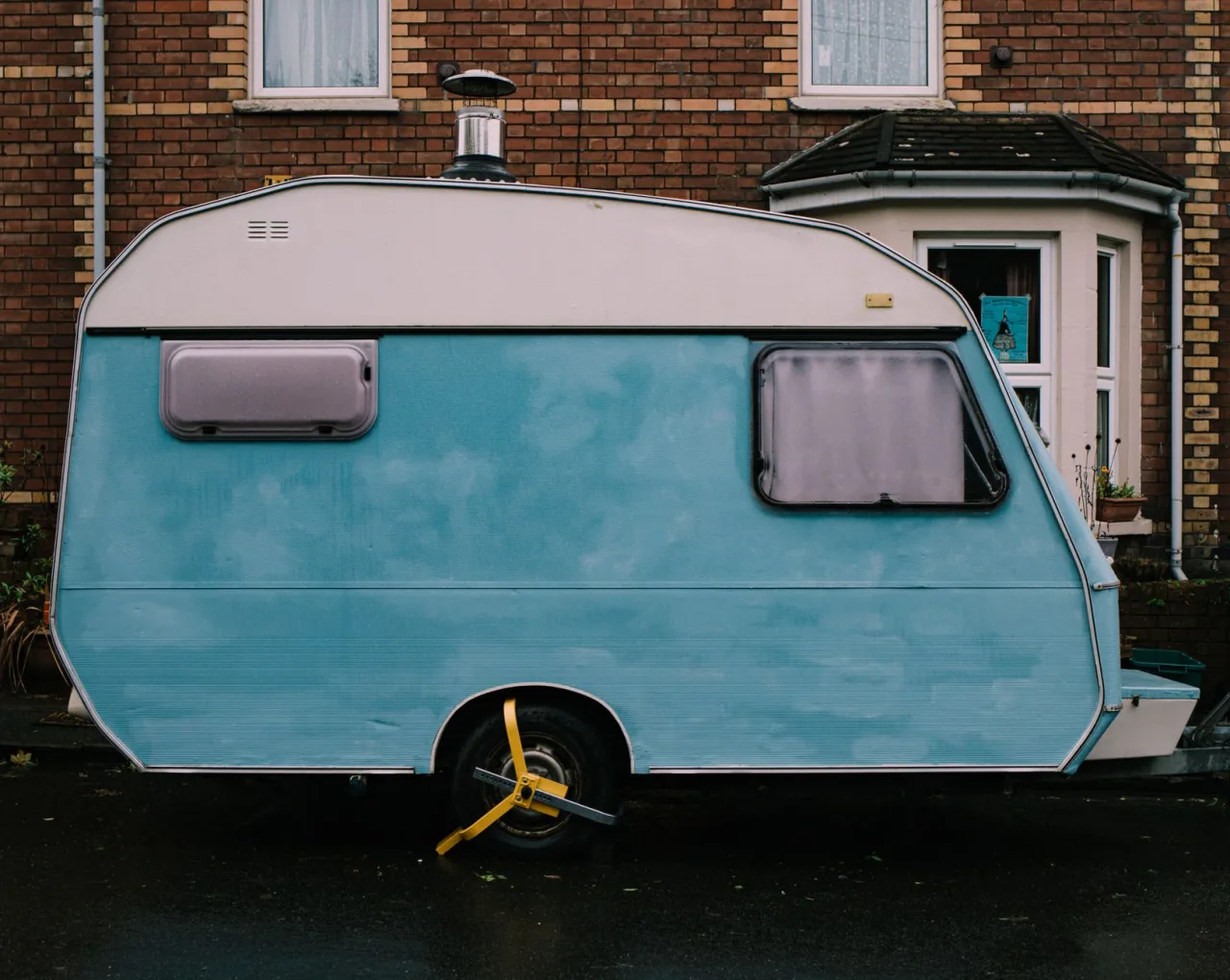
There is no single best answer, because the right choice depends on your space, budget and how secure you need the van to be.
- At home: on your own drive or land. Cheapest and most convenient, but limited by space, access and any restrictions in your property deeds, lease or local rules.
- Farm or field storage: a plot on private land, often lower cost, but security and surfacing vary a lot, so check what protection is actually in place.
- Dedicated storage compounds: purpose-built sites with fencing, gates, lighting and often CCTV. More expensive, but usually the most secure option and often looked on favourably by insurers.
- Indoor or covered storage: the most protective from weather and prying eyes, and usually the priciest, sometimes offered at larger compounds.
Prices vary widely by region, security level and whether storage is indoor or outdoor, so treat any figure you see as a range and confirm current costs directly with the site. To scan what is available near you and compare sites on a like-for-like basis, our guide to caravan storage near you walks through the search without relying on a single ranked list.
What good security looks like
Security is where storage sites differ most, so it is worth knowing what to look for rather than taking a site's word for it. In the UK, the Caravan Storage Site Owners' Association (CaSSOA) accredits secure storage; its official site describes it as the UK accreditation for secure caravan and motorhome storage, operating for more than 25 years, and it grades member sites by their assessed security level. Choosing an accredited site is an easy way to filter for a baseline of security.
- Perimeter: secure fencing and controlled, gated access rather than an open field.
- Surveillance: lighting and CCTV covering the storage area.
- Access control: barriers, key fobs or coded entry, and a record of who comes and goes.
- On-van security: a hitch lock and wheel clamp on the caravan itself, which insurers often require regardless of the site.
Membership bodies are a useful source of impartial guidance here. The Caravan and Motorhome Club publishes technical advice for owners and runs training courses, and its material on security and storage is a sensible cross-check against what any individual site tells you. Treat a site's own marketing with healthy scepticism and verify the security features in person before you commit.
Tip: Tell your insurer exactly where and how the caravan is stored before you commit to a site. Storage arrangements affect both your premium and whether a claim would be paid, and an accredited secure compound can sometimes reduce what you pay.
Storing at home: what to check first
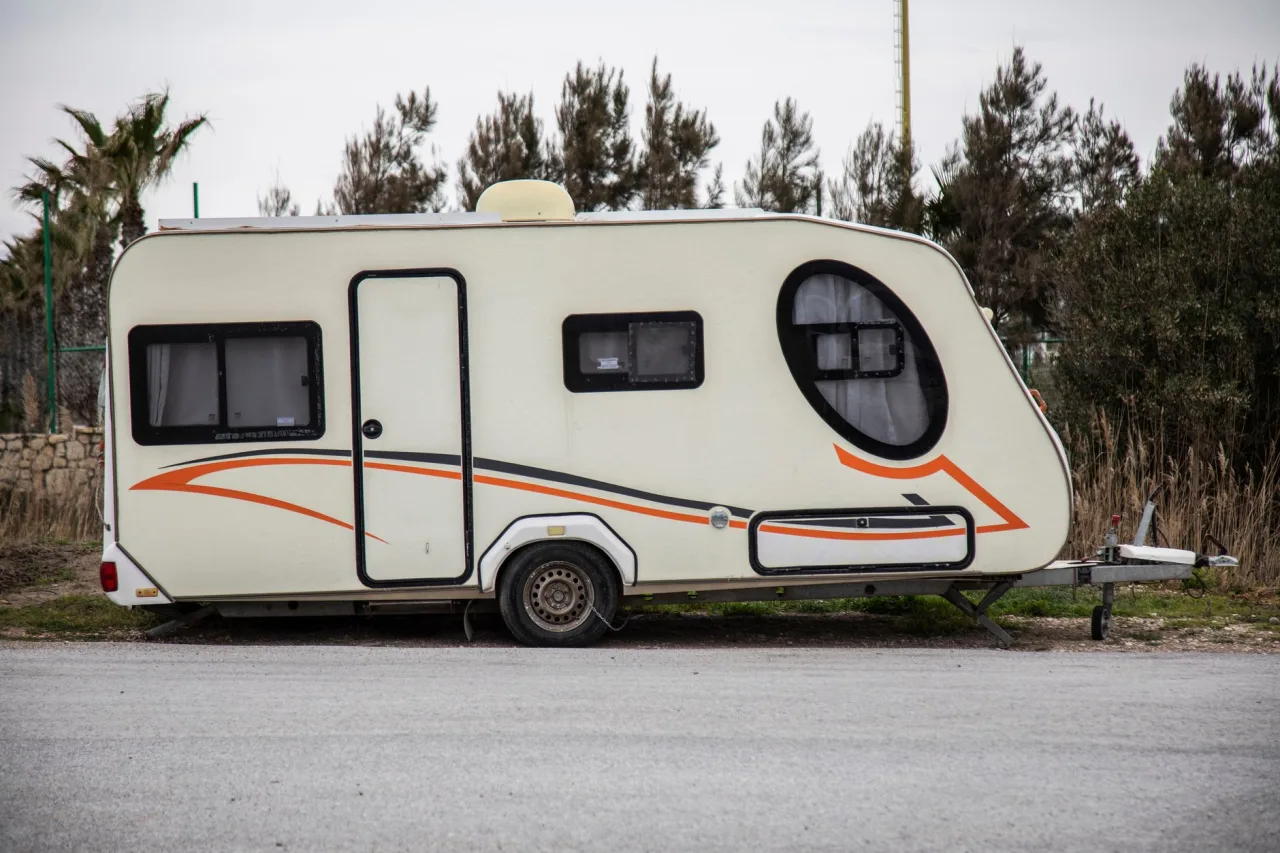
Keeping the caravan at home is the cheapest route, but it is not always allowed or practical. Before you rely on it, check the space and the rules.
- Space and access: confirm you can get the van on and off the drive without blocking pavements or neighbours, and that it fits without overhanging a public path.
- Legal restrictions: check your property deeds, lease or tenancy and any local rules, since some prohibit parking a caravan on the drive or on the road.
- Security: a hitch lock, wheel clamp and good lighting reduce the risk, as a caravan on a drive is a visible target.
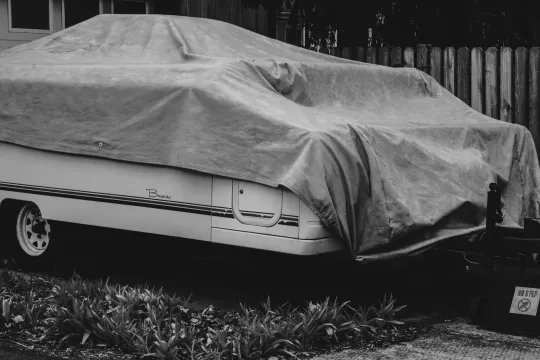
- Protection: a breathable cover and a level, well-drained surface help prevent damp and tyre damage over the winter.
If home storage is not an option, that constraint is a normal part of ownership rather than a dealbreaker, and it applies to mainstream brands too, whether you own a Swift tourer or any other make.
Preparing a caravan for storage
How you leave the van matters as much as where you park it, especially over a long winter layup. A little preparation prevents the damp, flat spots and battery problems that greet owners who simply lock up and walk away.
- Clean and dry: empty the water system, clean inside and out, and leave it dry to discourage damp and mould.
- Ventilation: allow some airflow inside, and prop cushions and lockers so air can circulate.
- Tyres: inflate correctly and, for long periods, move the van occasionally or use supports to avoid flat spots.
- Battery and gas: maintain or remove the battery per the maker's advice, and turn gas off at the cylinder.
- Damp checks: look in periodically if you can, because catching damp early is far cheaper than repairing it later.
Season matters as much as the checklist. A van laid up over a wet, cold winter faces very different risks from one stored briefly in summer, so scale your preparation accordingly. Over winter, freezing and condensation are the main enemies, which is why draining water fully and allowing airflow matter most then. If you store on an open field site, add extra weather protection and check the drainage under the van, since standing water and soft ground do the most damage to tyres and the underside over a long, damp layup.
Warning: Do not store a caravan with a full or partly full water system over winter. Trapped water can freeze and split pipes and fittings, turning a free precaution into an expensive repair when you next come to use the van.
Choosing the right storage for you
Work backwards from your priorities. If cost and convenience lead and you have the space and permission, home storage is hard to beat. If security and insurance peace of mind matter more, an accredited compound is usually worth the extra. For the best weather protection, covered or indoor storage wins, at a higher price. Whatever you choose, tell your insurer, secure the van itself, and prepare it properly for long layups. If you are weighing a fixed base instead of towing and storing, a static caravan avoids the storage question entirely, and our guide to caravan parks near you covers that route.
Frequently asked questions
Can I store a caravan on my driveway?
Often yes, but not always. It depends on having enough space and safe access, and on any restrictions in your property deeds, lease, tenancy or local rules, some of which prohibit parking a caravan on the drive or road. Check those before you rely on home storage, and secure the van with a hitch lock and wheel clamp because it is a visible target.
How much does caravan storage cost?
Costs vary widely by region, security level and whether storage is indoor or outdoor. Farm or field plots tend to be cheapest, dedicated secure compounds cost more, and covered or indoor storage is usually the priciest. Treat any figure as a range that changes by location and season, and confirm current prices directly with the site.
What is CaSSOA?
CaSSOA is the Caravan Storage Site Owners' Association, which its own website describes as the UK accreditation for secure caravan and motorhome storage, operating for more than 25 years. It grades member sites by their assessed security level, so choosing an accredited site is a simple way to filter for a baseline of security.
How do I prepare a caravan for winter storage?
Drain the water system fully, clean and dry the van inside and out, and allow some ventilation with cushions and lockers propped open. Inflate the tyres correctly and guard against flat spots, maintain or remove the battery as the maker advises, and turn gas off at the cylinder. Check on it periodically for damp if you can.
Does where I store my caravan affect my insurance?
Yes. Storage arrangements affect both your premium and whether a claim would be paid, so tell your insurer exactly where and how the van is stored. An accredited secure compound with fencing, CCTV and access control can sometimes reduce what you pay, and insurers often expect a hitch lock and wheel clamp on the van itself.
More guides on Caravan Parks & Touring
Have a question or a topic to suggest?
We read every message. Tell us what you would like to see next on the blog.
Get in touchYou may also like
Caravan Storage Near Me: Find and Compare
A practical guide to finding and comparing secure caravan storage near you: the three storage types, how to judge security, realistic 2026 price ranges and the contract small print to check before you pay.
Swift Caravan: The Complete Guide
What Swift builds, how its touring ranges differ, what one costs to buy and run, and how to inspect a used Swift before you buy.
Static Caravan: The Complete Guide
What a static caravan is, how holiday statics differ from residential park homes, the full cost of keeping one, and what to check before you sign.