Glamping & Unique Stays · Glamping & Unique Stays
Cabin Camping
Cabin camping gives you the fresh air, campfire and dark skies of a tent trip with a solid roof, a real bed and a door that locks.
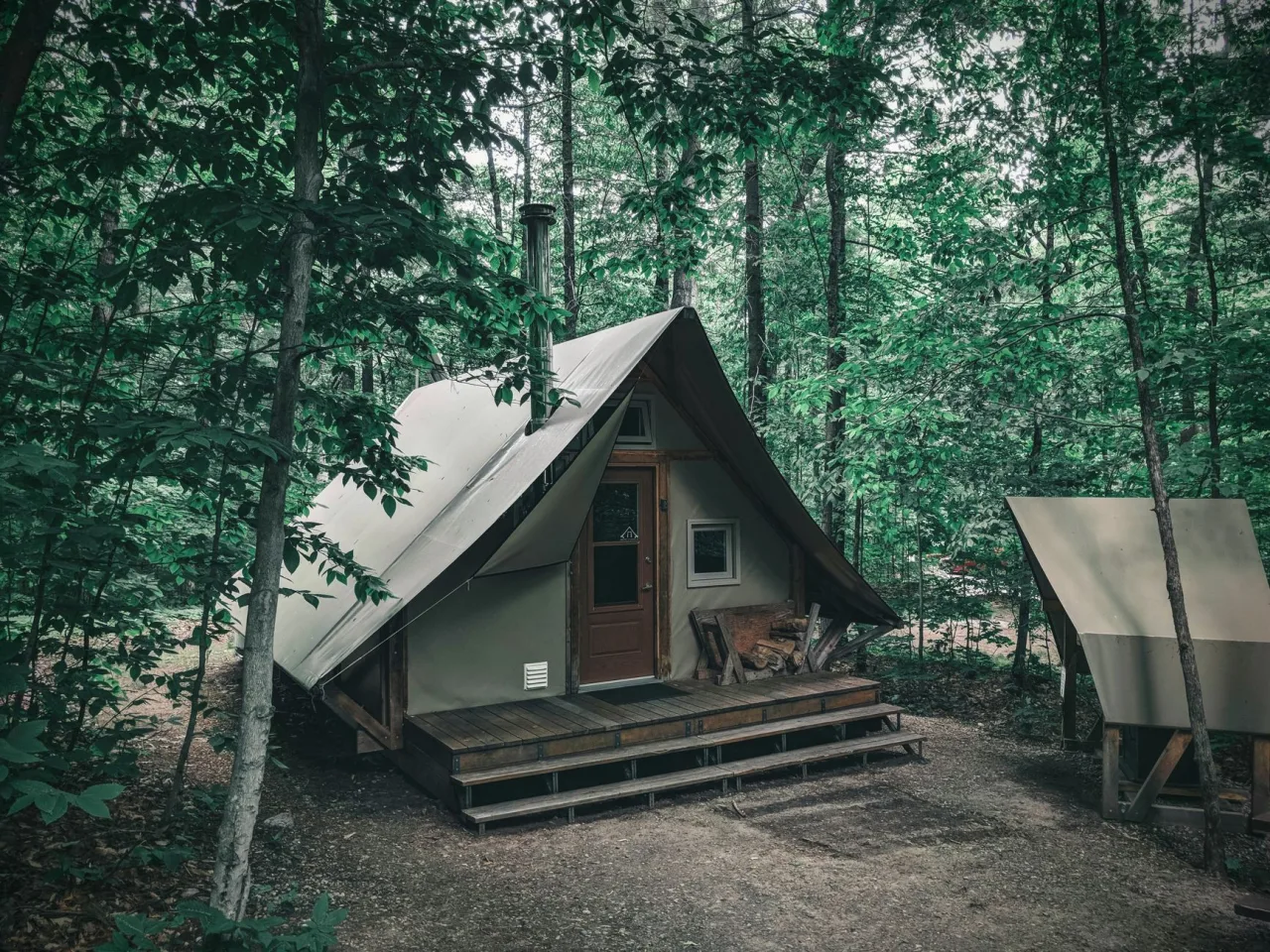
Cabin camping gives you the fresh air, campfire and dark skies of a tent trip with a solid roof, a real bed and a door that locks. This complete guide explains what cabin camping actually is, the types you will run into, what a night realistically costs, how to choose a good cabin, and what to pack so your first stay feels like an upgrade rather than a compromise.
The short version
- Cabin camping means staying in a small, simple building at a campground or park instead of pitching a tent, while keeping the outdoor setting.
- Cabins range from bare "camping cabins" with bunks and no plumbing to fully equipped units with heating, a bathroom and a kitchenette.
- Nightly rates vary widely by location, season, day of the week and how equipped the cabin is, so always confirm the total and what is included when you book.
- Cabins suit families, cold or wet seasons, and anyone who wants the outdoors without owning or pitching a tent.
What cabin camping actually is
Cabin camping is simply staying overnight in a small cabin located within a campground, holiday park or public park, rather than in a tent or RV. You still cook outside, sit by a fire and wake up in nature, but you sleep inside four solid walls under a fixed roof. In its most traditional form the cabin is a log building. According to Wikipedia's overview of the log cabin, these structures are built by stacking logs horizontally and interlocking them at the corners with notches, a technique introduced to North America by Finnish and Swedish settlers in the 17th century and later adopted widely because a weather-tight cabin could be raised in days.
Modern campground cabins keep that idea but come in many materials and comfort levels. Some are rustic timber shells barely a step up from a tent. Others are insulated, powered and plumbed, closer to a small holiday home. The label "cabin" alone tells you very little, so the real skill is reading the listing to work out which kind you are actually booking.
Why choose a cabin over a tent
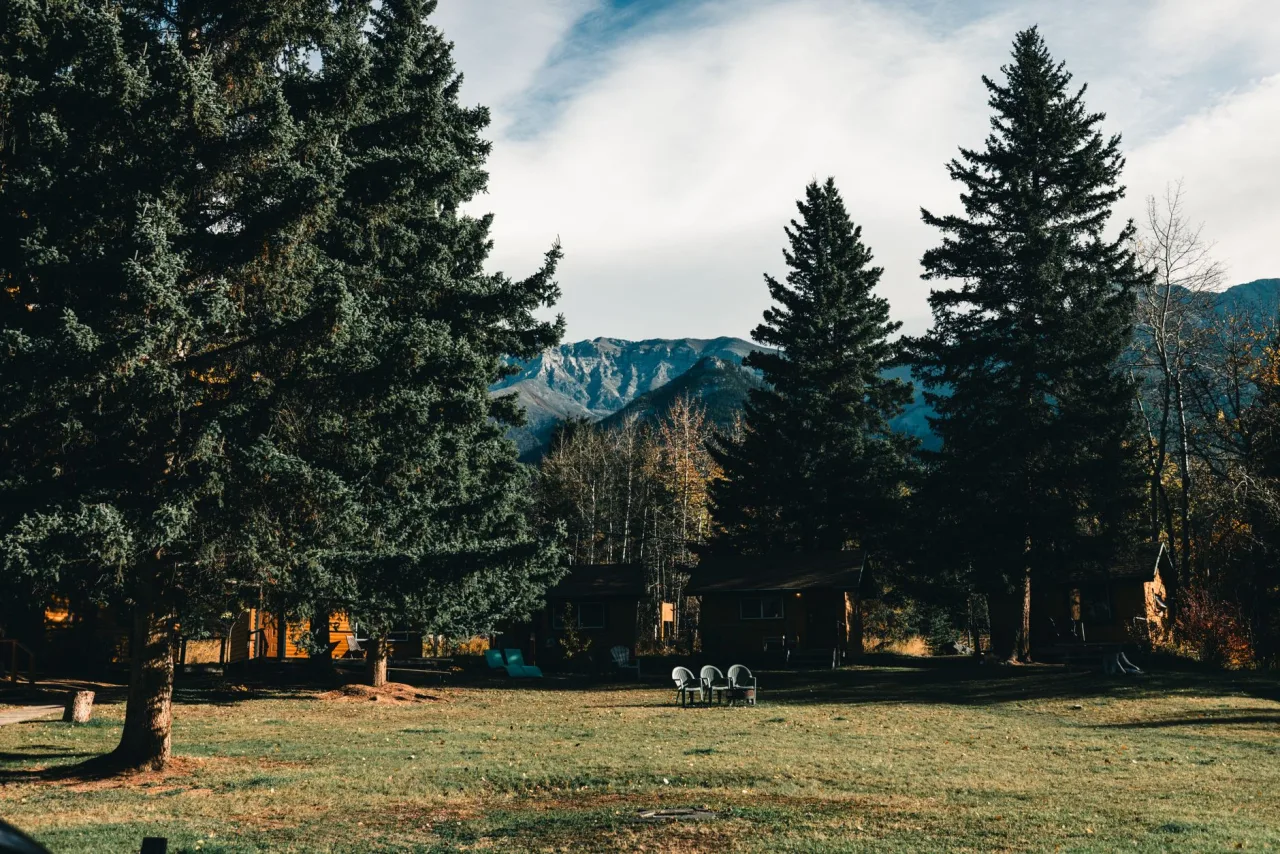
The appeal is comfort and reliability without giving up the campground experience. You get a proper roof, protection from wind and rain, and usually a real bed, but you are still on site among the trees. For anyone nervous about a first trip, or camping with young children, a cabin removes most of the things that go wrong.
- Weatherproof: A solid roof and walls shrug off rain and wind that would flatten a cheap tent.
- No pitching: The cabin is ready when you arrive, so you skip setting up in fading light.
- Year-round potential: An insulated, heated cabin stays usable in shoulder season and winter.
- Security and space: A lockable door and room to stand up make a cabin far easier with kids, gear and pets.
If you are still comparing the wider field of comfortable camping, our complete guide to glamping puts cabins alongside pods, yurts and safari tents so you can see how they differ before you commit.
Types of camping cabin
Cabins fall into rough tiers, and knowing which you are booking sets expectations correctly. Read the listing carefully and sort what you are looking at into one of these groups.
- Rustic or "camping" cabin: A simple shell with bunks or a basic bed, often just electric light and a heater, and no running water inside. You use the shared campground bathhouse and cook outside. The cheapest and most tent-like option.
- Standard cabin: Adds proper beds, a small living area, heating and sometimes a kitchenette, though the bathroom may still be a short walk away.
- Deluxe or lodge cabin: Insulated and fully serviced, with a private bathroom, a kitchen, heating or air conditioning and sometimes a deck. This is the most home-like and the most expensive tier.
The gap between the cheapest and most expensive cabin night is large, and it maps almost entirely onto this list. Decide which tier you want before you compare prices, or you will end up comparing very different products against each other.
Booking tip
Ask three questions before you pay: does the cabin have a private bathroom or a shared block, is there heating or cooling, and is any bedding or kitchen equipment provided. The answers separate a cosy weekend from a cold and inconvenient one, and they are rarely spelled out clearly in a headline listing.
What cabin camping typically costs
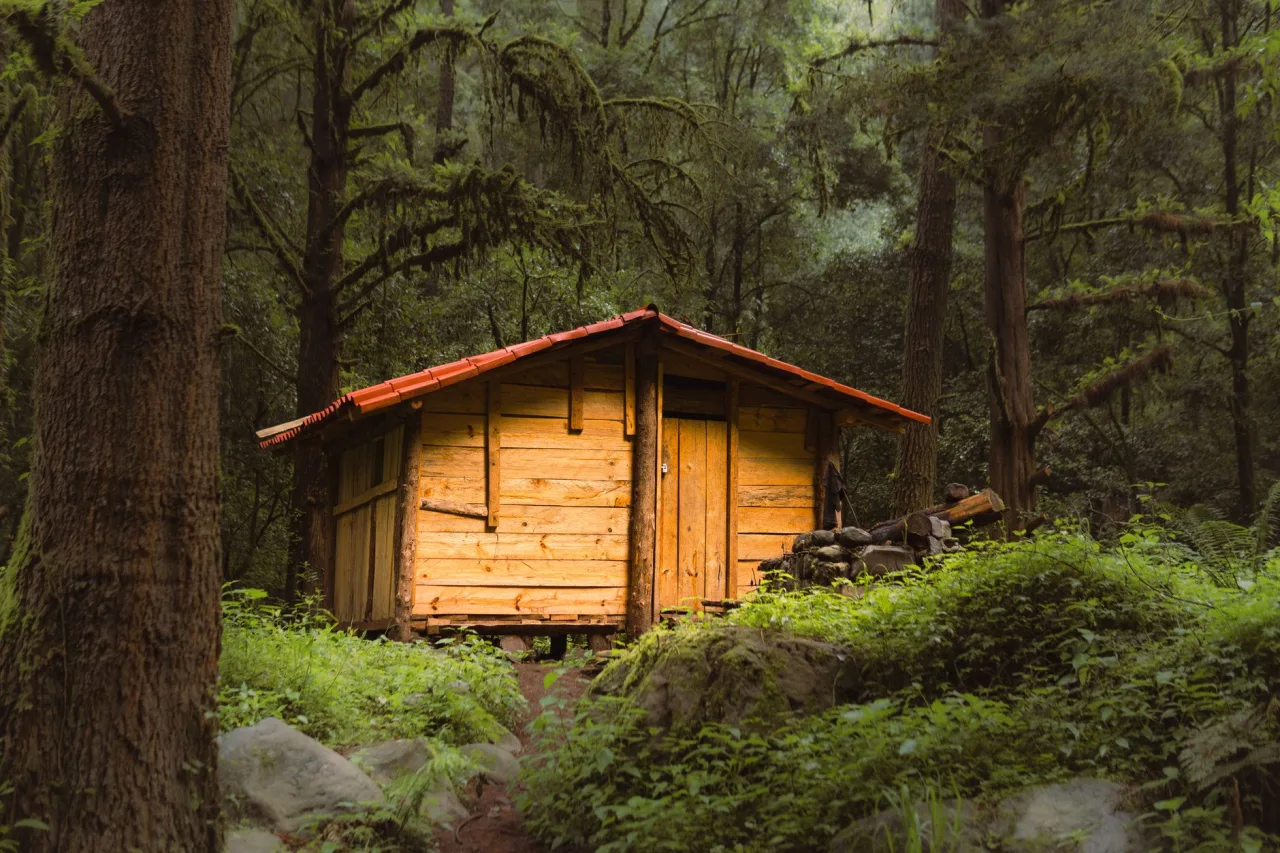
Prices swing so much that any single figure would mislead you. What drives the number is consistent, though: location, season, night of the week and how equipped the cabin is. A bare rustic cabin at a rural site midweek in the off-season sits at the bottom of the range. An insulated, en-suite lodge cabin near a popular destination on a summer weekend or holiday sits near the top, and can rival a mid-range hotel room.
Treat every quote as a range rather than a fixed rate, and confirm the total, including any cleaning fee, booking fee or refundable deposit, before you commit. Peak dates at scenic locations book out months ahead, so early planning also protects your budget. Cabins are still usually cheaper than a hotel in the same area once you factor in cooking your own meals on site.
How to choose a good cabin
Because you cannot inspect a cabin yourself before you arrive, choosing well means reading between the lines of a listing. Use a simple, repeatable checklist rather than trusting the photos alone.
- Bathroom type and distance: private en-suite, a nearby block, or a longer walk. This shapes the whole stay, especially at night and with children.
- Heating and insulation: essential outside high summer. Look for a named heat source, not a vague mention of warmth.
- Kitchen and cooking: confirm whether there is an indoor kitchenette, an outdoor grill, or nothing, so you can plan meals and gear.
- Bedding and towels: many cabins provide none, so check or plan to bring your own sleeping bags and linen.
- Recent reviews: read the newest ones for honest notes on cleanliness, noise, warmth and how the site is run.
If you decide you want the round canvas character of a yurt, or the compact hard-walled feel of a camping pod, those guides walk through the same decision for each alternative.
What to pack for a cabin trip
A well-equipped cabin covers the big items, so your packing list is shorter than for tent camping, but a few things are easy to forget.
- Sleeping bags or bedding and pillows, unless linen is confirmed as provided.
- Towels, and flip-flops for a shared shower block.
- A head torch or lantern for moving around the site after dark.
- Basic cooking kit, a cooler, and food if there is no kitchen.
- Warm layers, since a rustic cabin cools quickly once the fire dies down.
- A first-aid kit, insect repellent and any chargers or power banks you rely on.
If you plan to cook well rather than just survive on snacks, our guide to easy camping meals includes a printable checklist you can pack against.
Where to find cabins to stay in
Cabins turn up at private campgrounds, holiday parks, farms and inside many public parks. In the United States, a large number of federal and state parks list their cabins and yurts through the official booking portal Recreation.gov, which handles reservations across thousands of federal recreation sites. Elsewhere, cabins are often booked directly through the individual park or through a glamping platform. The category sits under the broader glamping umbrella: the Wikipedia entry on glamping lists cabins alongside yurts, pods and domes as core glamping accommodation.
Rather than chase a single listing, decide on your region and dates first, then compare a handful of options against the checklist above. Our directory-style guide to finding cabin camping near you walks through that comparison, and if a public park is on your shortlist, our guide to national park camping covers seasons, permits and what to expect before you narrow down a site.
Frequently asked questions
What is cabin camping?
Cabin camping means staying overnight in a small cabin within a campground or park instead of pitching a tent or parking an RV. You keep the outdoor setting, cooking outside and enjoying the campfire and surroundings, but you sleep inside solid walls under a fixed roof, usually with at least a bed and electric light.
Do camping cabins have bathrooms and kitchens?
It depends entirely on the cabin. Rustic camping cabins often have no plumbing inside, so you use a shared bathhouse and cook outdoors. Standard and deluxe cabins may include a private or shared bathroom and a kitchenette or full kitchen. Always check the listing for the exact facilities before you book.
How much does cabin camping cost?
There is no single price. Rates vary widely with location, season, day of the week and how equipped the cabin is, from a modest midweek off-season rate for a rustic cabin to something near a mid-range hotel for an en-suite lodge cabin on a peak summer weekend. Confirm the full total, including any fees or deposit, when you book.
Do I need to bring my own bedding?
Often, yes. Many camping cabins, especially rustic ones, provide only a mattress or bunk and no linen. Deluxe cabins are more likely to include bedding and towels. Check the listing, and if it is unclear, bring sleeping bags and pillows as a safeguard.
Is cabin camping good for families and beginners?
Yes. A cabin removes the stress of pitching a tent, offers a lockable door, room to stand and shelter from bad weather, which makes it well suited to families with young children and to anyone trying camping for the first time. Look for a cabin with nearby facilities and heating, and confirm the sleeping capacity before booking.
Can I go cabin camping in winter?
You can, provided the cabin is insulated and has a working heat source. A bare, uninsulated rustic cabin is really a warm-season option, while a heated, insulated cabin stays comfortable in shoulder season and winter. Confirm the heating arrangement before a cold-weather booking and pack warm layers regardless.
More guides on Glamping & Unique Stays
Have a question or a topic to suggest?
We read every message. Tell us what you would like to see next on the blog.
Get in touchYou may also like
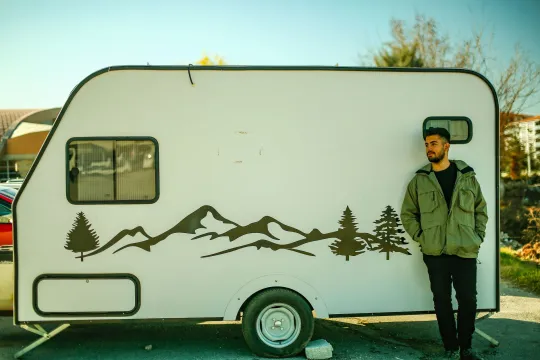
Minicaravan
A minicaravan is the small, light end of the towable caravan world: compact enough to pull with an ordinary car, simple enough to set up in minutes
Silver Lake State Park: Best Spots, Seasons
Silver Lake State Park is one of Michigan's most distinctive camping destinations, a place where over 2,000 acres of open sand dunes sit between Lake Michigan and the freshwater Silver Lake.
Camping Sites Lake District: Best Spots
The Lake District packs England's highest mountains and largest lakes into one compact national park, which makes it one of the finest and most popular places in the country to camp.