Campgrounds & Campsites · Campgrounds & Campsites
Camping Area
A camping area can mean anything from a wild patch of forest to a full-service holiday park with a pool.
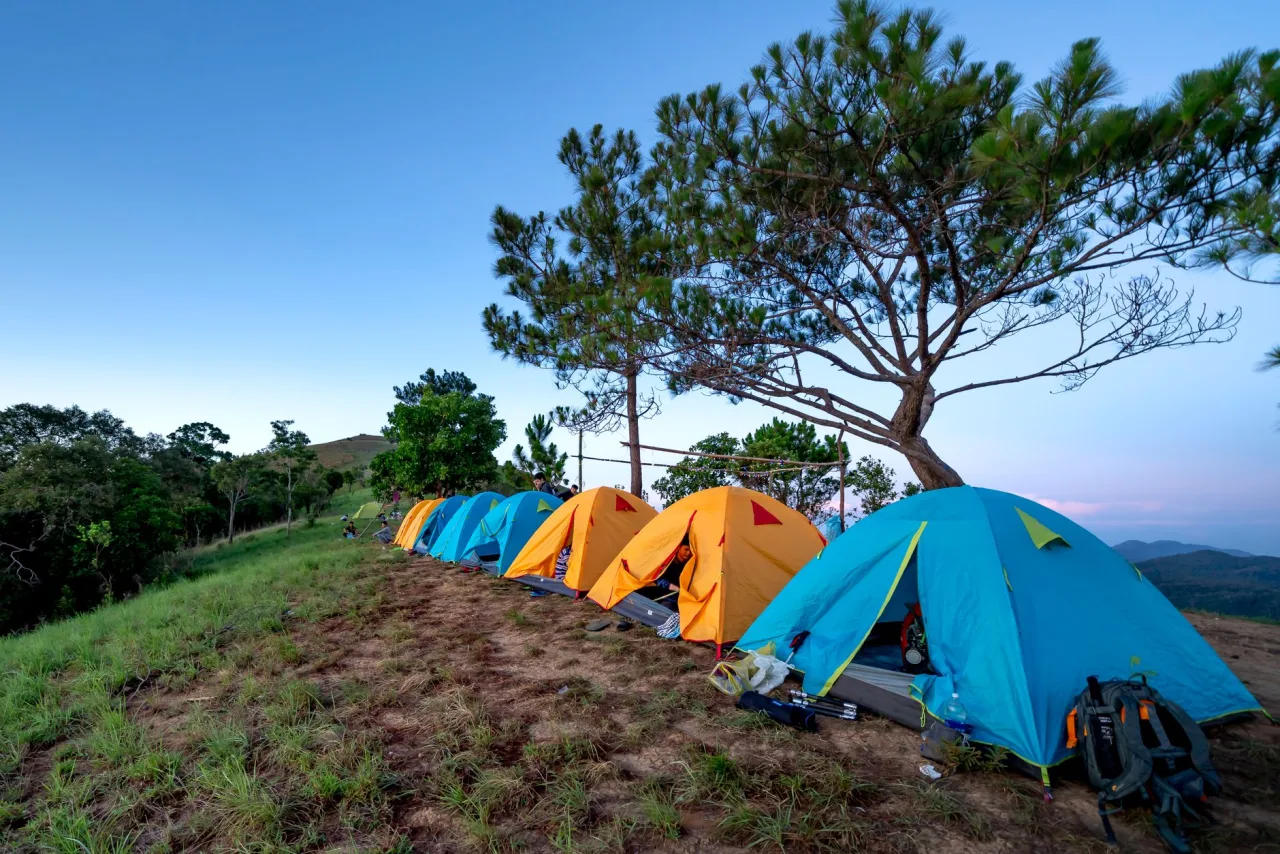
A camping area can mean anything from a wild patch of forest to a full-service holiday park with a pool. This complete guide explains the main types, what each costs, how to choose the right one, and the etiquette and gear that make a trip go smoothly. Whether it is your first night under canvas or your fiftieth, use this as the map that points you to the deeper guides on each topic.
The short version
- Camping areas range from free wild sites to serviced parks, and each suits a different kind of trip.
- Match the area to your priorities: comfort, cost, quiet, or access to activities.
- Costs vary hugely by type, season, and region, so confirm the real price when you book.
- Good preparation and Leave No Trace etiquette keep sites open and enjoyable for everyone.
What counts as a camping area
A camping area is simply a place set up or permitted for an overnight outdoor stay. In American English these developed sites are usually called campgrounds, while British English tends to say campsite. As the reference article on campsites explains, a campsite generally means the individual spot where one group pitches a tent or parks a camper, while a campground contains many such sites. The same source distinguishes developed, designated areas with amenities from impromptu backcountry spots with none.
That single distinction, developed versus undeveloped, drives most of your decisions. Developed areas give you toilets, water, and often power in exchange for a fee and a set pitch. Undeveloped or dispersed areas give you solitude and freedom in exchange for carrying and packing out everything yourself. Everything else is a variation on that theme.
The main types of camping area
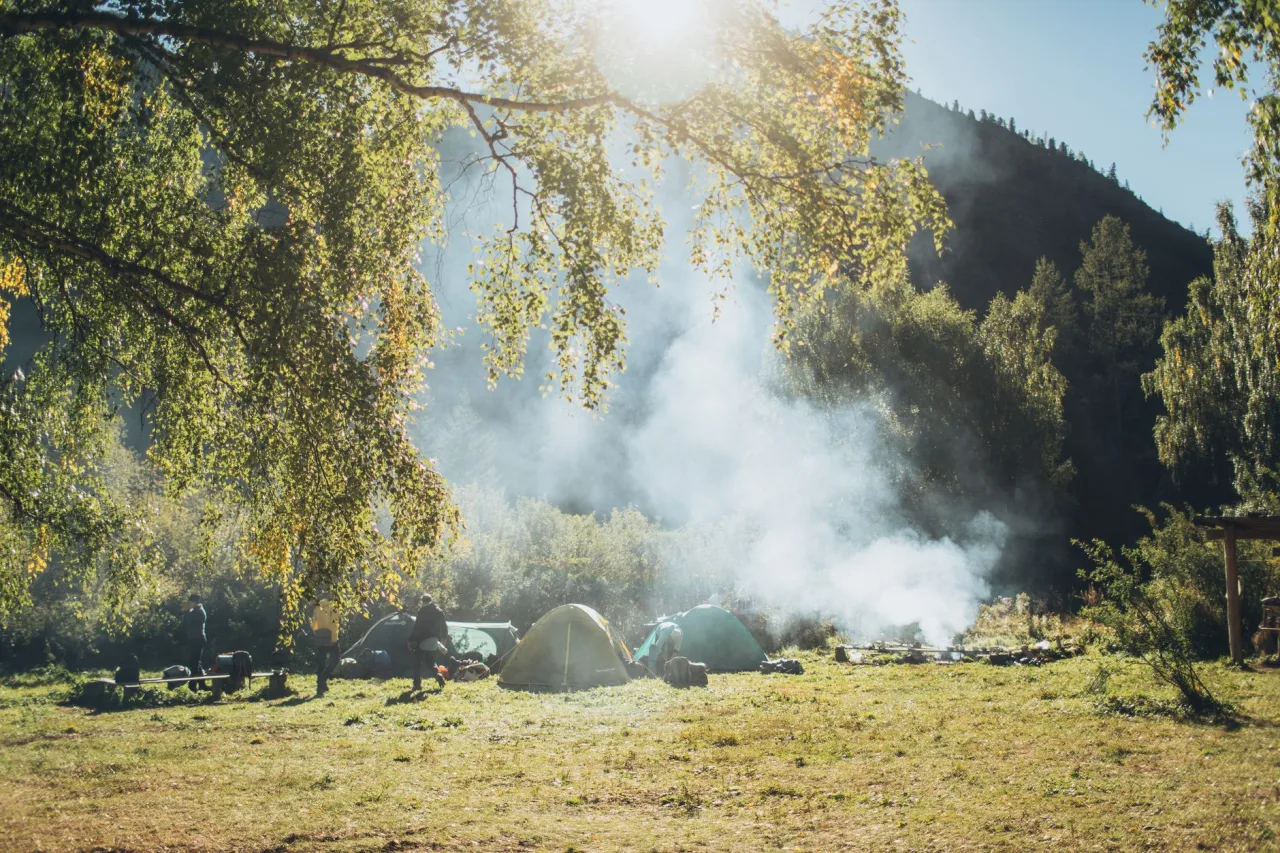
It helps to picture the options as a spectrum from wild to luxurious:
- Dispersed and wild camping: free, no facilities, on eligible public land, with strict pack-in pack-out expectations.
- Public campgrounds: national park, forest, and state sites with basic amenities and great settings.
- Private campgrounds and holiday parks: more amenities such as showers, shops, and play areas, at a higher price.
- RV parks and resorts: level pads and hookups aimed at motorhomes and trailers.
- Glamping sites: ready-pitched tents, pods, cabins, and yurts for comfort without the setup.
For deeper dives, see our guides to RV camping, glamping, and cabin camping, each of which unpacks one end of this spectrum.
How to choose the right camping area
Start with what you actually want from the trip, then let that pick the type. Ask yourself a few honest questions: how much comfort do you need, how far are you willing to drive, what activities matter, and what is your budget. A weekend of quiet stargazing points toward a rustic public site, while a family holiday with young children points toward a serviced park with facilities and things to do.
Then run candidate sites through a consistent check on access, water, shade, noise, and reviews, rather than the prettiest photo. Our best camping area near me guide lays out that vetting method in detail, and our camping near me guide covers searching by distance.
Tip: write your three non-negotiables first
Before comparing sites, list the three things you will not do without, such as a flush toilet, a level pad, or quiet after 10pm. This short list filters out most options instantly and stops a glossy photo from talking you into the wrong place. Everything else is a nice-to-have.
What camping areas typically cost
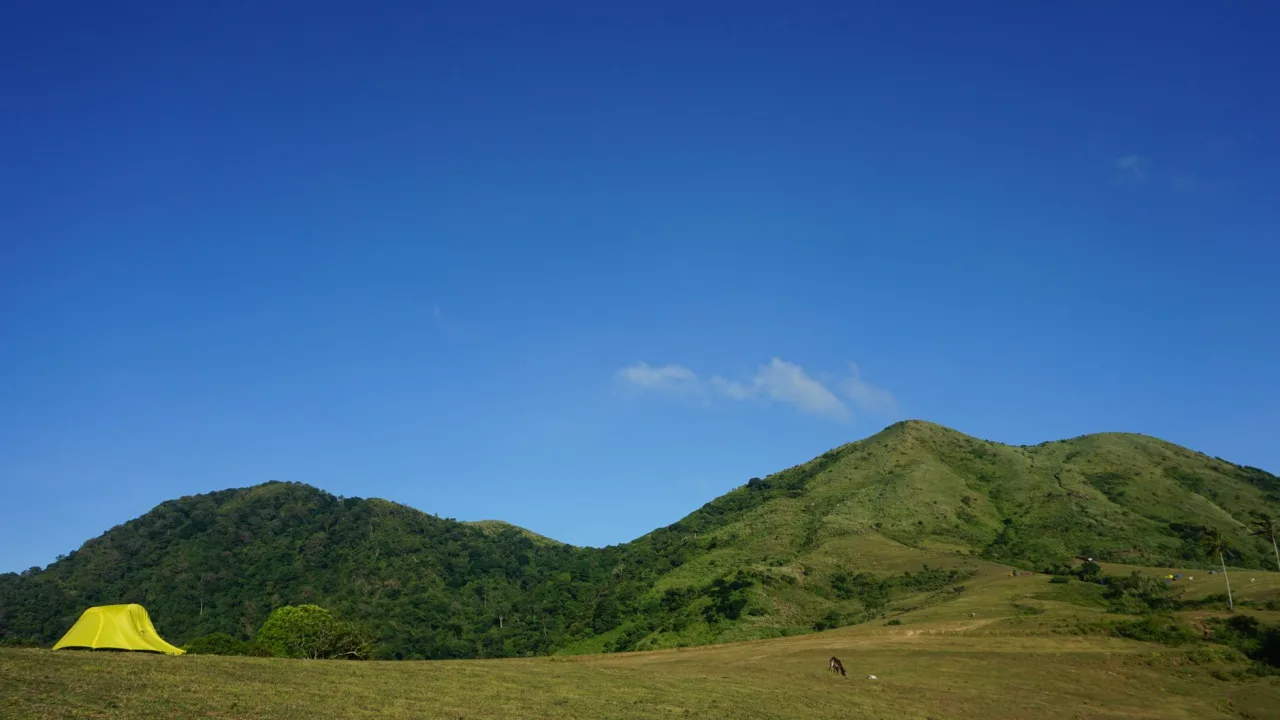
Price tracks closely with how developed a site is. As a rough 2026 guide, dispersed camping on eligible public land is often free, basic public campgrounds sit at the lower end, private parks and serviced pitches occupy the middle, and full-hookup RV resorts, glamping, and peak holiday weekends sit at the top. On top of the headline rate, watch for per-person, extra-vehicle, and pet fees, plus a small booking or reservation charge. Because rates move with season, region, and demand, treat every figure as a ballpark and confirm the exact price at the point of booking.
To spend less, travel midweek or in shoulder season, choose simpler public sites, and look one town away from the headline destination. Frequent campers can often save with an annual park pass or a membership, but check the math against how you really travel before committing.
Where to find camping areas
Use a few overlapping sources so nothing slips through. For public land in the United States, the official federal booking system at Recreation.gov covers reservations across thousands of facilities and lets you search by location, dates, and amenities. Layer on private booking platforms and directories for commercial sites, and check local park or forest authority pages for smaller seasonal spots the big apps miss. Recent map reviews then fill in real conditions like closures or noise. For public options specifically, our guides to national campgrounds and national park campgrounds go deeper.
Gear and preparation basics
You do not need everything at once, but a reliable core kit makes any camping area more comfortable. Build around shelter, sleep, and cooking:
- Shelter: a tent sized for your group with a good floor, plus a groundsheet and enough pegs.
- Sleep: a sleeping bag rated for the season and an insulated mat, which matters as much as the bag.
- Cooking: a camp stove, fuel, basic cookware, and water storage.
- Light and power: a headlamp, a lantern, and a power bank.
- Extras: a first aid kit, weather-appropriate layers, and a paper map or offline navigation.
For help choosing, see our camping tent picks, and for eating well outdoors, our camping meals guide includes a printable checklist.
Camping etiquette and Leave No Trace
Shared areas work because campers look after them and each other. Keep to quiet hours, give neighbours space, control pets, and never walk through another group's pitch. The overarching standard is Leave No Trace, and the National Park Service publishes the seven Leave No Trace principles: plan ahead and prepare, travel and camp on durable surfaces, dispose of waste properly, leave what you find, minimize campfire impacts, respect wildlife, and be considerate of other visitors. Follow them and you leave the area better than you found it, which is the whole point.
Warning: check fire rules before every trip
Fire rules change with conditions, and burn bans are common in dry seasons. A campfire that was fine last month may be illegal today. Always check the current rules for your specific area, use established fire rings only, keep water to hand, and never leave a fire unattended.
Frequently asked questions
What is a camping area?
A camping area is any place set up or permitted for an overnight outdoor stay. In American English a developed one is usually called a campground, while British English says campsite. A campsite is the individual pitch for one group, and a campground contains many campsites, ranging from wild undeveloped spots to fully serviced parks.
What are the main types of camping area?
They run along a spectrum: free dispersed or wild camping with no facilities, public campgrounds with basic amenities, private campgrounds and holiday parks with more services, RV parks and resorts with hookups, and glamping sites with ready-pitched comfort. Each suits a different balance of cost, comfort, and setting.
How much does it cost to camp?
Costs vary widely by type, season, and region. Dispersed public land is often free, basic public campgrounds are low, private and serviced sites are mid-range, and full-hookup RV resorts, glamping, and peak holidays are highest. Extra per-person, vehicle, and pet fees are common, so confirm the exact price when you book.
How do I choose the best camping area for me?
Decide what matters most: comfort, cost, quiet, or access to activities, then pick the type that fits. List your three non-negotiables, search public and private sources for candidates, and judge each on access, water, shade, noise, and consistent reviews rather than a single photo before booking.
What basic gear do I need to start camping?
Build around shelter, sleep, and cooking: a suitable tent with a groundsheet and pegs, a season-rated sleeping bag and insulated mat, a camp stove with fuel and cookware, water storage, a headlamp and power bank, plus a first aid kit, layers, and a map. Add extras as you learn what you use.
More guides on Campgrounds & Campsites
Have a question or a topic to suggest?
We read every message. Tell us what you would like to see next on the blog.
Get in touchYou may also like
Best Camping Area Near Me: Find and Compare
Searching for the "best camping area near me" usually means you want somewhere good, close, and available this weekend. There is no single best spot for everyone
National Campgrounds: Find and Compare
"National campgrounds" usually means camping on public land run by a federal agency: national parks, national forests, and land managed by other federal bodies.
Riverbend Campground: Find and Compare
"Riverbend" is one of the most common campground names in the world, so a search for it usually turns up several different places rather than one.