RV Camping · RV Parks & Resorts
RV Camping: The Complete Guide
Types, costs, hook-ups and how to choose a good site, without the hype.
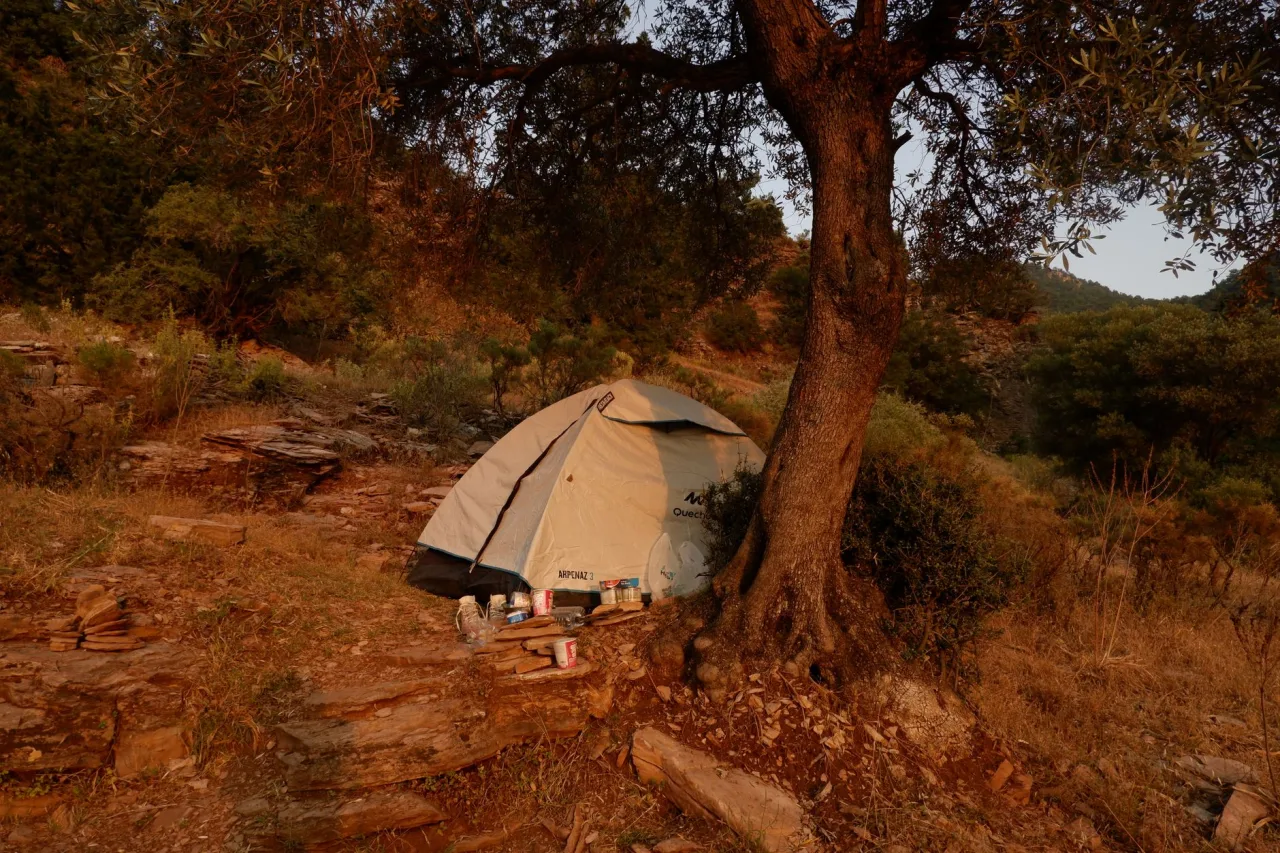
RV camping lets you carry your bed, kitchen and bathroom with you, so you can wake up beside a lake one morning and a forest the next. This guide explains the main RV types, what a trip typically costs, how to pick a good site, and the beginner mistakes worth avoiding. It is written to help you plan honestly, not to sell you a specific park.
The short version
- RVs split into two families: drivable motorhomes (Class A, B and C) and towables (travel trailers, fifth wheels, pop-ups).
- A nightly pitch usually runs from a low single-figure fee at basic public campgrounds to a much higher rate at full-service private resorts. Prices vary by season and location, so confirm when booking.
- Book ahead for popular parks in summer, and match the site to your rig length and hook-up needs.
- Start with a short, close-to-home trip to learn your setup before committing to a long tour.
What RV camping actually means
RV camping is simply camping using a recreational vehicle rather than a tent. The vehicle provides shelter, sleeping space and usually some combination of a kitchen, water tank and toilet. That changes the experience: you trade the simplicity and low cost of a tent for comfort, weather protection and the ability to travel with everything you need on board.
People are drawn to it for different reasons. Some want long road trips across national parks, others want a fixed comfortable base for a week by the coast, and many just want to camp without sleeping on the ground. If you are still deciding between a tent, a trailer or a motorhome, it helps to read a broad overview of camping in general alongside this guide before you spend anything.
The main types of RV
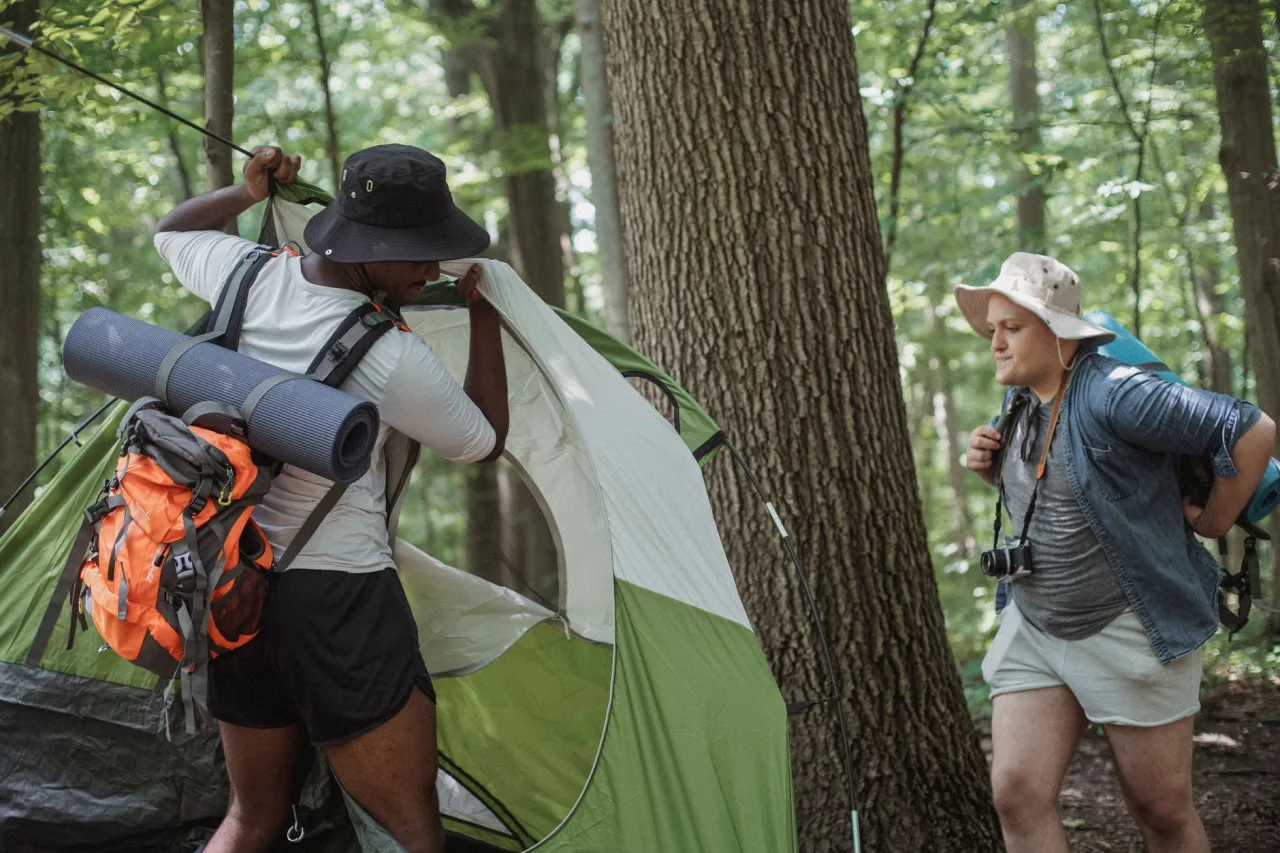
According to Wikipedia's overview of recreational vehicles, RVs divide into vehicles you drive and units you tow. Understanding the categories saves you from buying or renting the wrong thing.
- Class A motorhomes: the large bus-style units. Roomy and well equipped, but long, thirsty and harder to manoeuvre for a first-timer.
- Class B campervans: van conversions with an elevated roof. Easy to drive and park, but tight on interior space. A good entry point for couples.
- Class C motorhomes: built on a van or truck chassis with a bed section over the cab. A popular middle ground for families that balances space and drivability.
- Travel trailers: towed behind a car or truck. You unhitch on site and keep the tow vehicle free for day trips.
- Fifth wheels: larger towables that hitch into a pickup bed for extra stability and living space.
- Pop-up and folding campers: lightweight, cheaper to tow, and closer to the tent experience with a bit more comfort.
If a van conversion appeals more than a full motorhome, our guide to campervan sites covers where these smaller units are welcome and how facilities differ.
Tip: Rent before you buy. A weekend hiring the class of RV you are considering teaches you more about parking, hook-ups and living space than any brochure, and it costs a fraction of an ownership mistake.
What RV camping costs
Honest budgeting means separating three things: the vehicle, the pitch and the running costs. The vehicle is the big variable, whether you rent, finance or buy used. The pitch is the nightly fee for your spot, and running costs cover fuel, propane, dump-station fees and consumables.
Pitch fees sit on a wide spectrum. Basic public campgrounds on federal or state land tend to charge modest nightly fees, sometimes with no hook-ups at all. Private RV resorts with full hook-ups, pools and amenities charge considerably more, and prices climb in peak season and near popular attractions. Treat any figure you see as a starting point and confirm the current rate when you book, because rates change with season, demand and site type.
To keep costs realistic, factor in the things people forget: fuel for a heavy vehicle, campground reservation fees, propane refills, and the occasional paid dump station if your site lacks a sewer hook-up. For a fuller picture of how nightly rates and amenities compare, see our directory-style guide to choosing an RV park.
Understanding hook-ups and site types
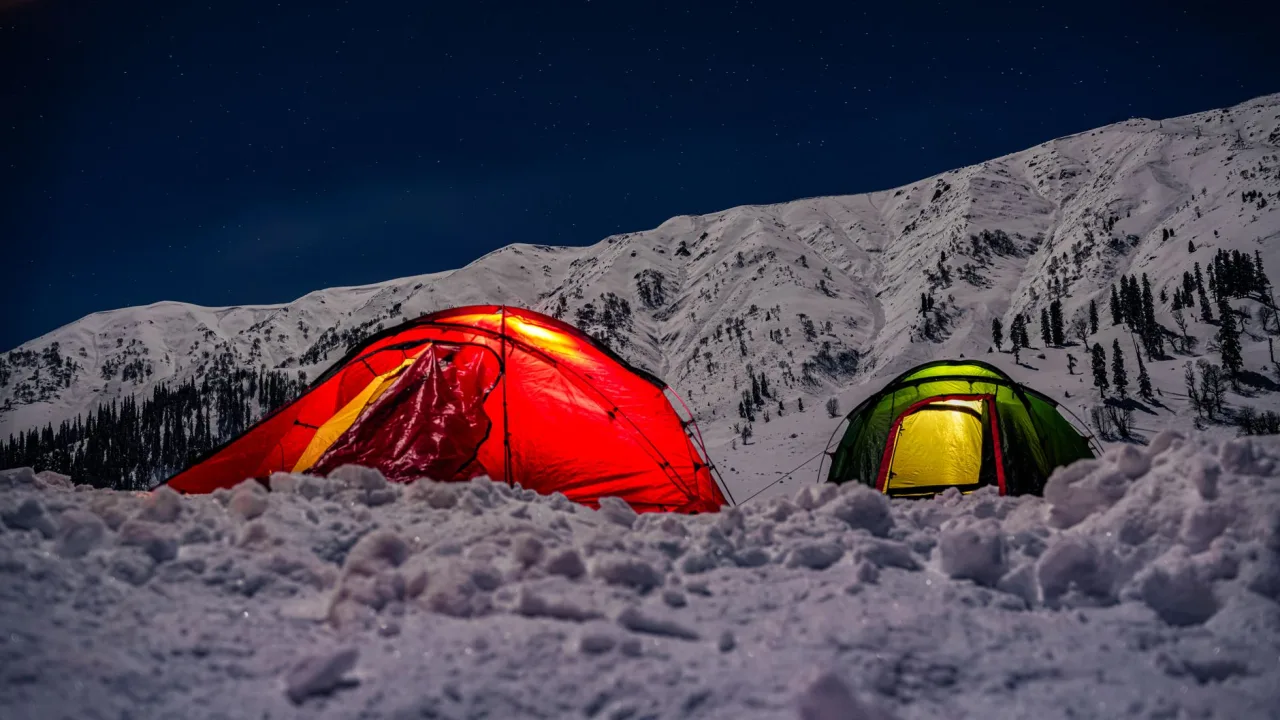
The single most important booking detail is the hook-up level, because it determines how self-sufficient you need to be.
- Full hook-up: water, electricity and sewer at the pitch. The most convenient and usually the most expensive.
- Partial hook-up: typically water and electric, with a shared dump station for waste.
- Dry camping or boondocking: no hook-ups at all. You rely on your onboard tanks and battery, which is cheaper and more remote but needs planning.
Also check the amperage of the electric supply, the pitch surface, whether it is pull-through or back-in, and the maximum rig length allowed. A beautiful park is no use if your unit does not physically fit the site.
How to choose a good RV site
Rather than chasing a single ranked list, judge each option against criteria that match your trip. This keeps you honest and avoids booking a park that photographs well but does not suit your rig.
- Fit: does the site accept your length and hook-up needs?
- Location: how close is it to what you actually came to do, whether that is a trailhead, a beach or a city?
- Facilities: laundry, showers, dump station, potable water and reliable connectivity if you need it.
- Reviews: read recent, specific reviews for notes on road access, site levelness and noise.
- Cancellation terms: understand the refund window before you pay, especially in shoulder seasons when weather is unpredictable.
Public lands are often the best value. In the United States, Recreation.gov is the official federal booking portal for campsites and RV sites across national parks, forests and other public lands. In the UK, membership bodies such as the Caravan and Motorhome Club operate large networks of sites with predictable standards. When you are ready to search by location, our guide to finding RV camping near you walks through the practical steps.
Warning: Never assume a remote site has water, waste disposal or a strong phone signal. Arrive with full fresh-water and empty waste tanks, a paper map, and enough supplies to be comfortable if the nearest town is an hour away.
Booking and timing your trip
Popular parks in peak summer, on holiday weekends, and near major attractions can fill months ahead. If your dates are fixed, book as early as the reservation window opens. If your dates are flexible, travelling midweek or in shoulder season usually means lower prices, quieter sites and easier availability.
Keep a simple pre-trip routine: confirm the reservation and site number, check the maximum length and hook-up type again, note the check-in time and gate access, and map the dump station and nearest fuel. A ten-minute check the day before prevents most arrival-day stress.
Beginner mistakes to avoid
Most first-trip problems come from a handful of predictable errors. Learn them now and your early trips will be far smoother.
- Overbuying: a huge Class A is daunting and costly for a beginner. Start smaller than you think you need.
- Ignoring weight and length: know your rig dimensions and towing limits before you book a site or a mountain road.
- Skipping the shakedown trip: a night close to home reveals what you forgot before it matters.
- Underestimating setup time: levelling, hook-ups and slide-outs take longer than you expect on day one.
- Not budgeting for the extras: fuel, propane and dump fees add up, so plan for them.
If you are weighing an RV against a towed unit, compare the trade-offs with our full caravan guide, which covers touring and static options that some travellers prefer to a motorhome.
Frequently asked questions
Is RV camping cheaper than staying in hotels?
It can be over the long run, but not always on a single trip. Once you own or rent the vehicle, nightly pitch fees are often lower than hotel rooms, especially on public land. However, fuel for a heavy vehicle, insurance, maintenance and campground fees add up, so a short trip is not automatically cheaper than a budget hotel. The savings grow the more nights you travel.
Do I need a special licence to drive an RV?
For most standard motorhomes and campervans, a regular car licence is enough, but rules depend on the vehicle weight and your country. Very large or heavy units can require an additional entitlement. Always check the licensing rules that apply where you live and where you plan to travel before you rent or buy.
What is boondocking?
Boondocking, also called dry camping, means camping without any hook-ups for water, electricity or sewer. You rely entirely on your onboard tanks, battery and supplies. It is cheaper and lets you stay in remote spots, but it requires planning your water, power and waste so you do not run out.
How far ahead should I book an RV site?
For popular parks in peak summer or on holiday weekends, book as soon as the reservation window opens, which can be months in advance. For quieter parks or off-peak dates, a few days or weeks is often enough. Travelling midweek and in shoulder season gives you the best availability and usually lower prices.
What hook-ups should a beginner look for?
A partial or full hook-up site is the easiest start because you get water and electricity at the pitch and do not have to manage everything from onboard tanks. Full hook-up adds a sewer connection for the most convenience. Save dry camping for once you are comfortable managing your water, power and waste yourself.
More guides on RV Parks & Resorts
Have a question or a topic to suggest?
We read every message. Tell us what you would like to see next on the blog.
Get in touchYou may also like
RV Camping Near Me: How to Find a Site
A repeatable method for finding, comparing and choosing a good RV site near you, instead of trusting a single ranked list.

RV Park: Find and Compare Spots
How to find, compare and choose an RV park that fits your rig and your trip, whether you are stopping for one night or settling in for a season.
RV Resorts: The Complete Guide
What RV resorts actually are, how they differ from standard parks, what the amenities and premium cost, and how to tell a genuine resort from a marketing label.