Glamping Guide · Glamping & Unique Stays
Glamping: The Complete Guide
Yurts, pods, cabins and safari tents: types, costs and how to choose.
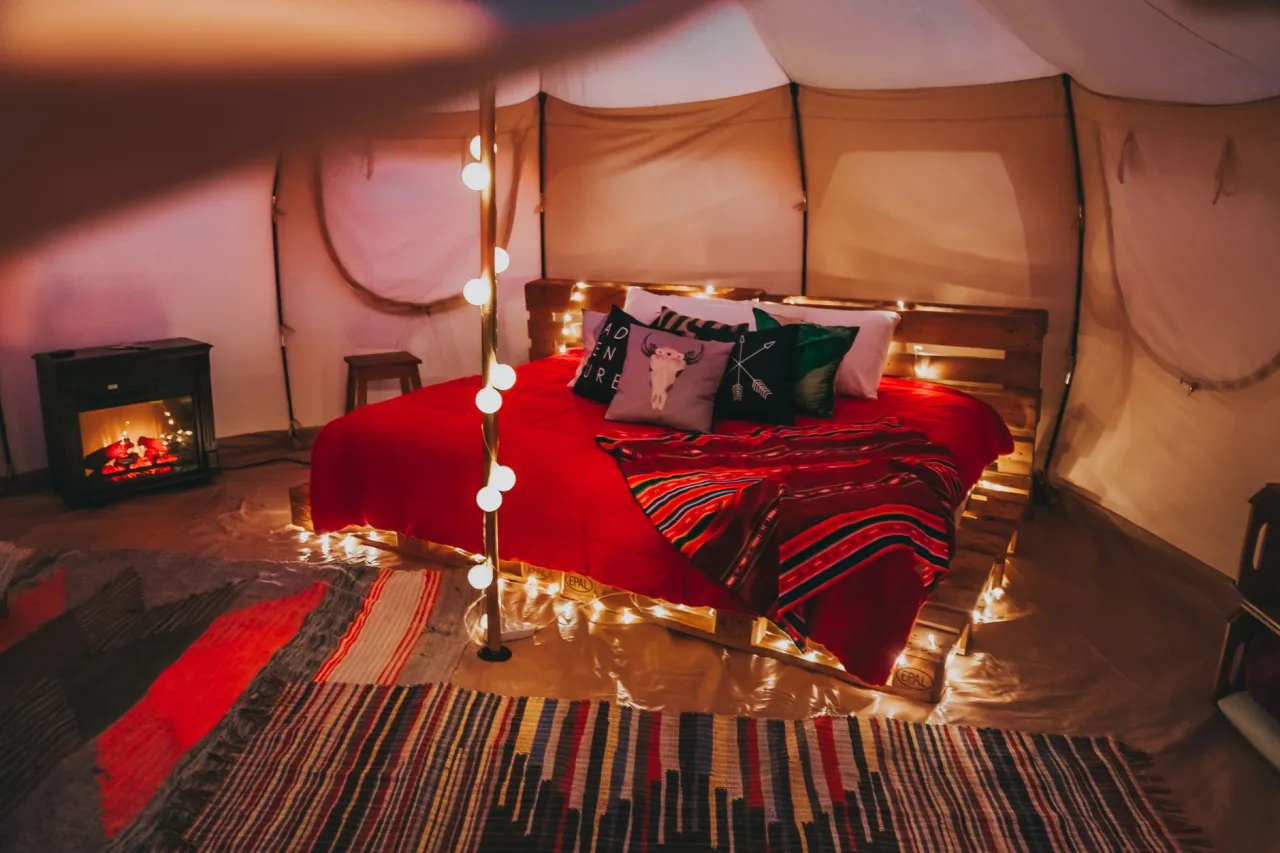
Glamping lets you enjoy the outdoors without the cold ground, the wet canvas or the fiddly setup. It blends the escape of camping with the comfort of a proper bed and, often, electricity and a bathroom. This guide explains what glamping is, the main accommodation types, roughly what it costs, and how to choose a stay that lives up to the photos.
The short version
- Glamping is glamorous camping: outdoor stays with real beds and comforts, from yurts and safari tents to cabins, pods and treehouses.
- The term is a blend of "glamorous" and "camping" and entered wide use in the mid-2000s.
- Prices sit well above a bare pitch and vary hugely by property, season and how much luxury is included, so confirm what is provided before booking.
- Choose by checking exactly which comforts are included: heating, private bathroom, power and how remote the site is.
What glamping actually is
Glamping is camping with the discomfort engineered out. Instead of pitching your own tent and sleeping on a mat, you book a ready-made structure with a real bed and usually some mix of heating, lighting, power and a bathroom. As Wikipedia's article on glamping notes, the word is a portmanteau of "glamorous" and "camping" that emerged in the United Kingdom in the mid-2000s and was later added to the dictionary, though luxurious tented stays go back centuries.
The appeal is simple: you get the outdoors, the fresh air and the setting, without the parts of camping that put people off. It suits those who love the idea of nature but not sleeping on the ground, as well as anyone wanting a distinctive short break. If you are comparing it against traditional camping, our complete guide to camping lays out the trade-offs in cost and comfort.
The main types of glamping accommodation
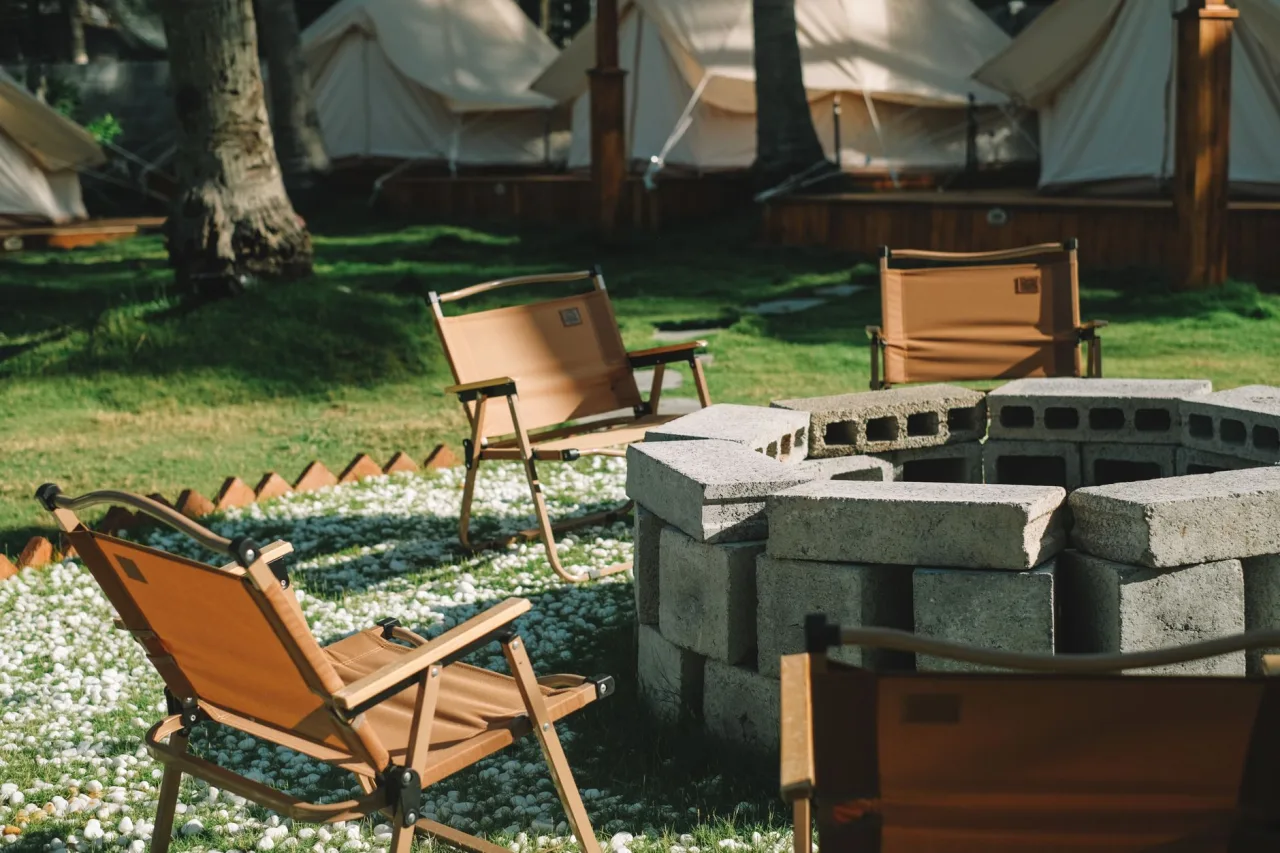
Glamping covers a wide spread of structures, and the type shapes both the experience and the price.
- Safari and bell tents: spacious canvas tents with proper beds and furnishings, keeping a tent feel with far more comfort.
- Yurts: round, sturdy structures with a traditional feel, often heated and well insulated.
- Camping pods: small solid cabins, quick to heat, popular for couples and short breaks.
- Cabins and lodges: the most house-like option, frequently with a private bathroom and kitchen.
- Treehouses: elevated structures that lean into the novelty and the view, usually at the premium end.
- Shepherd's huts and unusual conversions: compact, characterful stays that trade space for charm.
If you want something solid and warm year-round, a cabin or a pod behaves much like a small holiday home, and our overview of bungalow-style stays is a useful comparison for that level of comfort.
What glamping costs
Glamping sits well above the price of a bare pitch and below a full hotel in many cases, but the range is wide. A simple pod or bell tent is far cheaper than a fully equipped treehouse or a luxury lodge with a hot tub. Prices also rise sharply in peak season, at weekends and around holidays, and popular unique properties book up early.
Because the label covers everything from a basic tent to a near-hotel cabin, any single price figure is misleading. Instead, price the specific property for your exact dates and party size, then check what the price actually includes. The value depends far more on what is provided than on the nightly headline rate.
Tip: Two glamping stays at similar prices can be very different. One might be an unheated bell tent with a shared shower block, the other a heated cabin with a private bathroom. Always compare the included comforts, not just the nightly rate.
How to choose a glamping stay
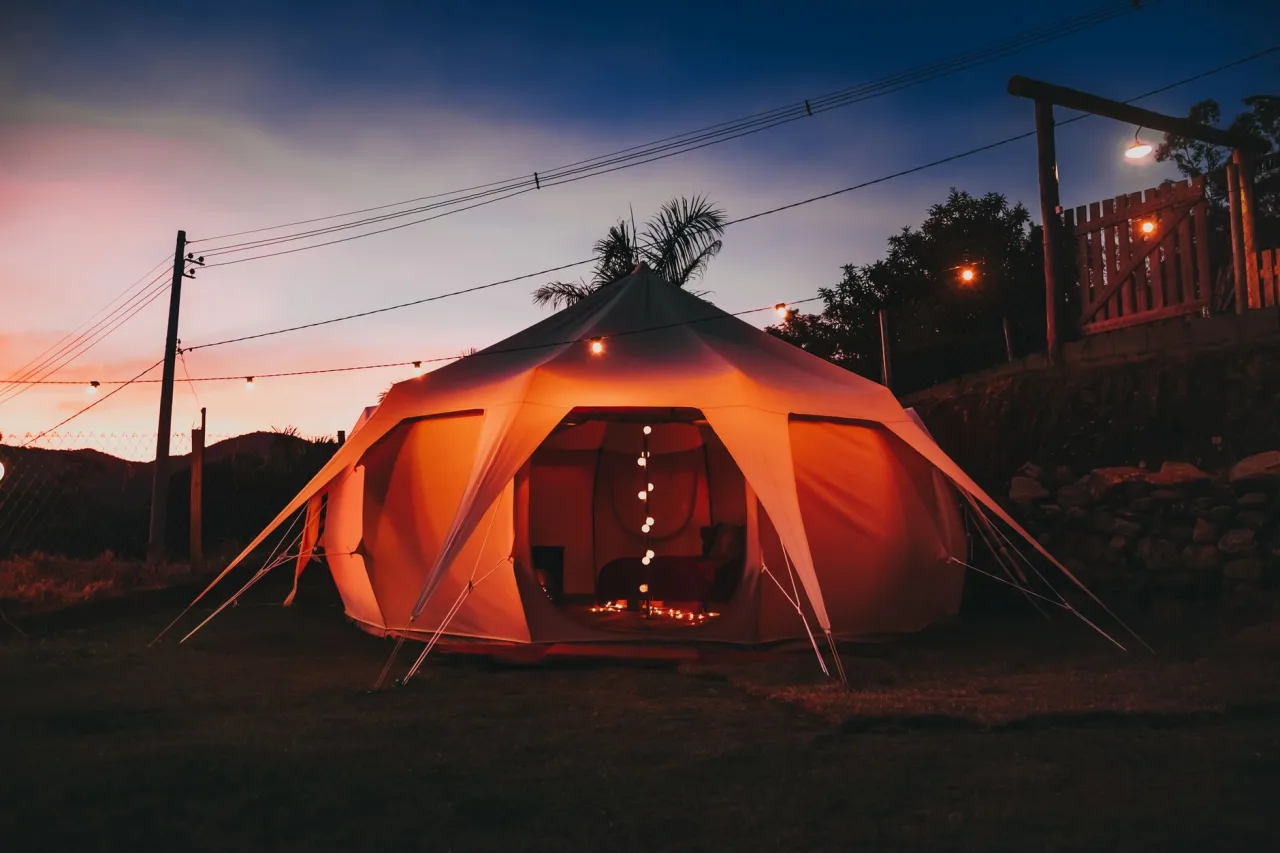
The single biggest cause of disappointment is a mismatch between what you imagined and what is actually provided. Avoid it by checking a short list of specifics before booking.
- Bathroom: is it private and en suite, a short walk to a shared block, or basic facilities only?
- Heating and power: confirm heating for cooler nights and whether there is electricity to charge devices.
- Cooking: check whether there is a kitchen, a stove, a fire pit, or nothing, and whether meals are available nearby.
- Remoteness and access: understand how far it is from parking, shops and help, especially with children or in poor weather.
- What you must bring: some sites provide bedding and towels, others expect you to bring your own.
Read recent reviews for the honest detail that listings gloss over, such as noise, cleanliness and whether the photos match reality. To find suitable properties, marketplace platforms such as Hipcamp list glamping alongside tent and RV options where they operate, and membership bodies like the Caravan and Motorhome Club also feature glamping stays.
Glamping versus a package holiday park
Glamping and a ready-set-up holiday park overlap, but they are not the same. Glamping usually means a distinctive individual structure on a smaller or more scenic site, while operators such as Eurocamp package standardised mobile homes on larger family parks with pools and activities. Glamping tends to win on character and setting; a holiday park tends to win on facilities and predictability. Choose based on whether you want a unique escape or a full-featured family base.
Warning: Photos are marketing. A treehouse can look idyllic and still be a cold walk from the nearest toilet in the rain. Read the practical details and recent reviews carefully, especially for remote or highly styled properties, so the reality matches your expectations.
When glamping is worth it
Glamping earns its premium when the setting or the structure is the point of the trip, when you want the outdoors without the gear and setup, or when you are easing hesitant companions into camping. It is less worth it if you simply want the cheapest night outdoors, in which case a tent on a good pitch costs far less. If you already enjoy traditional camping and just want more comfort, upgrading your kit, starting with a good tent, can bridge the gap for a fraction of repeated glamping costs.
Frequently asked questions
What is the difference between glamping and camping?
Camping usually means bringing and pitching your own tent and sleeping on a mat on the ground. Glamping means staying in a ready-made structure with a real bed and comforts such as heating, lighting and often a bathroom. Glamping removes the setup and the discomfort of the ground, but it costs considerably more than a bare pitch.
How much does glamping cost?
It varies widely because glamping covers everything from a simple bell tent to a luxury cabin with a hot tub. Prices sit well above a bare pitch and rise in peak season, at weekends and around holidays. There is no single meaningful figure, so price the specific property for your dates and check exactly what is included before booking.
Do glamping sites have bathrooms?
It depends entirely on the property. Some cabins and lodges have a private en suite, some sites offer a short walk to a shared shower block, and the most basic stays provide only simple facilities. Because this varies so much, always confirm the bathroom arrangement before booking rather than assuming it is private.
What should I bring for a glamping trip?
It depends on the site. Some provide bedding, towels and cooking equipment, while others expect you to bring your own. Before you travel, check what is supplied, then pack for the weather, bring layers for cool nights, and take a torch and any toiletries. Confirming what is included avoids arriving without essentials.
Is glamping suitable for families with young children?
It can be, and it often works well as a gentle introduction to the outdoors. Look for stays with a private or nearby bathroom, reliable heating, easy access from parking, and enough space for cots or extra beds. Check reviews from other families and confirm the practical details so the site genuinely suits young children.
More guides on Glamping & Unique Stays
Have a question or a topic to suggest?
We read every message. Tell us what you would like to see next on the blog.
Get in touchYou may also like
Camping: The Complete Guide
From types of camping and essential gear to planning a first trip, costs and safety, this complete guide helps you start with confidence.
Bungalows: The Complete Guide
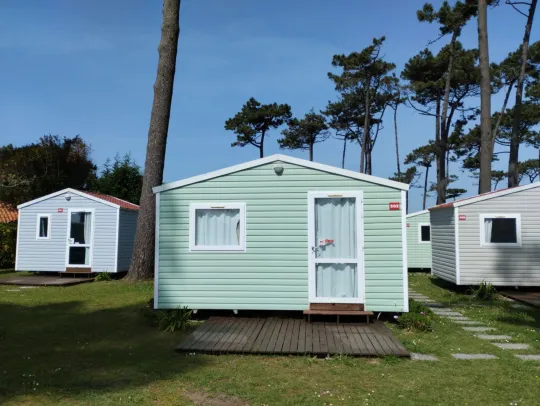
Bungalow means a single-storey house to a home buyer and a comfortable campsite cabin to a camper. This guide covers both, focused on the camping bungalow that lets you enjoy the outdoors without a tent.
Eurocamp: Review, Prices & Alternatives
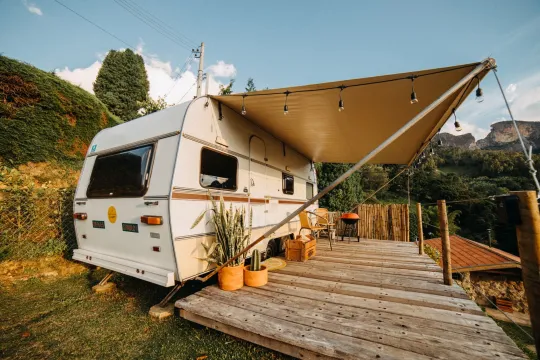
What Eurocamp is, who it suits, how pricing and cancellation work, and the alternatives worth comparing before you book.