Compare Campgrounds
Campgrounds: Find and Compare Spots
Public sites versus private parks, the comparison checklist and how to choose the right pitch within a good campground.
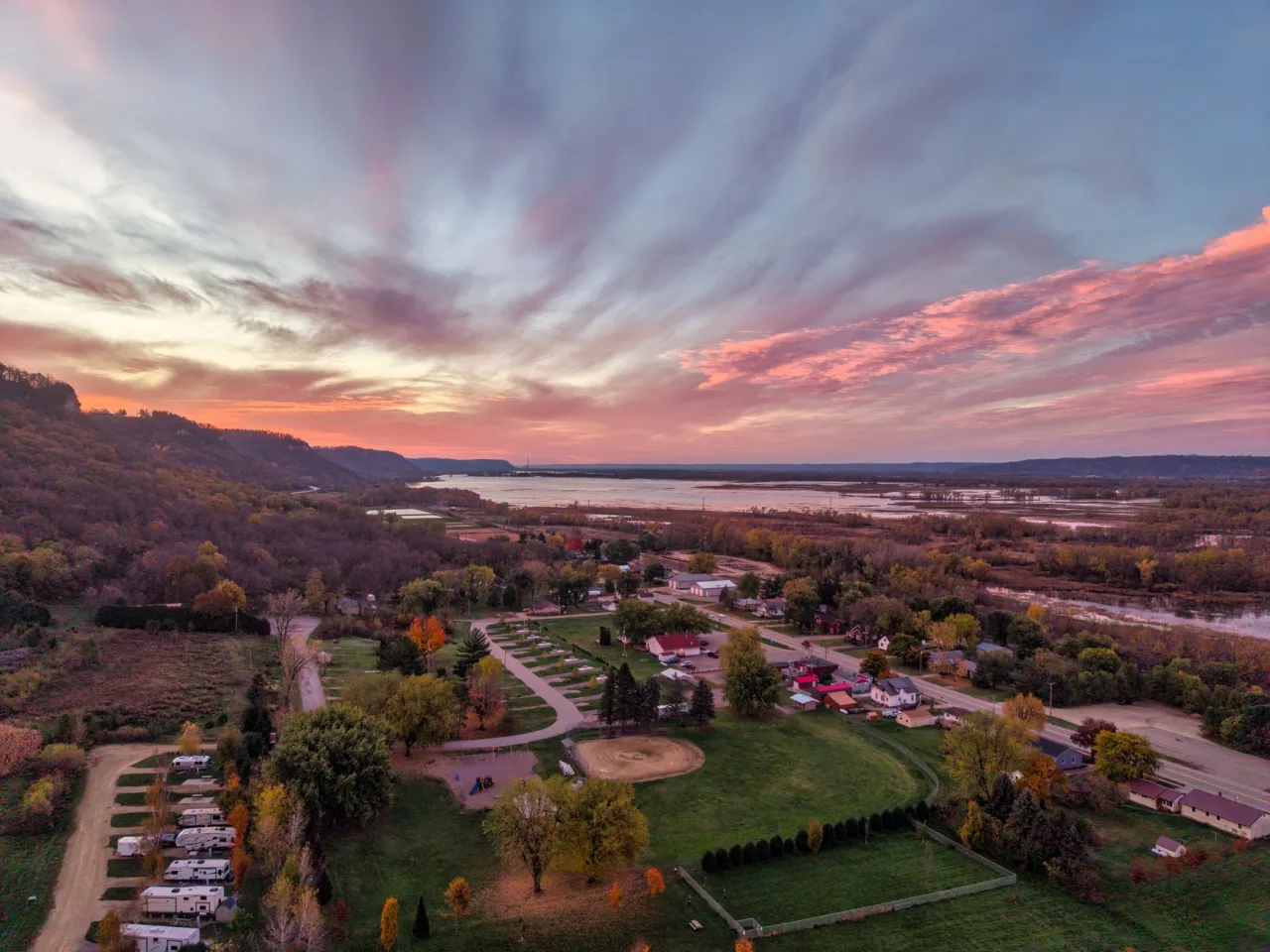
A campground can be a wild forest clearing or a resort with a pool and a shop, and the word covers everything in between. This guide skips the fake "top ten" lists and instead shows you how to tell campgrounds apart, compare them fairly and pick the one that fits your trip, whether you are in a tent, a trailer or a hire cabin.
The short version
- Campgrounds split broadly into public-land sites and private parks, each with different strengths.
- Judge a campground on setting, facilities, site layout and recent reviews, not just the nightly rate.
- Within a good campground, the individual pitch you choose matters as much as the campground itself.
- Fees vary by season, region and development level, so always confirm the full total before booking.
The main types of campground
Understanding the categories saves a lot of confusion, because a "campground" at a national park and a "campground" at a commercial holiday park are very different experiences. Broadly, you will meet these types:
- National and state park campgrounds: natural settings, often simpler facilities, run by public agencies with clear rules on fires, wildlife and quiet hours.
- Forest and public-land sites: the most rustic end, sometimes with only pit toilets and no hook-ups, prized for space and quiet.
- Private campgrounds and holiday parks: more amenities such as showers, laundry, shops, pools and hook-ups, at a higher price.
- RV-focused parks: hardstanding bays with electric, water and sewer connections, better suited to motorhomes and trailers than to tents.
None is objectively best. A backpacker may love the sparse forest site that a family with young children would find hard work, and vice versa. Decide what you value most before you compare, and if you are still weighing the whole idea of a trip, our complete guide to camping lays out the options.
Where to find and check campgrounds
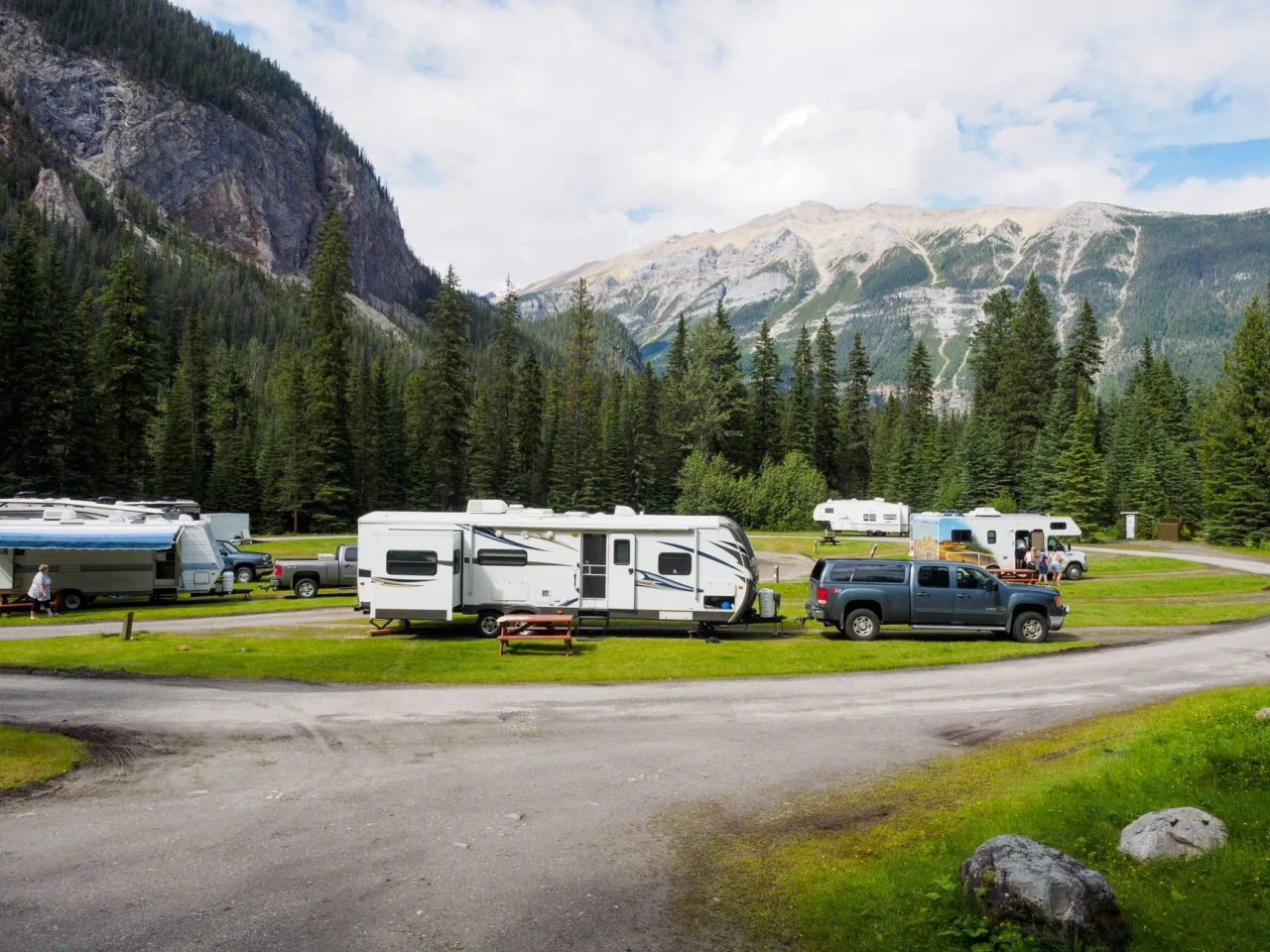
Build your shortlist from sources that show real availability and honest feedback rather than a single opinion piece. A reliable mix includes official booking platforms, park websites and maps:
- Official reservation sites: in the United States, Recreation.gov lists thousands of federal campgrounds and bookable individual sites.
- Park service pages: the National Park Service camping section details seasons, rules and facilities park by park.
- Private-park directories: handy for commercial campgrounds and holiday parks, though you should always weight recent reviews heavily.
- Map searches: reveal nearby campgrounds a directory missed and show real distances to towns, water and trails.
Cross-referencing two or three sources gives you the truest picture, since availability and conditions differ between platforms and change quickly in peak season.
How to compare campgrounds fairly
With four or five candidates in hand, score them against the same checklist so you are comparing like with like. The factors that reliably matter are:
- Setting: woodland, open field, lakeside, coastal or mountain, and how much shade and privacy the pitches offer.
- Facilities: toilets, hot showers, drinking water, waste and grey-water disposal, and hook-ups where relevant.
- Layout and spacing: whether pitches are marked and generous or packed tightly with little separation.
- Access: road surface, suitability for larger vehicles, and the distance from parking to your pitch.
- Recent reviews: read the latest few months for cleanliness, noise and how the site is currently run.
Tip: Put your shortlisted campgrounds in a simple table with columns for price, facilities, setting and distance. Comparing them side by side turns a vague feeling into a clear decision and stops you re-reading the same listings.
Choosing the right pitch within a campground
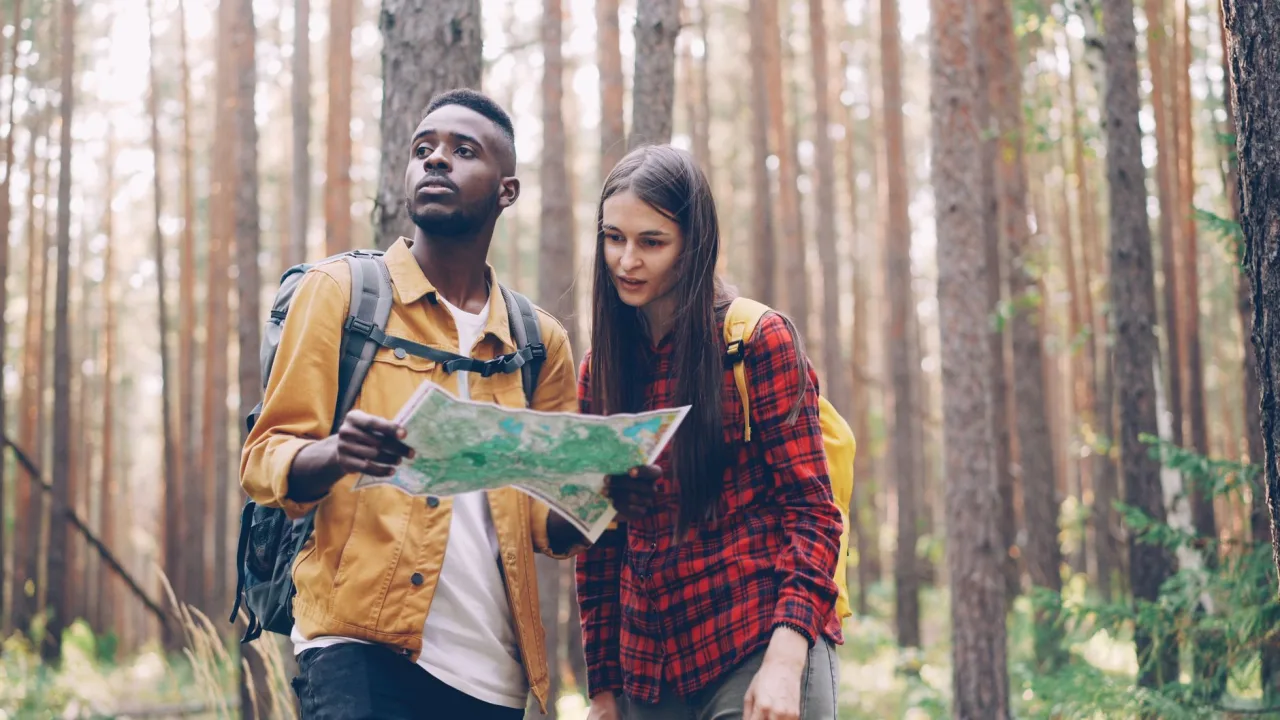
Two campers at the same campground can have very different nights depending on which site they booked. Once you have chosen the campground, put similar care into the individual pitch. Look for these details on the site map or in photos:
- Distance from busy areas: pitches near toilets, roads or play areas are convenient but noisier.
- Ground and level: flat, well-draining ground beats a slope or a hollow that floods after rain.
- Shade and shelter: tree cover helps in heat, but consider falling branches and morning sun for drying gear.
- Privacy: corner or edge pitches often feel more spacious than those hemmed in on all sides.
Tent campers in particular should check whether a pitch is walk-in or drive-up, since carrying gear a long way shapes what you bring. For a deeper look at pitch selection for canvas, see our guide to comparing camping sites.
What campgrounds typically cost
Nightly fees depend on how developed the campground is, the region and the time of year, so treat any number as a range. As a general pattern in many areas, primitive public-land pitches sit at the low end, developed public campgrounds with showers sit a step up, private campgrounds and holiday parks with more amenities cost more, and full-service RV bays with hook-ups sit at the top. Peak summer weekends and holidays raise every tier, while midweek shoulder-season nights offer the best value.
Read the fine print for extras such as additional-vehicle fees, charges per extra tent, pet surcharges, firewood and booking fees, then confirm the full total at checkout. If you are camping by motorhome or trailer, compare dedicated RV campgrounds separately, as their pricing and hook-up options differ from tent-focused sites.
Booking and arriving without stress
Good campgrounds near popular parks and cities book up early, and the best pitches go first, so reserve ahead for peak dates and read the cancellation policy. Save the address, arrival window, gate code and site number offline, because phone signal is often weak on arrival. Aim to reach the campground with daylight to spare, which makes pitching, levelling and finding your site far easier and keeps noise down for neighbours.
Check current conditions before you leave, too. Fire bans, seasonal closures and weather can all change a campground's status at short notice, and the official park or campground page carries the latest notices. Following the posted rules on fires, waste and quiet hours keeps these places open and welcoming, a point the general overview of camping reinforces across every style of stay.
Frequently asked questions
What counts as a campground?
A campground is any managed area set aside for overnight outdoor stays, with defined pitches or sites. It ranges from primitive forest clearings with pit toilets to developed private parks with showers, shops and hook-ups. The word covers tent camping, RV camping and hire cabins, so always check what a specific campground actually offers.
How do I compare campgrounds properly?
Shortlist four or five, then score them on the same criteria: setting, facilities, site layout and spacing, access, and recent reviews. Reading only the latest reviews matters because cleanliness, noise and management change over time. A simple side-by-side table makes the differences obvious.
Are public or private campgrounds better?
Neither is universally better. Public-land campgrounds tend to offer more natural settings and lower prices with simpler facilities, while private parks provide more amenities such as showers, pools and hook-ups at a higher cost. The right choice depends on whether you value quiet and scenery or comfort and convenience.
How much do campgrounds cost per night?
It varies widely by development level, region and season. Primitive public sites are cheapest, developed public campgrounds a little more, and private parks and full-service RV bays the most. Peak weekends and holidays raise prices, so confirm the full total, including any extra fees, before booking.
Do I need to book a campground in advance?
For popular campgrounds and peak dates, yes, because they fill early and the best pitches go first. Some public sites keep first-come pitches, but these can be gone by early afternoon on busy weekends. Booking ahead and keeping a backup campground bookmarked is the reliable approach.
More guides on Campgrounds & Campsites
Have a question or a topic to suggest?
We read every message. Tell us what you would like to see next on the blog.
Get in touchYou may also like
Camping Near Me: Find and Compare Spots
A practical method for finding, comparing and choosing a genuinely good campsite close to you, using the tools and questions experienced campers rely on.
Camping: The Complete Guide
From types of camping and essential gear to planning a first trip, costs and safety, this complete guide helps you start with confidence.
RV Campgrounds: Find and Compare
How to find, compare and choose an RV campground that matches your vehicle, your power needs and the kind of trip you want.