Campgrounds & Campsites
National Park Campgrounds: Find and Compare
Camping inside a national park puts you at the trailhead when the crowds are still asleep and under some of the darkest skies you will ever see.
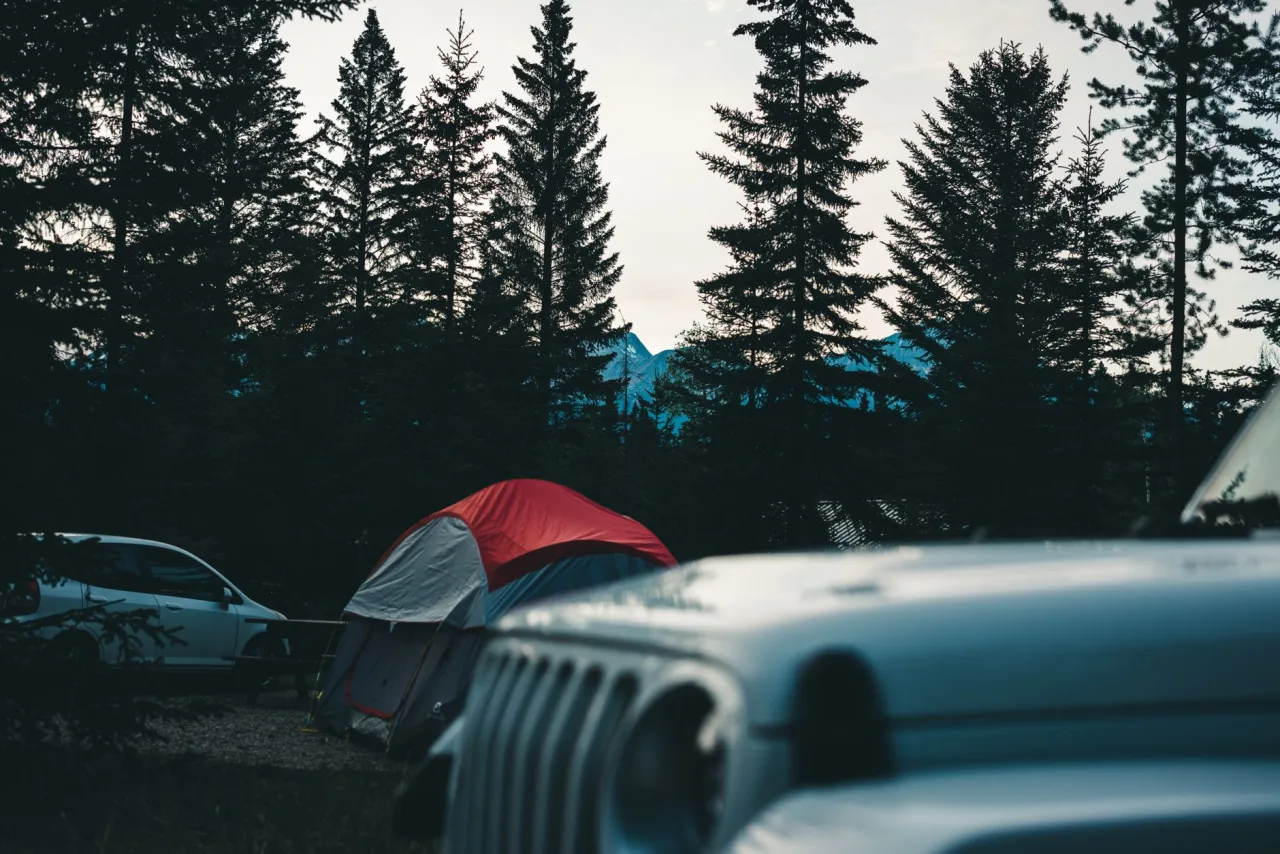
Camping inside a national park puts you at the trailhead when the crowds are still asleep and under some of the darkest skies you will ever see. It is also the hardest kind of campground to book, because demand far outstrips supply at the famous parks. This guide explains how national park campgrounds work, how to actually get a spot, what to expect on arrival, and how to compare parks honestly rather than chasing a fake top-ten list.
The short version
- National park campgrounds are in high demand, so booking strategy matters as much as your choice of park.
- Most reservable sites go through one national portal, released on a rolling window months ahead.
- Expect simple amenities, strict rules, food storage requirements, and often no cell signal.
- Confirm fees, closures, and reservation windows on the official park listing before you plan.
What national park campgrounds are like
Campgrounds inside national parks are run to protect the landscape first and accommodate visitors second, which shapes everything about them. Sites are usually developed but modest: a defined pitch, a picnic table, a fire ring, and shared toilets that range from flush blocks near the entrance to vault toilets deeper in. Full RV hookups are uncommon inside parks, so many RV campers use their own tanks and run a generator only within posted hours. The trade for these simple amenities is location, and the location is the whole point.
The National Park Service notes that many park campgrounds require reservations made through the federal booking portal and directs visitors to individual park websites for specifics. That habit, checking the official park page for your exact dates, saves a lot of trouble because rules and openings vary widely from park to park and season to season.
How the reservation system works
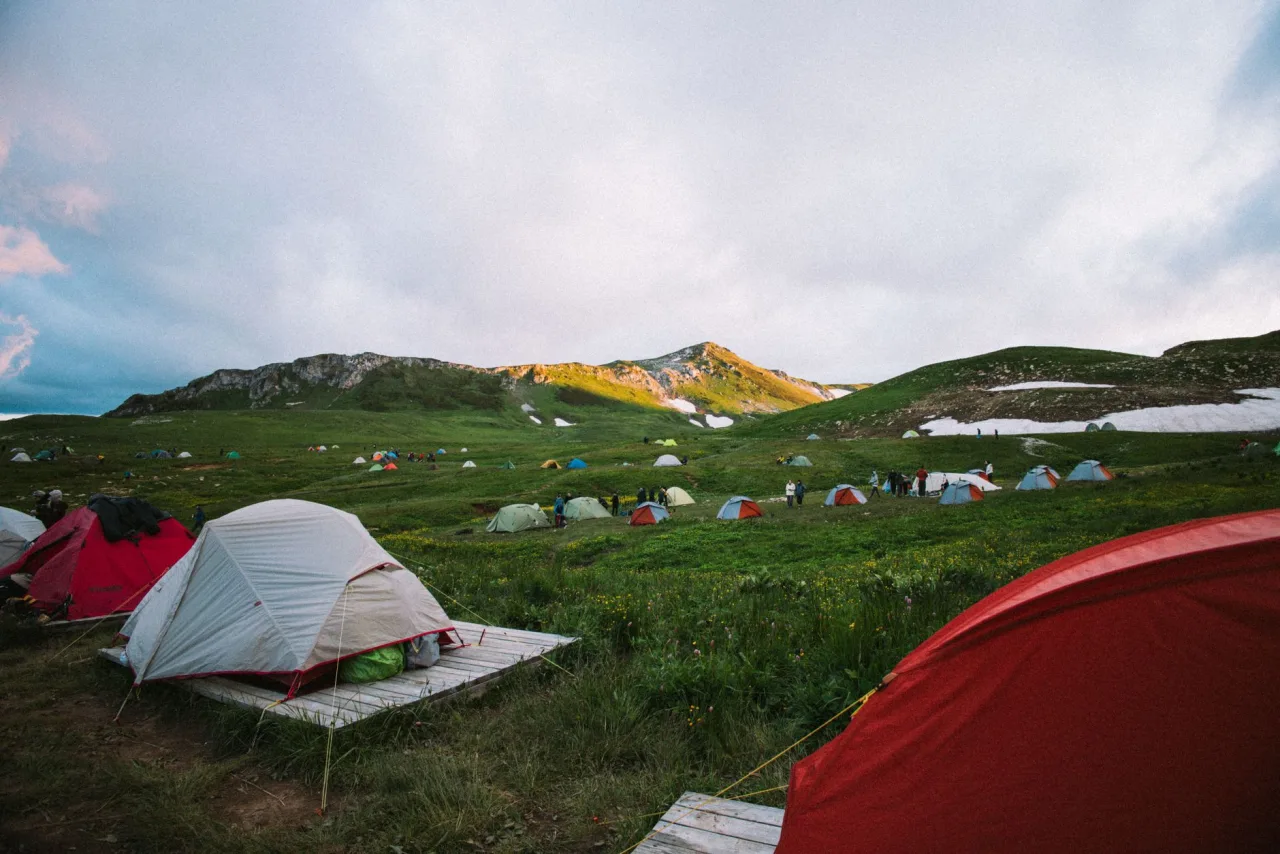
Most reservable national park campgrounds are booked through the official federal system at Recreation.gov, which lets you search by park, dates, and amenities and reserve a specific site. Availability for popular parks tends to open on a rolling window a set number of months before your arrival date, and for the marquee parks the best dates can sell out within minutes of that window opening.
To improve your odds, prepare like it is a ticket sale: create your account in advance, know your exact dates and party size, log in early, and have a second-choice campground and a flexible date range ready. If your first try fails, keep watching, because cancellations release spots throughout the season. For the wider federal picture beyond parks, see our guide to national campgrounds.
Tip: chase cancellations, not just the first release
Plans change, and reservable sites are released back into the system when people cancel. If your dates sold out, check the portal repeatedly in the weeks before your trip, especially around the cancellation deadline when nonrefundable cutoffs push people to give up spots. Persistence often beats the initial scramble.
Reservable, first-come, and backcountry options
Not every park site is reserved online, and knowing the categories widens your options:
- Reservable frontcountry: the developed drive-in campgrounds booked through the national portal.
- First-come, first-served: some parks keep campgrounds or loops for walk-ups, which rewards arriving early on a weekday.
- Backcountry and wilderness: hike-in sites that usually need a separate permit and carry stricter rules.
- Gateway and nearby options: forest, state park, and private sites just outside the park boundary when inside is full.
If the park itself is booked solid, camping just outside the gates is a completely valid plan. Our state park camping guide and national park camping guide cover those nearby alternatives and seasonal timing.
What it typically costs
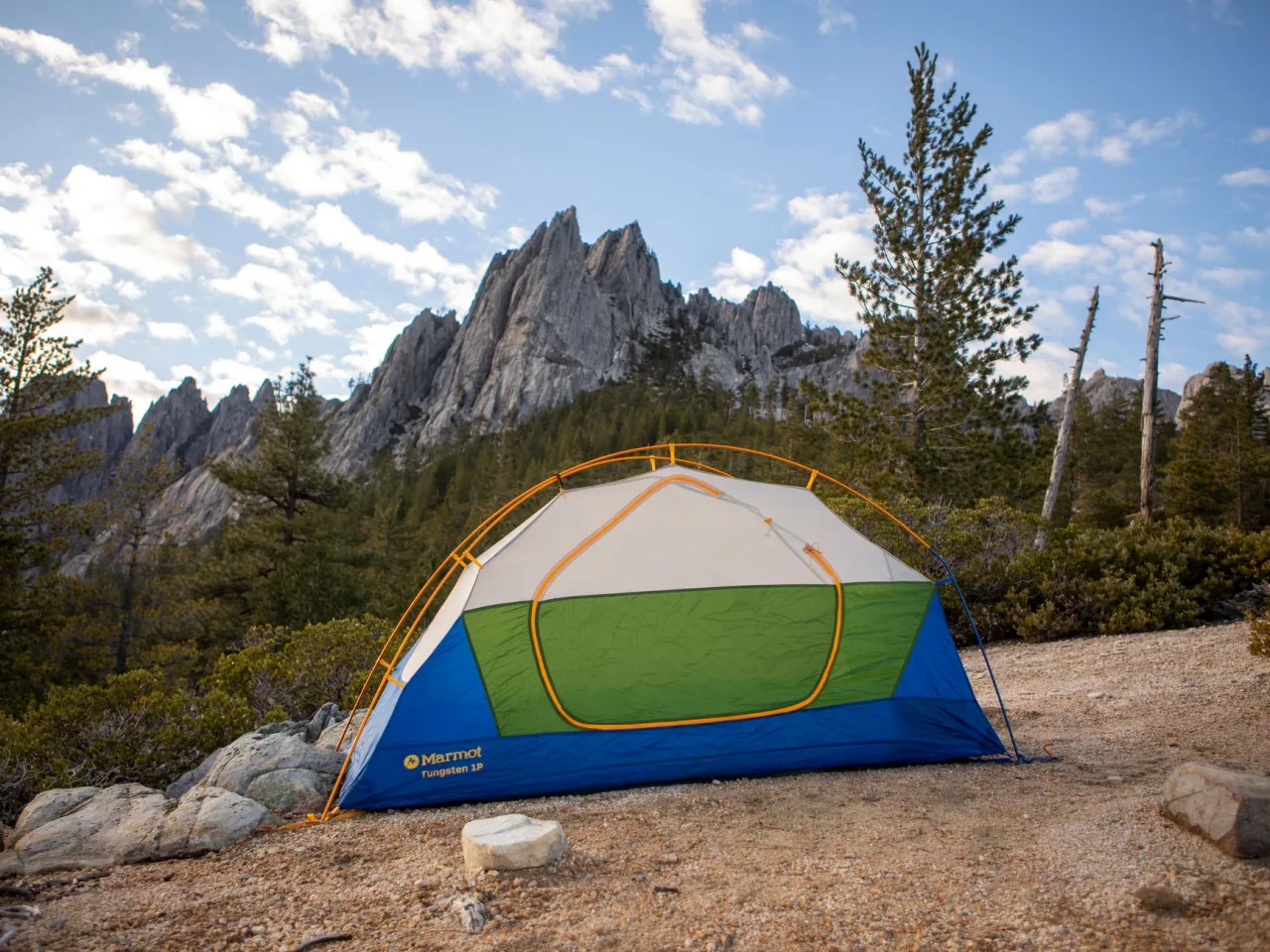
Campground fees inside national parks are generally modest and vary by park, site type, and season. As a rough 2026 guide, a standard tent or basic site sits at the lower end, sites with more services cost more, and premium or group sites are higher again. Remember that a park usually charges a separate vehicle entrance fee on top of the nightly campground fee, and a small online reservation service charge applies to booked sites.
Passes can help regular visitors. An annual interagency pass covers entrance fees at many federal sites, and seniors and certain other groups qualify for discounted passes and reduced camping rates, though passes generally do not waive the nightly campground fee. Because fees and programs change, always confirm the current figure on the official park or portal listing rather than trusting a single quoted number.
Rules, wildlife, and staying safe
Park campgrounds enforce stricter rules than most private sites, because you are camping in a protected ecosystem. Expect firm quiet hours, limits on how many nights you can stay, and clear boundaries on where tents and vehicles may go. In bear or other wildlife country, storing food and scented items in provided lockers or a hard-sided vehicle is typically a legal requirement, not advice. Altitude, sudden weather, and long distances between services are real factors in big parks, so carry water, layers, and a paper map.
Leave No Trace is the standard for behaviour in these landscapes. The National Park Service publishes the seven Leave No Trace principles, which cover planning ahead, camping on durable surfaces, disposing of waste properly, minimizing campfire impact, and respecting wildlife and other visitors. Following them protects both the park and your right to keep camping there.
Warning: cell signal is often zero inside parks
Large parts of many national parks have no phone coverage, so do not rely on your phone for navigation, reservations, or emergencies once you arrive. Download offline maps, save your reservation and directions before you lose signal, and tell someone your plan and expected return.
Comparing parks the honest way
There is no single ranked list of the best national park campgrounds, because the right park depends on your season, your interests, and how far you can travel. Rather than trusting a leaderboard, score your options against consistent criteria: drive time and access, the scenery and activities you care about, how hard the campground is to book, the amenities on offer, and the season and weather for your dates. A quiet, easy-to-book park that fits your trip often beats a famous one you cannot get into. For the broader context of site types and costs across all camping, our complete camping area guide ties it together.
Frequently asked questions
How do I book a national park campground?
Most reservable park campgrounds are booked through the official federal portal at Recreation.gov, where you search by park, dates, and amenities. Availability often opens on a rolling window months ahead and can sell out fast at popular parks, so log in early with exact dates. Check the specific park website for rules and closures.
Can I just show up without a reservation?
Sometimes. Some parks keep campgrounds or loops as first-come, first-served, which rewards arriving early midweek, but you cannot rely on it in peak season. If the park is full, camping at a forest, state park, or private site just outside the boundary is a solid backup.
How much do national park campgrounds cost?
Nightly fees are generally modest and vary by park, site type, and season, from a lower basic pitch to higher serviced or group sites. A separate vehicle entrance fee and a small reservation charge usually apply. Passes can cover entrance fees but not the nightly campground fee, so confirm current figures on the official listing.
Do national park campgrounds have hookups and cell signal?
Full RV hookups are uncommon inside parks, so many RV campers use their own tanks and a generator within posted hours. Cell signal is often weak or absent, so download offline maps and save your reservation and directions before you arrive.
What are the rules about food and wildlife?
In bear or wildlife country, storing food and scented items in provided lockers or a hard-sided vehicle is typically a legal requirement, not a suggestion. Parks also enforce quiet hours, stay limits, and boundaries on where you can camp. Always read and follow the posted rules for your specific campground.
More guides on Campgrounds & Campsites
Have a question or a topic to suggest?
We read every message. Tell us what you would like to see next on the blog.
Get in touchYou may also like
Best Camping Area Near Me: Find and Compare
Searching for the "best camping area near me" usually means you want somewhere good, close, and available this weekend. There is no single best spot for everyone
National Campgrounds: Find and Compare
"National campgrounds" usually means camping on public land run by a federal agency: national parks, national forests, and land managed by other federal bodies.
Riverbend Campground: Find and Compare
"Riverbend" is one of the most common campground names in the world, so a search for it usually turns up several different places rather than one.