Camping Tips & How-To · Camping Tips & How-To
Camping Meals: Complete Guide
The best camping meals are the ones you actually manage to cook when you are tired, the light is fading and the stove is fighting a breeze.
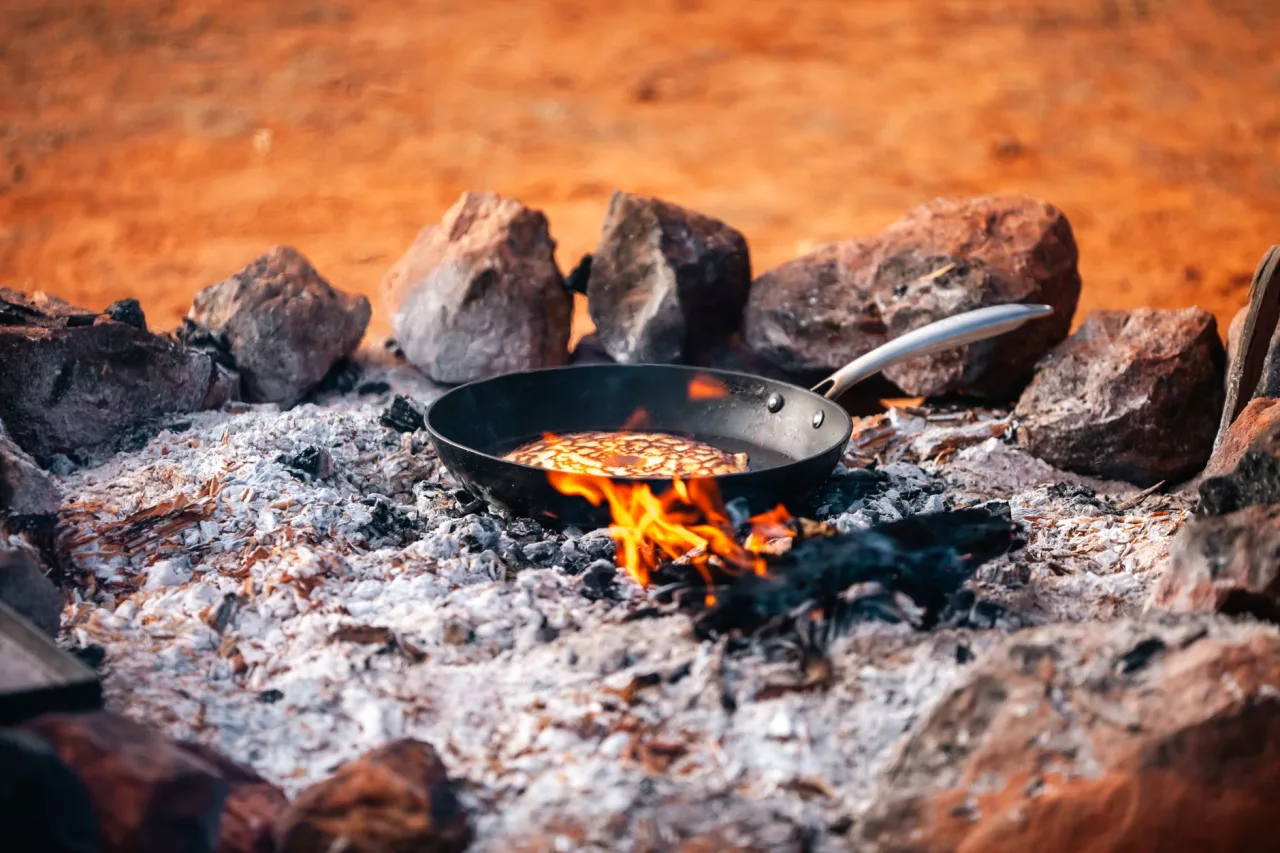
The best camping meals are the ones you actually manage to cook when you are tired, the light is fading and the stove is fighting a breeze. This complete guide works meal by meal, from big-energy breakfasts to no-wash dinners, then hands you a printable checklist you can copy before every trip. The goal is food that is genuinely easy, keeps well and tastes good enough that nobody wishes they had stayed home.
The short version
- Build a simple day-by-day menu first, then shop to it, so you carry no waste and forget nothing.
- Pick meals by cooking method: one-pot, foil packet, no-cook and grill cover almost every situation.
- Match energy to activity: bigger breakfasts and dinners on active days, light grazing lunches on the move.
- Keep the cooler genuinely cold, store raw meat sealed and low, and pack out every scrap.
Plan the menu before you shop
Most camp-food problems are decided at home, not at the pitch. The single habit that fixes them is a menu grid: one row per day, one column each for breakfast, lunch, dinner and snacks. Fill each cell with something you already know how to cook, then write your shopping list backwards from the grid. This prevents the two classic failures, running short on day two and dragging home a bag of ingredients you never opened.
Favour meals that share ingredients so your cooler stays small and your spending sensible. A block of cheese can appear in lunch wraps and dinner quesadillas. A dozen eggs can scramble at breakfast and bind burgers or fritters later. Overlap is what turns a random pile of groceries into a tidy, affordable plan.
Match the effort to the day, too. Keep your simplest meals for arrival and departure, when you are pitching or packing and have the least patience, and save anything slightly more involved for the middle of the trip when camp is set up. If you want the planning system in more depth, our companion guide to easy camping meals drills into the make-ahead workflow.
Breakfasts that fuel a full day
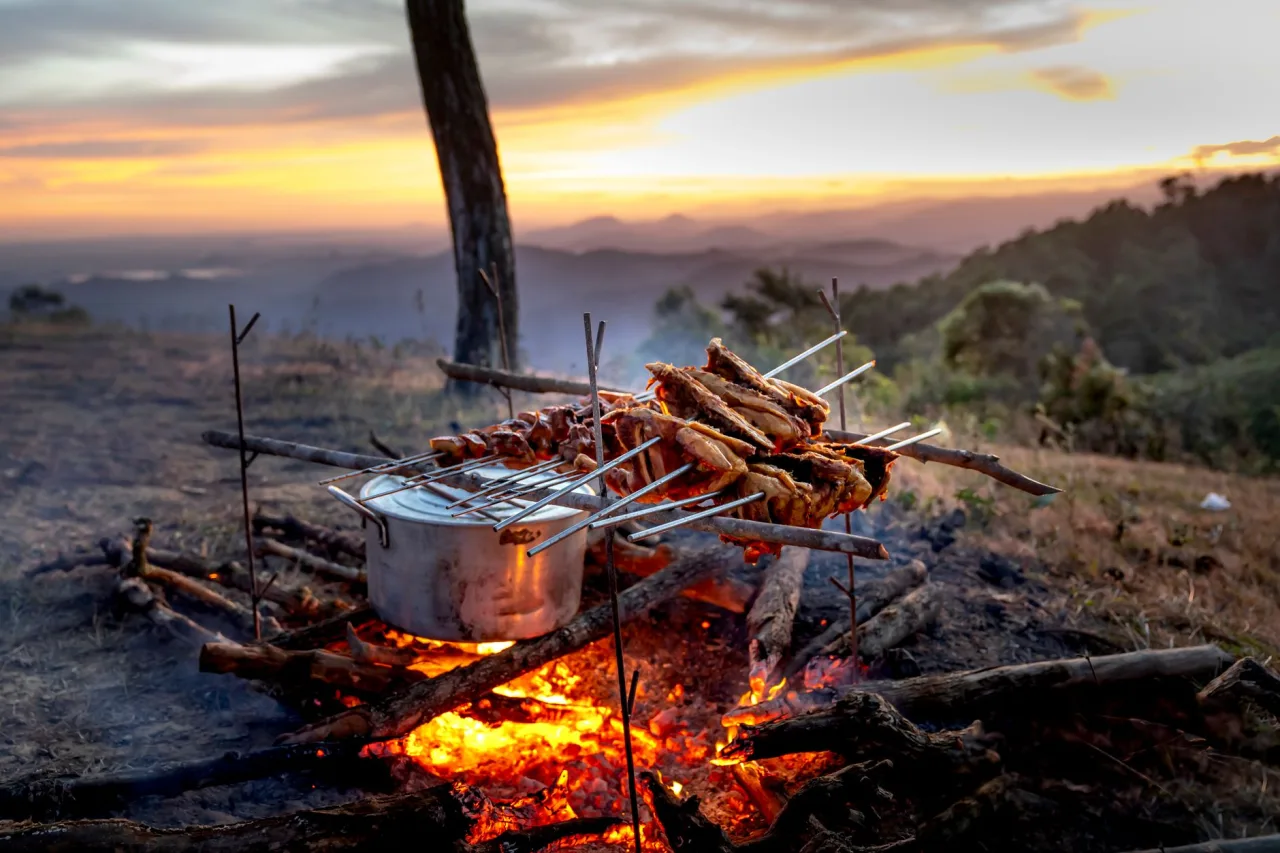
Breakfast is where a good camp cook earns their keep, because a solid morning meal steadies energy for hours of walking, paddling or setting up. You want a spread of quick fuel and slower-burning food.
- Fast and hot: porridge with dried fruit and nuts, or instant oats you only add hot water to, is warm, cheap and filling.
- The camp cooked breakfast: eggs, sausages or beans in one pan is a morale booster on a slow day when you have time to enjoy it.
- Grab and go: pre-mixed granola with powdered or long-life milk, wraps with nut butter, or overnight oats made the night before in a sealed jar.
- Drinks: a reliable way to make coffee or tea matters more than people expect, so pack a method you have used before.
Beat eggs into a clean sealed bottle at home and they pour straight into the pan with no shells to manage. Pre-mix pancake batter as a dry blend so you only add water on site.
Lunches for a day on the move
Lunch on a camping trip is often eaten away from the pitch, on a trail or a beach, so the winning formula is no cooking and no fuss. Think assembly rather than recipes.
- Wraps and rolls: tortillas travel better than bread and do not crush. Fill with cheese, cured meat, hummus or tinned fish and salad.
- Boards and grazing: crackers, cheese, cured sausage, olives, fruit and nuts let everyone build their own plate with zero cooking.
- Leftover roll-over: last night's chilli or roasted vegetables become today's wrap or cold pasta salad.
- Warm option: soup from a flask filled with boiling water at breakfast is a treat on a cold, wet day.
Keep lunch ingredients in a small, accessible bag near the top of the cooler so you are not unpacking the whole box on a windy hillside.
Tip: Freeze at least your first dinner flat in a sealed bag before you leave. It acts as extra ice in the cooler on day one, then thaws in time to reheat as a hot, satisfying meal on your first tired evening, with almost no effort.
Dinners built around one pot or a foil packet
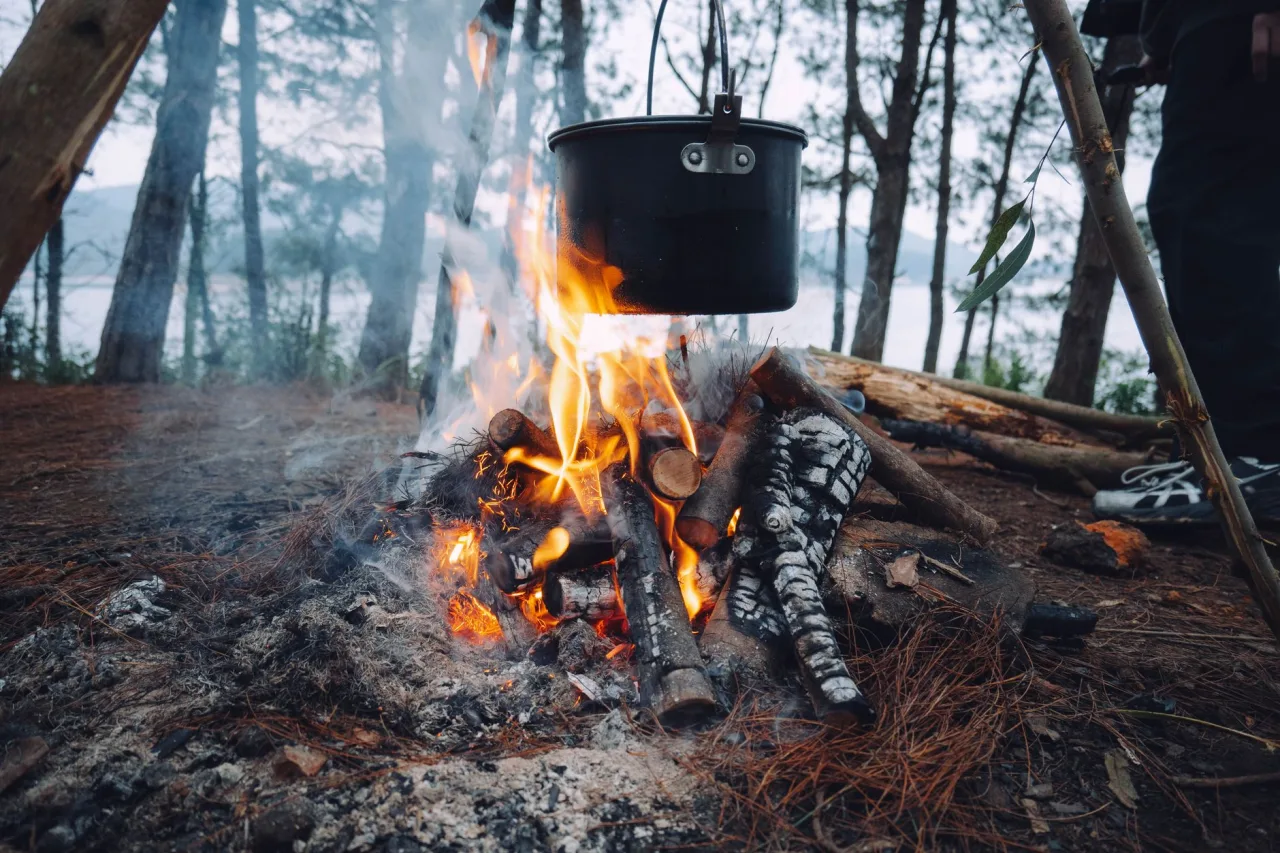
Dinner is where washing up quietly ruins camp evenings, so the two workhorses are the one-pot meal and the foil packet. A one-pot pasta, a rice and bean skillet, a hearty soup or a curry needs a single pan and a spoon. Foil packets, sealed parcels of protein and vegetables cooked on coals or a grill, produce no dirty dishes at all and let each person customise their own.
A dependable foil packet formula is a protein, a quick-cooking starch, a few sturdy vegetables, a knob of fat and seasoning. Diced potato with sausage and peppers, or fish with lemon and courgette, both work well. Seal the parcel with a double fold so the steam stays in, and cook it near the coals rather than in open flame so nothing scorches before the centre is done.
Your dinner options also depend on your cook kit. If you are still choosing a burner, our camping stove buyer's guide compares fuel types and simmer control, and the broader complete guide to camping shows how meals fit alongside shelter and sleep.
No-cook meals and clever snacks
Some of the best camp food never touches a flame. No-cook meals are a lifesaver on a fire ban, in bad weather, or on a night when you simply cannot face cooking. Overnight oats, hearty salads with couscous soaked in cold water, cheese and cracker plates, and pre-cooked meats all work with nothing more than a bowl and a spoon.
Snacks are not an afterthought, they are the fuel between meals that keeps energy and morale up on an active trip. Portion trail mix, dried fruit, flapjacks, oatcakes and chocolate into daily bags so nothing gets crushed or eaten all at once. A small stash of comfort snacks does more for a cold, damp evening than almost anything else you can pack.
Cooking for a group or for special diets
Feeding a group multiplies both the reward and the risk of chaos. A few simple tactics keep it calm:
- Assign a night each: if each adult owns one dinner, no one cooks every evening and everyone brings their best idea.
- Cook once, feed many: big-batch chilli, curry or pasta scales easily and reheats without fuss.
- Build-your-own bars: tacos, loaded jacket potatoes or pasta with toppings let people self-serve around allergies and preferences.
For special diets, plan the base meal to be naturally inclusive and add optional extras on the side. A vegetable and bean chilli suits vegans and vegetarians, with cheese, sour cream or cooked meat offered separately. Always keep allergens clearly labelled and stored apart, and check every packaged ingredient rather than assuming. Group trips pair naturally with adventure camping, where big shared meals are half the fun.
Keep the cooler cold and the food safe
Food that makes you ill ends a trip faster than rain. The core rule from food safety guidance is to keep cold food out of the temperature danger zone, roughly between 5 and 60 degrees Celsius, where bacteria multiply fastest. A few habits keep you comfortably on the safe side.
- Pre-chill everything: a cooler holds cold, it does not create it, so chill food first and pre-cool the cooler overnight.
- Use block ice and frozen meals: large frozen items last far longer than cubes, and a separate drinks cooler means the food one is opened less.
- Seal and separate raw meat: store it in leakproof bags at the bottom, away from anything eaten raw, to avoid cross contamination.
- Cook thoroughly and cool fast: reheat until piping hot, and either eat leftovers quickly or bin them rather than gambling.
Warning: Where wildlife is active, food storage is about safety, not just freshness. Store food, cookware and scented items in a hard-sided vehicle or an approved bear-resistant container where required, never in your tent, and always follow the rules posted at your campground.
Your printable camping meals checklist
Copy this into your notes or print it, then tick through it before each trip. It is deliberately generic so it works for a weekend or a week away.
- Plan: fill a day-by-day grid for breakfast, lunch, dinner and snacks.
- Shop: write one list from the grid, grouped by aisle, and buy only what is on it.
- Prep: chop, mix, marinate and portion into labelled bags the day before.
- Freeze: freeze the first dinner flat so it doubles as cooler ice.
- Pack cold: pre-chill the cooler, pack block ice, keep raw meat sealed and low.
- Pack dry: box up stove, fuel, pot, pan, knife, board, utensils and washing-up kit.
- Pack extras: foil, zip bags, bin bags, containers, soap, cloth, lighter and matches.
- On site: set up a prep area away from the tent and keep the cooler shaded.
- Each meal: wash hands, cook thoroughly, cool leftovers fast or bin them.
- Pack out: take all rubbish and food scraps with you, leaving no trace.
Frequently asked questions
What are the best camping meals for beginners?
Start with one-pot and foil-packet dinners, no-cook lunches and simple hot breakfasts: pasta with a jarred or frozen sauce, a rice and bean skillet, sausages and vegetables in foil, wraps for lunch and porridge or a fry-up in the morning. These need one pan, little skill and minimal washing up, and they scale easily for a group.
How do I plan camping meals for a weekend?
Sketch a grid with a row for each day and columns for breakfast, lunch, dinner and snacks, then fill each cell with something you can already cook. Write one shopping list backwards from the grid, favour meals that share ingredients to keep the cooler small, and save your simplest meals for arrival and departure day.
What camping meals do not need refrigeration?
Plenty of good food is shelf stable: pasta and rice, tinned beans, tuna and tomatoes, couscous, oats, nut butter, hard crackers, dried fruit and cured sausage. Build meals around these when you have no cooler or on longer trips, and use fresh items early in the trip while they are still cold and safe.
How do I keep camping food cold and safe?
A cooler holds cold rather than making it, so chill everything first and pre-cool the cooler overnight. Use block ice or frozen meals rather than cubes, keep drinks in a separate cooler so the food one is opened less, store raw meat sealed at the bottom, and keep cold food below about 5 degrees Celsius to stay out of the bacterial danger zone.
How much food should I pack per person?
Plan by meals rather than guessing: list every breakfast, lunch, dinner and snack for each day and buy to that list. People eat more when active outdoors, so add a modest buffer of shelf-stable snacks and one spare simple dinner. Overlapping ingredients across meals keeps the quantities sensible and your cooler small.
Sources and further reading:
- Food safety on Wikipedia for the temperature danger zone and cross-contamination basics.
- Camping on Wikipedia for background on outdoor cooking and campsite practice.
More guides on Camping Tips & How-To
Have a question or a topic to suggest?
We read every message. Tell us what you would like to see next on the blog.
Get in touchYou may also like
Yogi Bear Campground: How to Choose
"Yogi Bear campground" means a Jellystone Park camp-resort. Here is how to compare locations, judge amenities, and choose the right family site without the hype.
Sleeping Bear Dunes: Choosing a Site
From Platte River to the Manitou Islands, here is an honest framework for choosing the right Sleeping Bear Dunes campground and booking it before summer fills.
Milarrochy Bay: Loch Lomond Camping
Milarrochy Bay sits on Loch Lomond's eastern shore. Here is how to choose a lochshore campsite, understand the national park permit rules, and book smart.