Campgrounds & Campsites
Riverbend Campground: Find and Compare
"Riverbend" is one of the most common campground names in the world, so a search for it usually turns up several different places rather than one.
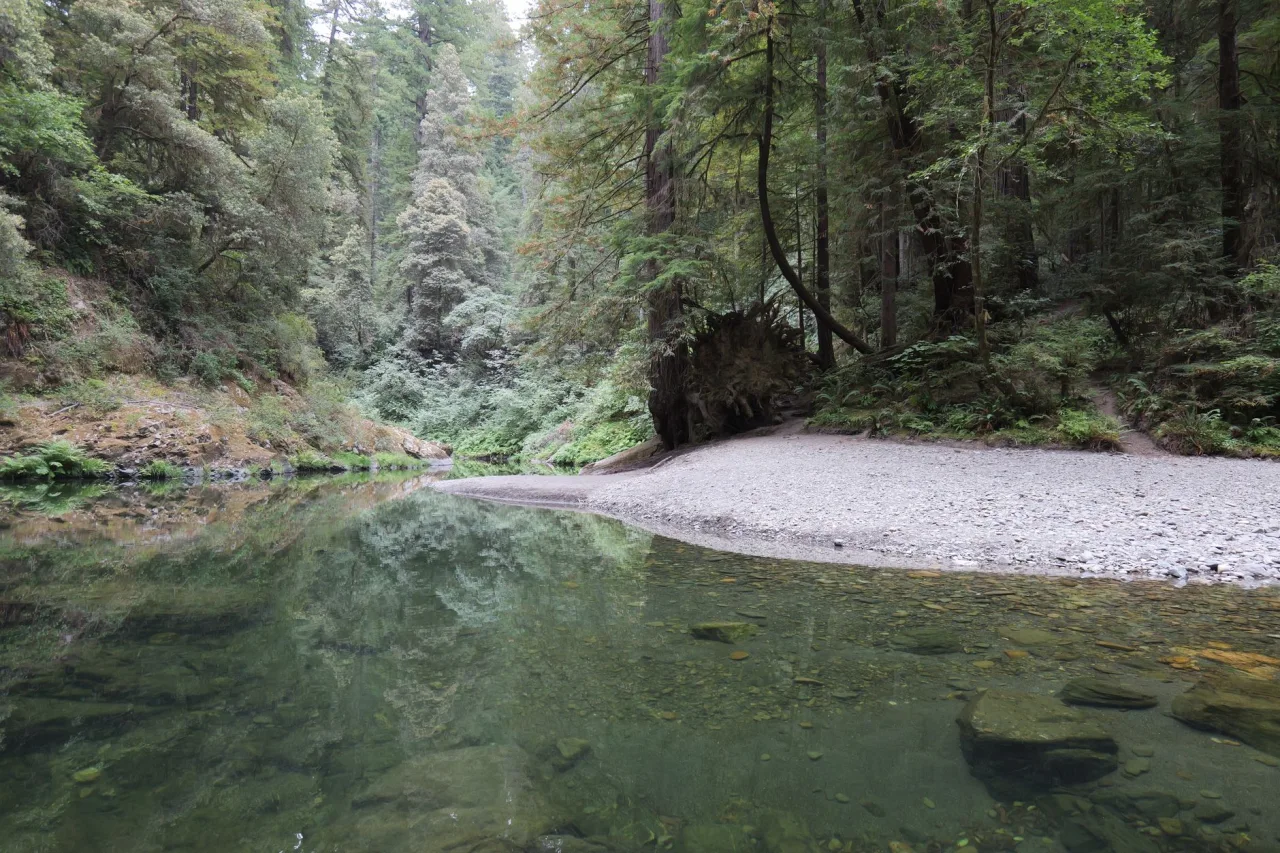
"Riverbend" is one of the most common campground names in the world, so a search for it usually turns up several different places rather than one. Instead of guessing at a specific site, this guide shows you how to find, compare, and vet a riverbend or riverside campground near you, and what to check before you pitch beside moving water. The setting is beautiful, but riverside camping carries a few real risks worth planning for.
The short version
- Many separate campgrounds share the Riverbend name, so confirm you are booking the exact site you mean.
- Riverside pitches trade a lovely setting for real hazards: flooding, damp, insects, and uneven access.
- Check flood history, pitch height above the water, and the site's own weather policy before booking.
- Prices vary by season and location, so confirm the current rate and cancellation terms when you book.
Why "Riverbend Campground" returns so many results
Descriptive names like Riverbend, Riverside, and River View are used by countless independent campgrounds and holiday parks because they describe an appealing feature rather than a unique brand. That means a single search term can point to sites in completely different states or countries. Before you do anything else, pin down the specific location: the town, the river, and the operator. Match the address on a map, check the phone number, and make sure the reviews you are reading belong to that exact site and not a similarly named one elsewhere.
This matters more than it sounds. Booking or driving to the wrong Riverbend is a genuinely common mistake, and the fix is simple: treat the name as a starting clue, then verify the precise place before you commit.
The appeal of camping by a river
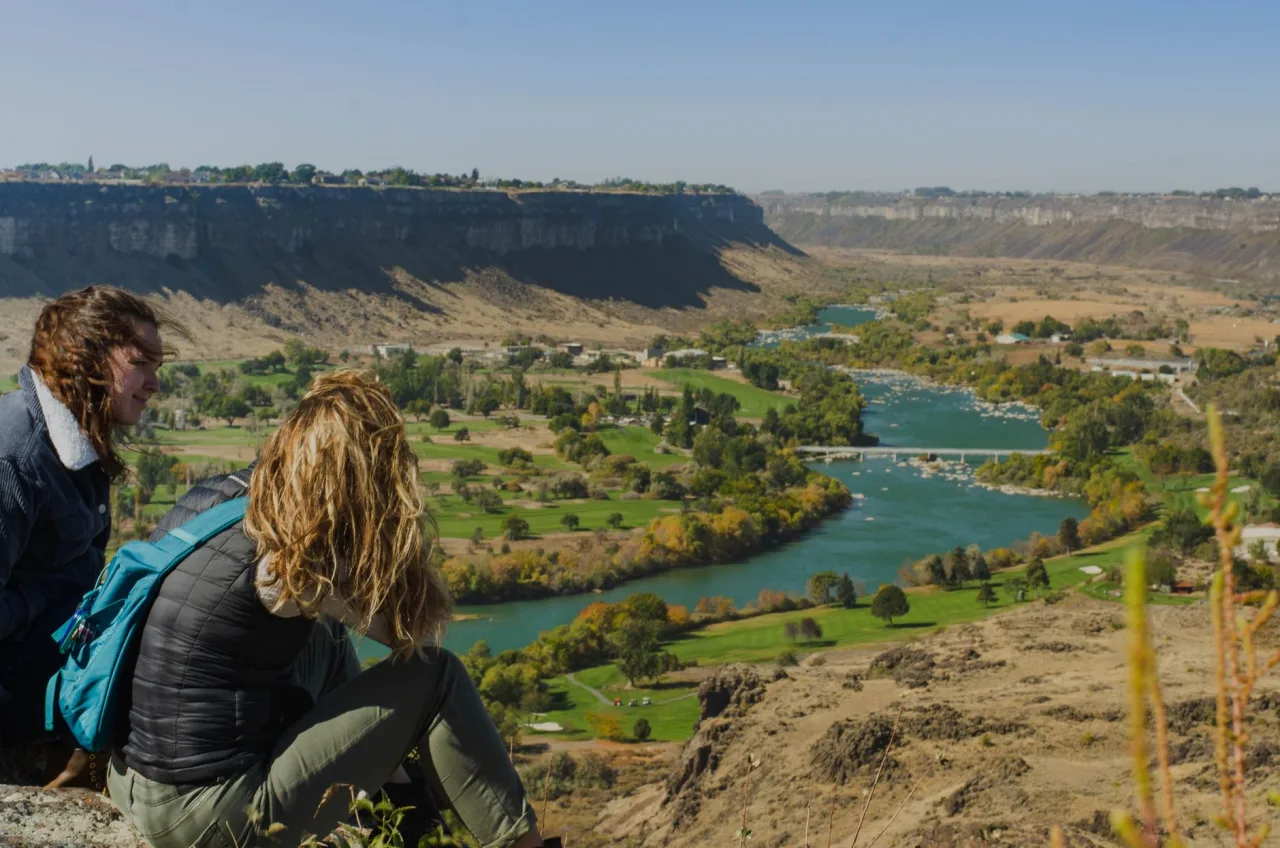
There is a reason riverside pitches book out first. Running water is a natural soundtrack that masks road noise and helps you sleep. Rivers open up swimming, paddling, fishing, and easy scenic walks straight from your tent. Mornings by the water are hard to beat. For many campers, a good riverbend site is the whole point of the trip, not just a place to sleep.
Those same features shape who a riverside site suits. Families love the play value of shallow, safe water. Anglers and paddlers want direct access. If you mainly want quiet and a view, a pitch set slightly back from the bank often gives you the sound without the drawbacks. For other water settings, our lake campground guide and riverside campground guide apply the same approach.
The risks riverside sites do not advertise
A pretty photo rarely shows the downsides, so weigh them yourself. Water is dynamic, and camping next to it means accepting a few specific hazards:
- Flooding and flash flooding: rivers can rise fast, sometimes from rain miles upstream that never touches your camp.
- Damp and cold: low ground near water holds moisture and pools cold air overnight.
- Insects: still edges and evening calm bring mosquitoes and midges.
- Bank access and currents: undercut banks, slippery rocks, and stronger currents than they look, especially for children.
- Soft ground: pegs and heavy vehicles can struggle on saturated or sandy pitches.
None of these should scare you off. They just mean you choose your pitch and your dates with a little more care than you would inland.
Warning: never camp in a dry riverbed or on a low bar
Flash floods can arrive with little warning from rainfall far upstream, turning a dry channel or a low gravel bar into fast, deep water in minutes. Always pitch well above the waterline on higher ground, know the quickest route uphill, and heed any flood or weather warnings from local authorities. When in doubt, move up.
How to vet a riverbend campground before you book
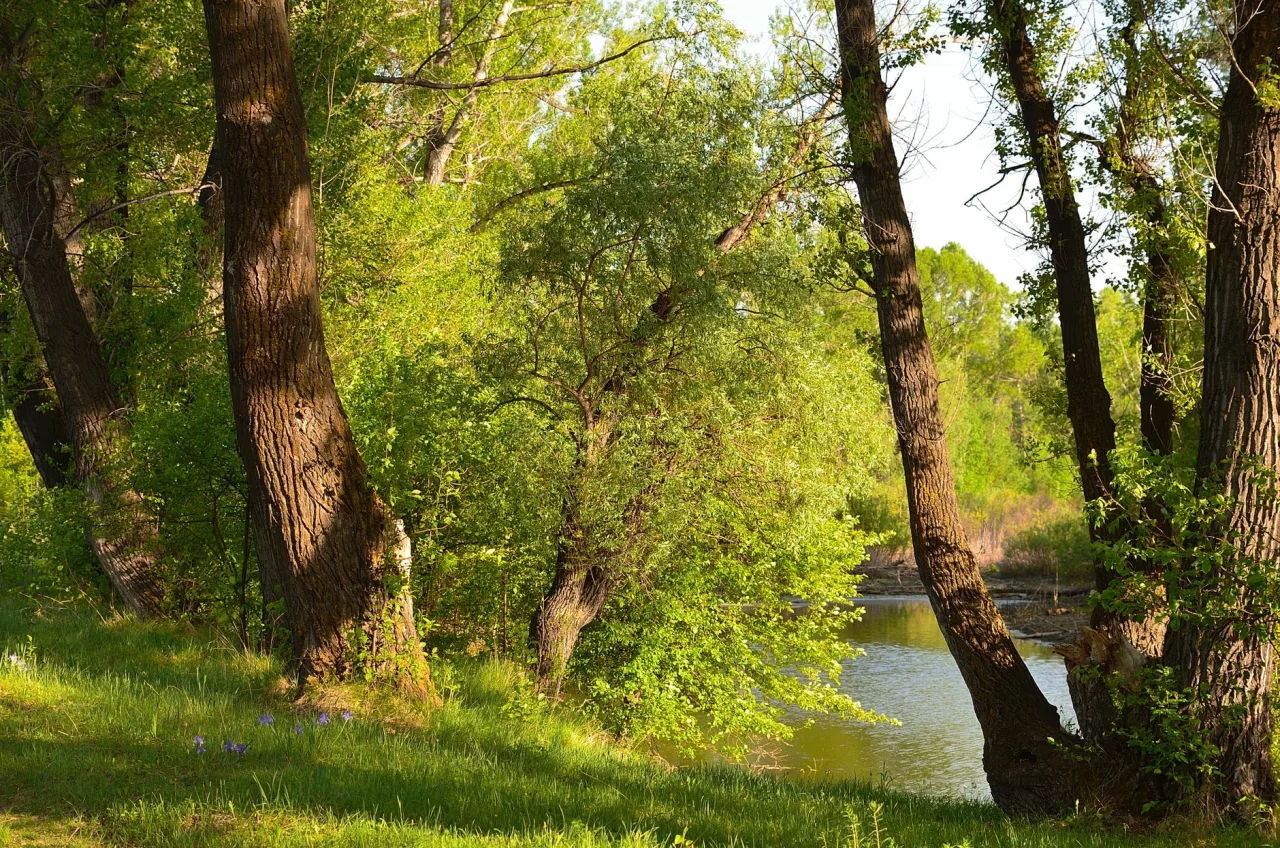
Run each candidate through a short, consistent check so you are comparing like with like:
- Confirm the exact location on a map and match it to the reviews and phone number.
- Look at the satellite view to see how high pitches sit above the river and how close they are to each other.
- Search recent reviews for words like flood, waterlogged, midges, or noise, and note whether problems recur.
- Ask the operator directly about flood history, which pitches sit highest, and their bad-weather policy.
- Check the amenities you actually need against the listing, from toilets to power to pet rules.
For a fuller walkthrough of judging any listing on access, water, shade, noise, and reviews, see our best camping area near me guide, which sets out the same vetting habits in more detail.
What riverside camping typically costs
There is no single price for a Riverbend campground, because each is independently run and rates move with season and demand. As a rough 2026 guide, a basic riverside tent pitch tends to sit in the lower-to-middle range, a serviced pitch or a premium waterfront spot costs more, and full-hookup or peak holiday rates sit at the top. Waterfront pitches often carry a premium precisely because they are the most sought after. Watch for extra fees per person, per vehicle, and per pet, and always confirm the current rate and the cancellation terms at the point of booking, since a washed-out weekend is exactly when flexible terms matter.
Packing and pitching for a river trip
A few small choices make riverside camping far more comfortable. Bring a groundsheet and a tent with a good bathtub floor to fight rising damp, plus extra or longer pegs for soft ground. Pack insect repellent and consider a bug net for evenings. Choose a pitch that is level, slightly elevated, and not directly under leaning trees or on an obvious flood path. Store food securely and keep valuables off the ground. For gear choices that stand up to damp conditions, our camping tent guide is a useful reference. As always, follow the widely used Leave No Trace framework, and the National Park Service publishes the seven Leave No Trace principles covering waste, campfires, and respecting the waterway and wildlife.
Frequently asked questions
Is there one Riverbend Campground?
No. Riverbend is a very common descriptive campground name used by many independent sites in different regions. A search usually returns several unrelated places, so always confirm the exact town, river, and operator, and match the address, phone number, and reviews to the specific site before booking or driving out.
Is it safe to camp next to a river?
It can be, with sensible precautions. Pitch well above the waterline on higher ground, never camp in a dry riverbed or on a low gravel bar, and watch weather and flood warnings, since flash floods can come from rain far upstream. Take care around banks and currents, especially with children.
How do I choose a good riverside pitch?
Pick a level spot that sits slightly elevated above the water, away from obvious flood paths and leaning trees. Use the satellite view to judge height above the river and spacing between pitches, and ask the operator which pitches sit highest and how the site handles heavy rain.
How much does a riverbend campground cost?
Prices vary by location, season, and services because each site is independently run. A basic riverside pitch is often lower-to-middle range, while premium waterfront and full-hookup spots cost more, and peak holidays are highest. Waterfront pitches often carry a premium, so confirm the current rate and cancellation terms when you book.
What should I pack for camping by a river?
Bring a good groundsheet and a tent with a solid floor to handle damp, longer pegs for soft ground, and insect repellent or a bug net for the evenings. Store food securely, keep gear off the ground, and choose a level, slightly elevated pitch away from flood paths.
More guides on Campgrounds & Campsites
Have a question or a topic to suggest?
We read every message. Tell us what you would like to see next on the blog.
Get in touchYou may also like
Best Camping Area Near Me: Find and Compare
Searching for the "best camping area near me" usually means you want somewhere good, close, and available this weekend. There is no single best spot for everyone
National Campgrounds: Find and Compare
"National campgrounds" usually means camping on public land run by a federal agency: national parks, national forests, and land managed by other federal bodies.

National Park Campgrounds: Find and Compare
Camping inside a national park puts you at the trailhead when the crowds are still asleep and under some of the darkest skies you will ever see.