Campgrounds & Campsites
National Campgrounds: Find and Compare
"National campgrounds" usually means camping on public land run by a federal agency: national parks, national forests
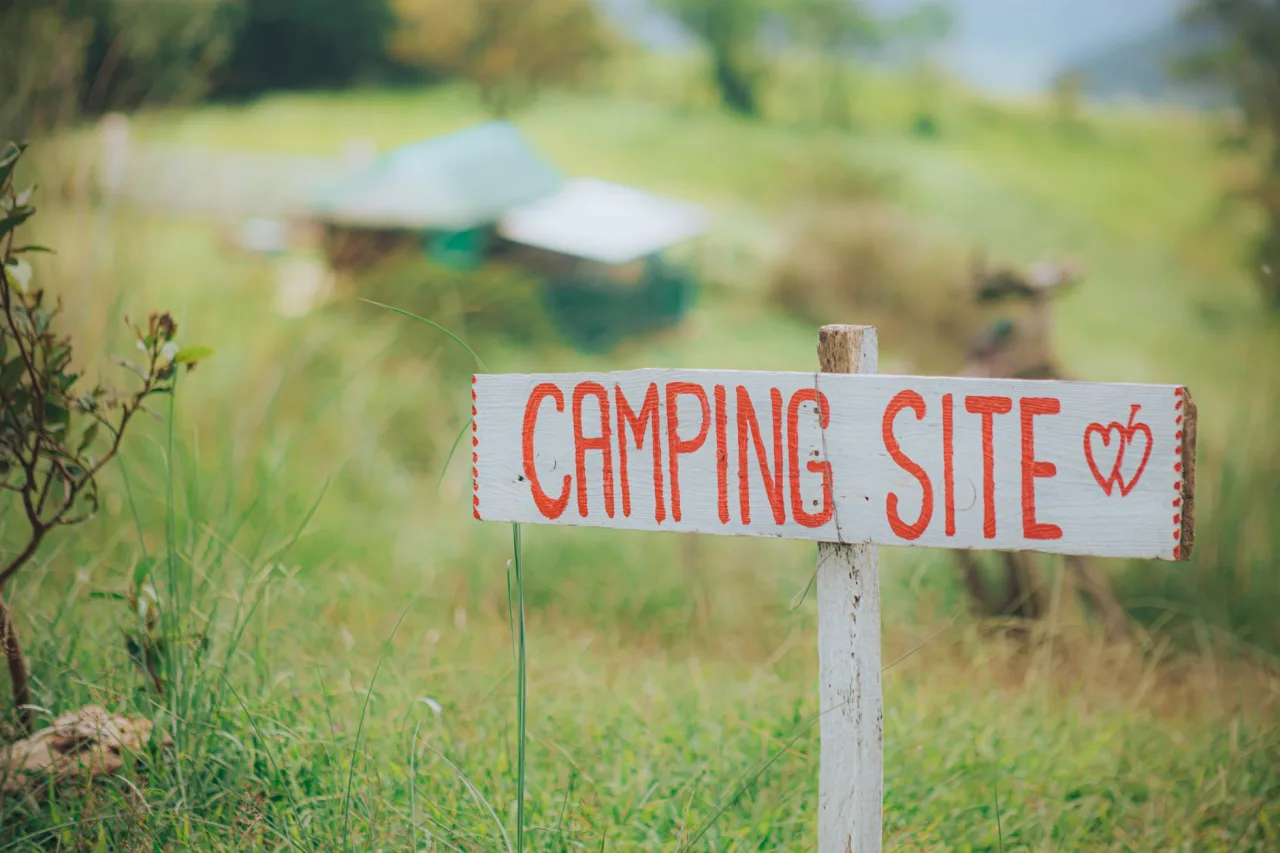
"National campgrounds" usually means camping on public land run by a federal agency: national parks, national forests, and land managed by other federal bodies. These sites offer some of the best value and the wildest settings in the country, but they work differently from private parks. This guide explains who runs what, how to find and book a spot, what it costs, and how to compare your options honestly.
The short version
- Federal campgrounds are run by several agencies, not one, and most are bookable through a single national portal.
- Fees are generally lower than private parks, but amenities are simpler and hookups are limited.
- Popular sites release reservations on a rolling window, so timing your booking matters as much as choosing it.
- Always confirm current fees, closures, and rules on the official listing before you travel.
What counts as a national campground
The phrase covers campgrounds on federally managed public land. Several agencies operate them, and each has a slightly different character. National park campgrounds sit inside protected parks and tend to be busy and scenic. National forest and grassland campgrounds, run by the forest service, are often quieter and more rustic. Other federal land, including sites around reservoirs and along rivers, is managed by additional agencies that also run campgrounds. There are also vast areas of public land where dispersed, no-facility camping is allowed for free.
Understanding which agency runs a site tells you what to expect. Park sites are more regulated and in higher demand. Forest sites trade amenities for solitude and space. Knowing the difference helps you pick the right kind of trip rather than being surprised on arrival.
Where to find and book national campgrounds
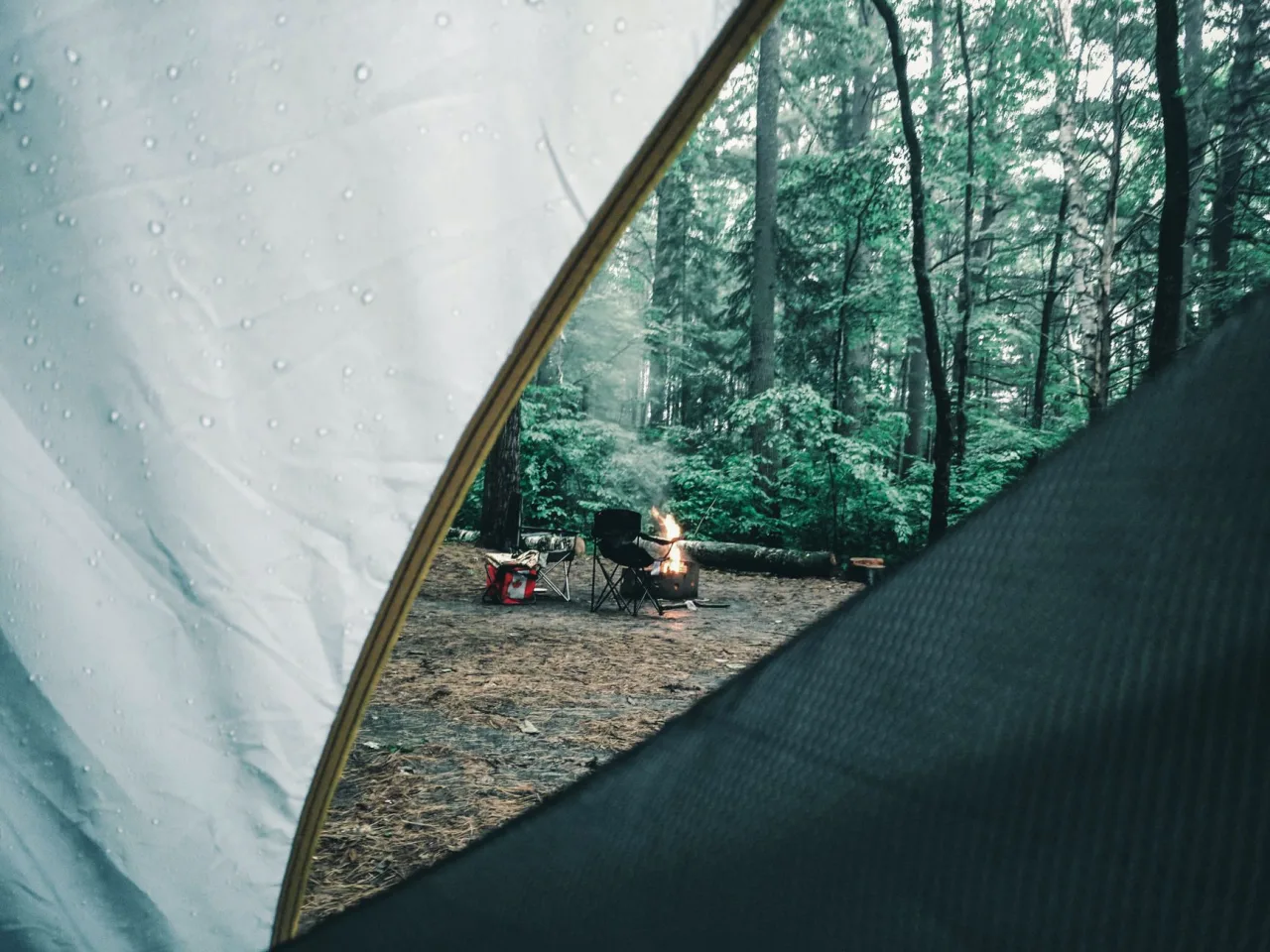
The single most useful tool is the official federal booking system. According to Recreation.gov, the platform lets visitors reserve camping and other experiences across more than 3,600 facilities and over 100,000 individual sites nationwide, and you can search by location, dates, and amenities. That makes it the natural first stop for almost any national campground.
Beyond the portal, check the specific agency or park website for details the booking system does not spell out, such as road conditions, seasonal closures, or which loops have shade. For a broader look at how to run a location search across public and private options, our campgrounds directory guide walks through the process, and our camping near me guide covers narrowing by distance.
Reservations, windows, and first-come sites
National campgrounds split into three booking styles, and mixing them up is the most common way people miss out:
- Reservable: booked in advance through the national portal, often opening on a rolling window months ahead of your dates.
- First-come, first-served: claimed in person on the day, which rewards early arrival, especially midweek.
- Hybrid: some loops reservable and others held for walk-ups, so read the site rules carefully.
For high-demand parks, reservations for a given date can vanish within minutes of the window opening. Set a reminder, know your exact dates, and have a second-choice site ready. The National Park Service notes that many campgrounds require reservations made through the federal portal and points visitors to individual park websites for the specifics, which is a good habit for any national site.
Tip: learn the booking window before you plan
Many national campgrounds open reservations a fixed number of months in advance on a rolling daily basis. If your dates are in high season, work backward from that window and be online the moment it opens. Missing the first day of availability often means the difference between a prime site and a waitlist.
What national campgrounds typically cost
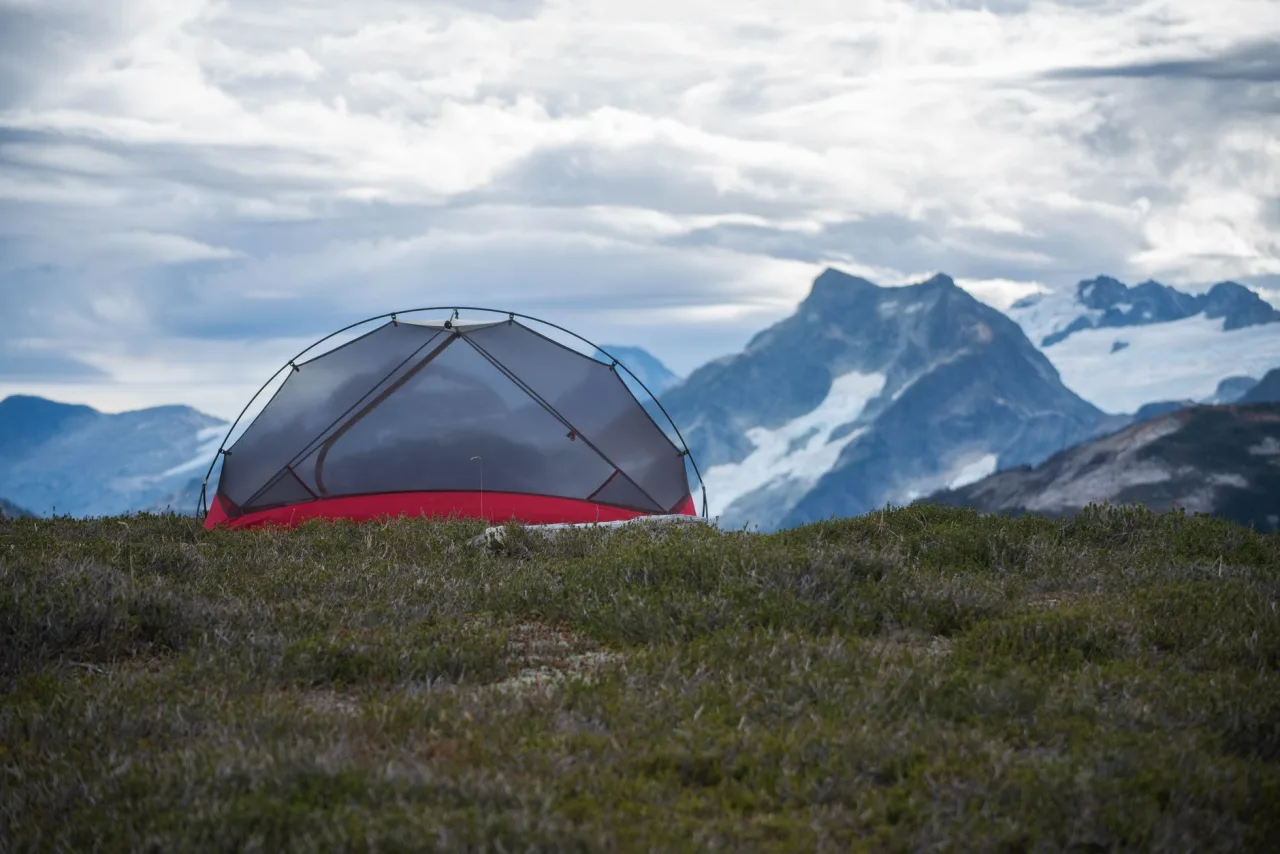
Fees on federal land are generally modest compared with full-service private parks, but they vary by site, season, and services. As a rough 2026 guide, a standard tent or basic site is usually at the lower end, sites with more services sit higher, and premium or group sites cost more again. Dispersed camping on eligible public land is often free. There may also be a per-vehicle park entrance fee separate from the campground fee, plus a small online reservation service charge.
Passes can save regular visitors real money. An annual interagency pass, for example, covers entrance fees at many federal sites, though it does not usually cover the nightly campground fee itself. Seniors and some other groups qualify for discounted passes and reduced camping rates. Because programs and prices change, confirm the current figure on the official listing rather than relying on any single quoted number.
What to expect on the ground
National campgrounds prioritize the setting over the amenities. Expect a defined pitch, a picnic table, and a fire ring at most developed sites, with toilets that range from flush blocks to vault toilets depending on how remote you are. Full RV hookups are the exception rather than the rule, so many RV campers rely on their own tanks and a generator within posted hours. Cell signal is often weak or absent, which is part of the appeal but worth planning around.
Rules tend to be stricter than at private parks because these are protected landscapes. Expect firm quiet hours, food storage requirements in bear country, limits on stay length, and clear rules on where vehicles and tents may go. Following them is not just courtesy, it keeps the site open and the wildlife wild.
Warning: food storage is not optional in bear country
Where bears or other wildlife are active, storing food in provided lockers or a vehicle is usually a legal requirement, not a suggestion. Ignoring it risks a dangerous encounter, a fine, and the eventual destruction of a habituated animal. Always read and follow the posted storage rules for the specific campground.
Comparing national campgrounds the honest way
There is no universal leaderboard of the best national campgrounds, because the right one depends entirely on your trip. Instead of chasing a ranked list, score your candidates against a consistent set of criteria: distance and drive time, the setting and views, available amenities versus what you need, reservation difficulty, and current conditions or closures. Rank each site on those factors and the best choice for your dates becomes clear.
Cross-referencing helps too. If you are focused on parks specifically, our guide to national park campgrounds goes deeper on that experience, while our complete camping area guide sets the wider context of site types and costs. For riverside settings on public land, the same vetting approach in our riverbend campground guide applies.
Frequently asked questions
What are national campgrounds?
They are campgrounds on federally managed public land, including national parks, national forests, and areas managed by other federal agencies around reservoirs and rivers. Several agencies run them, so the amenities and rules vary, but most developed sites can be booked through one national reservation portal.
How do I book a national campground?
Most reservable federal campgrounds are booked through the official national portal at Recreation.gov, where you can search by location, dates, and amenities. Check the specific park or forest website too for closures and conditions. Some sites are first-come, first-served and claimed in person on the day.
How much do national campgrounds cost?
Fees are generally lower than full-service private parks and vary by site, season, and services, from a modest basic pitch to higher rates for serviced or group sites. Dispersed camping is often free. A separate park entrance fee and a small reservation charge may apply, so confirm current figures on the official listing.
Do national campgrounds have RV hookups?
Some do, but full hookups are the exception on federal land. Many developed sites offer a pitch, table, and fire ring with shared water and toilets, and RV campers often rely on their own tanks and a generator within posted hours. Check each listing to confirm what is available.
When should I book to get a spot in high season?
Many national campgrounds release reservations on a rolling window a set number of months ahead. For popular sites in peak season, be online the moment your date opens, since spots can sell out within minutes. Have exact dates and a backup site ready before the window opens.
More guides on Campgrounds & Campsites
Have a question or a topic to suggest?
We read every message. Tell us what you would like to see next on the blog.
Get in touchYou may also like
Best Camping Area Near Me: Find and Compare
Searching for the "best camping area near me" usually means you want somewhere good, close, and available this weekend. There is no single best spot for everyone
Riverbend Campground: Find and Compare
"Riverbend" is one of the most common campground names in the world, so a search for it usually turns up several different places rather than one.
National Park Campgrounds: Find and Compare
Camping inside a national park puts you at the trailhead when the crowds are still asleep and under some of the darkest skies you will ever see.