Stay Guide · Camping & Outdoors (General)
Bungalows: The Complete Guide
The single-storey house and the campsite cabin, and how to choose a bungalow holiday.
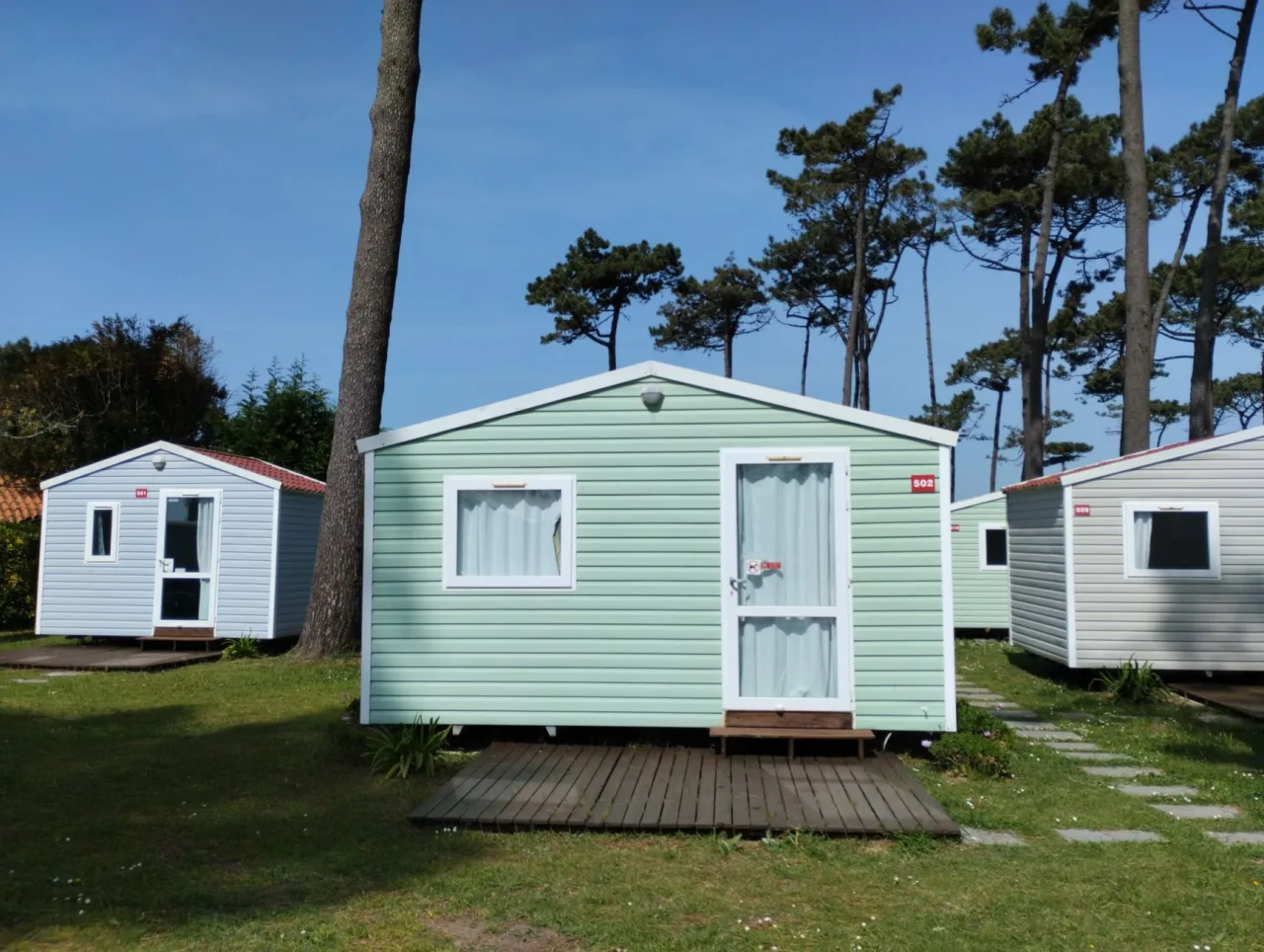
The word "bungalow" means two rather different things depending on where you hear it. To a house buyer it is a single-storey home. To a camper booking a European holiday it is a comfortable cabin or mobile home on a campsite. This guide covers both, with a focus on the camping bungalow that lets you enjoy the outdoors without pitching a tent.
The short version
- A bungalow, in architecture, is a small single-storey (or one-and-a-half-storey) house, often with a veranda. The name comes from the Bengali word "bangla".
- On campsites and holiday parks, a "bungalow" usually means a rented cabin, chalet or mobile home: a solid-walled unit with beds, a kitchen and a bathroom.
- Camping bungalows suit families and anyone who wants the outdoors without tent gear, weather worries or setup.
- Prices vary hugely by region, season and size, so treat any figure as a rough range and confirm current rates when you book.
Two meanings of one word
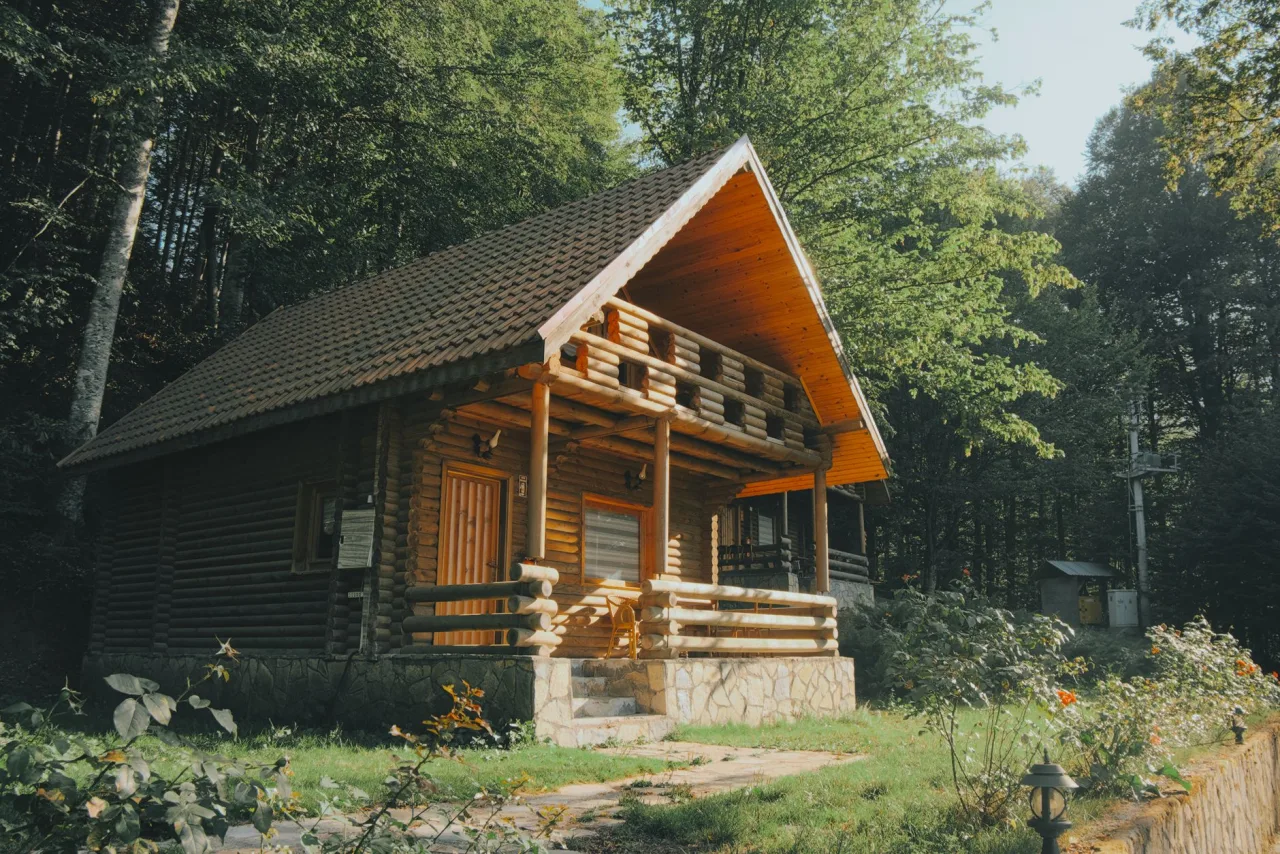
Before you shop or book, it helps to know which bungalow someone means. The original sense is architectural: a bungalow is a small house that is typically single storey, or one-and-a-half storeys with rooms set into the roof, and often wrapped by a wide veranda. The term derives from "bangla", meaning a house built in the Bengal style, and the design spread through the British Empire and then across Europe and North America.
The camping and holiday sense borrows that image of a simple, self-contained dwelling and applies it to accommodation on a campsite or holiday park. Here a bungalow is a rented cabin or mobile home you sleep in instead of a tent. The rest of this guide focuses on that camping bungalow, because it is where the two worlds of "bungalow" and "camping site" meet.
What a camping bungalow actually is
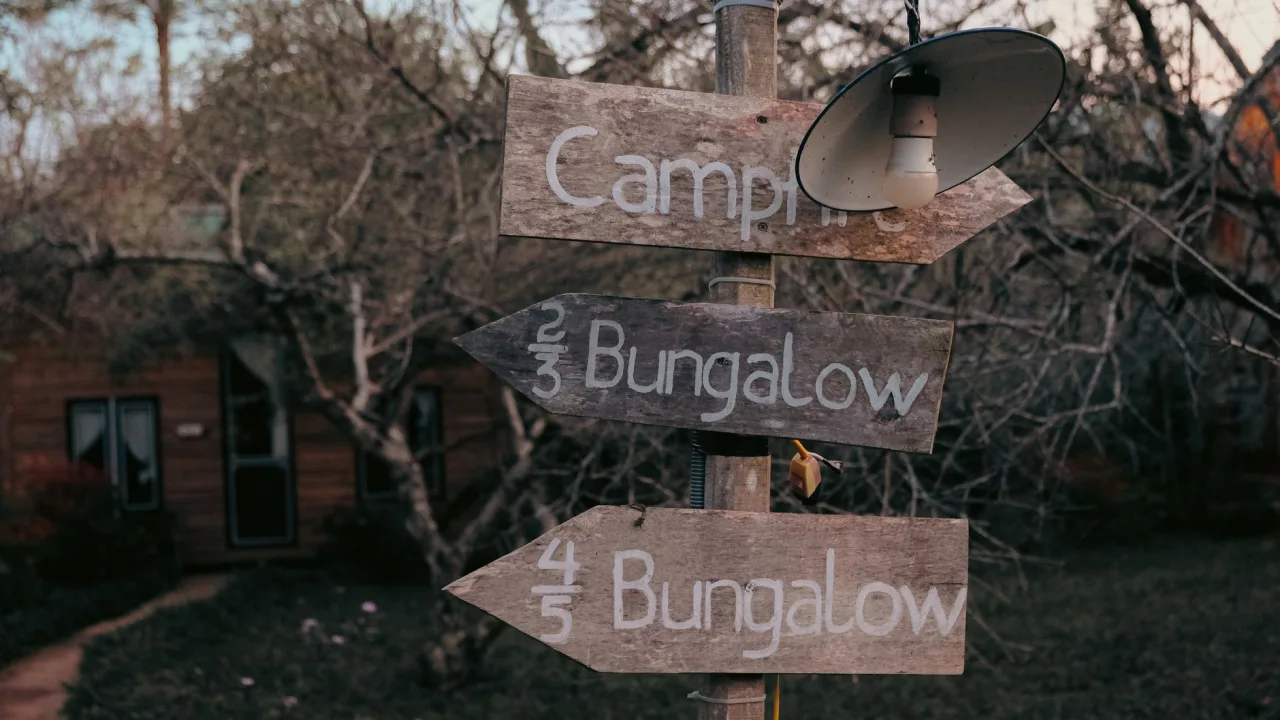
On a campsite, a bungalow is a fixed or semi-permanent unit rented by the night or week. In practice it overlaps heavily with what many European parks call a mobile home, which the industry uses to describe fixed caravans, purpose-built cabins and even large permanent tents rented as affordable holiday accommodation. A typical camping bungalow offers:
- Solid walls and a proper roof, so weather is never a problem the way it can be in a tent.
- Separate bedrooms, often sleeping four to eight people, making them popular with families and groups.
- A kitchen or kitchenette, with a hob, fridge and basic equipment for cooking.
- A private bathroom, with a shower and toilet, so no midnight walks to the shower block.
- A terrace or veranda, echoing the original bungalow, where you sit out and enjoy the site.
This is camping without the camping gear. You still stay on a site among the trees, near the pool or beside a lake, but you sleep in a bed under a solid roof. If you are weighing it against a tent trip, our complete guide to camping and camping sites guide set out the alternatives.
Tip: Terminology varies by country and operator. The same style of unit might be sold as a bungalow, a mobile home, a chalet, a lodge or a cabin. Judge the listing by the photos, the sleeping capacity and the facilities rather than the label on it.
Bungalow, glamping or tent: which suits you
A camping bungalow sits on a spectrum between roughing it in a tent and staying in a hotel. Choosing well means matching the style to your group and expectations.
- Tent camping is the cheapest and most flexible, closest to nature and most dependent on the weather and on carrying gear.
- A camping bungalow keeps the campsite setting and outdoor feel while adding beds, a kitchen and a bathroom. It suits families, older travellers and anyone who wants comfort without a hotel.
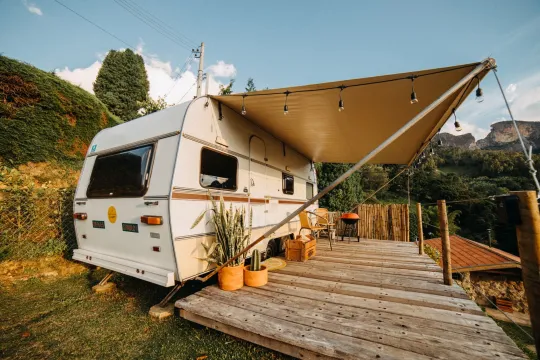
- Glamping covers safari tents, pods, yurts and treehouses, often with a more stylish or novelty feel than a standard bungalow.
If you like the sound of something more characterful than a standard cabin, our glamping guide explores the more unusual stays, while the bungalow remains the practical, roomy, family-friendly middle ground.
What it costs, honestly
Camping bungalow prices swing so widely that any fixed figure would mislead you. The cost depends on the country, the region, the time of year, the size of the unit and the quality of the park. A small off-season cabin at a modest inland site and a large peak-season bungalow at a coastal resort with pools and entertainment can differ by a factor of several.
The honest way to budget is to think in ranges and confirm real prices at the point of booking. As a rough guide, expect school holidays and summer weekends to command the highest rates, and shoulder seasons in spring and autumn to offer the best value. Longer stays and midweek bookings often come cheaper per night. Whatever a guide or advert suggests, always check the current, all-in price, including any cleaning or tourist-tax fees, before you commit.
Where to find and book a bungalow
Camping bungalows are widely offered by European holiday-park brands and by individual campsites, and you book them much like a hotel room, choosing dates and unit size online. When comparing options, an honest checklist beats any star rating:
- Location and setting: near a beach, lake or mountains, and how far from the attractions you actually want.
- Sleeping capacity and layout: enough real beds for your group, not a sofa bed counted as a bedroom.
- Facilities on site: pools, restaurants, shops, play areas and activities, which matter most for families.
- Recent, independent reviews: read the newest guest reviews for the true state of the units, not just the brochure photos.
- The full price: the all-in cost including fees, not the headline nightly rate.
Brands such as those covered in our Eurocamp review and alternatives specialise in exactly this style of stay, and comparing a few operators is the surest way to a good deal.
Warning: Be cautious with any listing that quotes a suspiciously low "from" price. That figure usually reflects the smallest unit in the quietest week. Always run a real date search for your actual party size and travel dates to see the true cost before you get attached to a park.
Making the most of a bungalow holiday
The joy of a camping bungalow is that it combines the freedom of a campsite with the comfort of a base you can relax in whatever the weather. Pack lighter than you would for a tent, since bedding and a kitchen are usually provided, though always check what is included, as some parks charge extra for linen. Spend your energy on the outdoors: walks, swimming, cycling and evenings on the terrace. For touring travellers who normally sleep in a van, a bungalow also makes a comfortable break in a longer trip, a way to reset before heading off again with tools like park4night to find your next overnight spot.
Frequently asked questions
What is a bungalow?
In architecture, a bungalow is a small house that is typically single storey, or one and a half storeys with rooms in the roof, often with a wide veranda. The name comes from the Bengali word "bangla". On campsites and holiday parks, a bungalow usually means a rented cabin or mobile home with beds, a kitchen and a bathroom.
What is the difference between a camping bungalow and a mobile home?
In practice they overlap heavily. European campsites use "mobile home" for fixed caravans, purpose-built cabins and even large permanent tents rented as accommodation, and "bungalow", "chalet", "lodge" and "cabin" often describe the same style of unit. Judge a listing by its photos, sleeping capacity and facilities rather than the exact label.
How much does a camping bungalow cost?
Prices vary widely by country, region, season, unit size and park quality, so no fixed figure is reliable. Peak summer and school holidays cost the most, while spring and autumn offer better value, and midweek or longer stays are often cheaper per night. Always run a real date search and confirm the all-in price before booking.
Is a bungalow better than a tent for a family?
It depends on your priorities. A bungalow adds beds, a kitchen and a private bathroom, and removes weather worries and setup, which many families prefer. A tent is cheaper, more flexible and closer to nature but depends on good weather and carrying gear. A bungalow is the comfortable middle ground between a tent and a hotel.
What is usually included in a camping bungalow?
Most camping bungalows include beds, a kitchen or kitchenette with basic equipment, a private bathroom with shower and toilet, and often a terrace. Bedding and linen are sometimes included and sometimes charged as an extra, so always check the listing. Facilities like pools and restaurants depend on the wider park.
Sources and further reading:
- Bungalow on Wikipedia for the architectural meaning, origins and characteristics.
- Mobile home on Wikipedia for how campsites use mobile homes and cabins as holiday accommodation.
More guides on Camping & Outdoors (General)
Have a question or a topic to suggest?
We read every message. Tell us what you would like to see next on the blog.
Get in touchYou may also like
Eurocamp: Review, Prices & Alternatives
What Eurocamp is, who it suits, how pricing and cancellation work, and the alternatives worth comparing before you book.
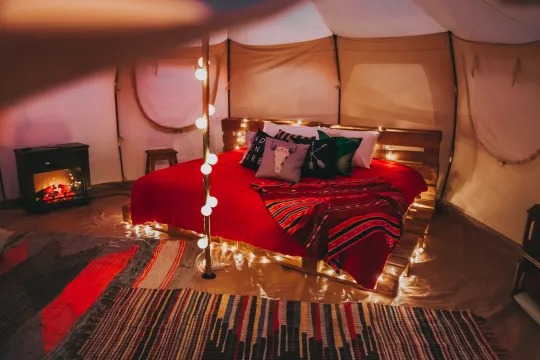
Glamping: The Complete Guide
What glamping is, the main accommodation types, realistic costs, and how to choose a stay that lives up to the listing.
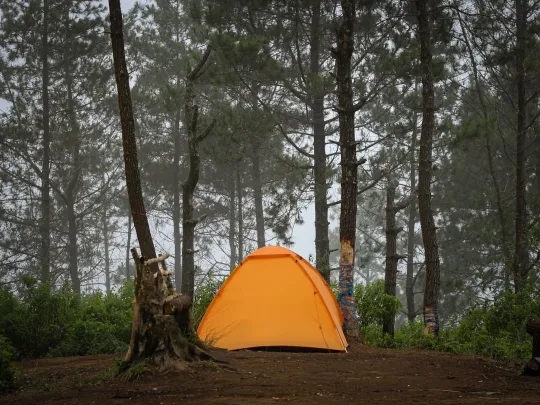
Camping Sites: The Complete Guide
From full-facility holiday parks to wild backcountry pitches, this complete guide maps the types, costs, amenities and booking of camping sites.