Camping & Outdoors (General) · Camping & Outdoors (General)
Outdoor Adventure
Outdoor adventure covers everything from a first afternoon hike to a multi-day backcountry expedition
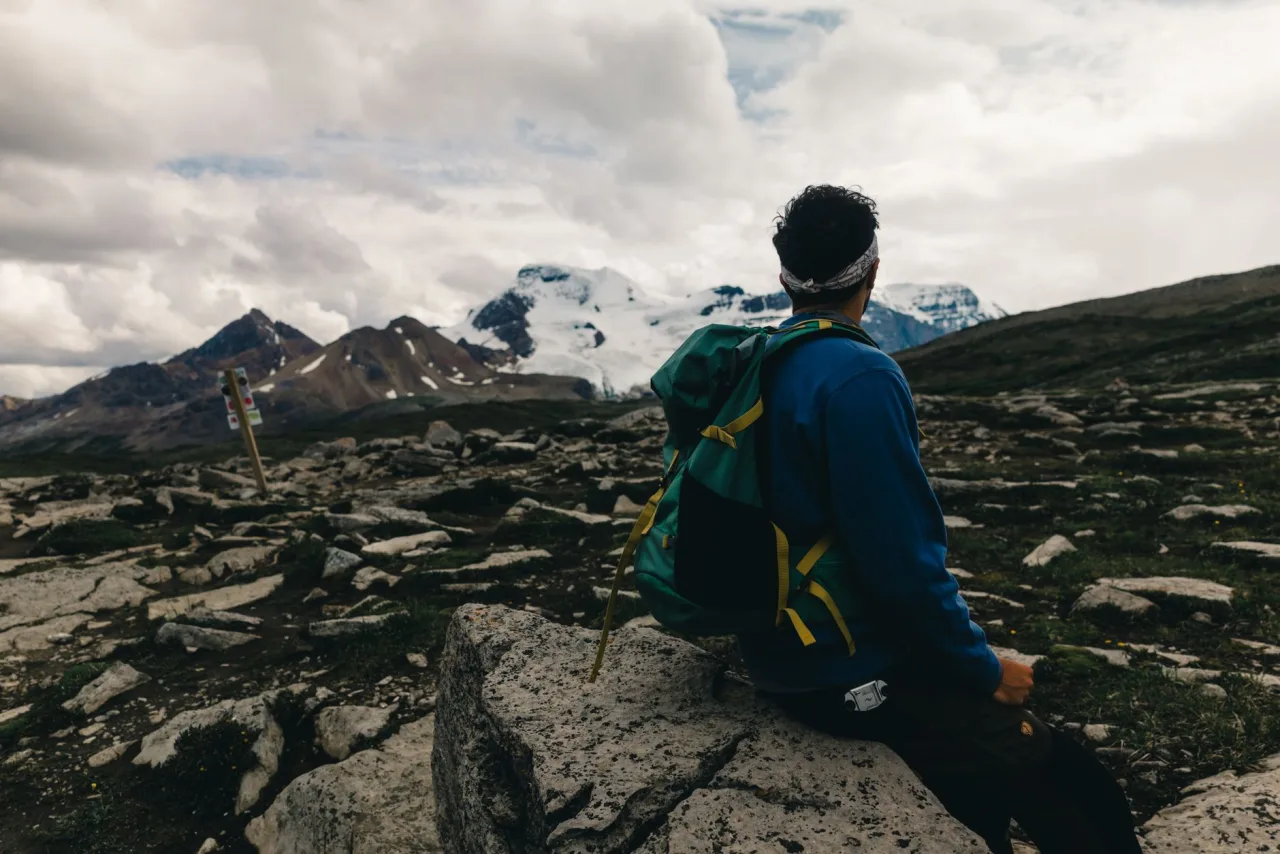
Outdoor adventure covers everything from a first afternoon hike to a multi-day backcountry expedition, and the good news is that you can start almost anywhere. This complete guide explains what counts as outdoor adventure, the main types to try, how to pick a sensible first outing, and what it all costs, so you can swap daydreaming for a real plan.
The short version
- Outdoor adventure means recreation in natural settings, from gentle to demanding.
- Pick an activity that matches your fitness, budget and appetite for risk.
- A great first adventure is short, local and forgiving, with an easy exit.
- Costs scale from almost free walks to gear-heavy or guided trips.
What outdoor adventure actually means
At its core, outdoor adventure is recreation done outside in natural surroundings, usually for exercise, wellbeing or the simple pleasure of being in the landscape. The overview of outdoor recreation describes it as activity pursued for physical exercise, general wellbeing and spiritual renewal, with far less emphasis on competition than organised sport. That framing is helpful, because it means the goal is your own experience, not beating anyone else.
Some outdoor pursuits also carry a deliberate element of challenge. The idea of adventure travel adds a degree of real or perceived risk, some physical exertion and sometimes special skills. You do not have to chase that edge to enjoy the outdoors, but understanding it helps you decide how far outside your comfort zone you actually want to go.
The main types of outdoor adventure
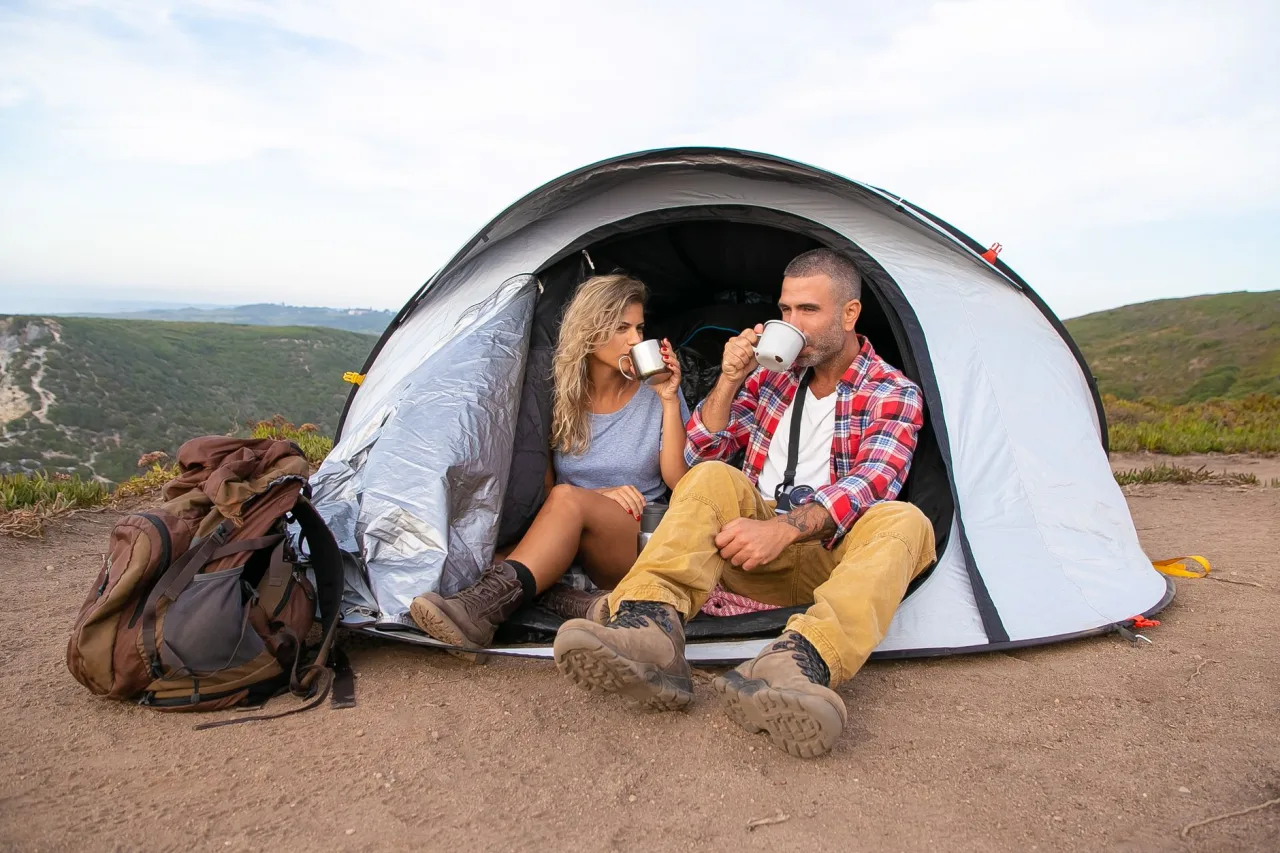
Adventures fall into a few broad families, and knowing them makes planning far easier because each points at different gear, skills and locations:
- Land-based on foot: hiking, backpacking, trail running and rock climbing, the most accessible entry points.
- Water-based: kayaking, canoeing, paddleboarding, rafting and open-water swimming.
- Wheels: mountain biking, gravel riding and cycle touring, which cover ground fast.
- Winter: skiing, snowshoeing and winter walking, seasonal but hugely rewarding.
- Height and thrill: zip lines, high ropes, via ferrata and bouldering, big on adrenaline.
Many people blend several of these over a season. Camping often sits at the centre because it lets you reach and stay near the action. If sleeping outdoors is part of the appeal, our adventure camping guide shows how to combine an active trip with a night under canvas, and anyone drawn to the thrill end should read our complete guide to ziplining.
Choosing your first adventure
The outings that put people off are usually the overambitious ones: a long, remote route with untested gear and no margin for error. A far better first adventure is short, close to home, and easy to abandon if the weather turns or something is not working. Success early builds the confidence that carries you into bigger trips later.
Match the activity to three honest questions: how fit are you right now, how much do you want to spend before you know you enjoy it, and how comfortable are you with risk. A local half-day hike or a guided taster session answers all three cheaply. If you would rather have instruction and equipment provided, a supervised venue is a smart place to begin, which we cover in our outdoor adventure center guide.
Tip: Always leave a plan with someone. A short message saying where you are going and when you expect to be back turns a small mishap into a minor delay rather than an emergency, and costs you nothing.
Gear and skills that matter
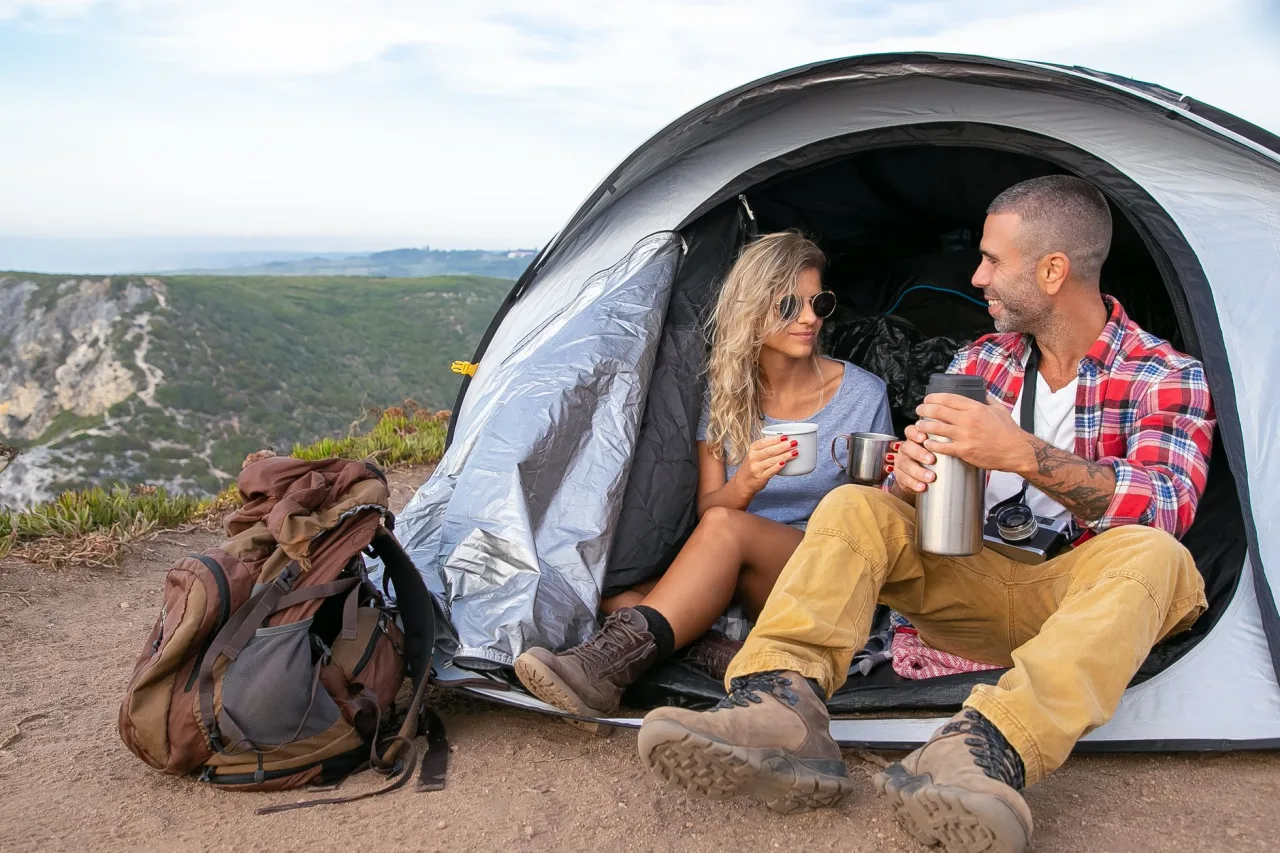
You do not need a cupboard full of equipment to start, but a few basics keep almost any outing safe and enjoyable. Prioritise staying warm, dry, fed, hydrated and navigable before buying anything specialised.
- Layered clothing: items you can add or remove, plus a waterproof, since conditions change fast outdoors.
- Sturdy footwear: supportive shoes or boots suited to the terrain, the single biggest comfort upgrade.
- Navigation: a map and the skill to read it, with a phone or GPS as backup rather than your only tool.
- Food, water and a small first-aid kit: enough to handle delays and minor scrapes.
- Light and warmth: a head torch and an emergency layer in case you are out longer than planned.
Skills matter as much as kit. Basic navigation, checking a weather forecast, and knowing your own limits prevent far more problems than expensive gadgets ever solve. For activities like climbing or paddling, a single lesson from a qualified instructor is money well spent before you go alone.
What outdoor adventure costs
One of the best things about the outdoors is how far it flexes to your budget. Costs split into two buckets: gear you buy once, and per-trip fees such as parking, permits, hire or guiding. Treat every figure as a range, because prices vary widely by region, season and how remote you go.
- Free or near-free: walking, hiking and wild swimming on open-access land, once you own basic clothing.
- Low cost: a modest outlay for hire gear, parking or a campsite pitch to reach better spots.
- Moderate: buying your own bike, kayak or climbing kit, spread over time as your interest grows.
- Higher: guided trips, courses and thrill venues, which bundle equipment, safety and instruction.
Guiding and courses can look expensive, but they often save money overall by removing the need to buy gear you may not use again, and they shorten the learning curve dramatically. When you are ready to base a trip somewhere scenic, our roundup of how to find great camping places near you helps you turn an adventure into a full weekend.
Staying safe and leaving no trace
Most outdoor risks are manageable with a little preparation. Check the forecast, tell someone your plans, carry the basics above, and be honest about turning back when conditions or your energy say so. The mountains and rivers will still be there next week, so no single outing is worth pushing past your limits for.
Caring for the places you visit keeps them open and beautiful for everyone. The Leave No Trace seven principles are the standard here: plan ahead, stick to durable surfaces, pack out all waste, leave what you find, minimise fire impact, respect wildlife, and be considerate of other visitors. They apply just as much to a local park as to a wilderness expedition, and they are the simplest way to be a responsible adventurer.
Building from beginner to bigger trips
Progression is the fun part. Once a local hike feels easy, add distance, height or a night outdoors. Once a calm-water paddle feels natural, try moving water with instruction. The pattern is always the same: build skills and fitness gradually, add one new variable at a time, and keep a comfortable margin so that learning stays enjoyable rather than frightening.
A useful long-term habit is to keep a simple log of what you did, what worked and what you would change. Over a season it becomes a personal map of your growing ability, and it makes planning the next, slightly bolder adventure far easier. If camping is becoming part of the picture, our guide to choosing a camping area pairs neatly with any activity you settle on.
Frequently asked questions
What counts as an outdoor adventure?
Any recreation done in a natural setting, from a gentle local hike to a demanding expedition, counts as outdoor adventure. It is usually pursued for exercise, wellbeing or enjoyment rather than competition, and it can include an element of challenge or perceived risk, though that intensity is entirely up to you.
What is a good first outdoor adventure for a beginner?
A short, local, low-risk outing with an easy exit is ideal, such as a half-day hike on a marked trail or a guided taster session. Keeping the first trip small and forgiving lets you learn what you enjoy and what gear you need without much cost or pressure, and it builds confidence for bigger trips.
How much does outdoor adventure cost?
It ranges from almost nothing to a significant outlay. Walking and hiking are close to free once you own basic clothing, hiring gear or paying for a pitch is low cost, and guided trips or courses cost more but bundle equipment, safety and instruction. All prices vary by region and season, so confirm current rates when booking.
Do I need special gear to start?
Not much. Layered clothing, a waterproof, sturdy footwear, navigation, food, water and a small first-aid kit cover most beginner outings. Specialised equipment for climbing or paddling can be hired at first, which lets you try an activity before committing to buying kit you might not use again.
How do I stay safe outdoors?
Check the weather, leave your plan with someone, carry the basics, and be willing to turn back when conditions or your energy demand it. Building skills gradually and taking a lesson for technical activities prevents most problems. Following Leave No Trace principles also keeps you and the places you visit safe.
More guides on Camping & Outdoors (General)
Have a question or a topic to suggest?
We read every message. Tell us what you would like to see next on the blog.
Get in touchYou may also like
Best Camping Places Near Me: Find
Searching for the "best camping places near me" is really a search for the right place for your trip, not a fixed leaderboard that suits everyone.
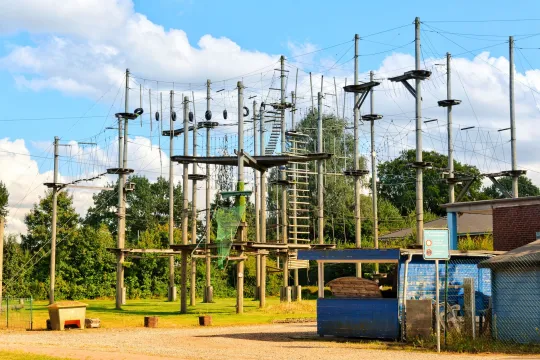
Outdoor Adventure Center
An outdoor adventure center is one of the easiest ways to try climbing, zip lines, kayaking or high ropes without buying gear or teaching yourself the ropes.
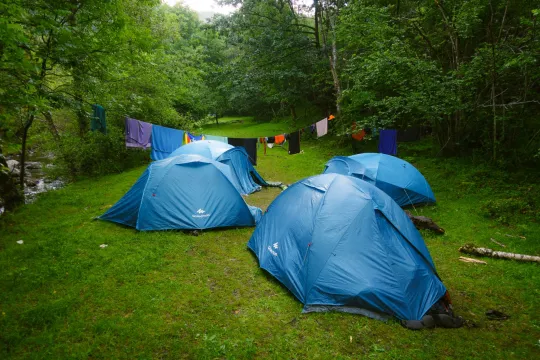
Area for Camping
Choosing the right area for camping matters as much as the tent you pitch on it, because a sheltered, well-run spot can rescue a modest setup while a bad one can defeat the best gear.