Start Camping · Camping & Outdoors (General)
Camping: The Complete Guide
Types of camping, the gear that matters, planning a first trip and what it all costs, explained without the jargon.
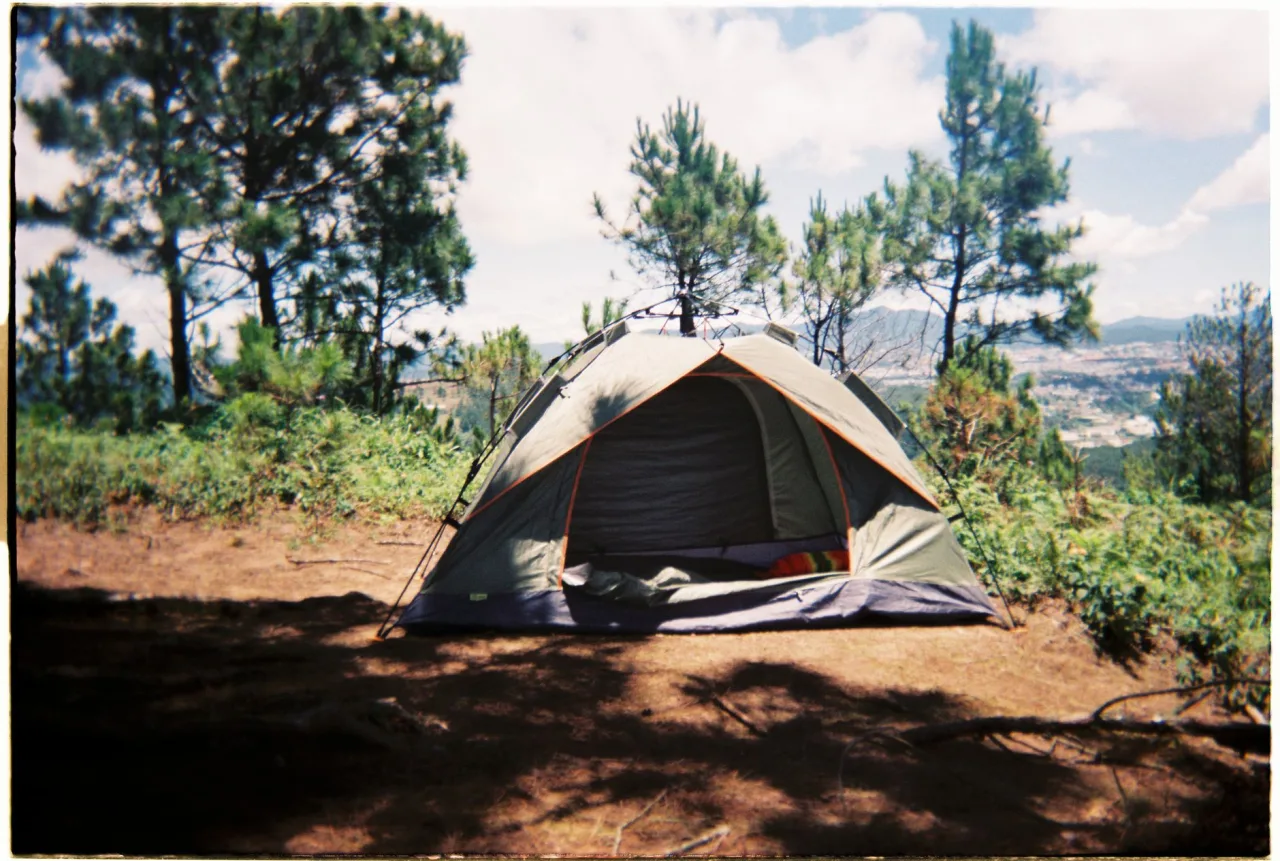
Camping is one of the most affordable and flexible ways to spend time outdoors, from a single night under canvas to weeks touring in a motorhome. This complete guide walks you through the types of camping, the gear that matters, how to plan a first trip and what it all costs, so you can start with confidence rather than guesswork.
The short version
- Camping means staying overnight outdoors, in anything from a tent to an RV or a cabin.
- Your style of camping decides your gear, your budget and which sites suit you.
- A good first trip is short, close to home and at a site with proper facilities.
- Costs scale with comfort, from near-free wild pitches to full-service resorts.
What camping actually is
At its simplest, camping is spending the night away from home in the outdoors for recreation. That can mean a tent in a forest, a hammock between two trees, a campervan in a coastal car park or a hire cabin at a holiday park. What ties these together is the goal: to enjoy or learn from the outdoors while sleeping somewhere other than a permanent building. The general definition of camping stretches from minimalist survival trips to comfort-focused stays, which is why the word feels so broad.
The appeal is partly practical and partly emotional. Camping is usually far cheaper than hotels, it puts you close to nature and dark skies, and it gives a sense of self-reliance that a serviced holiday rarely does. It also scales to almost any budget and fitness level, which is a big reason so many people return to it year after year.
The main types of camping
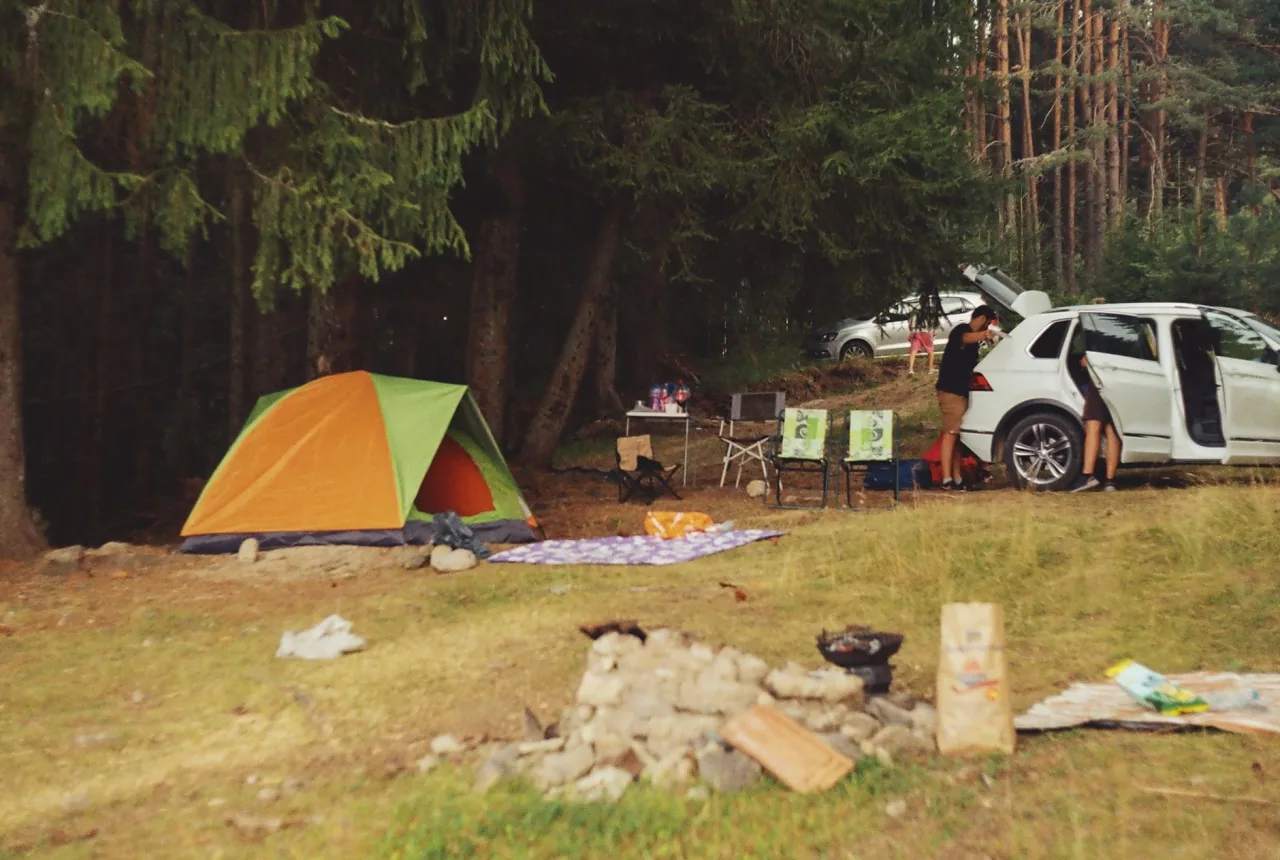
Choosing a style early makes every other decision easier, because it dictates your kit, your budget and where you can stay. The most common types are:
- Tent camping: the classic and cheapest entry point, hugely flexible and suitable for almost any site.
- RV and campervan camping: more comfort and weather protection, at a higher cost and needing suitable pitches.
- Glamping: pre-set tents, pods or cabins with beds and sometimes bathrooms, a soft landing for newcomers.
- Backpacking: carrying lightweight gear to remote pitches on foot, prized for solitude and scenery.
- Car camping: driving to a site and pitching beside the vehicle, the easiest way to bring plenty of comfort.
Many people mix styles over time, starting with a serviced campsite and later trying something wilder. If comfort is a priority, our glamping guide is worth a look, while anyone drawn to touring should read the RV camping guide for a fuller picture.
The gear that genuinely matters
You do not need a garage full of equipment to start, but a few items make or break a trip. Prioritise sleep, shelter and staying warm and dry before anything else.
- Shelter: a tent sized for your group with a bit of spare room, or a booked cabin or pod if you are easing in.
- Sleep system: a sleeping bag rated for the season plus an insulating mat, which matters as much as the bag itself.
- Warmth and layers: clothing you can add or shed, plus a hat, since nights are colder than people expect.
- Cooking: a simple stove, fuel, a pot and basic utensils, so you are not dependent on campfires.
- Light and power: a head torch, spare batteries and a power bank for phones and maps.
Quality counts most for the items that keep you warm and rested. If you are buying a first tent, our roundup of the best tents by budget explains what to look for, including how to read temperature and season ratings without the jargon.
Tip: Do a garden or living-room test pitch before your first trip. Putting the tent up once at home, in daylight and no wind, turns a stressful arrival into a five-minute job at the site.
How to plan a first trip
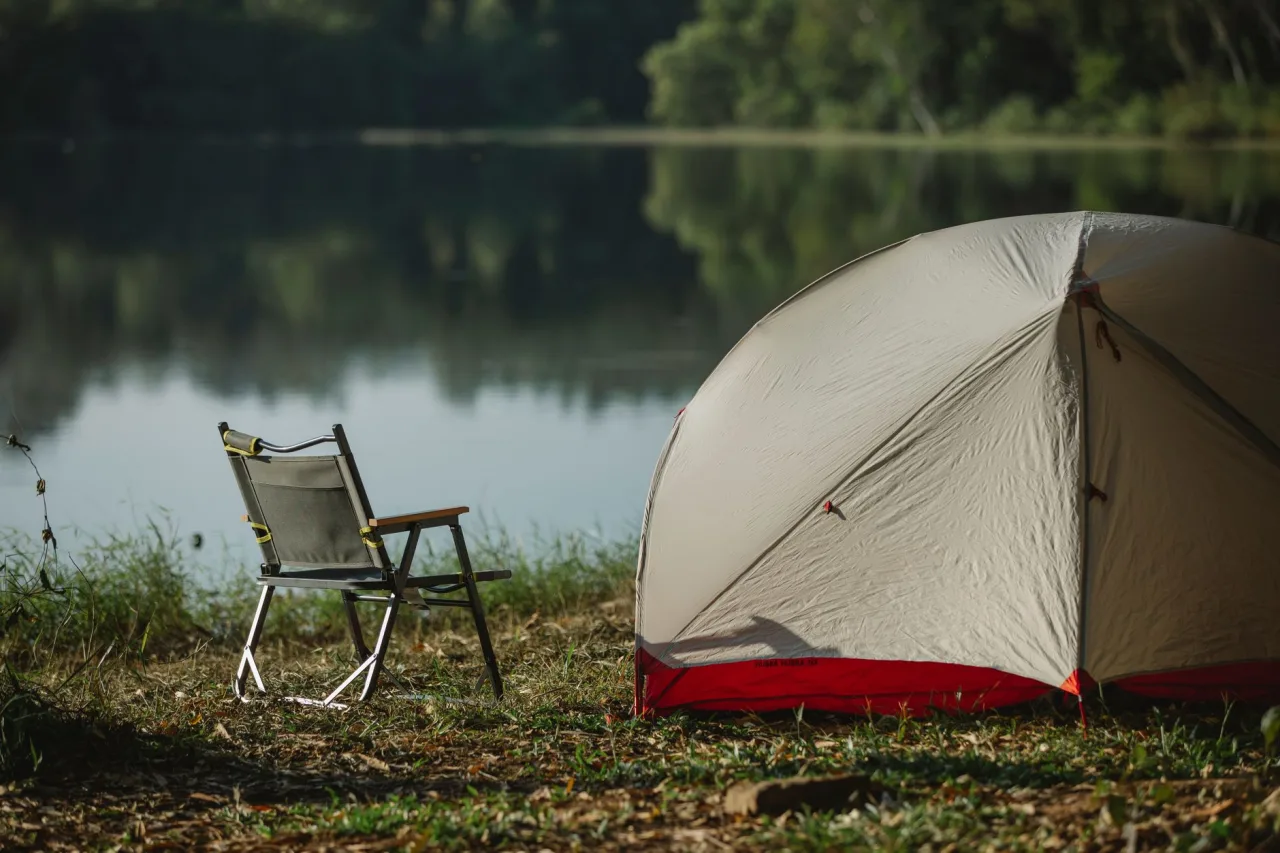
The trips that put people off camping are usually the ambitious ones: a remote, multi-night adventure with untested gear and bad weather. A far better first outing is a single night at a well-run site close to home, with toilets and showers, so any missing item is a minor annoyance rather than a crisis.
Pick a date with a reasonable forecast, arrive with daylight to spare, and keep your food plan simple. Booking a proper campsite for that first trip also means help is on hand if something goes wrong. When you are ready to search, our guides to finding camping near you and comparing campgrounds walk through choosing a site step by step. Official resources such as the National Park Service camping pages are also excellent for beginners, with practical advice on where to start and how to camp responsibly.
What camping costs
One of camping's strengths is how far it flexes to your budget. Costs fall into two buckets: the gear you buy once and the nightly fees you pay per trip. Treat all figures as ranges, since prices vary by region, season and how developed a site is.
- Wild and primitive pitches: often free or very low cost, with few or no facilities.
- Developed public campgrounds: a modest nightly fee for toilets, water and sometimes showers.
- Private parks and holiday sites: more per night for showers, shops, pools and hook-ups.
- Glamping and cabins: the highest nightly cost, but with little or no gear to buy.
Gear can be spread over time. A basic tent, sleeping bag and mat get you started, and you can add comfort items as you go. Buying quality for the few things that affect sleep and warmth usually pays off, while you can economise on almost everything else.
Staying safe and camping responsibly
Most camping risks are easily managed with a little preparation. Check the weather, tell someone your plans, pack a small first-aid kit, and know the site's rules on fires and wildlife. Keep food stored properly where animals are a concern, and never run stoves or heaters inside a closed tent because of carbon monoxide.
Responsible habits protect both you and the places you visit. Pack out all rubbish, keep to marked pitches and paths, respect quiet hours, and follow the local fire policy, which may forbid open flames entirely in dry conditions. These low-impact principles keep sites open and pleasant for the campers who follow you, and they apply just as much to a serviced holiday park as to a remote forest pitch.
Frequently asked questions
Is camping suitable for complete beginners?
Yes. The easiest start is a single night at a well-run campsite close to home, with toilets and showers, in decent weather. That way any forgotten item is a small inconvenience rather than a problem, and you can build up to wilder or longer trips as your confidence and kit grow.
What gear do I really need for a first camping trip?
Focus on shelter, sleep and warmth first: a suitable tent, a season-appropriate sleeping bag and an insulating mat, warm layers, a simple stove and a head torch. These cover the essentials. You can add comfort items like chairs and extra cookware once you know how you like to camp.
How much does camping cost?
It ranges enormously. Wild or primitive pitches can be free or very cheap, developed public campgrounds charge a modest nightly fee, and private parks or glamping cost more for added comfort. Gear is a one-off spread over time. All figures vary by region and season, so confirm current rates when you book.
What is the difference between camping and glamping?
Camping usually means bringing and setting up your own shelter and gear, while glamping provides a ready-made tent, pod or cabin with beds and sometimes a bathroom. Glamping costs more per night but removes most of the kit and setup, which makes it a gentle introduction for newcomers.
Do I need to book, or can I just turn up?
For popular sites and peak dates, booking ahead is strongly advised because campgrounds fill early. Some public-land sites keep first-come pitches, but they can go by early afternoon on busy weekends. Booking gives peace of mind, especially for a first trip where you want facilities and support on hand.
More guides on Camping & Outdoors (General)
Have a question or a topic to suggest?
We read every message. Tell us what you would like to see next on the blog.
Get in touchYou may also like
Camping Near Me: Find and Compare Spots
A practical method for finding, comparing and choosing a genuinely good campsite close to you, using the tools and questions experienced campers rely on.
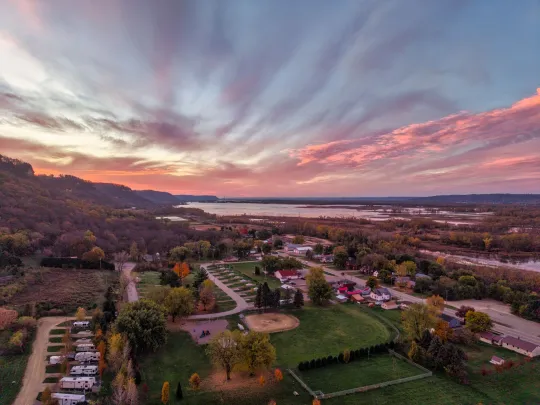
Campgrounds: Find and Compare Spots
How to tell campgrounds apart, compare them fairly and pick the one that fits your trip, whether you are in a tent, a trailer or a hire cabin.
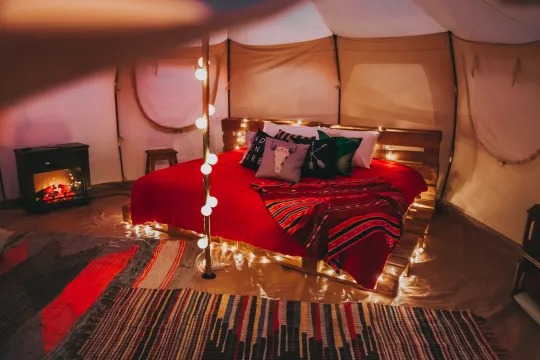
Glamping: The Complete Guide
What glamping is, the main accommodation types, realistic costs, and how to choose a stay that lives up to the listing.