Wild Camping · Camping & Outdoors (General)
Adventure Camping: Complete Guide
Backpacking, paddling and bikepacking styles, the gear that earns its weight, and how to plan a first trip safely.
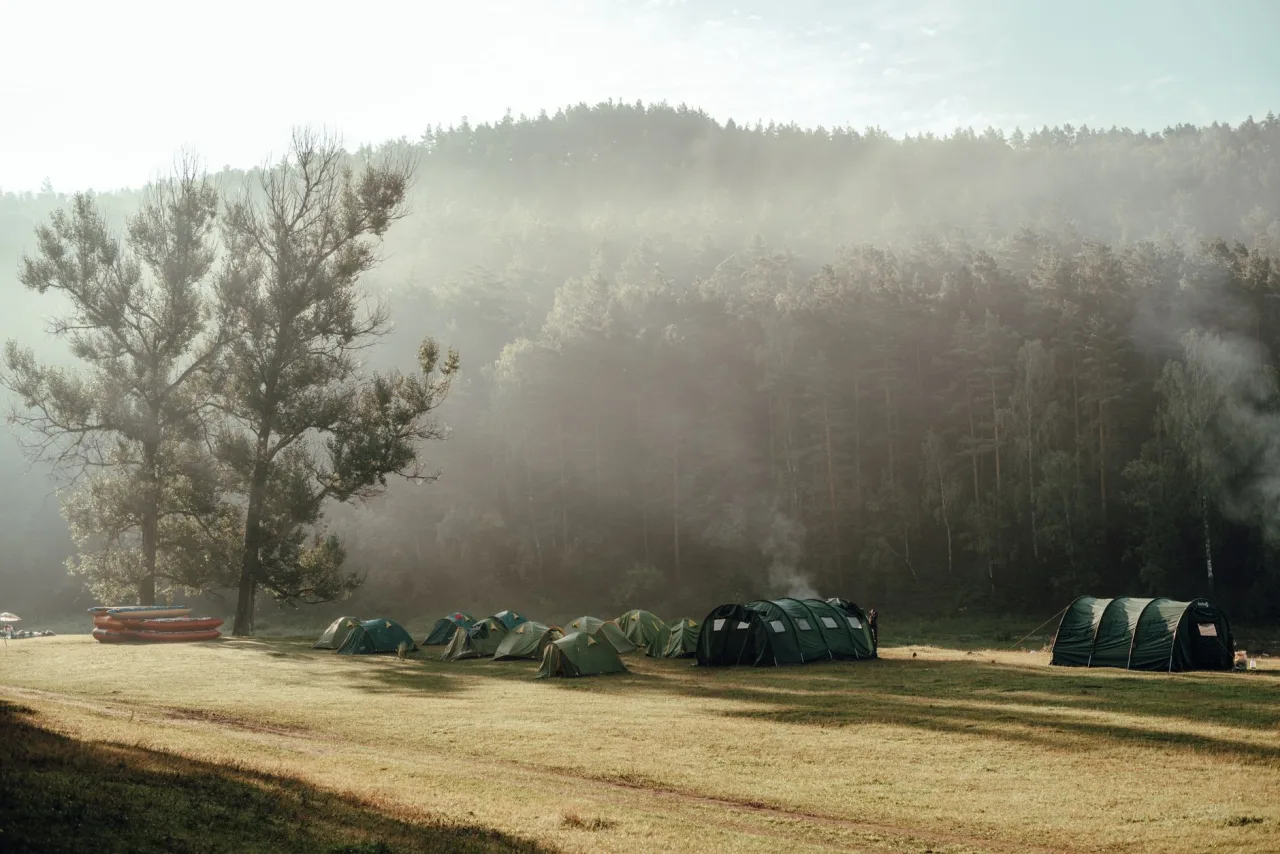
Adventure camping is what happens when the campsite stops being the destination and becomes the basecamp. Instead of parking beside the car and staying put, you hike, paddle, climb or ride to reach a wilder pitch, and the journey is half the point. This complete guide explains the main styles of adventure camping, what they cost, how to stay safe, and how to plan your first trip without biting off more than you can chew.
The short version
- Adventure camping combines camping with an activity like backpacking, paddling, cycling or climbing, so the pitch is earned rather than driven to.
- Start close and short. Your first backcountry night should be an easy walk from safety, not a remote expedition.
- Weight and reliability rule your kit list, because you carry everything and cannot pop to the car for a forgotten item.
- Leave No Trace is not a nicety in the backcountry, it is the rule that keeps wild places worth visiting.
What counts as adventure camping
Adventure camping is a loose family of styles united by one idea: you travel under your own power to a campsite rather than driving right up to it. Wikipedia's overview of camping describes how backpacking combines camping with hiking, and how survivalist and wild campers deliberately set off with as little as possible. Those are the roots of adventure camping, and the modern versions branch out from there.
If you have only ever car camped, this is a different game. You trade the comfort of unlimited gear for solitude, scenery and self reliance. That trade is the whole appeal, but it also means planning matters far more, because your safety margin is thinner. Before your first trip, it is worth being solid on the fundamentals covered in our complete guide to camping.
The main styles of adventure camping
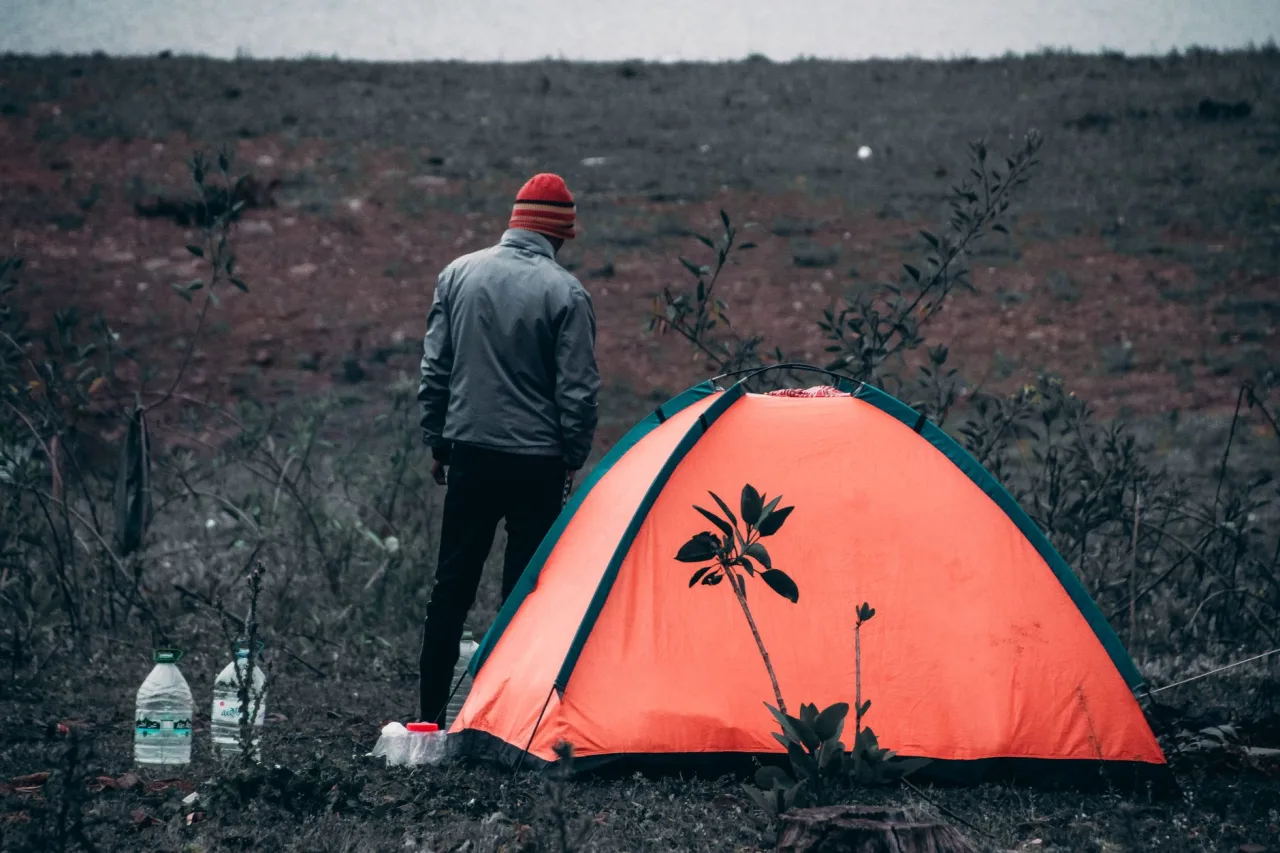
Adventure camping is not one activity but several, and each rewards a slightly different kind of planning and kit. Pick the one that matches the activity you already enjoy.
- Backpacking. Camping combined with hiking, carrying your shelter and food on your back to a wilderness pitch. The classic entry point and the most flexible.
- Bikepacking. Loading camping gear onto a bicycle to cover more ground than walking allows, often on gravel or trails.
- Canoe and kayak camping. Paddling to remote shorelines and islands, where the boat carries more weight than your back ever could.
- Mountain and climbing camps. Using a camp as a basecamp for summits or climbs, with the added demands of altitude, cold and technical terrain.
Many people blend these over time. What they share is a dependence on light, reliable gear and on genuinely knowing the route and the weather before setting out.
Gear that earns its place
In adventure camping every item is carried by you, so the question for each piece is simple: is it worth its weight. That single filter transforms your packing. A car camper can bring a spare of everything; an adventure camper brings the lightest reliable version of each essential and nothing more.
- Shelter. A lightweight, weatherproof tent or tarp sized honestly for your group. Our tested tent picks by budget flag the lighter options.
- Sleep system. A sleeping bag rated for the real conditions plus an insulating mat, since ground cold saps warmth faster than air. See our sleeping bag guide.
- Cooking. A compact stove and minimal cookware. Lightweight stoves are also the low impact choice for cooking in the backcountry. Compare options in our camping stove roundup.
- Navigation and safety. Map and compass or GPS, a first aid kit, a headtorch, and enough warm and waterproof layers for the worst weather you might meet.
- Water and food. A way to treat water and calorie dense food that does not need refrigeration.
Tip: do a shakedown night first
Before a real trip, sleep one night in your full setup somewhere safe and close, even the back garden. You will discover the missing tent peg, the too thin mat or the fiddly stove while it is still easy to fix, not miles from the nearest road.
What adventure camping costs
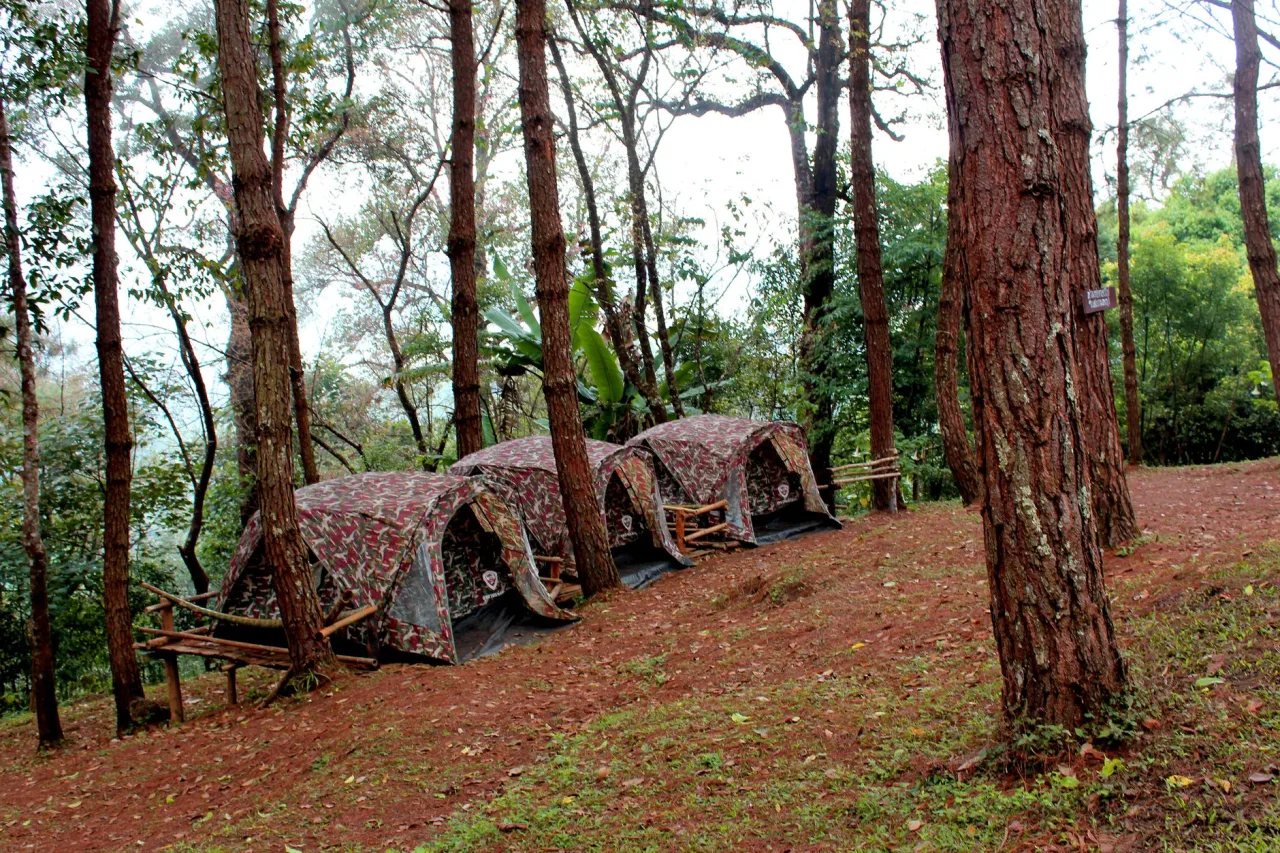
Adventure camping can be one of the cheapest ways to travel or a serious investment, depending entirely on your gear choices. The pitch itself is often free or low cost, since backcountry and dispersed camping on public land frequently carries no fee or only a modest permit charge, though this varies by location and always needs checking.
The real spend is on kit, and here you can go three ways. Budget gear gets you out the door and works fine for gentle trips in mild weather. Mid range gear lasts longer and shaves weight. Premium ultralight gear costs the most and matters mainly for long or extreme trips. Treat any price you read as a range that shifts with brand, season and sales, and buy the level that matches how far and how often you will actually go. You do not need top tier equipment for a one night walk in.
Planning your first trip safely
Ambition is the biggest hazard for new adventure campers. The fix is to start small and build. Your first backcountry night should be a short, well marked walk from your car or a road, in settled weather, with an easy exit if something goes wrong. Nail that, then extend distance, remoteness and difficulty one step at a time.
Whatever the style, follow these non negotiables:
- Tell someone your route and expected return time before you leave.
- Check the weather forecast and be willing to postpone. The mountains will still be there next weekend.
- Confirm the rules for where you plan to camp, since permits and fire bans are common and enforced.
- Carry more water, food and warmth than you think you need for the planned duration.
- Know your turnaround point and use it. Reaching a summit means nothing if you cannot get back safely.
Leave No Trace in the backcountry
Wild places stay wild only because visitors protect them, and the seven Leave No Trace principles are the standard framework for doing that. They are worth learning by heart: plan ahead and prepare, travel and camp on durable surfaces, dispose of waste properly, leave what you find, minimise campfire impacts, respect wildlife, and be considerate of other visitors.
In practice this means camping at least the recommended distance from water, packing out everything including food scraps and hygiene products, using a lightweight stove instead of a fire where fires are discouraged, and observing wildlife from a distance without ever feeding it. The more remote your camp, the more these habits matter, because there is no one behind you to clean up.
Warning: respect your own limits
Remote terrain magnifies small mistakes. A twisted ankle a mile from the car is a nuisance; the same injury ten miles into the backcountry is a serious problem. Build your experience gradually and never let a summit or a schedule override your judgement about weather, daylight and how you feel.
Where to go next
Once the basics click, the world opens up. You might link adventure camping with a bigger activity like ziplining and other outdoor pursuits on a multi activity trip, or dial the comfort back up with a glamping stay when you want the scenery without the effort. If you prefer to base out of a vehicle and range from there, our RV camping guide covers a different but complementary style of getting deep into the outdoors.
The core lesson holds across all of them: plan properly, carry the right gear, respect the environment and your own limits, and adventure camping becomes one of the most rewarding ways there is to spend a night outside.
Frequently asked questions
What is adventure camping?
It is camping combined with a self powered activity like backpacking, bikepacking, paddling or climbing, where you travel to a wilder campsite under your own power rather than driving right up to it. The journey and the solitude are as much the point as the pitch itself.
Is adventure camping suitable for beginners?
Yes, if you start small. Your first backcountry night should be a short, well marked walk from safety, in settled weather, with an easy exit. Do a shakedown night close to home first, then increase distance, remoteness and difficulty one step at a time.
How much does adventure camping cost?
The pitch is often free or low cost on public land, though this varies and needs checking. The main spend is gear, from budget kit that gets you started to premium ultralight equipment for long or extreme trips. Buy the level that matches how far and how often you will actually go.
What gear do I really need?
A lightweight shelter, a sleeping bag and mat rated for the conditions, a compact stove, navigation tools, a first aid kit, warm and waterproof layers, and a way to treat water. Every item should earn its weight, since you carry everything yourself.
How do I camp responsibly in the backcountry?
Follow the seven Leave No Trace principles: plan ahead, camp on durable surfaces away from water, pack out all waste, leave what you find, minimise campfire impacts by using a stove, respect wildlife, and be considerate of others. The more remote the camp, the more these habits matter.
More guides on Camping & Outdoors (General)
Have a question or a topic to suggest?
We read every message. Tell us what you would like to see next on the blog.
Get in touchYou may also like
Camping: The Complete Guide
From types of camping and essential gear to planning a first trip, costs and safety, this complete guide helps you start with confidence.
Glamping: The Complete Guide
What glamping is, the main accommodation types, realistic costs, and how to choose a stay that lives up to the listing.
Best Tent 2026: How to Choose by Budget
There is no single best tent, only the best one for how you camp. An honest framework for choosing by weather rating, size and budget in 2026.