Used Caravans
Used Caravans: Prices & Buying Tips
Realistic 2026 price ranges, the damp and paperwork checks that decide value, and how to negotiate a used caravan with confidence.

Buying a used caravan is the fastest way into touring for a fraction of new-van money, but it is also where the biggest, most expensive mistakes happen. This guide covers realistic 2026 price ranges, the damp and structural checks that make or break a deal, and how to negotiate from a position of knowledge rather than hope.
The short version
- Used touring caravan prices span a very wide range by age, size, and condition, so treat any figure as a guide and inspect before you judge value.
- Damp is the number one hidden killer of value. A cheap van with damp can cost more than a dearer sound one.
- Check the paperwork and identity of the van as carefully as the fittings: service history, ownership, and a security check matter.
- Confirm your car can legally and safely tow it before you fall in love with a layout.
Why buy used rather than new?
A new caravan loses a meaningful chunk of its value in the first few years, so a well-kept used van lets someone else absorb that depreciation. The second-hand market is deep, layouts have changed slowly, and a van a few years old can be almost as capable as a new one for far less. For occasional tourers especially, used is usually the rational choice.
The catch is that condition, not age alone, decides whether a used caravan is a bargain or a money pit. That is why this guide leans hard on inspection. If you are still deciding whether to own at all, our guide to renting a caravan is a low-risk way to test touring first, and the complete caravan guide explains how the vans are built.
Understanding what you are buying
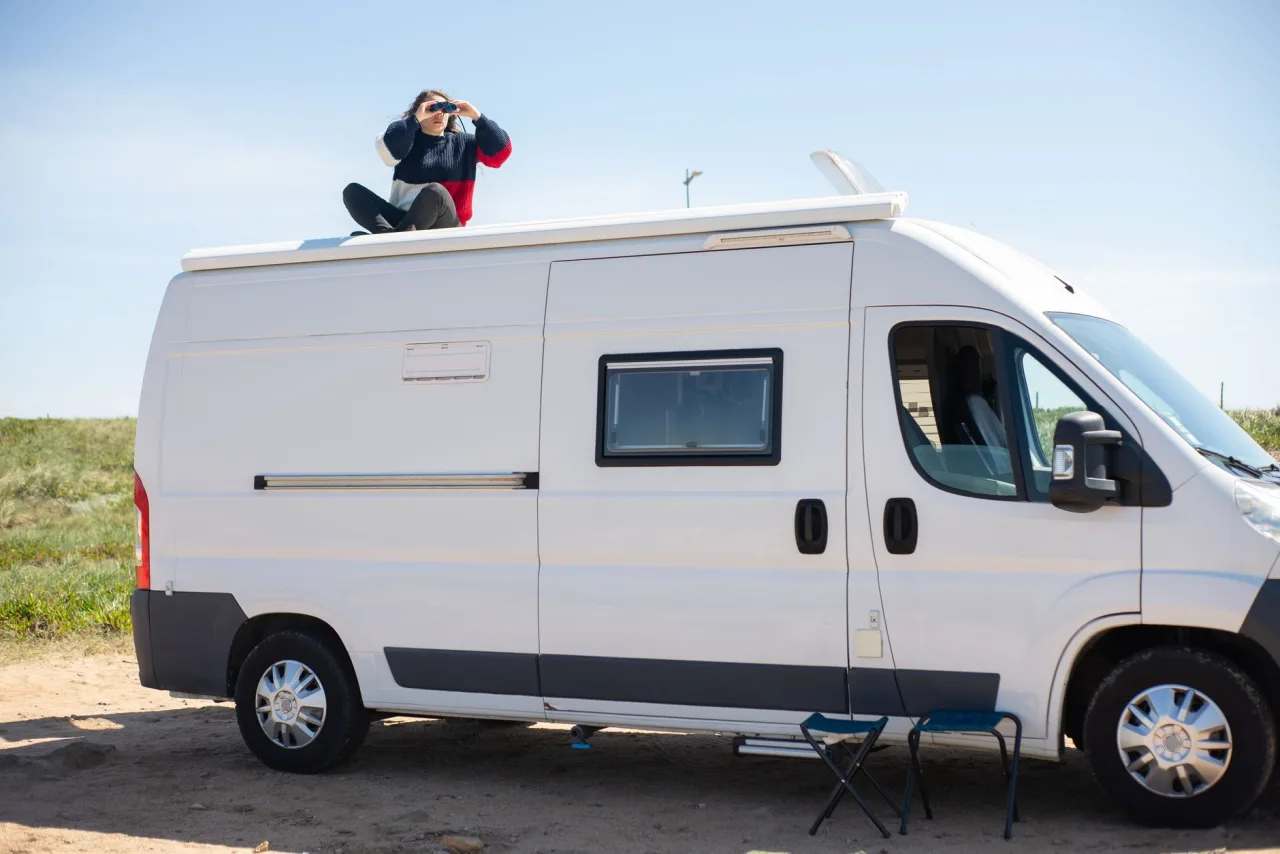
Touring caravans are towed units that range, as Wikipedia's overview of towed caravans puts it, from basic models little more than a tent on wheels to multi-room vans with the furniture and equipment of a home. Used stock covers all of that, plus folding campers and older layouts no longer sold new. Knowing the main types keeps you from overpaying for features you will not use.
- Touring caravans: the mainstream choice, towed to site and moved between trips.
- Static caravans: fixed holiday homes, a different market covered in our static caravans for sale guide.
- Folding campers and trailer tents: lighter and cheaper to tow, but with canvas elements to inspect.
Realistic price ranges for 2026
Used caravan prices vary so much that a single number would mislead you. Instead, sense-check any listing against these broad bands and let condition move the figure within them.
- Older, basic, or higher-mileage vans: the entry point, often a few thousand pounds, suitable if you accept dated fittings and inspect carefully for damp.
- Mid-range vans a handful of years old: the sweet spot for many buyers, balancing modern layout against affordability.
- Near-new premium vans: the top of the used market, close to new-van money but with the first depreciation hit already taken.
These ranges shift with the market, so use current listings for live figures and compare like with like. Our caravan prices guide and second-hand caravans guide go deeper on where the value sits.
Tip: budget beyond the sticker price
The purchase price is only the start. Add a habitation service and damp check, any repairs, a hitch lock and wheel clamp, storage, insurance, and towing extras such as mirrors and a stabiliser. Build these into your budget so a tempting cheap van does not become an expensive surprise.
The used-caravan inspection: what to check

This is where you protect your money. Ideally view in daylight and dry weather, and never buy unseen without an independent inspection.
- Damp. The big one. Feel and smell for dampness around windows, roof lights, seams, and the floor. Soft or springy floors, staining, and a musty smell are warnings. A professional damp meter reading is worth paying for.
- Bodywork and seals. Check the exterior for cracks, delamination, and failed sealant along joints, which is where water gets in.
- Chassis and running gear. Look for corrosion, tyre age and condition, and evidence the brakes and bearings have been serviced.
- Appliances. Test the fridge, heater, water system, and gas appliances, and ask for evidence of a recent gas and habitation service.
- Windows, doors, and fittings. Open and close everything; sticking or misaligned fittings can hint at a stressed or repaired body.
- Interior. Look under cushions and in lockers, not just at the showroom-facing surfaces.
Paperwork and provenance
A sound van with a shady history is still a risky buy. Confirm the identity and status of the caravan as thoroughly as its condition.
- Service history: regular habitation and damp checks are the single best sign of a cared-for van.
- Identity check: caravans carry identification numbers. A commercial history and security check can flag whether a van has been reported stolen or has outstanding finance.
- Ownership: make sure the seller is entitled to sell it and that there is no finance owing.
- Receipts for work: paperwork for repairs and servicing supports the asking price.
Negotiating with confidence
Knowledge is your leverage. Once you have inspected the van and researched comparable listings, you can negotiate on facts rather than feelings.
- Lead with findings, not opinions. A specific issue, such as perished tyres or a small damp reading, justifies a specific reduction.
- Compare live listings. Show the seller what similar vans are asking, and account for condition differences.
- Value included extras honestly. An awning, motor mover, or full set of accessories has real worth; factor it in fairly.
- Be ready to walk. The best negotiating position is genuine willingness to leave. There is always another van.
Warning: check you can legally tow it first
Before you commit, confirm your driving licence entitlement and your car's towing capacity against the loaded weight of the caravan. UK rules depend on when you passed your test, and the official GOV.UK towing rules set out the limits. A van you cannot legally or safely tow is no bargain at any price.
Where to look for used caravans
Spread your search across several channels to compare fairly.
- Dealers offer inspected stock, often with a warranty and part-exchange, at a premium over private sales.
- Private sellers can be cheaper but put the inspection burden entirely on you.
- Classified and auction sites list wide choice; verify identity and finance carefully.
- Clubs and forums sometimes surface well-kept vans from enthusiast owners.
Once you own one, you will need somewhere to tour. Line up pitches with our touring caravan parks and caravan sites near me directories.
Frequently asked questions
How much should I pay for a used caravan?
There is no single price, because it depends on age, size, layout, and above all condition. Older basic vans start at a few thousand pounds, mid-range vans a handful of years old sit higher, and near-new premium vans approach new-van money. Compare current listings for like-for-like models and let a proper inspection decide whether a given van is good value.
What is the most important thing to check on a used caravan?
Damp. Water ingress is the most common and most expensive hidden problem, and it can quietly ruin the floor, walls, and structure. Check around windows, roof lights, seams, and the floor for softness, staining, and a musty smell, and pay for a professional damp meter reading before you buy.
Should I buy from a dealer or a private seller?
A dealer typically costs more but offers inspected stock, often with a warranty and part-exchange. A private seller can be cheaper but puts the entire inspection and verification burden on you. If you buy privately, budget for an independent inspection and run a proper history and finance check on the van.
How do I know a used caravan is not stolen or on finance?
Caravans carry identification numbers, and a commercial history and security check can flag whether a van has been reported stolen or has outstanding finance. Confirm the seller is entitled to sell it, ask to see service records and receipts, and be cautious of any deal where the paperwork or identity does not add up.
Can I tow a used caravan with my current car and licence?
Only if the numbers work. Your entitlement depends on when you passed your test, and your car must be able to tow the loaded caravan safely, commonly kept below about 85 percent of the car's kerb weight. Check the official GOV.UK towing rules and your car's towing capacity before committing to a purchase.
More guides on Caravan Parks & Touring
Have a question or a topic to suggest?
We read every message. Tell us what you would like to see next on the blog.
Get in touchYou may also like
Caravan Prices: Real Prices and Smart
"How much is a caravan?" has no single answer, and vague listings rarely help. This guide breaks down caravan prices honestly: what a tourer really costs by type, age and condition
2nd Hand Caravans for Sale: Real Prices
Second hand caravans are where the real value lives, but the market hides plenty of expensive mistakes behind fresh polish and cheerful photos.
Rent a Caravan: Real Prices and Tips
Caravan hire is the low-commitment way to try touring. See realistic 2026 price ranges, the two ways to rent, the fees that inflate the rate, and how to choose well.