Caravan Brand Guide · Caravan Parks & Touring
Swift Caravan: The Complete Guide
Who Swift is, its main tourer ranges, real ownership costs, and how to check a used van before you buy.
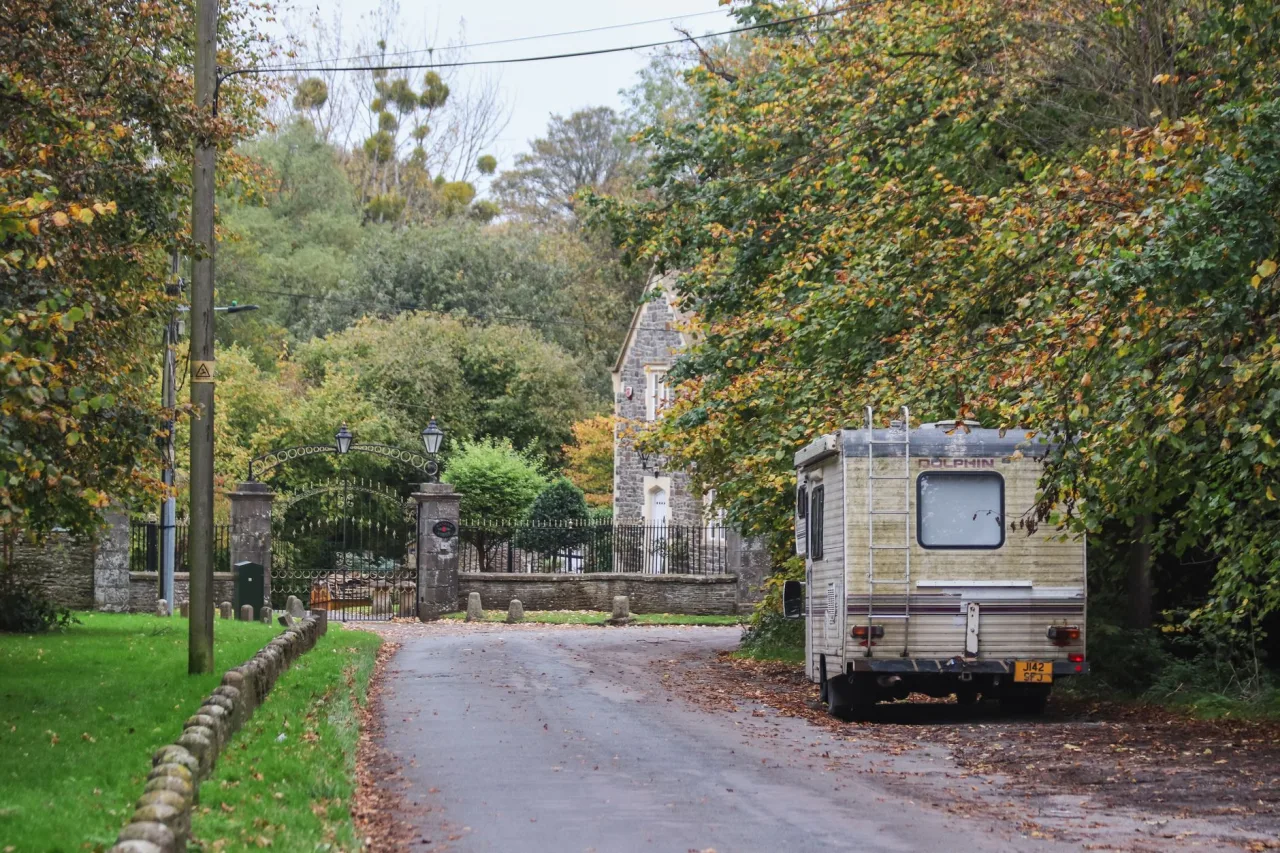
Swift is one of the best known caravan names in Britain, and its badges turn up constantly on used forecourts, which is exactly why so many first-time buyers start their search here. This guide explains what Swift actually builds, how its main ranges differ, what a Swift tends to cost new and used, and how to check one over before you hand any money across. It is written to help you buy the right van, not to sell you a particular model.
The short version
- Swift Group is a UK manufacturer based in East Yorkshire that builds touring caravans, motorhomes, campervans and static holiday homes.
- Its touring ranges run from the entry-level Sprite up to more expensive, better-specified models, so the badge alone tells you little until you check the range and layout.
- Prices span a huge range by age, layout and condition, so budget for insurance, storage and servicing on top of the purchase price.
- On a used Swift, damp is the fault that costs the most, so inspect carefully and ask for service and damp history before you buy.
Who Swift is and what it builds
Swift Group is a British manufacturer whose official site confirms it is based in East Yorkshire and builds all of its caravans, motorhomes and campervans in the UK. Alongside touring caravans it produces motorhomes, campervans and holiday homes, which means the Swift name appears on very different products. When someone says "Swift caravan" they usually mean a towed touring caravan, but it is worth checking, because a static holiday home from the same maker is a completely different purchase.
A touring caravan, Swift or otherwise, is a towed unit with no engine of its own. As Wikipedia's article on towed caravans notes, "caravan" is the British term while North America says travel trailer for the same thing. If you are still weighing up the whole category before fixing on a brand, our complete caravan guide covers the fundamentals of types, towing and running costs.
The main Swift touring ranges
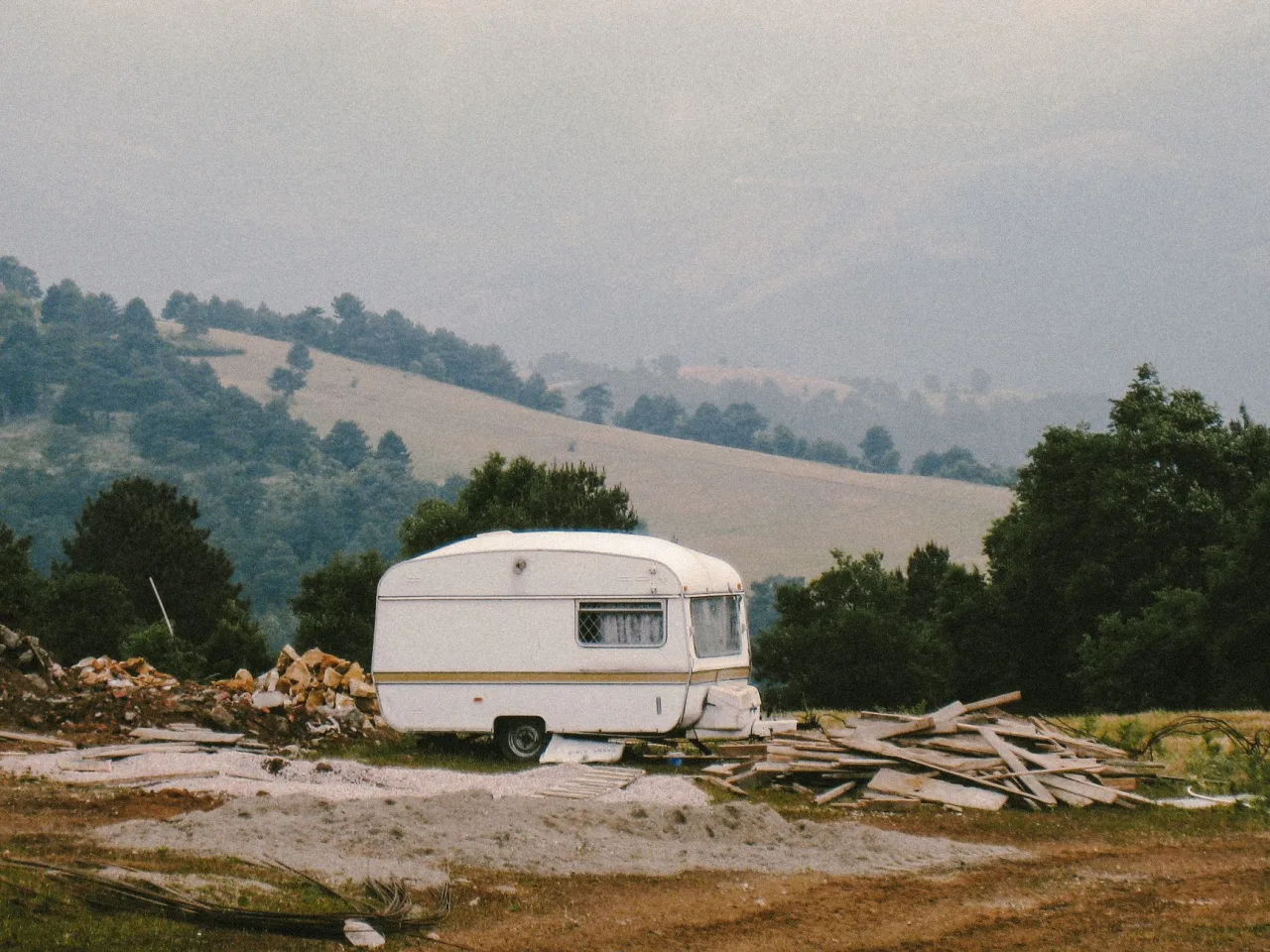
Swift organises its tourers into ranges that climb in specification and price. The exact line-up changes year to year, so treat the following as families rather than a fixed price ladder, and always confirm the current spec on any specific model.
- Sprite: the long-running entry point, aimed at buyers who want a straightforward, affordable tourer with sensible layouts.
- Challenger and Conqueror: mid and upper ranges with more equipment, better trim and a wider choice of fixed-bed and washroom layouts.
- Elegance and premium models: larger, better appointed vans that sit at the top of the touring line-up.
Because a well-kept older Sprite and a nearly new premium model can both be described as "a Swift caravan," the range name and the model year matter far more than the badge when you compare prices. Sub-brands and sister marques built by the same group appear on the used market too, so read each advert carefully.
Model years matter more than most first-time buyers expect. Layouts, fittings and construction methods are updated over a range's life, so two vans wearing the same range name but built several years apart can differ in bed arrangement, washroom size and equipment level. When you shortlist, note the exact model year and the floor plan code rather than the range alone, and use those to line up genuinely comparable vans instead of comparing a facelifted model against an older one on price alone.
What a Swift caravan costs
Purchase prices cover an enormous span. A small, older entry-level tourer can be one of the more affordable ways into caravanning, while a large, recent, high-specification model costs many times more. Rather than fixate on a single figure, budget for the whole cost of ownership, because the running costs are what catch first-time owners out.
- Insurance: specialist caravan cover, and a check on how it works alongside your car policy while towing.
- Storage: a secure space between trips if you cannot keep the van legally at home.
- Site and pitch fees: nightly touring pitches that vary widely by location and season.
- Servicing and consumables: annual habitation and gas checks, tyres, and hitch wear.
Treat any advertised price as a starting point and confirm current figures with sellers, because condition, layout and demand move prices around constantly. For a structured way to judge whether a specific van is fairly priced, our guide to caravans for sale and our overview of caravan prices both walk through what drives the numbers.
Tip: When you compare two Swifts, line up the exact range, model year and layout rather than just the asking price. A cheaper van with a better layout for your family and a clean damp history is usually the smarter buy over a pricier one that does not suit how you travel.
Buying a used Swift: what to check

Most people buy their first Swift second-hand, and the inspection is the same discipline you would apply to any used caravan. View the van in daylight and dry weather, because both make faults easier to spot.
- Damp: the single most important check. Feel for soft or spongy walls and floor, look for staining around windows, joints and roof lights, and note any musty smell. Ask for a recent damp report where one exists.
- Structure and body: check for cracks, delamination or bulges in the walls, and signs of past accident repair.
- Appliances: test the fridge, heating, hob and water system, and confirm the gas and electrics have been checked.
- Running gear: inspect tyre age and condition, the hitch and coupling, and look for corrosion on the chassis.
- Paperwork: ask for service history, any habitation check records, and confirm the van matches its documents.
If you would rather buy a comparable van from a different maker to widen your options, our guides to Adria caravans and Eriba caravans cover two well-regarded alternatives worth cross-shopping.
Towing and storing a Swift
A Swift tows like any caravan of its size, so the usual rules apply. Match the loaded caravan weight to your car's towing limit, confirm your driving licence covers the combined weight, and load heavy items low and over the axle. Practising reversing in a quiet car park before your first busy site arrival saves a lot of stress.
Storage matters as much as towing. Many owners cannot keep a caravan at home, so a secure storage site is part of the real cost. Our caravan storage guide explains home versus commercial options and what good security looks like, and if you would rather keep the van in a fixed spot you visit repeatedly, a static caravan is a different model of ownership worth comparing.
Warning: Never skip the annual habitation and gas safety check on a caravan you own, whatever the badge. Gas appliances, damp and the electrical system all need periodic inspection, and neglecting them is both a safety risk and the fastest route to expensive repairs.
Is a Swift right for you?
Swift's appeal is that it is a mainstream, widely serviced brand with a deep used market, which makes parts, dealers and comparisons easy to find. The trade-off is that "a Swift" covers everything from a basic entry tourer to a premium van, so the badge alone does not guarantee a match. Work backwards from how you travel: pick the layout and berth count you need, confirm your car can tow it, and then find the Swift range and year that fits. If you want to explore the wider hobby first, our caravanning guide is a good next step.
Frequently asked questions
Where are Swift caravans made?
Swift Group is based in East Yorkshire in the UK, and its own website states that all of its caravans, motorhomes and campervans are built at its production site there. It is a long-established British manufacturer that also produces static holiday homes and lodges, so the same name appears on several different types of product.
What are the main Swift touring caravan ranges?
Swift builds its tourers in ranges that climb in specification and price, starting with the long-running entry-level Sprite and moving up through mid and upper ranges such as Challenger and Conqueror to more premium models. The exact line-up changes year to year, so check the current range and layout rather than relying on the badge alone.
How much does a Swift caravan cost?
Prices vary enormously by range, age, layout and condition. A small, older entry-level tourer can be one of the more affordable ways into caravanning, while a large, recent, high-specification model costs many times more. Budget for insurance, storage, site fees and servicing on top of the purchase price, and confirm current figures with sellers.
What should I check when buying a used Swift?
Check for damp first, because it is the most common serious fault: feel for soft walls and floor, look for staining around windows and joints, and note any musty smell. Then test the appliances, inspect the tyres, hitch and chassis, and ask for service history and any habitation check or damp report before you buy.
Is a Swift a good first caravan?
For many buyers, yes, because Swift is a mainstream brand with a deep used market, widely available parts and plenty of dealers, which makes ownership and comparison easier. The important thing is to match the specific range, year and layout to how you travel and to confirm your car can legally and comfortably tow the loaded weight.
More guides on Caravan Parks & Touring
Have a question or a topic to suggest?
We read every message. Tell us what you would like to see next on the blog.
Get in touchYou may also like
Static Caravan: The Complete Guide
What a static caravan is, how holiday statics differ from residential park homes, the full cost of keeping one, and what to check before you sign.
Caravan Storage: The Complete Guide
Your caravan storage options, what good security looks like, realistic cost ranges, and how to prepare a van for a long layup.
Caravans for Sale: Real Prices & Tips
Honest price ranges for used and new touring caravans in 2026, plus a damp and condition checklist and the running costs listings leave out.