Caravan Parks & Touring · Caravan Parks & Touring
Eriba Caravan
Eriba is one of the most recognisable names in European caravanning, known for compact, aerodynamic tourers with a distinctive rounded shape.

Eriba is one of the most recognisable names in European caravanning, known for compact, aerodynamic tourers with a distinctive rounded shape. This complete guide explains where the brand came from, what makes its caravans different, roughly what they cost to buy and run, and how to decide whether an Eriba suits how you actually travel. It is written to help you choose, not to sell you a particular model.
The short version
- Eriba is a German caravan brand, part of the Hymer group and rooted in designs going back to the late 1950s.
- The brand is associated with lightweight, aerodynamic touring caravans that many owners find easy to tow.
- Prices span a wide range by age, size and condition, and Eriba tends to sit at the premium end second-hand.
- Choose one the same way you would any caravan: match the weight to your car, the layout to your travel, and the full budget to your plans.
What Eriba is and where it comes from
Eriba is a German caravan marque with a long history. According to Wikipedia's article on Hymer, the designer Erwin Hymer created the prototype Eriba range, the original Trolls, in the late 1950s, and production of the Eriba-Troll range began in 1958 and has continued in some form since. The Hymer and Eriba companies formally merged in 1980, and Eriba is today one of several brands within the Hymer group, which is headquartered in Bad Waldsee, Germany.
That heritage matters because it shaped the brand's identity. Eriba built its reputation on small, carefully engineered tourers rather than large, boxy vans, and that focus on compact, road-friendly caravans is still what most people picture when they hear the name. If you want the wider context first, our complete guide to caravans covers the general categories an Eriba fits into.
What makes an Eriba different
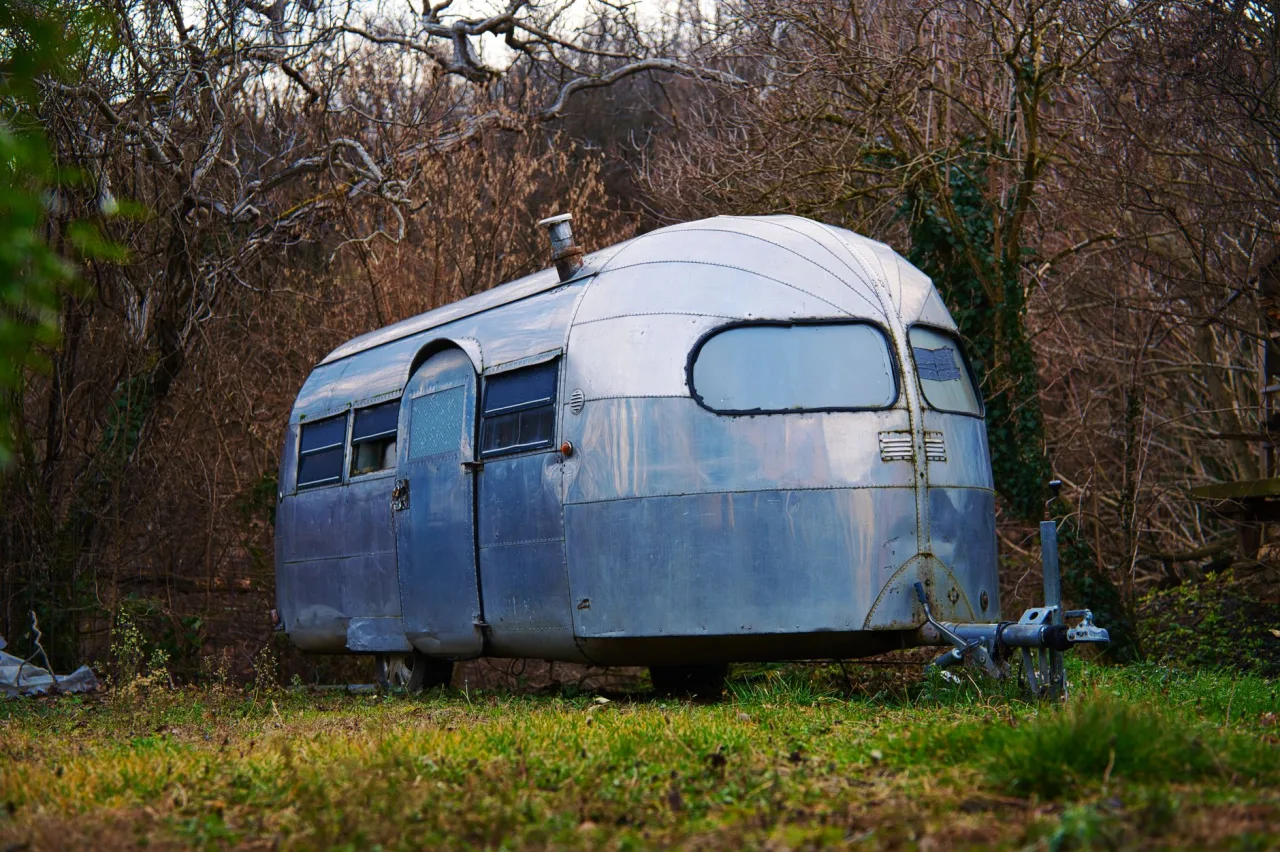
The appeal of the brand comes down to a design philosophy that prioritises towing ease and durability over sheer interior volume. Owners and reviewers commonly highlight a few characteristics, though the exact specification varies by model and year, so always confirm details for the specific van in front of you.
- Compact, aerodynamic shape: the rounded body is designed to sit low and cut through the air, which many owners feel makes for a stable, fuel-friendly tow.
- Lighter weights: smaller Eriba tourers are often lighter than comparable boxy caravans, which can widen the range of cars able to tow them legally.
- Solid engineering reputation: the brand is generally associated with a sturdy, long-lived build, which helps older examples hold their value.
- Efficient layouts: interiors are laid out to make the most of a modest footprint rather than to feel like a large static home.
None of this makes an Eriba automatically right for you. A larger family may prefer the space of a bigger tourer, while a couple touring often may value exactly the compact, easy-tow qualities Eriba is known for.
Tip: If low towing weight is the reason you are drawn to an Eriba, confirm the actual laden weight of the specific model against your car's towing limit and your licence entitlement. Reputation for being light is not a substitute for checking the numbers on the plate.
The main types of Eriba caravan
Rather than memorising model names, it helps to think in terms of the kind of caravan you need, since Eriba, like most makers, offers tourers across a range of sizes.
- Small two-berth tourers: the most characteristic Eriba format, compact and light, suited to couples who tour frequently and value easy handling.
- Mid-size family layouts: larger vans with more berths and fuller washroom facilities for families who still want a manageable tow.
- Heritage and classic models: the long-running Troll lineage and older examples that have a following among enthusiasts and can be found on the used market.
Whichever family you look at, the buying checklist is the same as for any caravan. Our guides to touring caravan sites and to caravanning in general cover how the van fits into the wider hobby of touring.
What an Eriba costs to buy and run
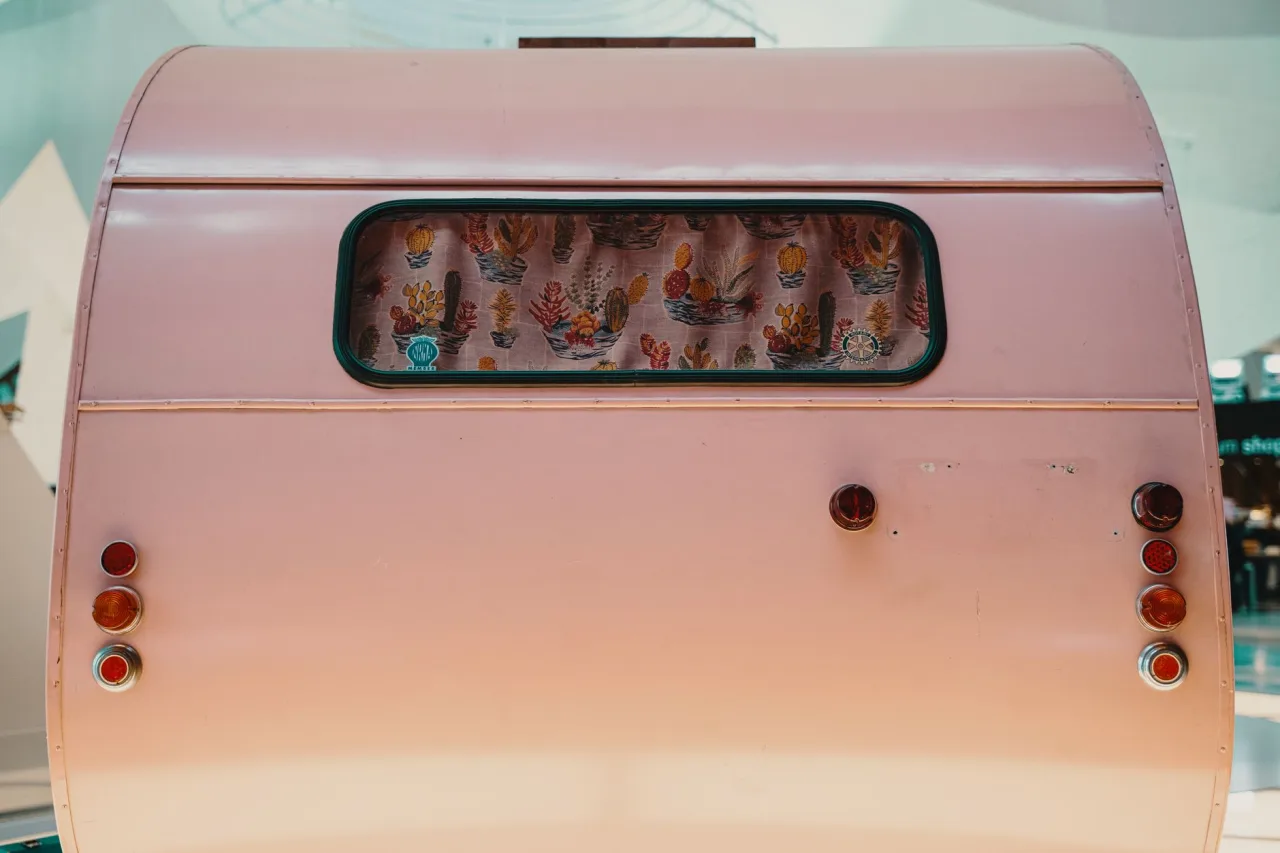
Purchase prices span an enormous range and depend heavily on age, size, condition and specification. A small older Eriba tourer can be found second-hand at more accessible prices, while newer or well-kept examples command more, and the brand tends to hold its value relatively well, which is good news at resale but means bargains are less common. Treat any figure you see as a starting point and confirm current prices directly with dealers and private sellers, because condition and demand move them around.
The purchase price is only part of the story. Budget for the full cost of ownership before you commit:
- Insurance: dedicated caravan cover, and check how it interacts with your car policy while towing.
- Storage: secure storage between trips if you cannot keep the van at home.
- Site and pitch fees: nightly touring pitches that vary widely by location and season.
- Servicing and consumables: annual habitation and gas checks, tyres, and wear on the hitch and running gear.
For a broader look at pricing and how to judge a fair deal, see our guide to caravans for sale, which applies directly to shopping for a used Eriba.
Buying a used Eriba wisely
Because so many Eriba caravans on the market are pre-owned, knowing how to inspect one is the most valuable skill for a buyer. The single most important check on any older caravan is for damp, which is the most common and most expensive fault.
- View in daylight and dry weather: damp and staining hide in poor light and after rain has had time to dry.
- Check for damp: press walls for softness, look for stains or a musty smell, and pay attention to windows, joints and the floor.
- Test the systems: run the gas appliances, lights, water and any heating to confirm they work.
- Inspect running gear: examine tyres for age and cracking, and check the hitch, brakes and corner steadies.
- Ask for history: service records, any damp reports and evidence of regular habitation checks all point to a cared-for van.
Warning: Do not skip the annual habitation and gas safety check on any caravan you own, including an Eriba. Gas appliances, damp and electrical systems all need periodic inspection, and neglecting them is both a safety risk and a fast route to expensive repairs.
Living with and storing an Eriba
Owning any caravan is easier when you plan for the time it spends parked, which for most owners is most of the year. A compact Eriba has a genuine advantage here, since a smaller, lighter van is easier to move by hand on a pitch and can be simpler to store. Even so, you need somewhere legal and secure to keep it, whether that is a driveway, a dedicated compound or a farm site.
Look after the van between trips by keeping it ventilated to fight damp, protecting the tyres from flat spots and sunlight, and running the systems periodically so seals and appliances do not seize. Our guide to caravan storage covers the options and their trade-offs in detail. Done well, off-season care is what keeps an Eriba in the good condition the brand is known for.
Is an Eriba right for you?
Work backwards from how you travel rather than from the badge. An Eriba tends to reward people who tour regularly, value an easy, stable tow, and are happy to trade some interior space for a compact, well-built van that holds its value. If you need maximum berths and a large fixed layout for a growing family, a bigger tourer from any maker may serve you better. As Wikipedia's overview of towed caravans makes clear, the right choice is always the one that matches your vehicle, your licence and your style of travel, and the same logic applies whichever brand you settle on.
Frequently asked questions
Who makes Eriba caravans?
Eriba is a German caravan brand that is part of the Hymer group. The range traces back to designer Erwin Hymer, who created the original Eriba Troll prototypes in the late 1950s, with production beginning in 1958. The Hymer and Eriba companies formally merged in 1980, and the business is headquartered in Bad Waldsee, Germany.
Why are Eriba caravans popular?
Eriba built its reputation on compact, aerodynamic tourers that many owners find stable and easy to tow, along with a solid engineering reputation that helps the vans last and hold value. That combination appeals particularly to couples and frequent tourers who prefer a light, road-friendly caravan over a large, boxy one.
How much does an Eriba caravan cost?
Prices span a wide range depending on age, size, condition and specification. Smaller older examples are more accessible second-hand, while newer or well-kept vans cost more, and the brand tends to hold its value relatively well. Treat any figure as a starting point and confirm current prices with dealers and sellers, budgeting also for insurance, storage, site fees and servicing.
Are Eriba caravans easy to tow?
Smaller Eriba tourers are often lighter and lower than comparable boxy caravans, which many owners feel makes for a stable, manageable tow and can widen the range of cars able to pull them legally. Even so, you must always check the specific van's laden weight against your car's towing limit and your licence entitlement rather than relying on reputation.
How do I check a used Eriba before buying?
View it in daylight and dry weather, and check carefully for damp, the most common serious fault: press for soft walls, look for stains and a musty smell, and inspect windows, joints and the floor. Test the gas, water, electrics and heating, examine the tyres and hitch, and ask for service history and any damp reports before you commit.
Sources and further reading:
- Hymer on Wikipedia for the Eriba brand history, the Troll range and the Hymer group.
- Caravan (towed trailer) on Wikipedia for background on how towed caravans work and how to choose one.
More guides on Caravan Parks & Touring
Have a question or a topic to suggest?
We read every message. Tell us what you would like to see next on the blog.
Get in touchYou may also like

Yogi Bear Campground: How to Choose
"Yogi Bear campground" means a Jellystone Park camp-resort. Here is how to compare locations, judge amenities, and choose the right family site without the hype.

Sleeping Bear Dunes: Choosing a Site
From Platte River to the Manitou Islands, here is an honest framework for choosing the right Sleeping Bear Dunes campground and booking it before summer fills.

Milarrochy Bay: Loch Lomond Camping
Milarrochy Bay sits on Loch Lomond's eastern shore. Here is how to choose a lochshore campsite, understand the national park permit rules, and book smart.