Static Caravans
Static Caravans for Sale: Prices and Tips
Realistic price ranges, the pitch fees that catch buyers out, and the licence terms to read before you sign.
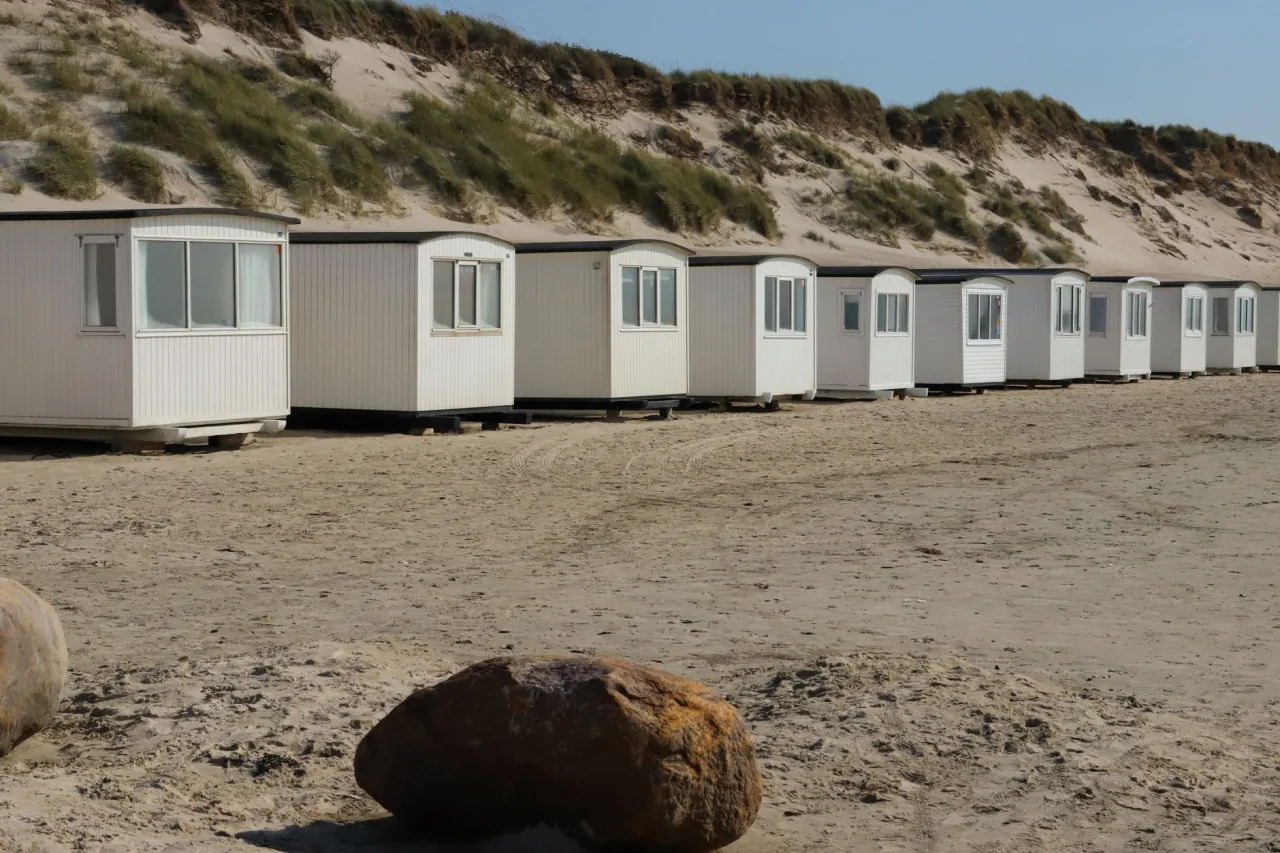
A static caravan promises your own bolthole by the coast or in the countryside without hotel prices for every trip. The catch is that the advertised price is only part of the story, and pitch fees plus running costs can quietly outweigh the caravan itself. This guide gives realistic price ranges for 2026 and the buying tips that keep a dream purchase from becoming a money pit.
The short version
- A static (holiday) caravan is designed to sit on a permanent pitch, not to be towed from trip to trip.
- Prices span a huge range depending on age, size, spec and whether the pitch is included, so treat any figure as a starting point.
- The annual pitch fee, plus rates, insurance and utilities, is the real long-term cost, often more than the caravan over time.
- Read the licence agreement, site rules and any resale restrictions before you fall for the interior.
What a static caravan actually is
A static caravan, also called a holiday caravan or holiday home, is built to be transported to a fixed location and then anchored in place, unlike a touring caravan that hitches to your car and moves between sites. As the Wikipedia overview of caravans puts it, static units are designed to be moved to a permanent site and kept there. That single difference drives everything about ownership: you are buying a holiday home plus the right to keep it on someone else's land.
Most statics sit on a licensed holiday park with a fixed season, so they are for holidays and getaways rather than a permanent address. If long stays or residential use are your goal, that is a different product with different rules, and you should confirm the park's licence before assuming anything.
Real price ranges in 2026
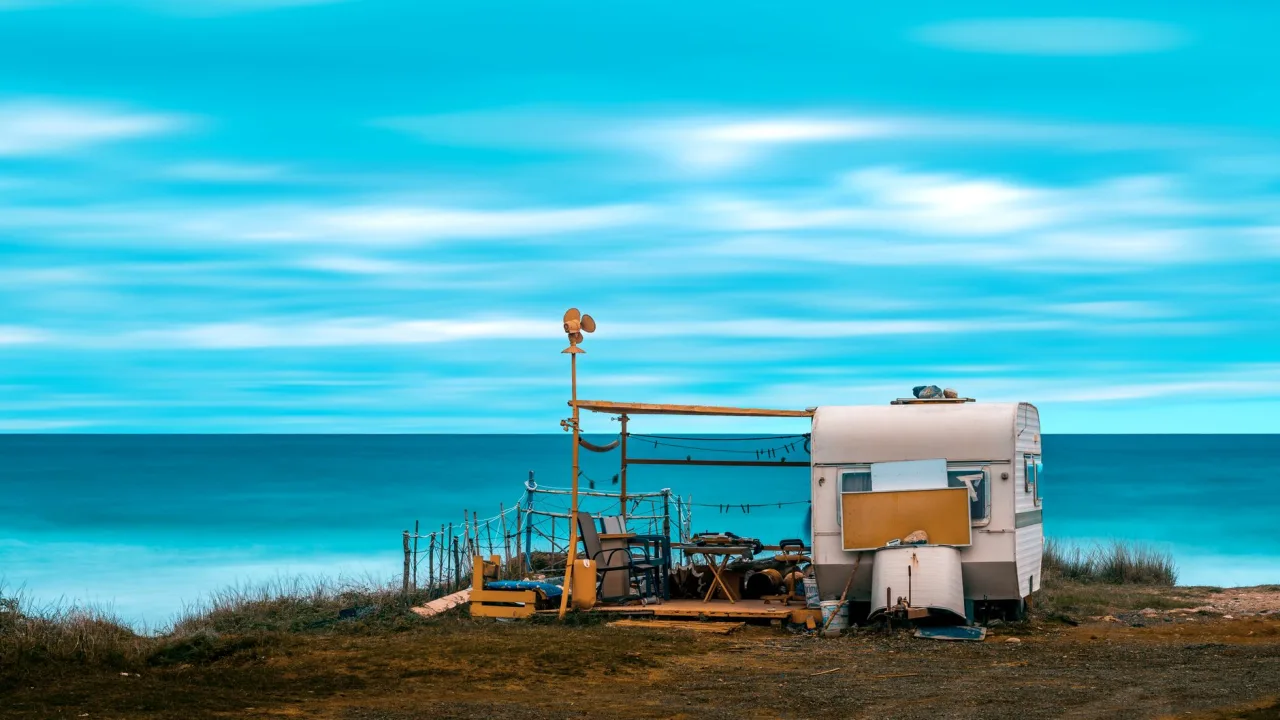
Static caravan prices vary enormously, so anyone quoting a single figure is guessing. The main drivers are age, size, specification, the park's location and desirability, and crucially whether a pitch is included in the deal. As a realistic framing:
- Older, pre-owned models on a standard park: the most affordable entry point, often sold with the current pitch.
- Mid-range and newer used units: a step up for better insulation, layouts and condition.
- Brand new, higher-specification holiday homes: the top of the range, especially double-glazed and central-heated models on premium coastal parks.
Because seasonal promotions and part-exchange deals move these numbers around, confirm the current price and exactly what it includes when you enquire. Watch particularly for deals advertised as "sited and connected," which fold the pitch, siting and utility connection into one figure, versus a caravan-only price that leaves those costs to come. The two look similar in an advert but can differ substantially once everything is added, so always ask the seller to itemise what the headline number does and does not cover. For a wider view of the market, our guide to caravan prices puts static costs in context alongside tourers.
The cost that catches people out: pitch fees
The caravan is a one-off. The pitch fee is forever, and it is the number that decides whether ownership makes sense. This annual fee pays for your plot on the park and usually rises each year. On top of it you typically pay:
- Insurance for the caravan.
- Gas, electricity and water, sometimes metered, sometimes bundled.
- Rates or a service charge depending on the park.
- Occasional maintenance such as re-levelling, servicing and roof or seal care.
Add these up over five or ten years and the running cost can exceed the purchase price. Ask the park for a full written breakdown of every recurring charge before you sign, and ask how much the pitch fee has risen over the last three years.
Tip: get the total cost of ownership in writing
Before you commit, ask for a single sheet listing the purchase price, this year's pitch fee, insurance, utilities, rates and the length of the site licence. Multiply the annual figures by how many years you plan to keep the caravan. That number, not the sticker price, is what you are really deciding on.
New versus used

Both routes can be sensible; it depends on budget and appetite for risk.
- New: Better insulation and warranty, current design, and the reassurance of buying from the park. You pay a premium and take the steepest early depreciation.
- Used: Far lower entry price and slower depreciation, but check the age against the park's maximum unit age limit, since some parks require older caravans to be replaced.
Whichever you choose, the same buying discipline applies. Our honest guides to used caravans for sale and the wider static caravan guide walk through condition checks and what to expect.
Reading the licence and site rules
When you buy a static on a park, you also enter a licence agreement for the pitch. This is where the real commitments hide, so read it as carefully as you would a mortgage.
- Term and renewal: How many years the pitch licence runs, and how it renews.
- Maximum age rule: Whether the park forces removal or replacement once the caravan reaches a set age.
- Resale rules: Whether you can sell privately on the pitch or must sell back to the park, and any commission.
- Subletting: Whether you may rent it out to offset costs, and on what terms.
- Season: The months the park is open, since most holiday parks close for part of the year.
Where to keep touring caravans is a different question
If your real need is a caravan you tow and store rather than a fixed holiday home, a static is the wrong tool. Touring owners face storage rather than pitch fees; our guide to finding caravan storage near you and to caravan sites covers those costs. Being honest with yourself about how you will actually use the caravan is the single best way to avoid buying the wrong type.
It also helps to separate the caravan from the lifestyle it advertises. A show model dressed with soft furnishings on a sunny afternoon looks very different from the same unit in October drizzle with the park half-empty. Membership bodies such as the Caravan and Motorhome Club publish ownership and buying guidance that is worth reading alongside any sales patter; you can browse it on the official club website. Cross-check anything a salesperson tells you against an independent source before it influences your budget.
Warning: watch out for optimistic sublet income
Sales pitches sometimes suggest you can cover the pitch fee by renting the caravan out. Real rental income depends on location, season length, park rules and the effort of managing bookings and cleaning. Treat any income projection as best-case, and make sure the purchase still makes sense if you never sublet at all.
A smart-buyer checklist
Before you sign anything, work through this: confirm the full purchase price and what is included; get every recurring cost in writing; read the pitch licence term, age rule and resale terms; check the park's open season; inspect the caravan for damp, seal condition and appliance age; and visit the park in person at a quiet time, not just on a sunny show day. Do all six and you will buy with your eyes open, which is exactly how a static caravan becomes a genuine pleasure rather than a regret.
Frequently asked questions
How much does a static caravan cost in 2026?
Prices vary widely by age, size, specification, park location and whether a pitch is included. Older pre-owned units are the most affordable entry point, mid-range used models cost more, and brand new high-specification holiday homes sit at the top. Always confirm the current price and exactly what it includes when you enquire.
What are pitch fees and why do they matter so much?
The pitch fee is the annual charge for keeping your caravan on the park's land, and it usually rises each year. Combined with insurance, utilities and rates, it is the main long-term cost of ownership and can exceed the purchase price over several years. Always get a full written breakdown before you buy.
Can I live in a static caravan permanently?
Most static caravans sit on holiday parks with a fixed open season and are intended for holidays, not permanent residence. Residential use is a separate product with different licensing. Always confirm the park's licence and rules before assuming you can stay year round.
Should I buy new or used?
New caravans offer better insulation, a warranty and current design but cost more and depreciate fastest early on. Used caravans are cheaper and depreciate more slowly, but you must check the age against any park maximum-age rule. Both can be sensible depending on your budget and how long you plan to keep it.
Can I rent out my static caravan to cover costs?
Sometimes, if the park allows subletting. Real income depends on location, season length, park rules and the work of managing bookings and cleaning, so treat any projection as best-case. Make sure the purchase still makes financial sense even if you never rent it out.
More guides on Caravan Parks & Touring
Have a question or a topic to suggest?
We read every message. Tell us what you would like to see next on the blog.
Get in touchYou may also like
Static Caravan: The Complete Guide
What a static caravan is, how holiday statics differ from residential park homes, the full cost of keeping one, and what to check before you sign.
Caravan Prices: Real Prices and Smart
"How much is a caravan?" has no single answer, and vague listings rarely help. This guide breaks down caravan prices honestly: what a tourer really costs by type, age and condition

Used Caravans: Prices & Buying Tips
A used caravan is cheap touring, or an expensive mistake. Get 2026 price ranges, the damp checks that make or break a deal, and how to negotiate from knowledge.