Caravan Hire
Rent a Caravan: Real Prices and Tips
Real 2026 hire prices, the hidden fees to watch, towing rules and a checklist for choosing a good caravan rental.
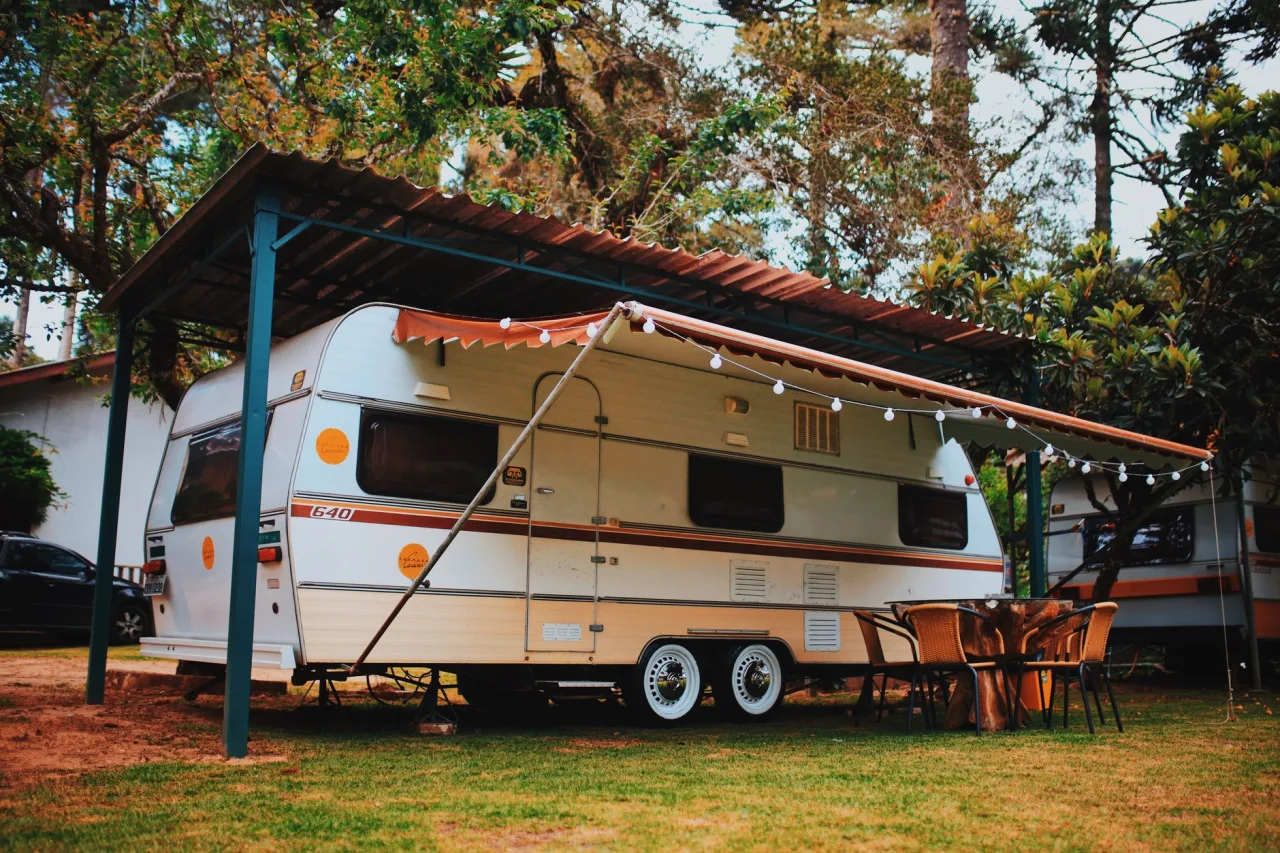
Renting a caravan is the low-commitment way to find out whether touring life suits you, and it can be a smart move even if you already own one. This guide breaks down what caravan hire actually costs in 2026, the different ways to rent, and how to avoid the fees that quietly inflate a friendly-looking daily rate.
The short version
- Expect a rough daily rate of around 40 to 120 pounds (or 60 to 180 US dollars) for a touring caravan, with motorhome hire costing much more. Prices vary by season, size, and location, so confirm the full quote before booking.
- Two main models exist: peer-to-peer hire from a private owner, and a commercial rental firm. Each has different insurance, deposit, and mileage terms.
- The headline rate is rarely the true cost. Deposits, insurance excess, cleaning, mileage, and awning or extras add up.
- Renting first is a genuine test drive for ownership. If you love it, our buying guides show what the same money buys second hand.
Why rent a caravan instead of buying?
A caravan is a big purchase that then sits unused for most of the year, so hiring is a sensible first step. Renting lets you try touring without paying for storage, servicing, insurance, and depreciation between trips. It is also useful for one-off needs: a festival, a family reunion, extra sleeping space in the garden for visitors, or a longer tour than your own van comfortably handles.
There is a learning benefit too. Towing, pitching, hooking up to electric, and managing fresh and waste water all take practice. A rental trip or two teaches you what layout and size you actually want, which is far cheaper than discovering it after you have bought the wrong van. If the experience wins you over, our complete guide to caravans and caravanning guide walk through what ownership involves.
How caravan rental works: the two main routes
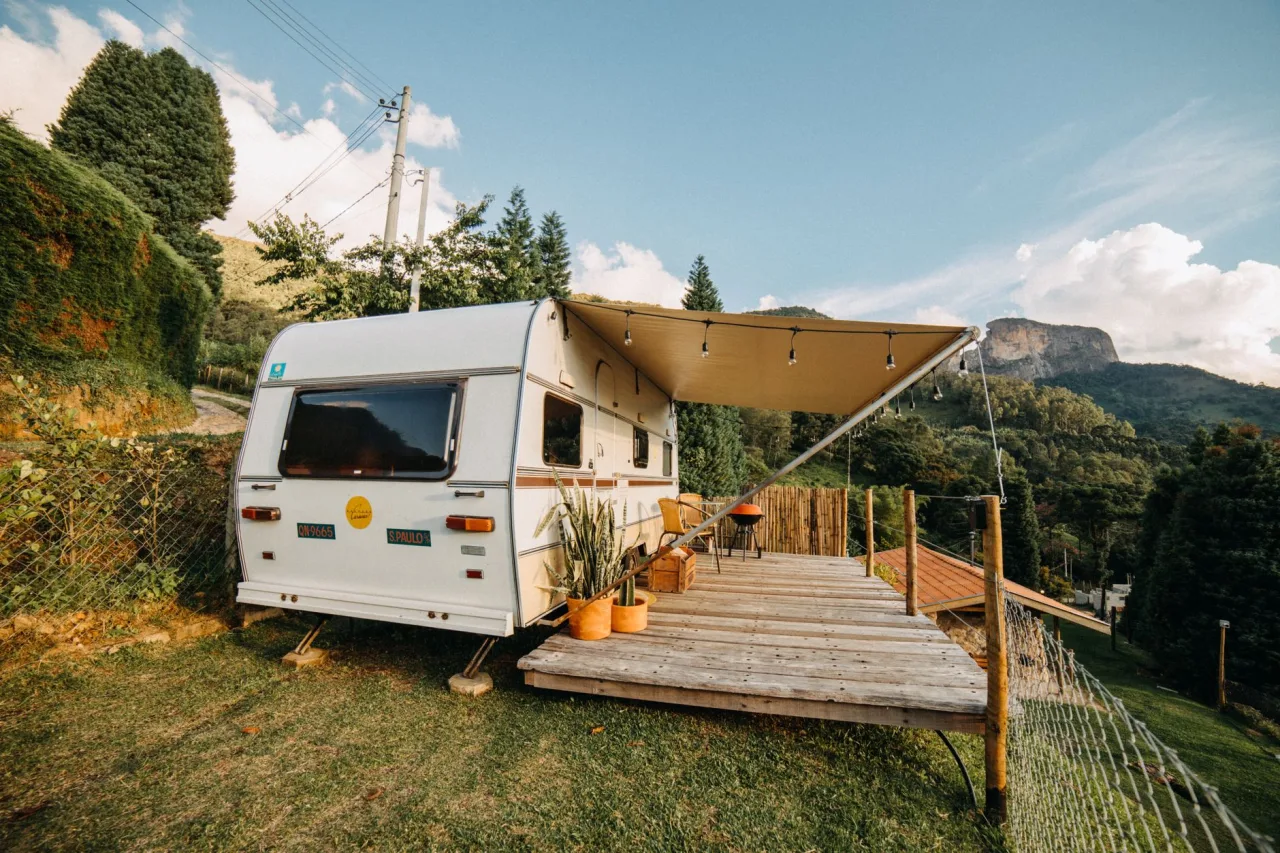
Before comparing prices, understand who you are renting from, because it changes the whole deal.
- Peer-to-peer hire. You rent directly from a private owner through a listing platform. Rates are often lower and choice is wide, but check who provides insurance, what the excess is, and whether the owner will deliver and pitch the van for you.
- Commercial rental companies. A dedicated firm hires out a fleet of caravans or motorhomes. You typically get standardised insurance, roadside cover, and a proper handover, but rates and deposits are higher.
- Static caravan holiday lets. Confusingly, many searches for renting a caravan actually want a fixed holiday home on a park for a week. That is a different product with no towing involved. Our static caravan guide covers that route.
Decide which of these you need first. The rest of this guide focuses on touring caravan and motorhome hire, where you tow or drive the unit yourself.
Realistic price ranges for 2026
Rental prices swing widely with season, so treat the figures below as broad ranges to sense-check a quote, not fixed rates. Always confirm the total with the owner or company when booking.
- Touring caravan hire: roughly 40 to 120 pounds per night, with weekly rates often discounted. Larger family vans and premium models sit at the top of the range.
- Motorhome or campervan hire: substantially more, commonly 90 to 250 pounds per night, because you are also renting the vehicle and its engine, insurance, and depreciation.
- Peak versus off-peak: school holidays and bank holidays can push rates up by half or more. Shoulder-season midweek trips are the cheapest.
- Delivery and siting: if an owner tows and pitches the caravan on a park for you, expect an extra delivery fee based on distance.
These are indicative and vary by season and site, so confirm when booking. To compare renting against owning, put a rental week next to the second-hand figures in our caravan prices guide.
Watch the deposit, not just the rate
Security deposits on caravan and motorhome hire are often several hundred pounds, held against damage and returned after the van is checked back in. Ask how and when it is refunded, and what the insurance excess is if something goes wrong. A low nightly rate with a huge excess can be worse value than a slightly higher all-in price.
The hidden costs that inflate the real price
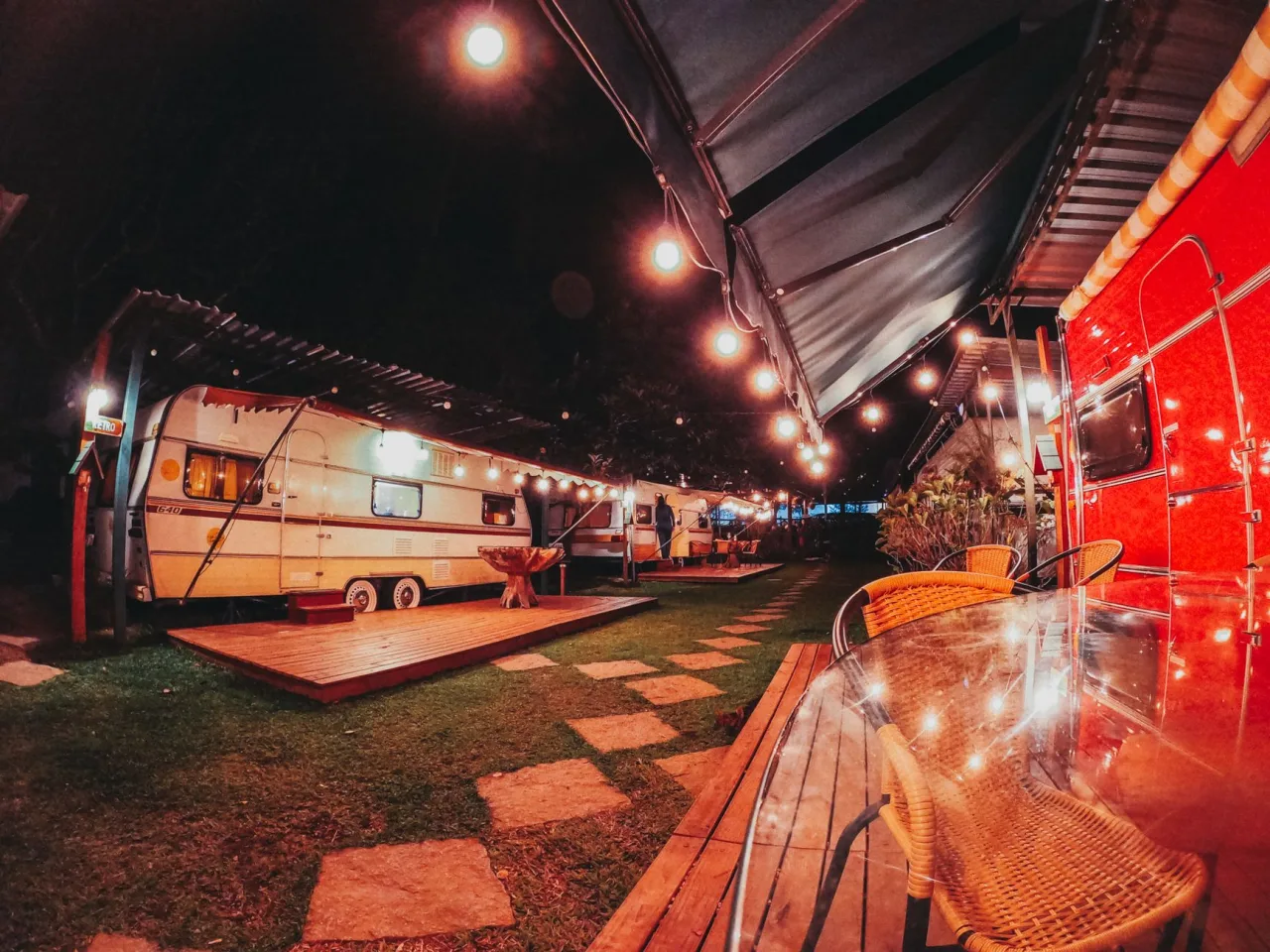
The advertised rate is only the starting point. Budget for these before you decide something is cheap.
- Insurance and excess. Confirm the caravan is covered while you tow it, and what you would pay if it were damaged. Some peer-to-peer rentals expect your own policy to cover the trailer.
- Mileage limits. Motorhome hire sometimes caps daily miles, with a per-mile charge over the limit. For a touring holiday this matters.
- Cleaning and waste. Return the van clean and empty the toilet cassette, or expect a cleaning fee.
- Extras and awnings. Awnings, bedding, gas bottles, bike racks, and outdoor furniture may be added charges rather than included.
- Pitch fees. The rental only covers the van. You still pay the campsite or park separately for your pitch each night.
Can you legally tow it? Check before you book
A caravan you cannot legally or safely tow is no bargain. In the UK, what you can tow depends on when you passed your driving test. Drivers who passed on or after 1 January 1997 can tow a trailer up to 3,500kg maximum authorised mass with a standard category B and E entitlement, while those who passed before that date usually have higher limits. Always check the official GOV.UK towing with a car rules against your own licence and your tow vehicle's limits.
You also need a car heavy enough to tow the loaded caravan safely. A common rule of thumb keeps the loaded caravan weight below about 85 percent of your car's kerb weight, especially for less experienced drivers. If your car cannot handle it, a self-drive motorhome or an owner who delivers and pitches the van may suit you better.
How to choose a good rental: a quick checklist
Once you have shortlisted options, run each one through these questions.
- Size and layout: does the berth count and bed arrangement genuinely fit your group, or are you counting a squeezed sofa bed?
- Age and condition: ask for recent photos and the service history. A well-kept older van can be better than a neglected newer one.
- Handover: will the owner or firm show you how to hitch, brake, pitch, and use the systems? A good handover prevents most first-timer mistakes.
- Insurance clarity: get the cover and excess in writing.
- Cancellation terms: weather and plans change. Know the refund policy.
- Reviews: read recent renter feedback for the specific van or company.
Tip: rent the size you will actually buy
If you are renting as a trial before purchase, hire the type and layout you are seriously considering owning. A week living in a two-berth teaches you far more about whether it suits you than admiring a four-berth in a showroom.
Where to find caravans to rent
You have several routes, and it is worth comparing more than one.
- Peer-to-peer platforms list private owners' vans with reviews and messaging built in.
- Local rental firms often advertise online and hold a small fleet; a phone call can reveal off-season deals that are not listed.
- Dealerships and clubs sometimes run try-before-you-buy schemes or member hire.
- Holiday parks rent out static caravans by the week for those who do not want to tow.
Wherever you rent, you still need somewhere to stay. Use our directories for touring caravan parks and caravan sites near you to find pitches, and if the rental confirms you are ready to own, compare the market in our used caravans for sale guide.
Frequently asked questions
How much does it cost to rent a caravan?
As a rough guide, touring caravan hire tends to run around 40 to 120 pounds per night, while motorhome or campervan hire is higher at roughly 90 to 250 pounds per night. Prices vary a lot by season, size, and location, and a security deposit is usually held on top, so always confirm the full quote before booking.
Do I need special insurance to rent a caravan?
It depends on who you rent from. Commercial firms usually include insurance in the price, while peer-to-peer hire may expect your own policy to cover the towed trailer. Always confirm in writing that the caravan is covered while you tow it, and check the excess you would pay if it were damaged.
Can I tow a rented caravan on a normal driving licence?
Often yes, but it depends on when you passed your test and the weight of the loaded caravan. UK drivers who passed on or after 1 January 1997 can generally tow up to 3,500kg maximum authorised mass. Check your entitlement against the official GOV.UK towing rules and your car's towing limit before you book.
Is it cheaper to rent or buy a caravan?
For occasional trips, renting is almost always cheaper because you avoid storage, servicing, insurance, and depreciation between uses. If you tour several times a year, ownership can work out better per trip. Renting first is the best way to find out which camp you fall into before committing thousands to a purchase.
What is the difference between renting a touring caravan and a static caravan?
A touring caravan is towed behind your car and you move it between sites. A static caravan is a fixed holiday home on a park that you rent by the week and never tow. Many people searching to rent a caravan actually want a static holiday let, so decide which you need before comparing prices.
More guides on Caravan Parks & Touring
Have a question or a topic to suggest?
We read every message. Tell us what you would like to see next on the blog.
Get in touchYou may also like

Used Caravans: Prices & Buying Tips
A used caravan is cheap touring, or an expensive mistake. Get 2026 price ranges, the damp checks that make or break a deal, and how to negotiate from knowledge.
Caravan Prices: Real Prices and Smart
"How much is a caravan?" has no single answer, and vague listings rarely help. This guide breaks down caravan prices honestly: what a tourer really costs by type, age and condition
Touring Caravan Parks: Find & Compare
Skip the fake leaderboard. Learn how to find, compare and choose a touring caravan park that fits your rig and budget, with a real search method and checklist.