RV Parks & Resorts
Camp RV Near Me: Find and Compare the Best
Searching "camp RV near me" usually means you want a good pitch tonight or this weekend, not a history lesson.

Searching "camp RV near me" usually means you want a good pitch tonight or this weekend, not a history lesson. This guide skips the fluff and shows you exactly how to find nearby RV camping, compare the options honestly, and book a site that fits your rig and your plans without nasty surprises on arrival.
The short version
- Start with your rig length and hookup needs, then filter every listing against those two numbers first.
- "Near me" spans public campgrounds, private RV parks, and resort-style sites, and each trades price for amenities differently.
- Expect a wide nightly range depending on season, hookups, and location. Always confirm the current rate at the moment you book.
- Read recent reviews for the details photos hide: road noise, site levelness, water pressure, and how tight the turns are.
What "camp RV near me" actually returns
When you search for nearby RV camping, you are really looking across three different kinds of places, and knowing which is which saves a lot of frustration. Each one answers a different question, so it helps to decide what matters most before you scroll.
- Public campgrounds: National park, state park, national forest, and county sites. Often the most scenic and the cheapest, but hookups are limited and big rigs may not fit older loops.
- Private RV parks: Commercial sites built for RVs, usually with full hookups, level pads, and easier access. Prices are higher and the setting is often more functional than wild.
- RV resorts: Amenity-heavy parks with pools, clubhouses, and organized activities. You pay a premium for the extras, so they suit longer stays and families more than a one-night stopover.
For a plain-language refresher on RV classes and what "living quarters on wheels" covers, the Wikipedia entry on recreational vehicles is a solid starting point.
If you want the full picture of how these categories overlap, our complete guide to RV camping walks through each type in depth. For resort-style stays specifically, the RV resorts guide covers what the higher price actually buys.
Start with your rig, not the map
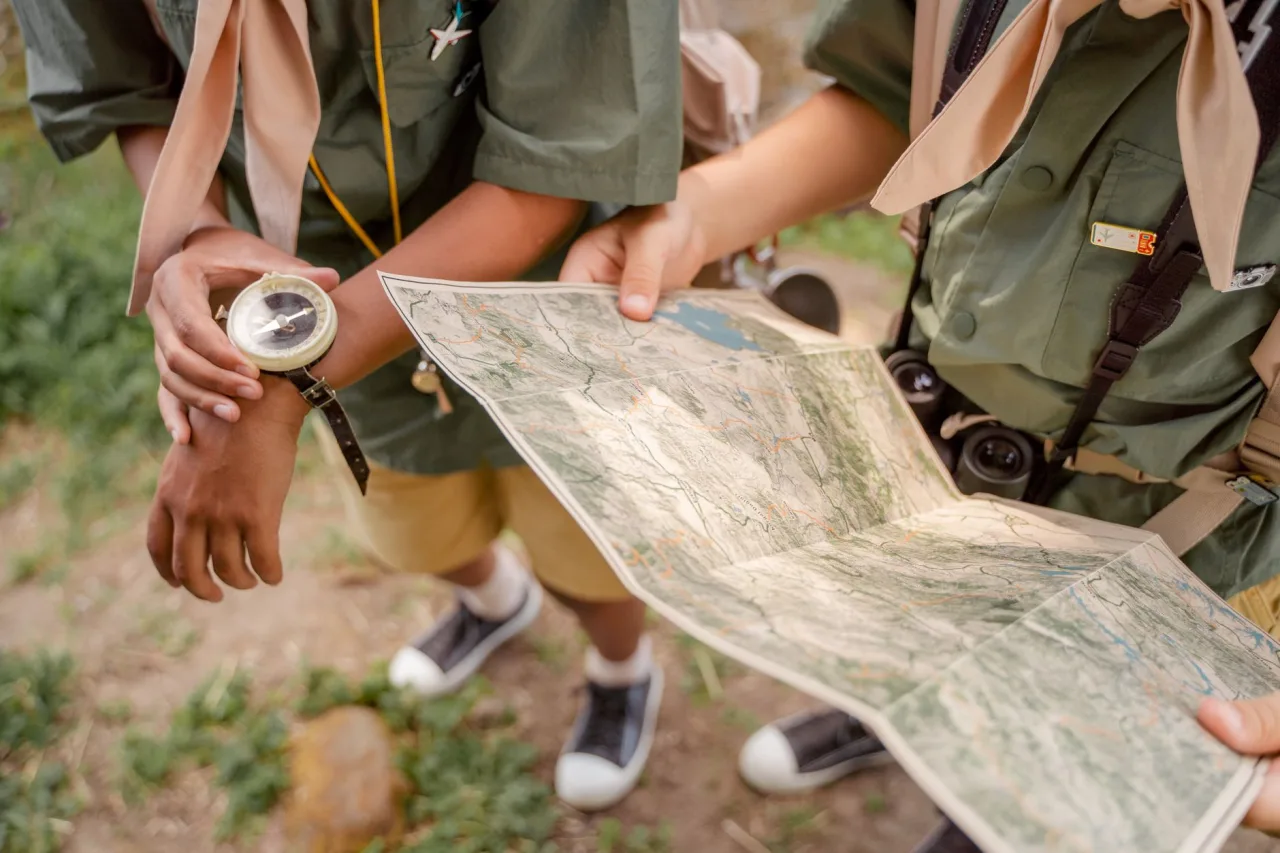
The single biggest cause of a ruined arrival is booking a site your RV does not physically fit. Before you compare anything, write down four numbers and treat them as non-negotiable filters.
- Total length: Measure your motorhome, or your trailer plus tow vehicle if you will not unhitch. Many listings quote a maximum length per site.
- Height and width: Low branches, bridges, and canopies matter, especially in older public campgrounds.
- Hookups needed: Decide whether you require full hookups (water, electric, sewer) or can manage with partial or dry camping.
- Amp draw: Know whether you need 30-amp or 50-amp service. Booking the wrong one leaves you rationing power.
Quick tip
If a listing does not clearly state a maximum length or amp service, call and ask before you pay. A two-minute phone call is cheaper than a non-refundable night you cannot use.
How to compare nearby options fairly
Once you have a shortlist within driving range, compare them on the things that actually change your stay rather than the marketing photos. A simple side-by-side beats a gut feeling.
- Distance and drive quality: Ten minutes closer means little if the last mile is a rutted dirt track for a heavy rig.
- Hookup match: Full, partial, or none, and whether the amp service fits your coach.
- Site surface and levelness: Gravel and concrete pads drain and level far more easily than grass after rain.
- Access and turning: Pull-through sites are far easier for large rigs than tight back-in loops.
- Real amenities: Reliable dump station, potable water, laundry, and decent restrooms usually matter more than a themed clubhouse.
- Cancellation policy: Weather changes plans, so a flexible policy has real value.
Comparing "near me" listings is the same skill whether you are looking at a general RV park or a specific destination like Creekfire RV Park. The criteria travel with you.
What RV sites typically cost
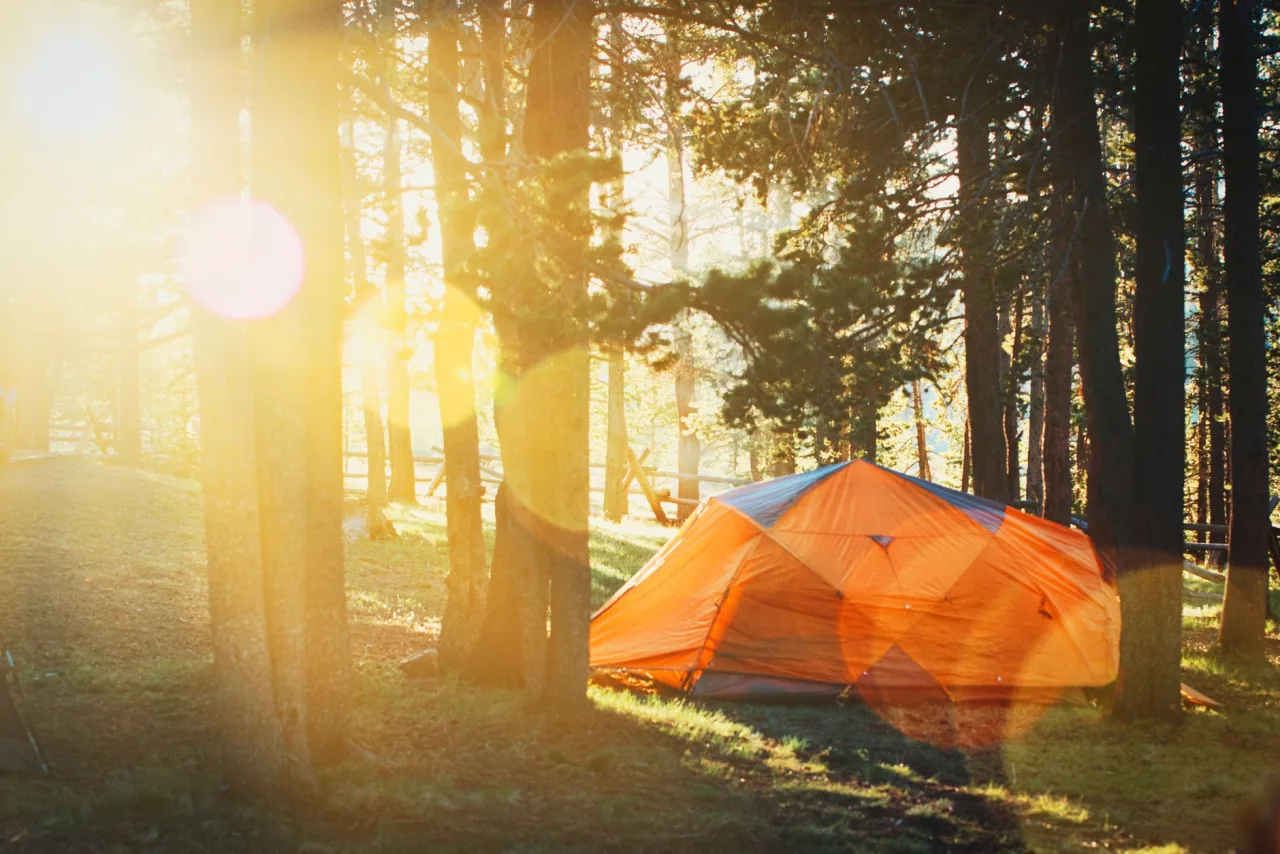
Nightly rates vary so much by region, season, and hookup level that any single number would mislead you. As a rough planning guide only, public campgrounds tend to sit at the lower end, private full-hookup parks in the middle, and resorts at the top. Peak season, waterfront sites, and holiday weekends push prices up, while shoulder-season weekday stays can be markedly cheaper.
Because rates change constantly, treat every figure you see as a starting point and confirm the current price when you book. Also budget for extras that are easy to forget: a per-vehicle fee, pet fee, metered electricity on longer stays, and sometimes a resort or amenity charge. If you are weekend camping regularly, a public-lands or club membership can pay for itself.
Booking without getting burned
Federal and many state campgrounds in the United States are reserved through official systems, while private parks book through their own sites or the phone. Wherever you book, a few habits protect you.
- Book on official channels: For federal land in the United States, most campgrounds and RV sites reserve through Recreation.gov, and national parks list their options through the National Park Service camping pages. Use these rather than a lookalike site charging hidden markups.
- Screenshot your confirmation: Save the rate, site number, and cancellation terms in case the details change.
- Note check-in windows: Late arrivals sometimes lose the site or face a locked office.
- Ask about first-come sites: Some public campgrounds keep non-reservable loops, useful midweek if reservations are full.
Watch out
Be skeptical of third-party sites that promise to "book any campground" for a fee. For public land, reservations run through official government systems, and paying a middleman rarely gets you anything the official site would not.
Reading reviews like a pro
Photos sell the view, but reviews tell you what living there for a night is like. Sort by most recent, because parks change owners, close amenities, and repair or neglect facilities over time. Look for repeated themes rather than a single angry post.
Pay attention to comments about site levelness, water pressure, the reliability of the dump station, cell and internet signal, road and highway noise, and how easy it was to maneuver a rig your size. A five-star average with three recent complaints about a broken shower block tells you more than the number alone.
Last-minute and overnight options
If everything nearby is booked, you still have moves. Many private parks hold a few sites back for walk-ins, so a phone call can beat the online availability. Some public campgrounds keep first-come loops. For a single overnight stop while traveling, look into pull-through parks near highways designed for exactly that, and always confirm you are legally allowed to stay before settling in for the night.
Planning a longer trip? Cross-reference a broad RV parks near me search with the wider RV campgrounds directory so you have a backup for every night.
Frequently asked questions
How do I find RV camping near me quickly?
Start by fixing your rig length and hookup needs, then filter nearby listings against those two numbers before anything else. Search across public campgrounds, private RV parks, and resorts, then shortlist by driving distance and read the most recent reviews to confirm the site actually fits and functions as advertised.
How much does an RV site cost per night?
Rates vary widely by region, season, and hookup level, so there is no single figure. Public campgrounds are usually cheapest, private full-hookup parks sit in the middle, and resorts cost the most. Always confirm the current rate when you book, and budget for extras like pet, vehicle, and metered-electric fees.
What is the difference between an RV park and an RV resort?
An RV park focuses on functional essentials like level pads, hookups, and easy access. An RV resort adds amenities such as pools, clubhouses, and organized activities at a higher nightly price. Resorts suit longer, family-oriented stays, while a plain park is often better value for a quick overnight stop.
Do I need to book RV sites in advance?
For popular parks, holiday weekends, and peak season, yes, because the best sites fill early. Midweek and shoulder season are more flexible, and some public campgrounds keep first-come-first-served loops. Booking early gets you the site you want, but keep a backup park in mind in case plans shift.
Can big rigs fit in most campgrounds?
Not always. Many older public campgrounds were built for tents and small trailers, so length, height, and turning radius can be tight. Check each site's maximum length, favor pull-through and concrete pads for large coaches, and call ahead if a listing does not clearly state its size limits.
More guides on RV Parks & Resorts
Have a question or a topic to suggest?
We read every message. Tell us what you would like to see next on the blog.
Get in touchYou may also like
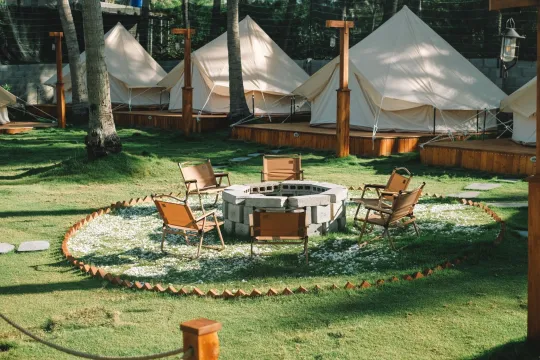
Creekfire RV Resort
If you have seen "Creekfire RV Resort" pop up while planning a trip, you probably want to know what a stay there is really like before you commit.

RV Parks for Sale: Find and Compare
"RV parks for sale" is one of those searches with two very different audiences: campers hoping to find a spot, and buyers looking to own an RV park as a business. This guide serves the buyer.
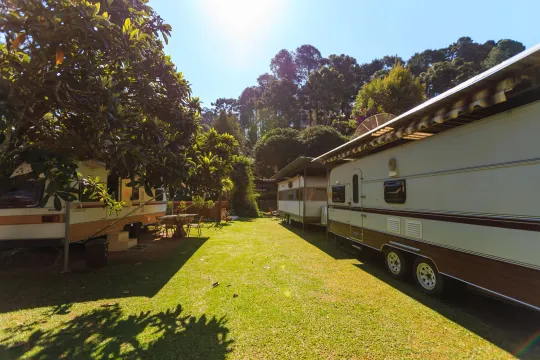
Caravan Camping
Caravan camping blends the freedom of the open road with a proper bed, a kitchen, and shelter from the weather. Whether you are touring for the first time or thinking about buying