RV Parks & Resorts
RV Parks for Sale: Find and Compare
"RV parks for sale" is one of those searches with two very different audiences: campers hoping to find a spot

"RV parks for sale" is one of those searches with two very different audiences: campers hoping to find a spot, and buyers looking to own an RV park as a business. This guide serves the buyer. It explains how to find parks on the market, what drives their value, and how to compare listings honestly so you can tell a genuine opportunity from an expensive headache.
The short version
- An RV park is a real-estate and hospitality business, so judge it on income, occupancy, and infrastructure, not curb appeal.
- Listings appear on commercial real-estate marketplaces and through business brokers. Verify every claim in the seller's numbers.
- Prices swing enormously by location, size, hookups, and revenue, so treat any figure as a starting point for due diligence.
- The costly surprises are usually underground: septic, water, and electrical systems that need replacing.
Two searches, one phrase
Before going further, it helps to name the split. Some people typing "RV parks for sale" are travelers who misread a listing and actually just want a place to stay tonight. If that is you, you are better served by a nearby RV parks search or our RV camping guide. The rest of this article is for buyers who want to purchase and operate a park as a business.
Where RV parks are actually listed
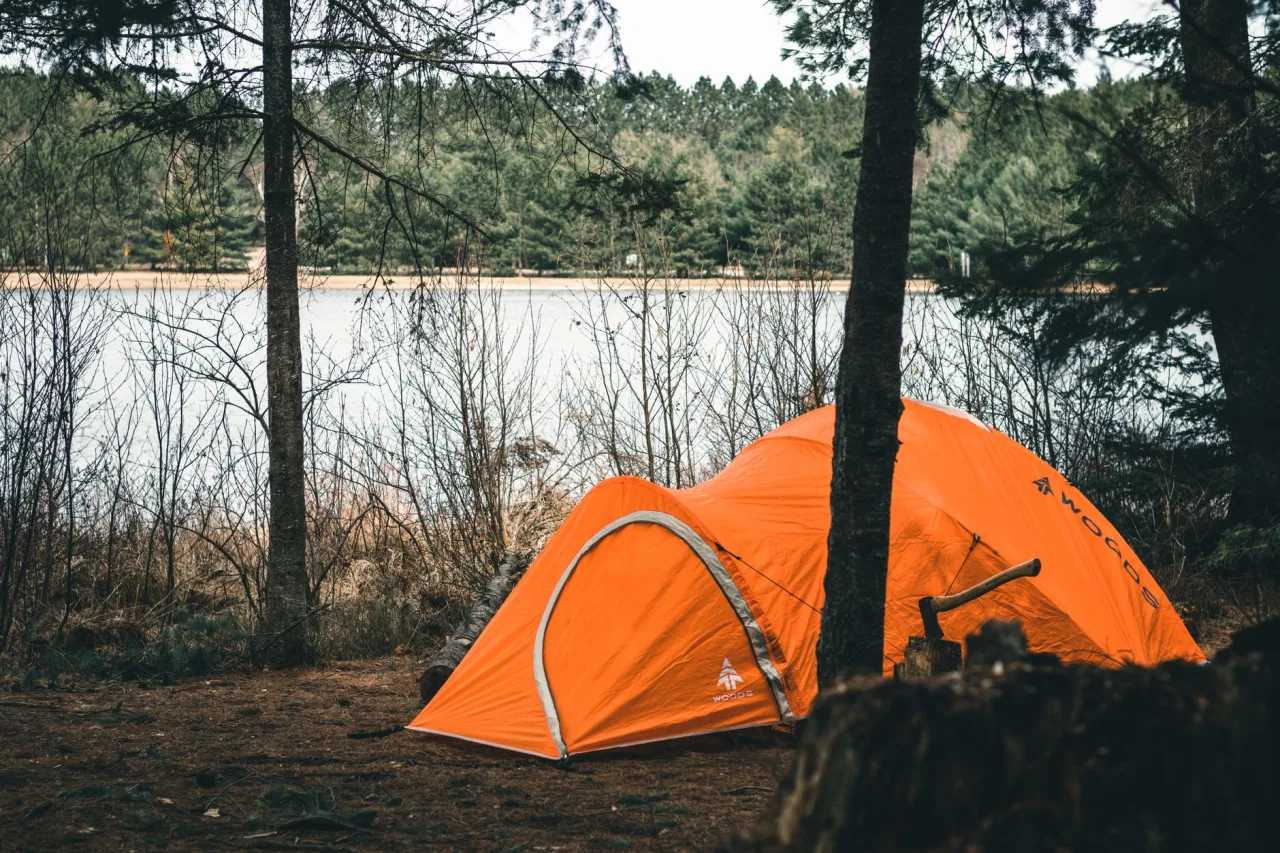
RV parks are commercial properties, so they trade in different places than a house would. You will generally find them across a few channels, and cross-checking several gives you the fullest picture of what is on the market.
- Commercial real-estate marketplaces: General business-for-sale and commercial-property platforms list parks alongside other hospitality assets.
- Business brokers: Specialists in campground and RV-park sales often have listings, including off-market ones, and can guide the process.
- Industry networks: Trade associations and outdoor-hospitality groups sometimes circulate opportunities among members.
- Direct approach: Some owners near retirement will sell privately if approached, though this takes patience.
Wherever a listing appears, remember that the marketing copy is written to sell. Your job is to verify, not to trust. It also helps to understand the guests you would be hosting: the Wikipedia overview of recreational vehicles explains the rig classes and sizes your sites must accommodate.
What actually determines a park's value
Unlike a vacation home, an RV park is valued largely on the income it produces and the condition of the systems that produce it. When you compare listings, weigh these drivers rather than the photos.
- Net operating income: Verified revenue minus real operating expenses is the foundation of any fair price.
- Occupancy mix: A blend of overnight, seasonal, and long-term guests behaves differently from a park that lives or dies on summer weekends.
- Site count and hookups: Full-hookup, pull-through sites that fit big rigs command more than tight partial-hookup pads.
- Infrastructure age: The water, septic or sewer, and electrical systems are the expensive bones of the business.
- Location and demand: Proximity to attractions, highways, or steady work crews drives year-round bookings. Parks near federal recreation areas, which travelers book through Recreation.gov, often benefit from overflow demand when public campgrounds fill.
- Expansion room: Unused, buildable land can add sites and value over time.
Quick tip
Ask for at least two to three years of profit-and-loss statements, tax returns, and utility bills. A seller unwilling to document income is asking you to pay for a number you cannot verify.
Reading a listing critically
Listings love round, optimistic figures. Treat "potential" revenue as marketing and "actual" revenue as the only number that matters until proven otherwise. When you see a projected income based on filling every site every night, discount it heavily, because no park runs at full occupancy year-round.
Look closely at what the price includes. Does it come with the land, or is there a ground lease? Are the park-model rentals, office building, and equipment part of the deal? Is there existing staff, and are their wages in the expense figures? Every assumption you fail to check becomes a cost you discover after closing.
What RV parks cost
There is no meaningful single price for an RV park, because a small rural park and a large amenity-rich resort are entirely different assets. Value scales with the number of sites, the revenue, the quality of hookups, the land, and the region. A park's asking price is usually anchored to a multiple of its net operating income, adjusted for the condition of its infrastructure and its growth potential.
Because of that variability, treat every advertised price as the opening line of a negotiation that your due diligence will inform. The real cost of ownership also includes what you will need to spend after buying: deferred maintenance, system upgrades, and working capital to cover slow seasons. Budget for those before you decide what a park is worth to you.
Due diligence that protects you
The difference between a good buy and a money pit is usually found in due diligence, not in the listing. Build a checklist and refuse to waive it because you are excited.
- Verify the finances: Reconcile the seller's income claims against tax returns and bank deposits.
- Inspect the systems: Have the septic or sewer, water supply, and electrical pedestals professionally inspected.
- Confirm zoning and permits: Ensure the park is legally permitted for its current site count and any expansion you plan.
- Check environmental factors: Flood zones, wells, and past land use can carry expensive obligations.
- Review guest contracts: Long-term and seasonal agreements affect the income you are actually buying.
Watch out
The most expensive problems in an RV park are underground and invisible on a tour. A failing septic system or an undersized electrical grid can cost a large share of the purchase price to fix, so never skip professional inspections to close faster.
Buying to run versus buying to improve
Be clear about which kind of buyer you are, because it changes what a good deal looks like. If you want steady income with little drama, favor a well-run park with documented occupancy and modern systems, and pay for that stability. If you have the appetite and capital for a turnaround, an underperforming park with tired infrastructure but good bones and location can be a bargain, provided you budget honestly for the work.
Either way, understanding how guests choose a park makes you a better operator. Reading our guides to RV resorts and the general RV park directory shows you what campers value, which is exactly what you will be selling. If you are also weighing campground assets, our RV campgrounds for sale guide covers the overlap.
Frequently asked questions
Where can I find RV parks for sale?
RV parks are commercial properties, so they appear on business-for-sale and commercial real-estate marketplaces, through brokers who specialize in campground sales, and sometimes through industry associations or direct owner contact. Cross-check several channels for the fullest view, and verify every claim in a listing before you act on it.
How much does an RV park cost to buy?
There is no single price, because parks range from small rural sites to large resorts. Value scales with site count, verified revenue, hookup quality, land, and location, and asking prices are usually anchored to a multiple of net operating income. Treat any advertised figure as a starting point for negotiation and due diligence.
What makes an RV park a good investment?
The strongest parks combine documented, diversified income, healthy occupancy across overnight and long-term guests, modern water, sewer, and electrical systems, and a location with year-round demand. Room to add sites boosts long-term value. Weak links, especially aging underground infrastructure, are where a seemingly cheap park becomes expensive.
What should I inspect before buying?
Verify the finances against tax returns and bank deposits, then professionally inspect the septic or sewer, water supply, and electrical pedestals. Confirm zoning and permits for the current and planned site count, check flood and environmental factors, and review long-term guest contracts, since they shape the income you are actually purchasing.
Is "RV parks for sale" the same as booking a site?
No. That phrase usually refers to buying a park as a business. If you simply want somewhere to camp, search for nearby RV parks or campgrounds instead. This distinction matters because the research, cost, and commitment for buying a business are completely different from reserving a site for a trip.
More guides on RV Parks & Resorts
Have a question or a topic to suggest?
We read every message. Tell us what you would like to see next on the blog.
Get in touchYou may also like

Camp RV Near Me: Find and Compare the Best
Searching "camp RV near me" usually means you want a good pitch tonight or this weekend, not a history lesson. This guide skips the fluff and shows you exactly how to find nearby RV camping

Creekfire RV Resort
If you have seen "Creekfire RV Resort" pop up while planning a trip, you probably want to know what a stay there is really like before you commit.
Caravan Camping
Caravan camping blends the freedom of the open road with a proper bed, a kitchen, and shelter from the weather. Whether you are touring for the first time or thinking about buying