New Forest
New Forest Campsites: How to Choose
Forest campsites versus private parks, compared honestly, with livestock etiquette, the no wild camping rule and realistic prices.
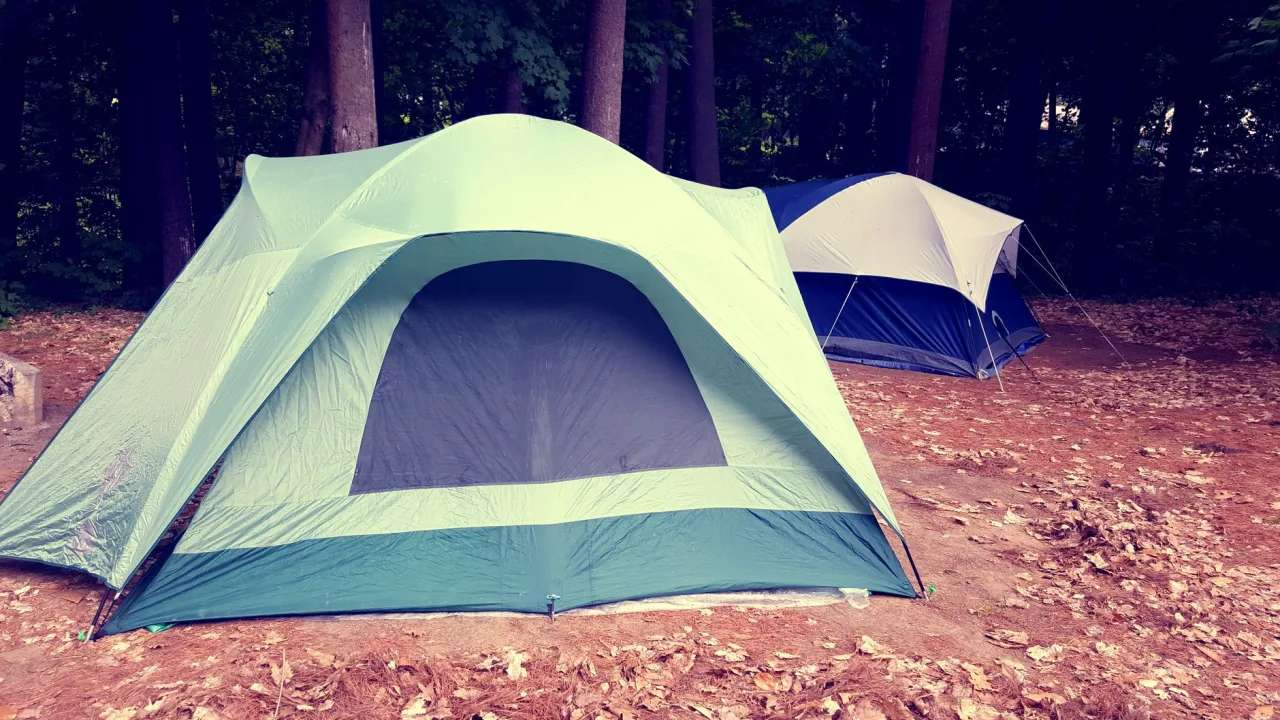
The New Forest is one of England's most loved camping destinations, where ponies wander past your pitch and ancient woodland meets open heath. This guide is not a fake directory. It is an honest walk through how to find, compare, and choose a good New Forest campsite, with the confirmed facts you need to book the right pitch for your trip.
The short version
- The New Forest is a National Park in southwest Hampshire and southeast Wiltshire, designated on 1 March 2005.
- Camping in the New Forest offers 10 campsites in the heart of the forest, on Forestry England land, booked through their campsite operator.
- Wild camping is not permitted anywhere on Forestry England land, so you must use a designated campsite.
- Free-roaming ponies, cattle, and donkeys share the forest. Never feed them, and drive slowly on unfenced roads.
What "campsites in the New Forest" really means
The New Forest is a National Park covering around 219 square miles of southern England, straddling southwest Hampshire and southeast Wiltshire. It became a National Park on 1 March 2005, and it is unusual because commoners' cattle, ponies, and donkeys roam freely across the open heath and much of the woodland. That mix of protected landscape and grazing livestock shapes everything about camping here, from where you can pitch to how you store your food.
When people search for New Forest campsites they usually mean one of two things: the forest campsites on Forestry England land, run through the Camping in the Forest operation, or the many privately run holiday parks and farm campsites dotted around the park's edges and villages. Both are valid. Knowing which you want is the first step to a good trip.
Forest campsites vs private parks, honestly compared

Rather than rank named sites, compare the two main categories so you can match a campsite to your group.
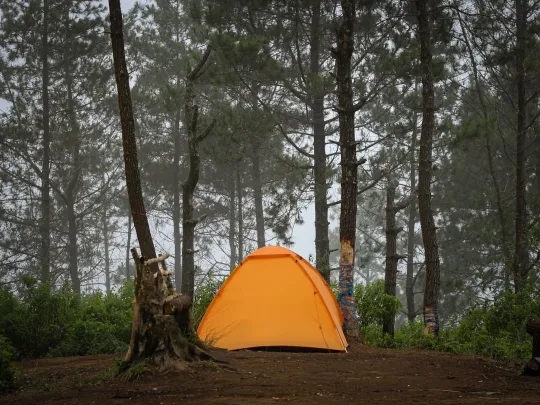
- Forestry England campsites: Camping in the New Forest lists 10 unique campsites in the heart of the forest, with forest and lakes, access to village pubs, and beautiful walks. These sites range from open, back-to-nature pitches with minimal facilities to sites with hookups and shower blocks. They put you right inside the landscape, sometimes with ponies grazing between pitches.
- Private holiday parks and farm sites: Around the park you will find privately owned parks and touring sites, often with more amenities such as electric hookups, laundry, play areas, and sometimes pools or shops. They can suit families and caravanners who want more facilities.
If you are touring with a caravan or motorhome, our complete guide to caravanning covers pitch types, hookups, and towing basics that apply directly to New Forest touring sites.
What good looks like: a New Forest campsite checklist
Use consistent criteria so you compare sites fairly:
- Facilities level: Decide whether you want a simple back-to-nature pitch or full showers, hookups, and a shop. New Forest sites span the whole range.
- Location within the park: Some sites sit deep in woodland, others near villages with pubs and shops. Think about walking access versus needing to drive.
- Pitch surface and shade: Woodland pitches offer shade but can be uneven or rooty. Open heath pitches are sunnier and more exposed.
- Livestock access: On some open forest sites, ponies and cattle wander through. That is part of the charm but means extra care with food and gates.
- Dog policy: Rules vary, and dogs must be under control around livestock and ground-nesting birds.
- Booking window and cancellation terms: Popular summer dates go early, so check both.
Livestock etiquette
The New Forest ponies, cattle, and donkeys look tame but are working commoners' animals, not pets. Never feed or touch them. Feeding causes them to gather near roads and campsites, which leads to accidents. Keep all food packed away, close gates behind you, and drive at low speed on unfenced forest roads, especially at dawn and dusk.
Typical costs, as realistic ranges
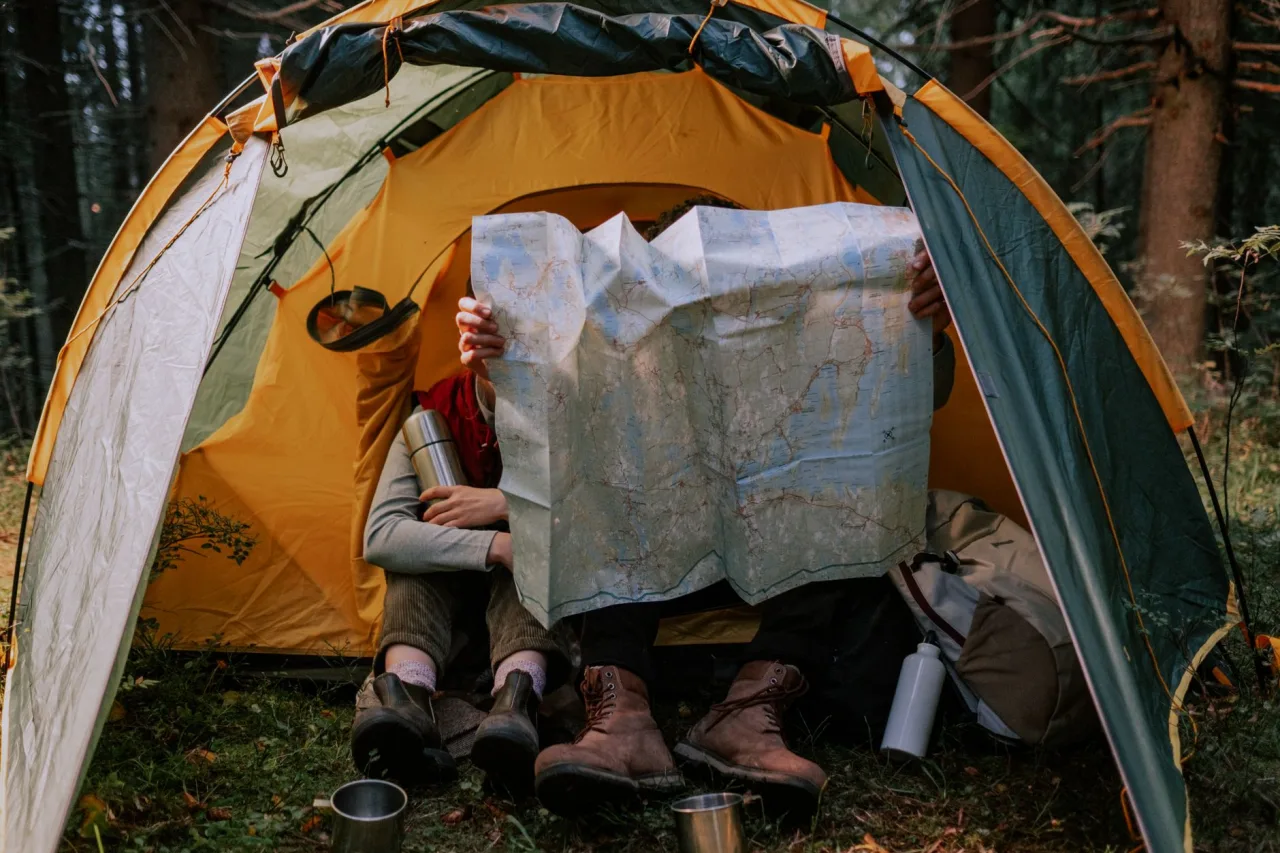
Prices vary by season, site, and pitch type, and every rate should be confirmed when you book. As a realistic 2026 planning range, a standard tent or touring pitch at New Forest campsites commonly falls somewhere from the high-teens to the mid-£30s per night, with electric hookup pitches and peak school-holiday dates at the higher end, and simpler back-to-nature pitches lower. Private parks with more facilities can sit above that. Treat any figure as a starting point and confirm on the operator's own booking page, since summer, bank holidays, and festival weekends push prices up.
For a wider view of how campsites are priced and what to look for, see our complete guide to camping sites.
How to book and when to go
The New Forest is busiest in summer and over bank holidays, when both forest and private sites fill weeks or months ahead. The practical approach:
- Choose forest campsite or private park based on the facilities you want.
- Check the operator's booking window and open dates, as many forest sites are seasonal.
- Book early for July, August, and bank holiday weekends.
- Consider spring or early autumn for quieter pitches and lower prices, while accepting cooler, wetter weather.
Forestry England lists the New Forest sites through its camping pages, and each site is operated with its own booking system. Always book through the official operator rather than an unofficial reseller.
Rules that make the New Forest different
A few park-specific rules catch first-timers out:
- No wild camping: Wild camping is not permitted anywhere on Forestry England land. You must use a designated campsite. This is a firm rule, not a grey area.
- Fires and barbecues: Open fires are generally banned to protect the heath and woodland. Check each site's policy on raised barbecues before you light anything.
- Ground-nesting birds: In spring and summer, keep to tracks and keep dogs close to protect nesting birds.
- Leave no trace: Take all litter home and respect the commoners' grazing land.
Weather warning
English summers are unpredictable, and the New Forest is no exception. Pack for rain even in July, bring a groundsheet and warm layers for cool nights, and choose a tent you trust in wind on open heath pitches. If you are still choosing shelter, our tent guide can help you pick one rated for British conditions.
Building your New Forest shortlist
Put it together like this. Decide forest campsite or private park. Pick your facilities level and preferred location, deep woodland or near a village. Confirm the season, booking window, and cost range with the official operator. Then book early and prepare for both weather and wandering livestock. That beats any static ranking, because the best New Forest campsite is the one that is open, bookable, and matched to how you camp. If you are comparing this trip against other destinations, our lake camping guide and complete camping guide are useful next reads.
Frequently asked questions
Can you wild camp in the New Forest?
No. Wild camping is not permitted anywhere on Forestry England land, which includes the New Forest. You must stay at a designated campsite, either one of the forest campsites or a private park. This rule protects the heath, woodland, and grazing land.
How many campsites are there in the New Forest?
Camping in the New Forest, run on Forestry England land, offers 10 unique campsites in the heart of the forest. On top of these, there are many privately run holiday parks and farm campsites around the edges of the National Park.
Where is the New Forest?
The New Forest is a National Park in southern England, in southwest Hampshire and southeast Wiltshire. It was designated a National Park on 1 March 2005 and covers around 219 square miles of heath and woodland.
Can you camp near the New Forest ponies?
Yes, on some open forest campsites the free-roaming ponies, cattle, and donkeys wander between pitches. They are working commoners' animals, not pets, so never feed or touch them, keep all food packed away, and drive slowly on unfenced roads.
How much does camping in the New Forest cost?
Prices vary by season, site, and pitch type and should be confirmed when booking. As a realistic 2026 range, a standard tent or touring pitch commonly falls from the high-teens to the mid-£30s per night, with electric hookups and peak holiday dates higher, and simpler pitches lower.
When is the best time to camp in the New Forest?
Summer and bank holidays are busiest and warmest but book up early and cost more. Spring and early autumn offer quieter pitches and lower prices in exchange for cooler, wetter weather. Whenever you go, book ahead for popular dates and pack for rain.
More guides on Campgrounds & Campsites
Have a question or a topic to suggest?
We read every message. Tell us what you would like to see next on the blog.
Get in touchYou may also like
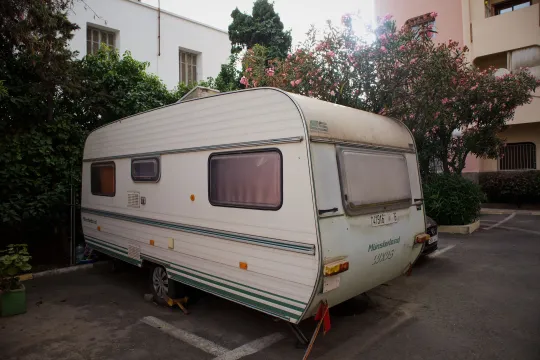
Caravan: The Complete Guide
Caravan types, buying and running costs, safe towing, and how to choose a caravan that fits how you actually travel.
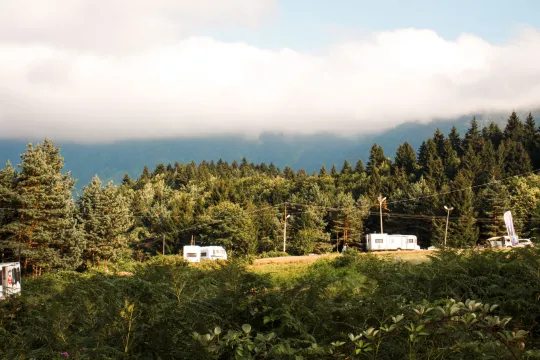
Caravan Campsites Near Me Guide
How to find, compare and choose a caravan site near you: matching a site to your outfit, comparing pitches, hookups and waste facilities, costs, and towing safely.
Camping Sites: The Complete Guide
From full-facility holiday parks to wild backcountry pitches, this complete guide maps the types, costs, amenities and booking of camping sites.