Glamping Gear
Best Yurt Tent in 2026: Picks by Budget
A criteria-driven buyer's guide to yurt tents across entry polyester, poly-cotton and premium canvas tiers.
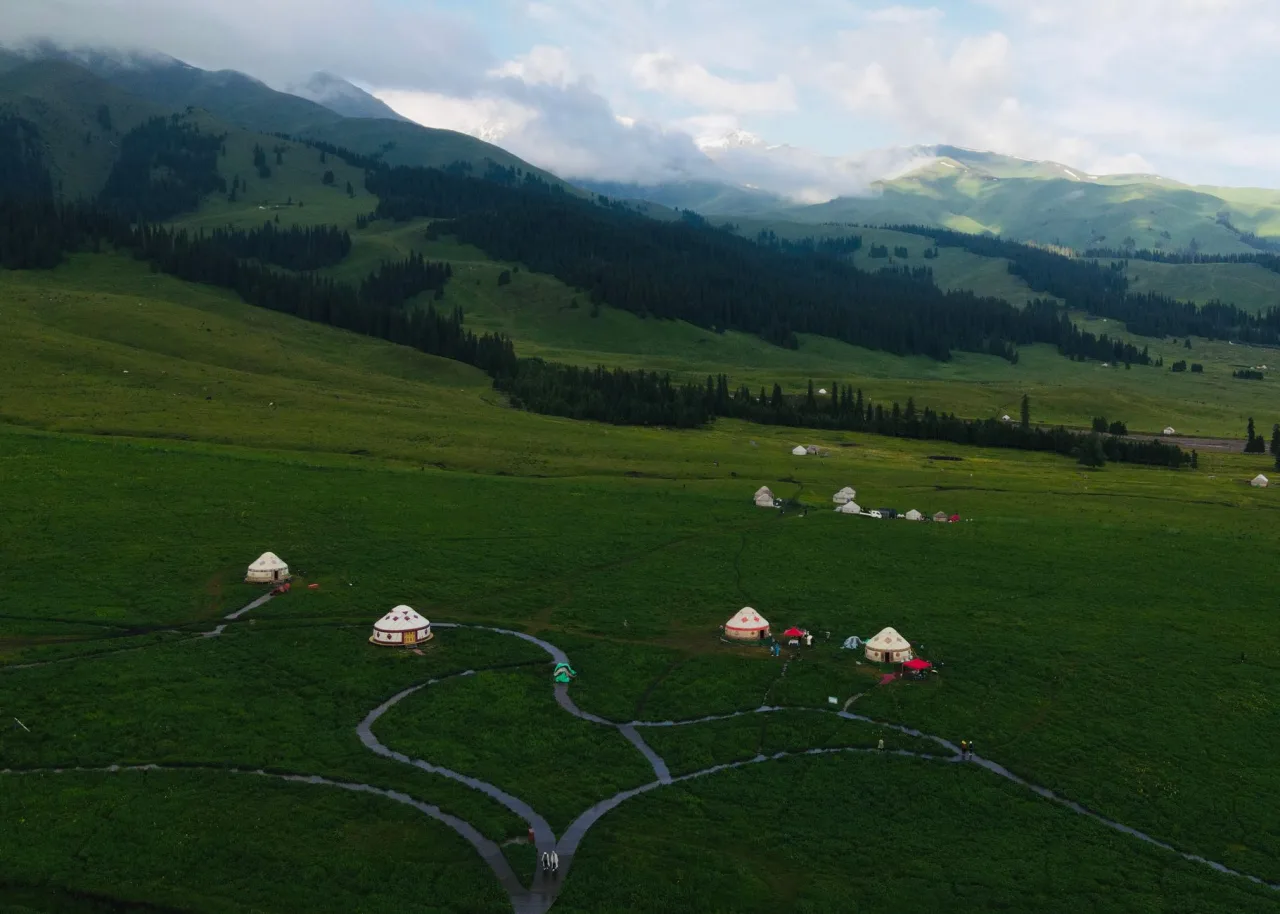
A yurt tent borrows the round, domed silhouette of the Central Asian yurt and turns it into a canvas or polyester shelter you can pitch for a weekend of glamping. This guide skips the fake leaderboard and instead gives you a clear, budget-based framework for choosing a yurt tent that actually survives a wet, windy night. Use it to match the right materials, size and price tier to how you really camp.
The short version
- Yurt tents come in three broad price tiers: entry polyester (roughly 150 to 400 USD/GBP), mid-range poly-cotton, and premium 100 percent cotton canvas, each with predictable trade-offs.
- Weight, packed size and pitch time matter more for car campers than backpackers: most yurt tents are heavy and are not meant to be carried far.
- Check the hydrostatic head rating, seam sealing and pole material before price. A cheap tent that leaks costs more than a mid-range one that does not.
- Match capacity to real use: a "6 person" rating usually means a comfortable 3 to 4 people with gear and a stove.
What a yurt tent actually is
The traditional yurt is a portable round dwelling used by nomadic peoples across the Central Asian steppe. According to the yurt entry on Wikipedia, the classic structure uses an expanding lattice wall, bent roof poles and a central crown ring, all wrapped in felt made from sheep's wool. A modern yurt tent keeps the shape but swaps the heavy wooden lattice and felt for lightweight poles and a fabric skin, so you get the roomy, headroom-friendly geometry without needing a pack animal to move it.
That round footprint is the whole appeal. Vertical or near-vertical walls mean you can stand and walk near the edges instead of crawling, and the domed roof sheds rain and wind better than a boxy cabin tent. If you are weighing a yurt tent against other glamping shelters, our complete guide to yurt camping and the wider glamping overview explain where each style shines.
How we frame the picks: criteria over rankings
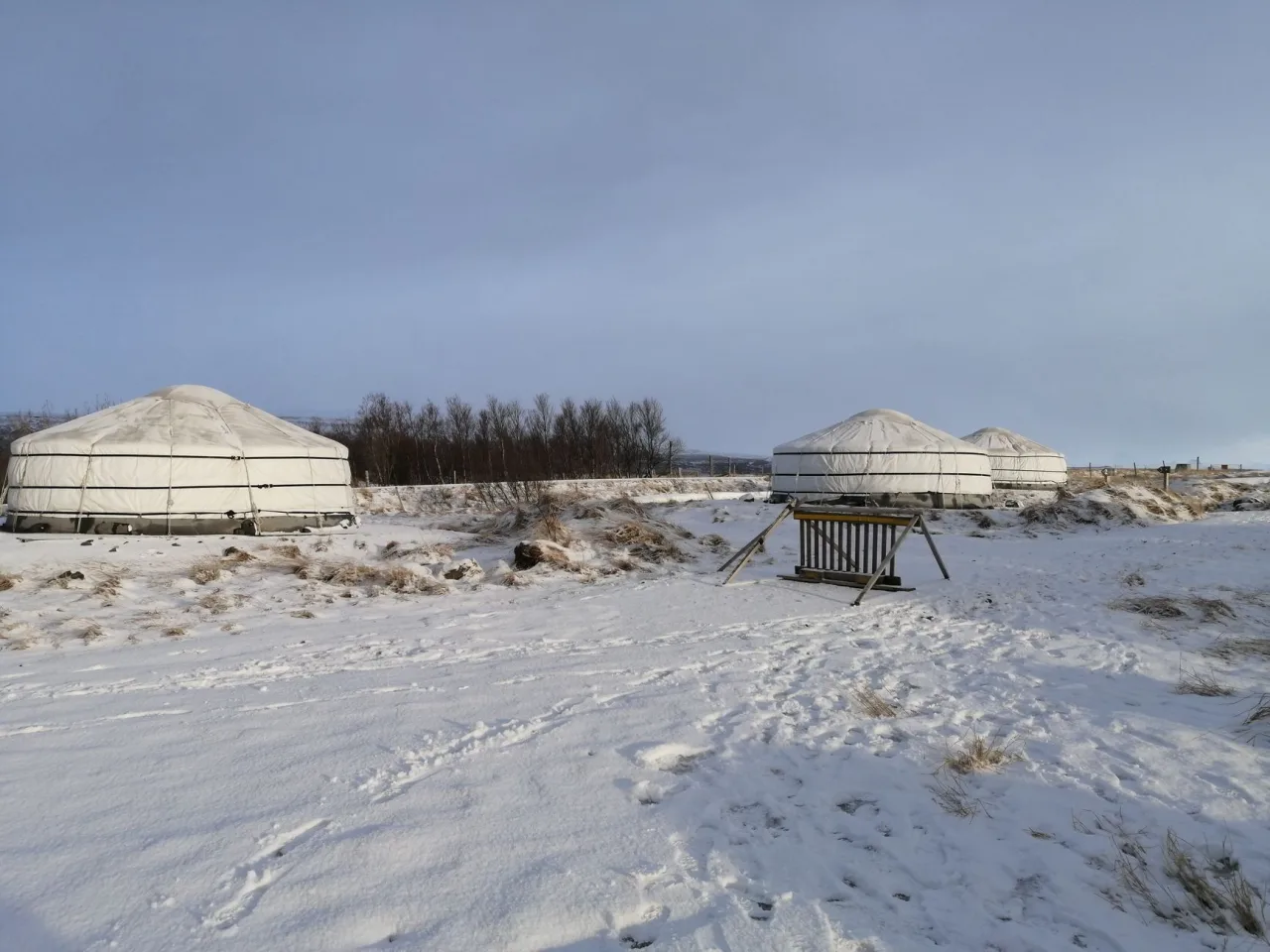
There is no single "best" yurt tent, because the right one depends on your budget, group size and climate. Instead of naming models with invented prices, we score any yurt tent against six criteria. Run your shortlist through these and the winner usually picks itself.
- Fabric: polyester (light, cheap, less breathable), poly-cotton blend (a balance), or 100 percent cotton canvas (heavy, breathable, best in heat and cold).
- Waterproofing: look for a hydrostatic head figure. Around 2,000 mm is a sensible floor for occasional use; 3,000 mm and up is reassuring for exposed pitches.
- Poles: steel is strong but heavy, aluminium is lighter, fibreglass is cheapest but most likely to crack in cold or high wind.
- Ventilation: a roof vent or crown opening plus mesh windows prevents the condensation that plagues single-skin tents.
- Capacity honesty: divide the sleeping rating by roughly 1.5 for a comfortable real-world number.
- Pitch and pack: heavier canvas yurts need two people and a larger car boot. Confirm packed dimensions before you buy.
Tip: read the hydrostatic head, not the marketing. A tent described as "waterproof" with no millimetre rating is telling you nothing. If the seller cannot quote a hydrostatic head figure for the flysheet and floor, treat that as a warning sign and ask before you order.
The budget tiers explained
Entry level: lightweight polyester
These sit at roughly 150 to 400 in USD or GBP, though prices vary by brand, size and season, so confirm at checkout. They use polyester or nylon skins on fibreglass or steel poles. They pitch quickly and pack down reasonably, which makes them a fair first yurt tent for fair-weather festivals and summer weekends. The compromises are breathability and cold-weather comfort: polyester traps condensation and offers little insulation, so expect a damp interior on chilly mornings unless ventilation is good.
Mid range: poly-cotton blends
Poly-cotton (often branded as TC or technical cotton) blends the durability and quicker drying of polyester with the breathability and reduced condensation of cotton. Expect a meaningful jump in price and weight over entry polyester. This tier is the sweet spot for most car-camping families who want a shelter that copes with a range of weather without the full cost and bulk of canvas.
Premium: 100 percent cotton canvas
Full cotton canvas yurt tents are the heaviest and priciest, but they regulate temperature best: cooler in summer sun, warmer in cold, and far less prone to internal condensation. Many premium yurt and bell tents are also stove-compatible with a flashing kit, which extends your season into winter. If you camp often and value comfort over portability, canvas usually justifies its cost over several years. Our bell tent buyer's guide covers similar canvas trade-offs, since bell and yurt tents share a lot of DNA.
Sizing a yurt tent honestly
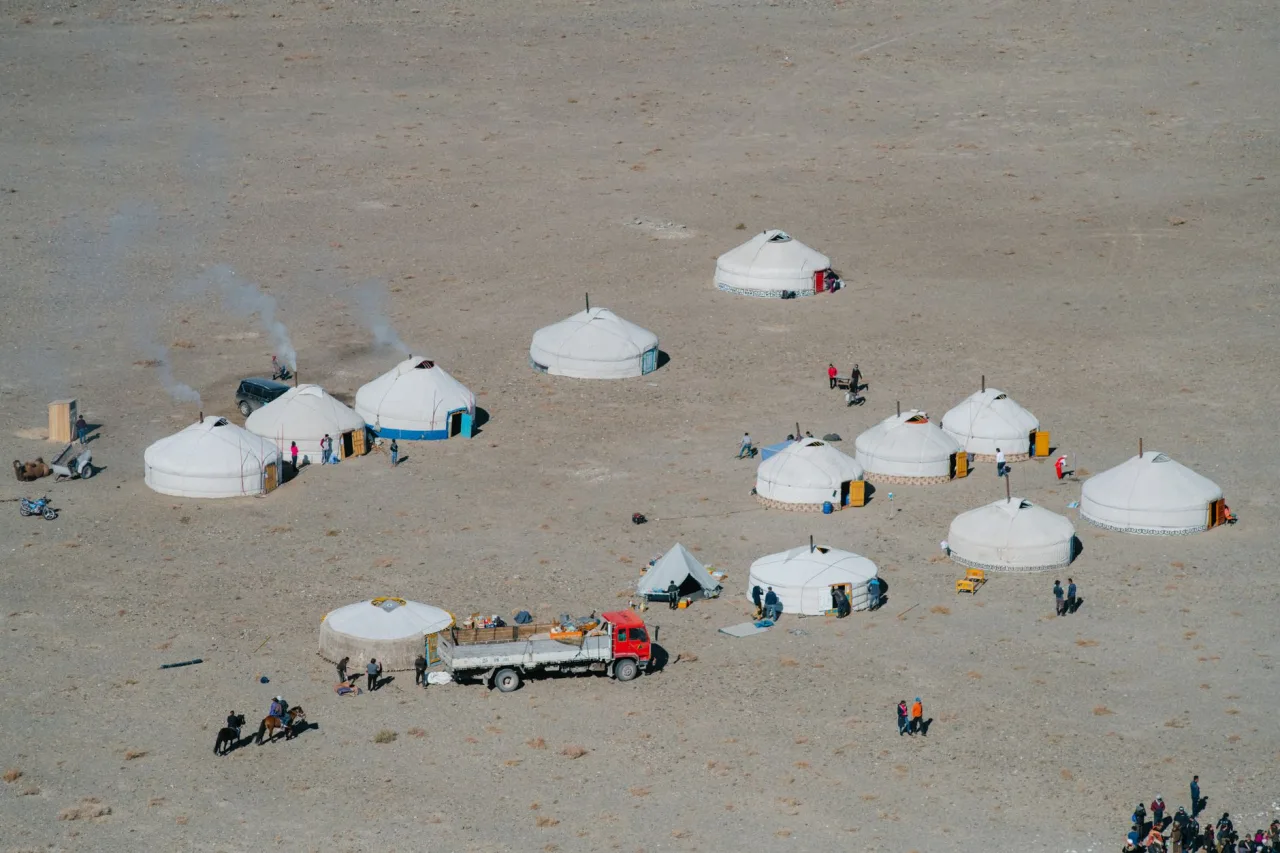
Manufacturer sleeping ratings assume bodies packed side by side with no gear, no airbeds and no room to move. In practice, subtract roughly a third to a half. A tent sold as sleeping six is comfortable for three or four people plus bags, chairs and a cooler. If you plan to run a wood stove inside a canvas model, you lose more floor space to a safe clearance zone around the flue, so size up. For families comparing shapes, our family tent guide shows how yurt geometry compares with tunnel and cabin layouts.
Weather, wind and pitching
The domed shape is aerodynamically friendly, but a yurt tent still lives or dies by its guy lines and pegs. On exposed ground, replace flimsy stock pegs with sturdier steel or alloy stakes and use every guy point. A central pole plus wall poles means the structure relies on even tension: an under-pegged yurt tent will sag and pool water. Pitch on the highest flat ground you can find, angle the door away from prevailing wind, and never dig a trench around a tent on managed sites, which most campsites prohibit.
Warning: canvas and stoves demand respect. Only use a wood-burning stove in a tent specifically designed and rated for one, with the correct flashing kit, a spark arrestor and a working carbon monoxide alarm. Never run a fuel-burning stove or a disposable barbecue inside any tent for warmth. Carbon monoxide is odourless and has killed campers.
Where a yurt tent fits your setup
A yurt tent is a car-camping and glamping tool, not a backpacking one. Choose it when you drive to a pitch, want standing headroom and a social interior, and value comfort for two or three nights over ultralight portability. If you need something you can carry on your back, look instead at a dedicated camping tent built for that job. For a more solid-walled alternative that some sites rent out ready-pitched, camping pods are worth a look before you commit to owning gear.
Once you know the tent, the next question is where to pitch it. Many campgrounds accept large glamping tents, but some cap tent footprints or restrict stoves, so read pitch rules before booking. Public land options in the United States can be reserved through Recreation.gov, the federal booking platform covering campgrounds across national parks and forests.
A simple buying checklist
- Decide your climate and season first, then pick the fabric tier that suits it.
- Set a realistic capacity by dividing the sleeping rating by about 1.5.
- Confirm the hydrostatic head for both flysheet and floor.
- Check pole material and whether spares are sold.
- Verify packed weight and size against your car boot.
- If you want winter warmth, confirm the tent is genuinely stove-rated, not just stove-shaped.
Frequently asked questions
What is the difference between a yurt tent and a bell tent?
A yurt tent has near-vertical walls and a flatter, wheel-shaped roof supported by a crown ring, giving more usable headroom near the edges. A bell tent has one central pole and sloping walls that rise to a peak. Both are often made from similar canvas or poly-cotton and both suit glamping, but yurt tents feel roomier at the sides while bell tents are usually quicker to pitch.
How much does a good yurt tent cost?
Prices vary widely by size, fabric and brand, so confirm at checkout, but as a rough guide entry-level polyester yurt tents run around 150 to 400 in USD or GBP, poly-cotton blends cost meaningfully more, and premium full-cotton canvas models are the most expensive. Treat these as ranges rather than fixed prices, since season and stock affect them.
Are yurt tents waterproof?
They can be, but it depends on the fabric and its hydrostatic head rating rather than the yurt shape itself. Look for a flysheet rated around 2,000 mm or higher for occasional use, with sealed seams and a bathtub or groundsheet floor. Cotton canvas relies on the fibres swelling when wet to seal, so a new canvas tent should be weathered before its first trip.
Can you use a wood stove in a yurt tent?
Only in a tent specifically designed and rated for a stove, fitted with the correct flashing kit and spark arrestor, and always with a working carbon monoxide alarm inside. Most polyester yurt tents are not stove-safe. Never burn any fuel inside a tent purely for heat, because carbon monoxide is odourless and can be fatal.
How many people does a yurt tent really sleep?
Fewer than the label suggests. Manufacturer ratings assume bodies packed tightly with no gear, so divide the number by roughly 1.5 for a comfortable figure. A tent advertised as sleeping six typically suits three or four people once you add airbeds, bags and a little living space.
More guides on Glamping & Unique Stays
Have a question or a topic to suggest?
We read every message. Tell us what you would like to see next on the blog.
Get in touchYou may also like
Yurt Camping: The Complete Guide
What a yurt actually is, the different types you can stay in, realistic costs, and how to choose and pack for your first yurt camping trip.
Best Bell Tent 2026: Picks by Budget
An honest bell tent buyer's framework for 2026: cotton versus polycotton, the durability criteria that matter, budget tiers, sizing by group, and how to weather and store canvas.

Glamping: The Complete Guide
What glamping is, the main accommodation types, realistic costs, and how to choose a stay that lives up to the listing.